The estimated livestock population in Malaysia, according to this year’s statistics from Veterinary Service Department (DVS), includes 337.5 million chickens, 9.2 million ducks, 721,000 cows, 331,000 goats, 137,000 sheep and 70,000 buffaloes.
To tally up total daily waste, consider that one cow produces up to 15kg of dung, while a chicken generates close to 180g, according to DVS.
QL Group Integrated Livestock Farming chief executive officer Chia Seong Fatt, 71, explains why animal waste is not a matter to be trifled with.
His company’s layer farm in Negri Sembilan alone produces up to 3,800 tonnes of fresh manure every month.
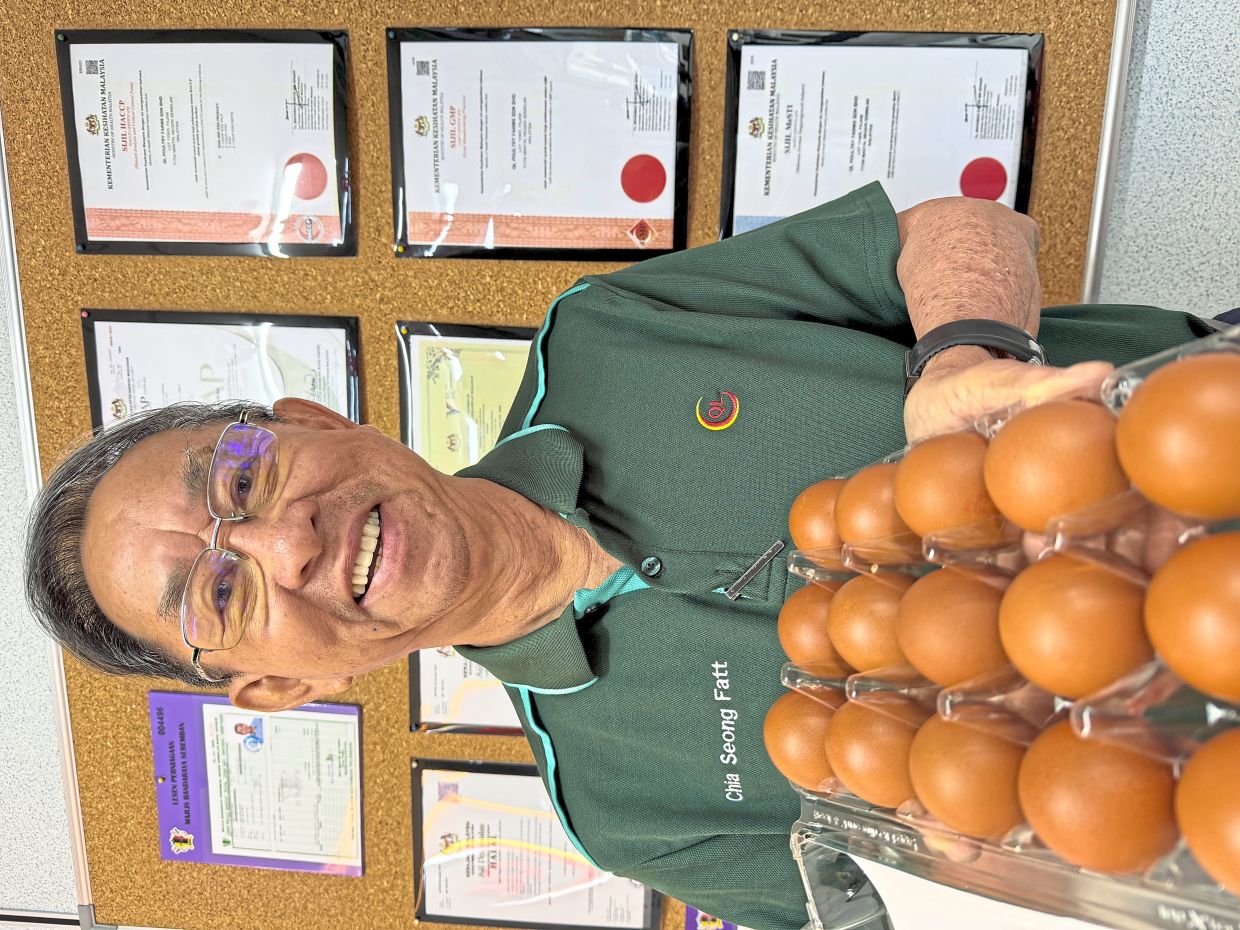
“Chicken waste must be removed daily. Otherwise, there will be problems with odour and pests like flies.
“If left to accumulate, there will be ammonia buildup which will cause respiratory distress and disease, ultimately affecting the birds’ welfare,” he said.
“When this happens, production and quality will suffer.”
Failure in effective treatment will also cause environmental pollution.
About 10 years ago, angry residents in Pajam, Negri Sembilan, complained of fly infestations and smelly air from the farm, forcing them to shutter their windows.
“The complainants were so furious that DVS gave us a warning, saying they wanted to suspend our licence,” said Chia.
In the community’s interest as well as to meet the company’s environmental, social and governance goals, research and development for a waste management method began around that time.
A year-long study took the company to several provinces in China to visit farms where waste management systems had been installed.
“We went to see for ourselves how the technology worked before deciding on the present system,” said Chia.
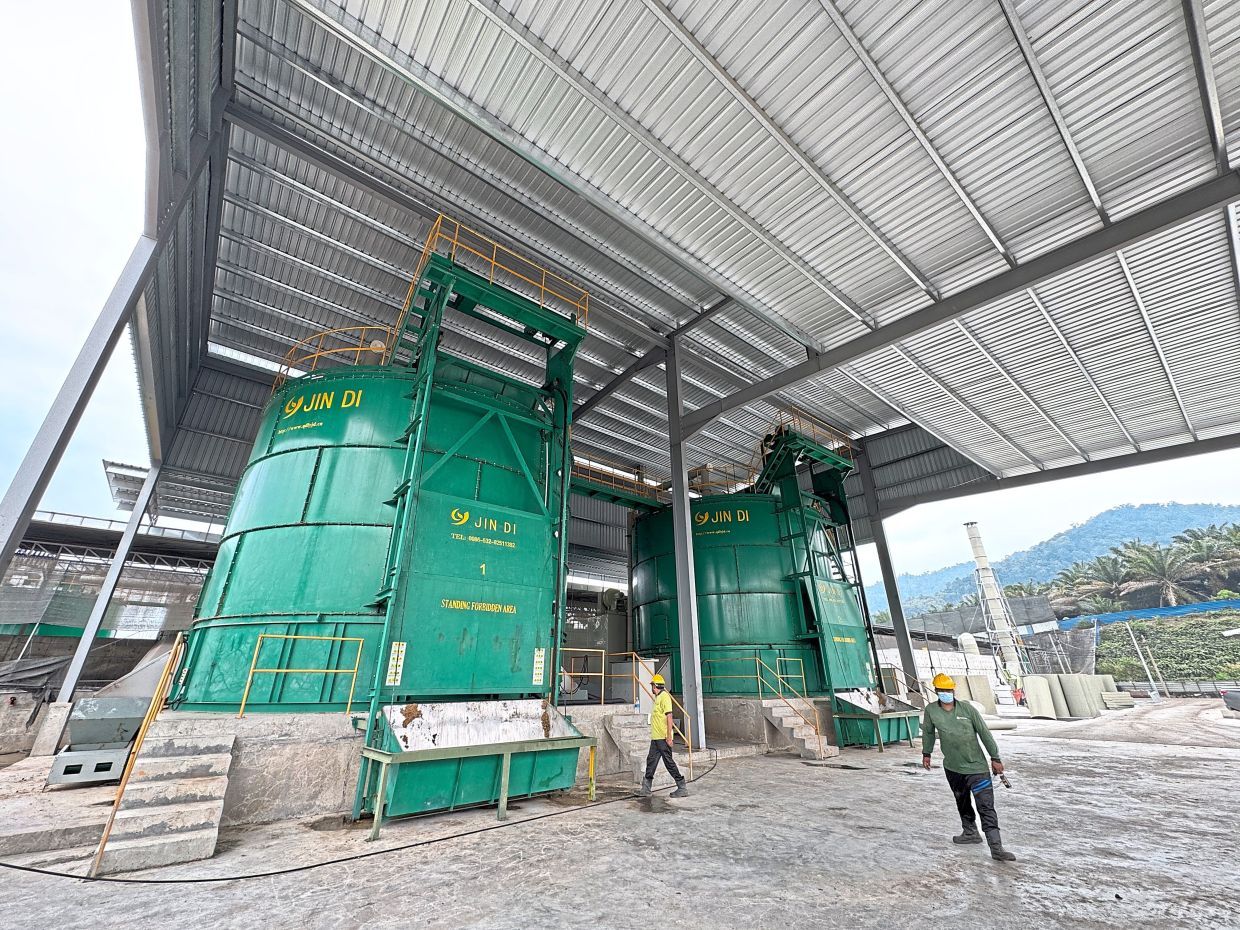
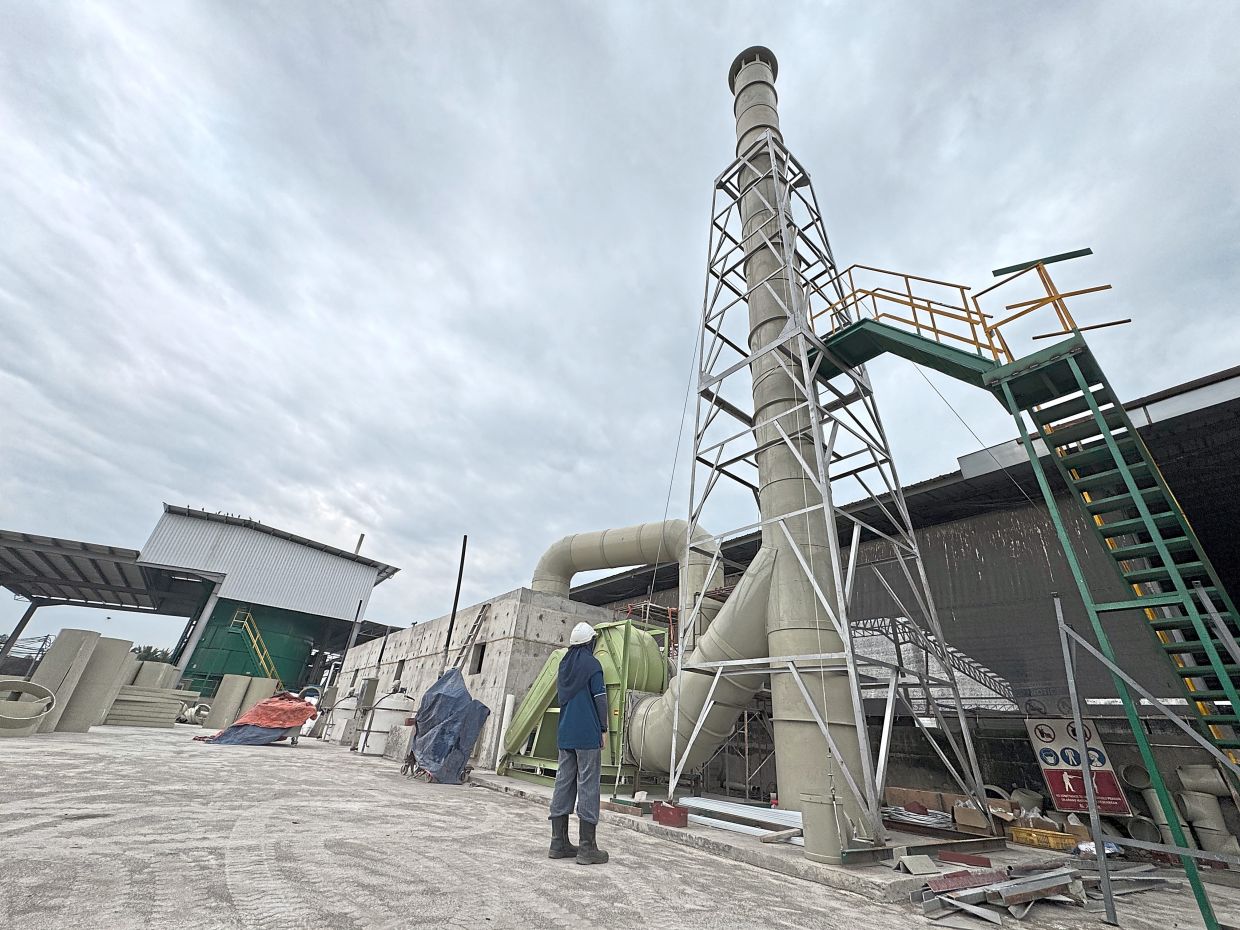
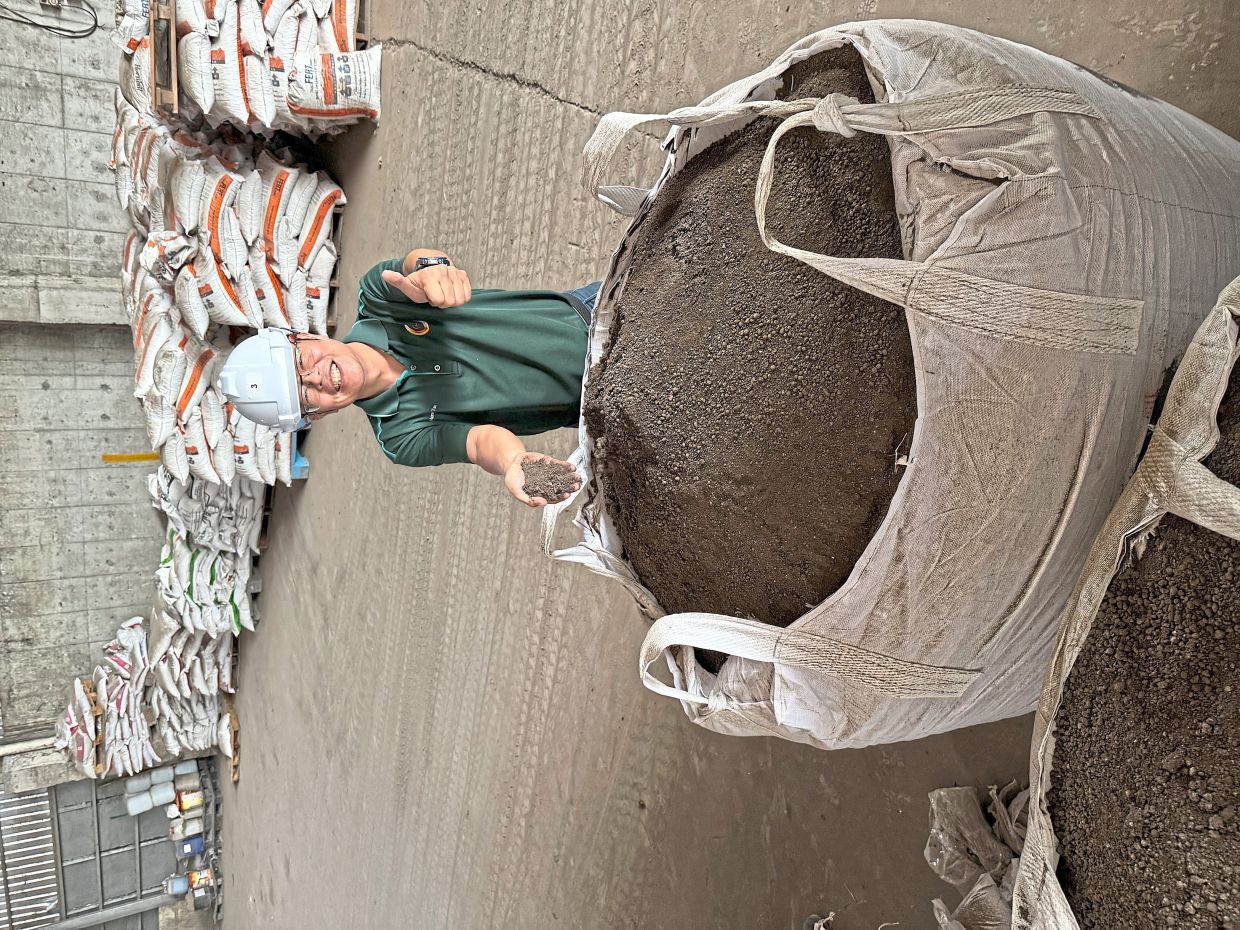
According to QL Poultry Farms general manager Henry Tan, 49, the company’s direction for chicken waste was to advance into the fertiliser market – an important sector in the agricultural field.
QL opted for two systems.
One sees fresh manure being transported by tractor to composting towers for fermentation.
The second is a trench system where manure is fermented within an enclosed structure.
Both systems connect to an air scrubber which will address ammonia build up – cleaning contaminated air and bacteria through a series of filters to release nitrogen into the environment.
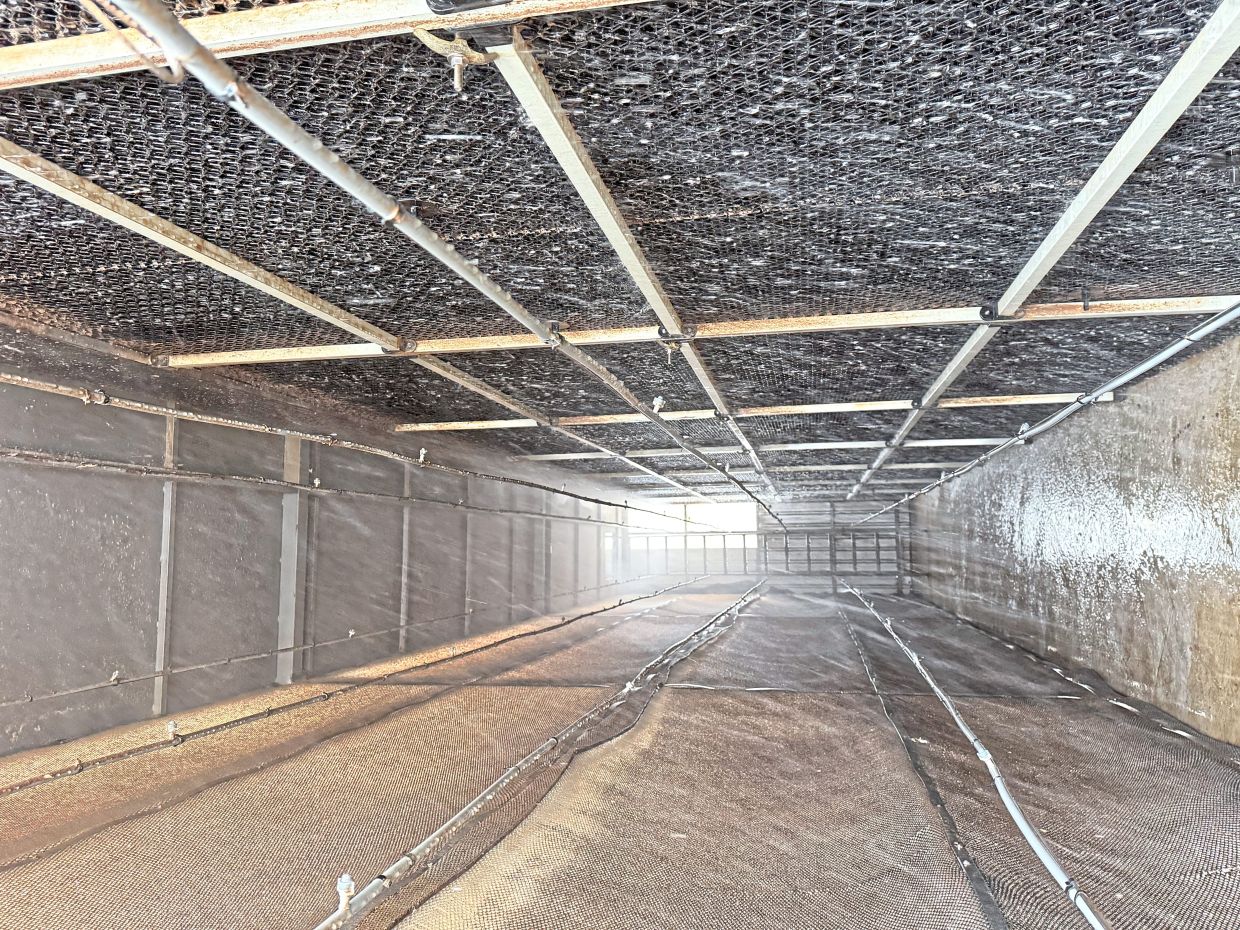
Further to this, an odour control system using mist and deodoriser was installed in the chicken houses.
Effective microbes (EM) are also sprayed onto fresh manure as they exit via conveyor belt onto tractor beds.
EM also plays a role in making the fermentation process more efficient.
“We brought in the trench system in 2016.
“Subsequently, we also installed two additional 200 cubic metre composting towers in 2025.
“To meet rising demand, we will be installing six more.
“The total investment to handle waste management for the Pajam farm alone is now more than RM40mil,” said Tan.
Presently, revenue gained from the sale of its organic fertiliser is RM600,000 per month.
This is still short of covering production costs, but the company is exploring ways to develop this market.
Waste management
It is to the advantage of farm operators to find an effective method to manage livestock waste because it affects production and food quality, said Farm Fresh show ranch farm manager Lee Swee Teen, 68.
This show farm at Universiti Putra Malaysia in Serdang, Selangor, has 600 cows, including calves, which generate up to two and half tonnes of manure daily, excluding urine.
“If left unattended, not only will this pollute the environment but disease will occur, starting with infected hooves caused by cows stepping in their own excrement.
“As our main product is fresh dairy milk, if the environment smells, this will affect milk quality,” said Lee.
To address the smell issue as well as keep flies at bay, lime as well as the use of EM is applied at the cowsheds.
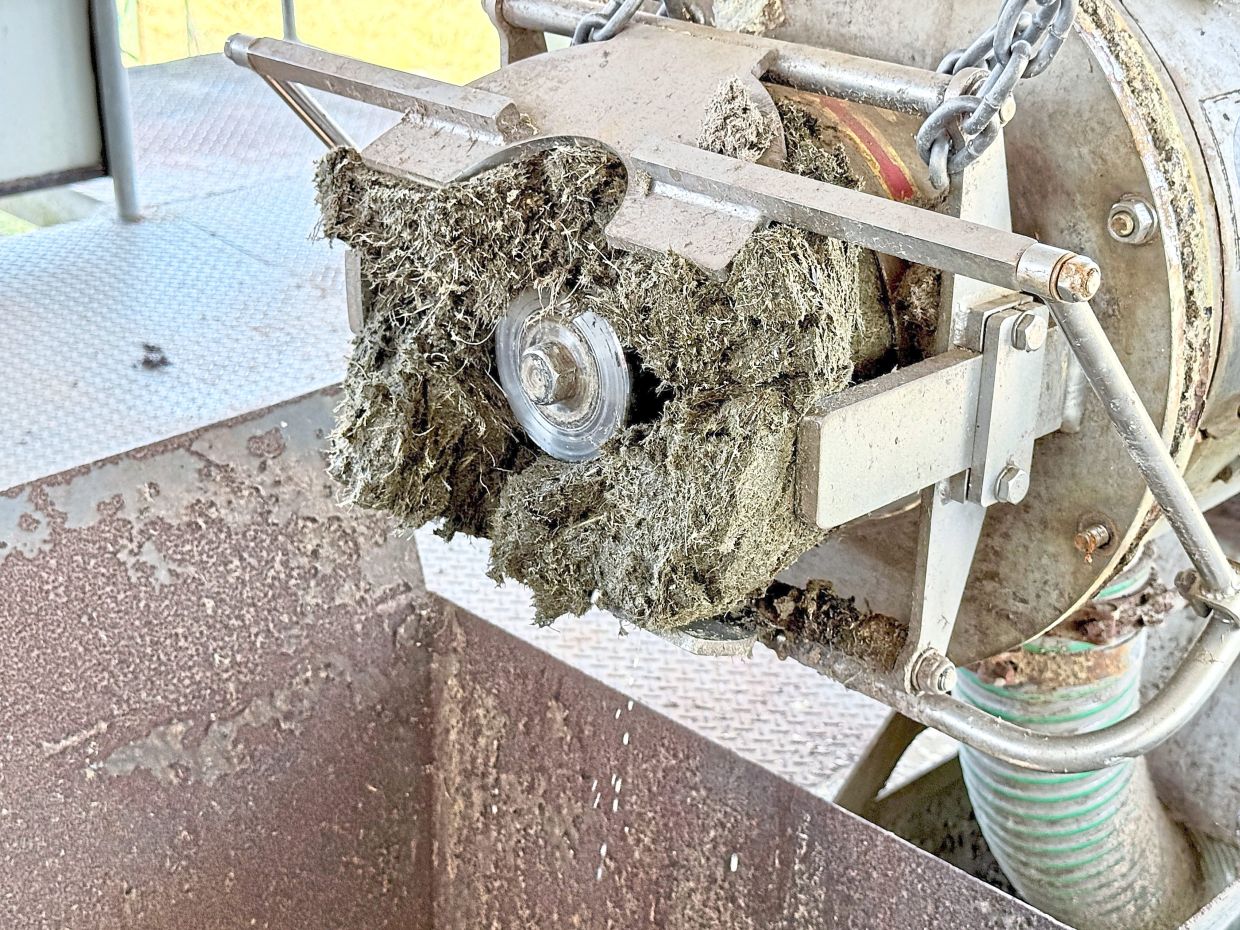
The formula spreads into the drains and ponds, which explains why there is no smell at the show farm.
To handle dung droppings in the cowsheds at the show farm, Lee shows how a mechanical scraper, pulled by a cable, is built to run along the shallow canals of the shed floors.
These scrapers will pull all the dung into a drain system which is built to flow into two ponds – one to hold the waste while it goes through a solid waste separator, and another to contain the wastewater derived from this process.
At the holding pond, a long pipe sucks the dung into a separating machine that will separate water from fresh manure.
The product is then collected in a pile while the waste water is sent to the second pond.
“It is important to have a separate drainage system for the cow dung leading to the two ponds, or else the waste water can flow into the rivers and get us in trouble,” he said
As for what happens to the wastewater at the end stage, Lee said it would be used to fertilise the landscape in the show farm as well as to water grass fields for cattle feed.
It is also used to water a clump of banana trees growing around the pond.
“Those who have tasted these bananas say they seem to be more fragrant than ones sold at supermarkets,” said Lee.
Enforcement, green effort
Introduced in 2003 by Agriculture and Food Security Ministry, the Malaysian Good Agricultural Practices (myGAP) certification for the livestock sector was implemented as an effort to establish high, internationally recognised standards for sanitary practices in farms.
The criteria for obtaining myGAP recognition are based on good animal husbandry practices at the farms.
Programmes they must follow include farm waste and pollution management as well as biosecurity, control of medicine, vaccine and chemical usage.
A total of 141 companies are in the latest DVS myGap list of livestock farms as of August 2025.
Chicken farming dominates the list with 382 entries – a category that encompasses broilers, layers, breeders and hatcheries.
Duck operations follow as the next most common type with 51 farms, covering both meat and egg production.
Other listings include 15 cattle farms, while smaller livestock farming comprise six for goats and sheep, three for quail and one for deer.
In 2025, the DVS recorded 105 enforcement cases across Peninsular Malaysia against farmers for failing to meet waste management standards.
Out of the total number of enforcements, one farm was taken to court for the offence of fly infestation. The rest settled their fines.
In addition, DVS has programmes to ensure farmers remain up-to-date with the latest information on good animal husbandry.
They are done in the form of webinars, public awareness campaigns in conjunction with World Veterinary Day celebrations and specialised seminars.
DVS officers also provide continuous technical advisory services during premise inspections, and working visits to farms.