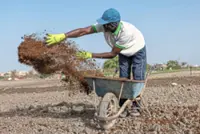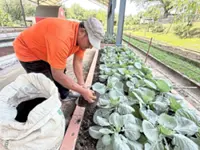
The most common use for livestock dung is as organic fertiliser to promote plant growth.
Former Veterinary Services Department (DVS) Livestock Industry Development division principal assistant director Dr J. Thamotharan S. Jeyaraman said, “This is because fresh dung provides these three components – nitrogen, phosphorus and potassium.
“Nitrogen is for leaf and stem growth, phosphorus for roots and potassium for flowers and fruits.”
However, he said livestock waste must be treated before it can be used.

“This means they have to go through a complete composting process which will effectively kill a wide range of bacteria like E.coli and salmonella,” said Dr Thamotharan.
“In smaller farms, the basic method for treating cow dung is collecting them from barns and sending to collection pits housed in a covered shed.
“The collected manure is then piled according to the appropriate size and left to ferment for 90 days.
“The same method can be applied for goat and sheep dung,” he added.
Farmers have told him that they were able to sell their treated waste at 5kg for RM3.
Successful composted livestock waste from chicken, sheep, goat and cattle origin offer good value for money and are in high demand in the agricultural sector.
“Chicken waste is collected from the floor of the chicken house and stored in gunny sacks.
“Since chicken waste is high on ammonia, the spraying of effective microbes (EM) is highly recommended to reduce flies and smell.
“The price for semi-composted chicken waste is between RM5 and RM8 for 3kg. The biggest market for chicken waste are vegetable farms of Cameron Highlands,” Dr Thamotharan said.
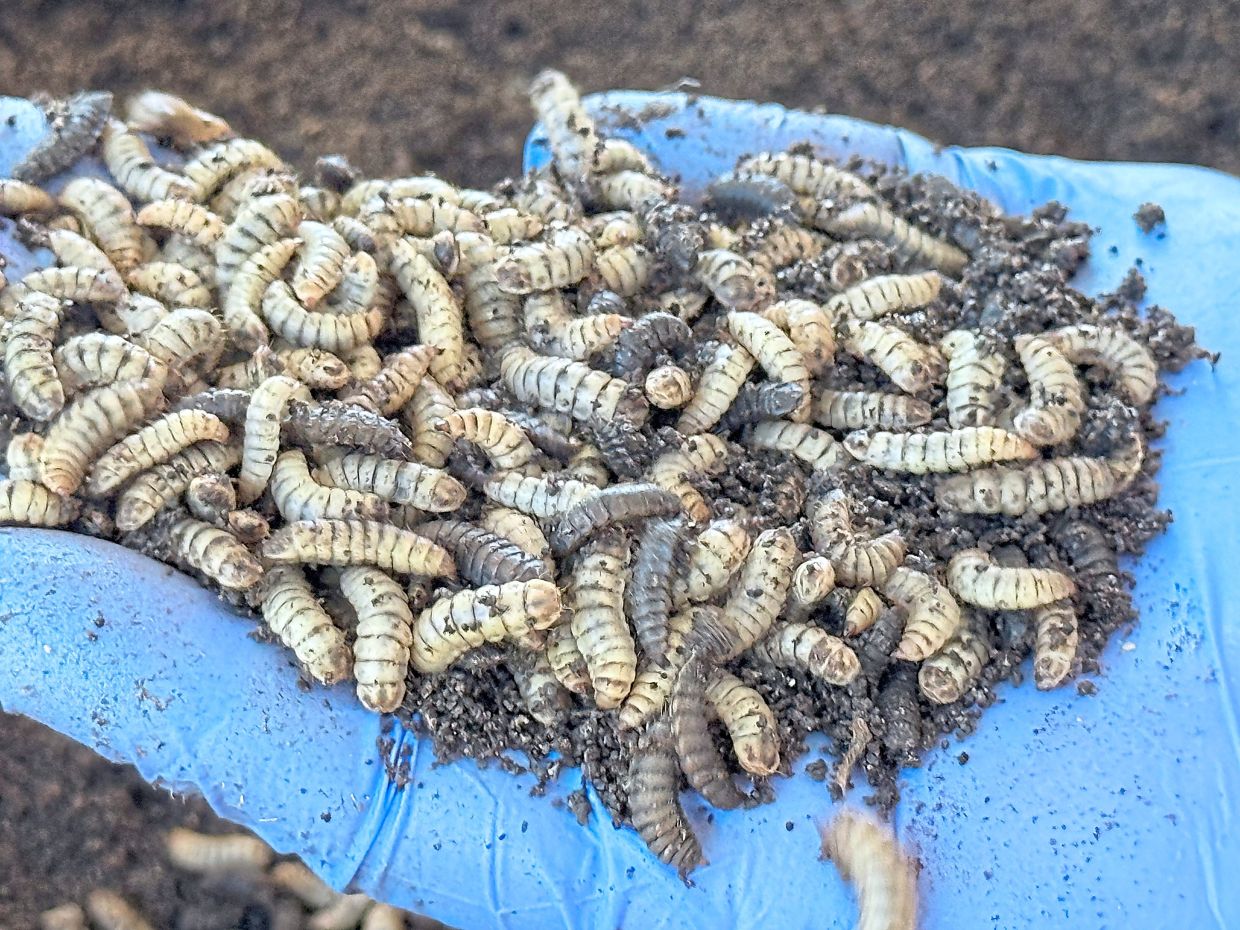
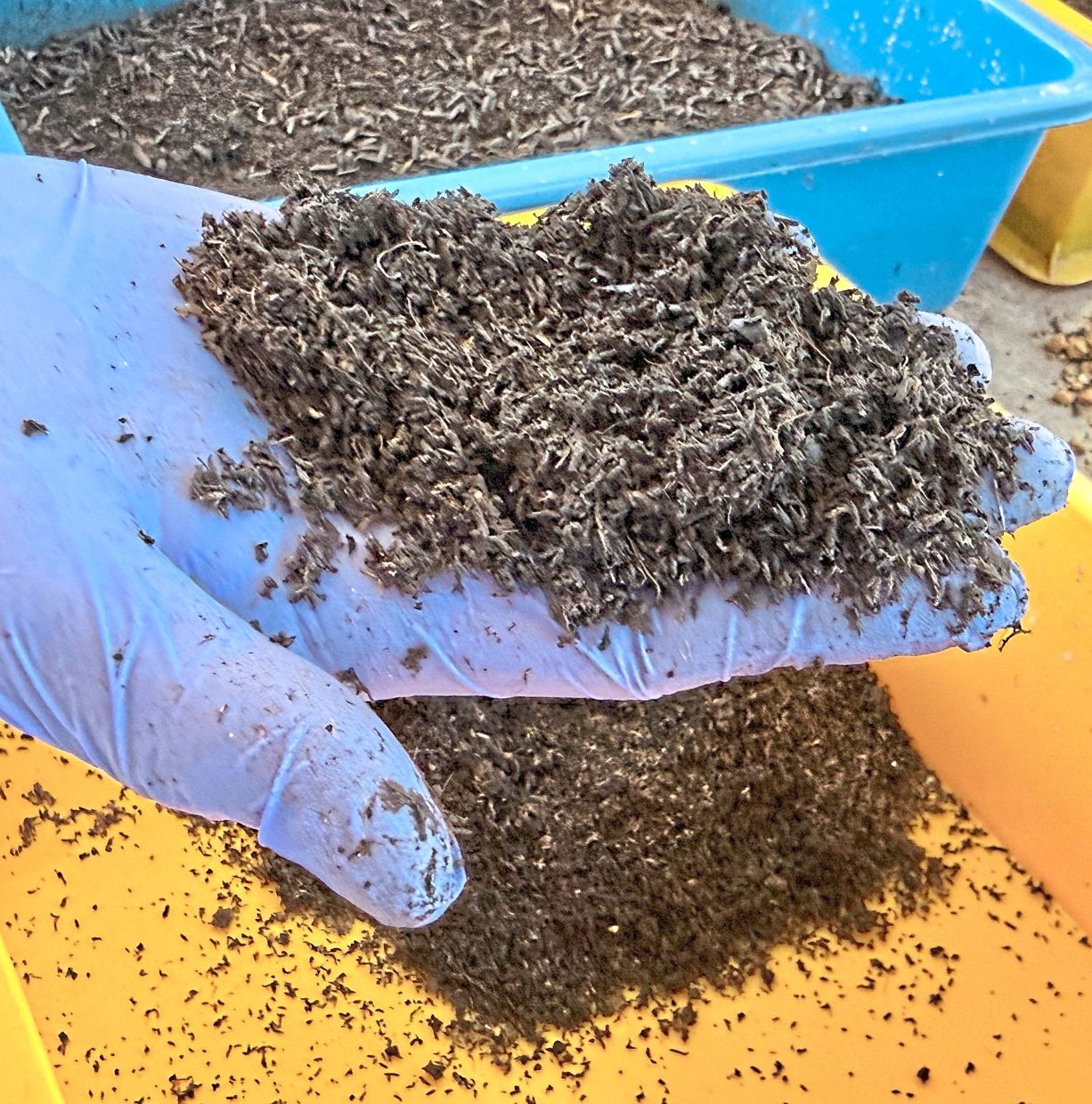
At the Farm Fresh show farm in Universiti Putra Malaysia, dried cow dung is fed to earth worms to produce vermicompost as well as to the larvae of black soldier flies to produce frass.
These high grade fertilisers are being sold at RM8 per kg but not on a wide commercial scale. — By GRACE CHEN
More photos
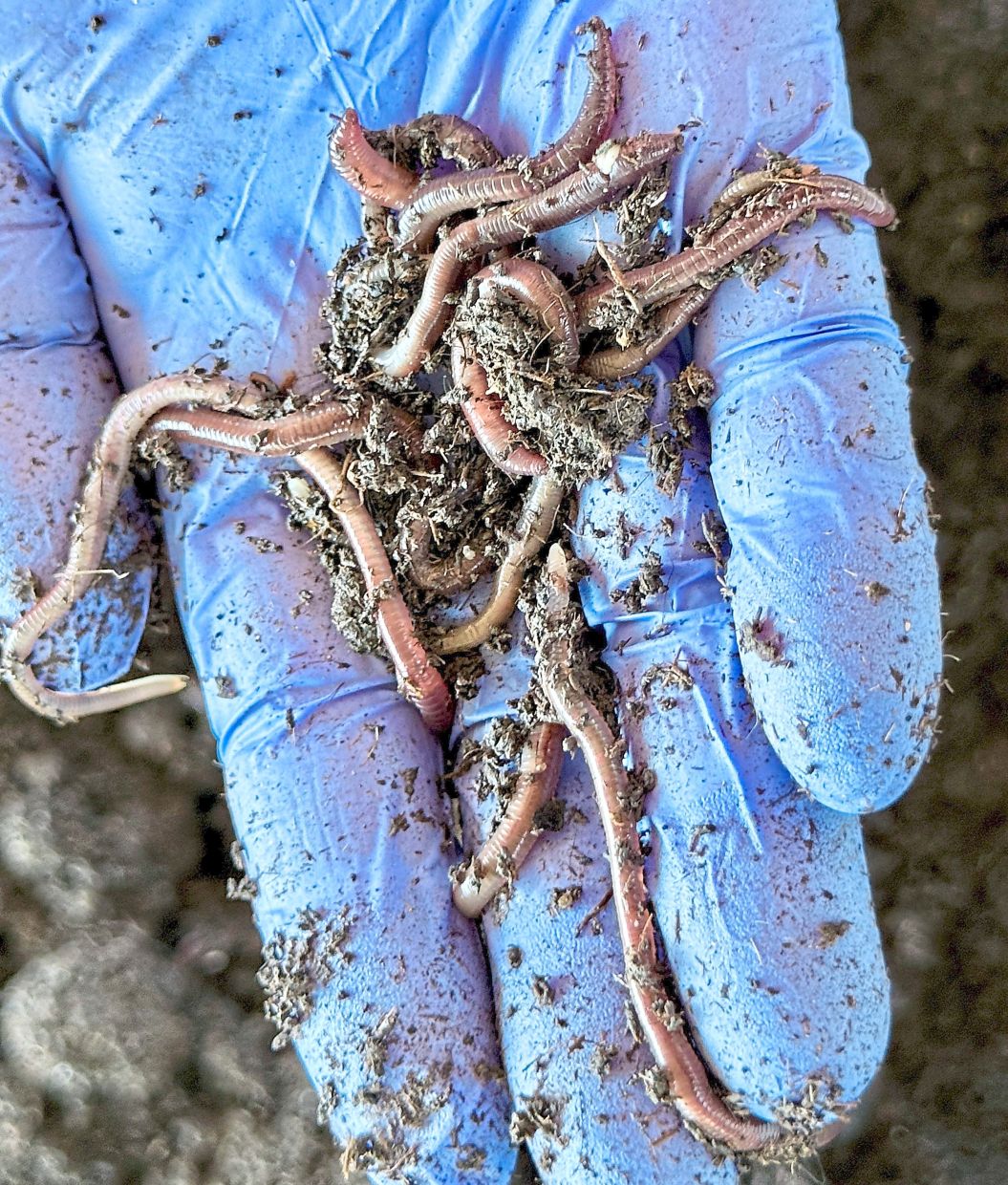
Worms feeding on cow dung with vermicompost being the end product.
Black soldier fly larvae feeding on cow dung, yielding frass which can be used as animal feed.
Close-up of vermicast or worm poop which makes for a high grade fertiliser.