
Facility design allows hotel units to be adapted for senior living
IN the heart of Bandar Tun Razak, Kuala Lumpur, UOA Group’s pilot Komune Care project functions less like a clinical facility and more like a self-contained neighbourhood.
By weaving senior daycare and assisted living into the fabric of a wider hospitality hub, the property investment and development company has created a space where different generations coexist and share spaces.
This vision was conceptualised through Komune Care’s integration with Komune Living and Wellness – a thoughtfully designed ecosystem that blends hospitality, healthcare and community.
“Our vision for Komune Living and Wellness is rooted in inclusivity and holistic care, with a mission to foster intergenerational living, promote healthy habits and create spaces where everyone can thrive together,” said UOA Group property director Cecelia Chan.
Of the 718 units at the property, 577 are operated as hotel units by Komune Living, while 141 are dedicated to elder care services under Komune Care.
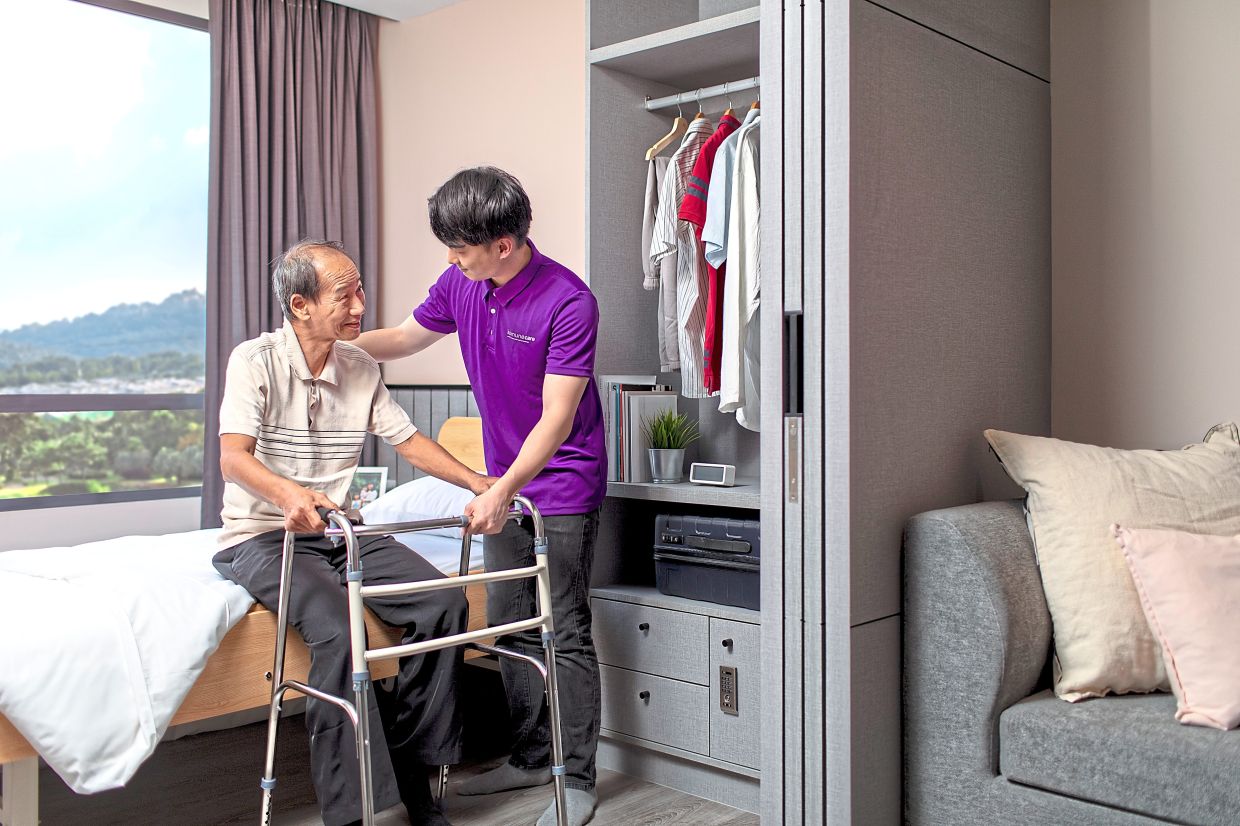
This dual-purpose design fosters intergenerational interaction while ensuring specialised care for senior citizens.
Located next to Taman Tasik Permaisuri, the facility offers direct access to the 49.4ha urban park.
On-site wellness facilities include a traditional Chinese medicine centre, medical and dental clinics, childcare centre, postpartum care centre, wellness and massage centre, and hair and beauty parlour.
Komune Care is a senior daycare and assisted living facility combining professional healthcare services, personalised care plans and meaningful daily living to provide a holistic elder care experience.
Designed to be bright and airy, the space incorporates senior-friendly elements such as single-level floors, lift access and passageways wide enough for wheelchairs.
Access to the park or greenery is important, as is a diverse lineup of activities through facilities such as swimming pools, karaoke rooms, game rooms and gym.
“Komune Care cares for seniors with diverse requirements, including individuals who need assistance with daily living, those managing chronic medical conditions and seniors recovering after hospitalisation.
“It also supports families seeking long-term care, short-term respite stays or structured day care services,” said Chan.
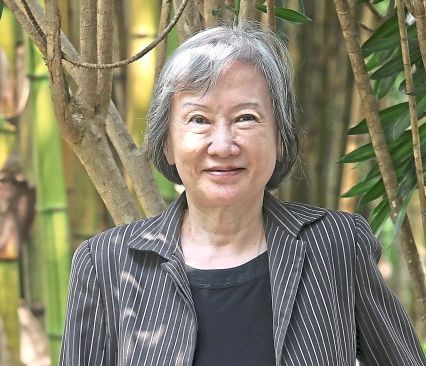
She said families came to Komune Care for everything from long-term support to post-hospital recovery, and the centre’s role was to provide the flexibility and reassurance that helped them feel supported at every step.
Care services include dementia care supported by structured routines and trained caregivers, as well as post-hospital recovery and daytime care for older adults who need supervision, social interaction or basic health support.
Residents stay in comfortable private en suite supported by 24-hour caregiving and nursing services.
“Care is personalised to each resident’s needs,” said Chan.
“It includes assistance with mobility and personal care, medication reminders, health monitoring and nutritionally balanced meals.
“Komune Care has activity and therapy rooms, communal lounges and dining areas, as well as emergency response and monitoring systems – all designed to promote safety, comfort and social connection.”
She added that the facility placed strong emphasis on lifestyle and emotional well-being.
“Residents are encouraged to stay active and engaged through daily exercise and mobility programmes, cognitive and memory stimulation activities, as well as a wide range of social, recreational and cultural activities.
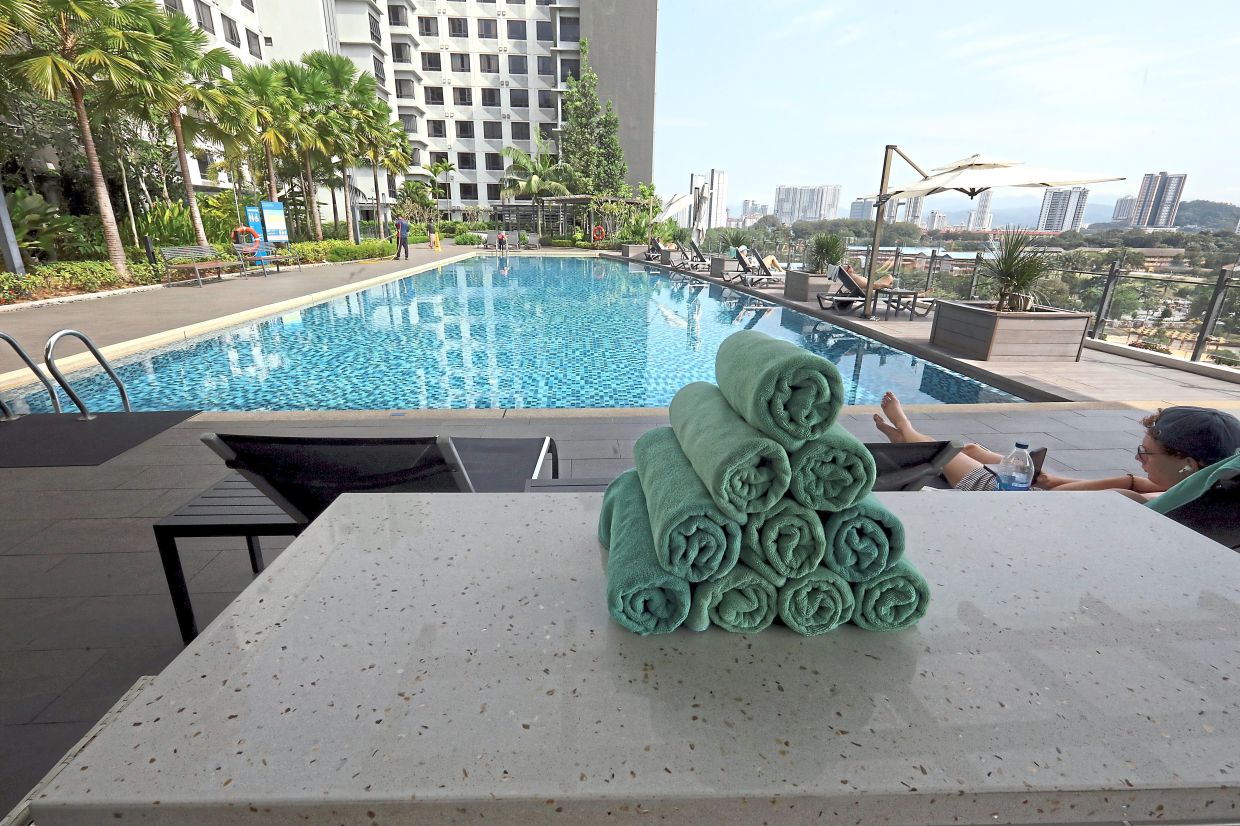
“They are always given the option to join activities and dine as a group or solo,” said Chan, adding that pre-entry screening was carried out to assess the individual’s condition, personality and preferences.
She said the building was designed with flexibility in mind, allowing hotel rooms to be reduced and adapted to accommodate more senior residents as demand for Komune Care grows.
Chan said UOA Group was integrating feedback from Komune Care into similar future projects, with a focus on dementia care – the most demanding sector of elder services.
“This particular form of care requires highly trained staff capable of managing various forms of dementia, ideally maintaining a low caregiver-to-patient ratio to ensure safety and quality of life.
“Malaysia needs more people who are well trained to handle elder care.
“These carers need to have compassion, patience and a caring attitude,” she said.
Chan said UOA Academy, an accredited training centre under Malaysia’s Skills Development Department, actively supported workforce development for Komune Care by offering elderly care training programmes to help bridge the shortage of trained caregivers.
“These programmes equip students with the practical skills and compassionate mindset needed to thrive in caregiving roles.
“Upon successful completion, students are eligible for direct work placement at Komune Care – ensuring a reliable stream of trained personnel while enhancing residents’ quality of care.”
Chan also hoped for more government support for elder care, including subsidies and grants for long-term care, assistance for home caregiving, and access to assistive devices.