Johor’s RM80mil public-private dairy facility in Mersing to boost supply, food security via sustainable methods
JOHOR is positioning itself as a key player in Malaysia’s long-term food security strategy with the development of Jemaluang Dairy Valley (JDV), a modern large-scale dairy hub in Mersing designed to reduce reliance on imported milk.
State agriculture, agro-based industry and rural development committee chairman Datuk Zahari Sarip said the project aimed to strengthen national fresh milk production through modern farming practices and sustainable herd management.
ALSO READ: Dairy valley project set to moo-ve tourism boom to Mersing
He added that the 275ha dairy valley was being developed to ensure a stable and high-quality milk supply to support the country’s growing demand.
“It is directly aligned with the national food security agenda,” he told StarMetro in an interview.
Zahari said Malaysia continues to rely on imports for a majority of its dairy needs, but projects like JDV can help close that gap in the long run.
He had previously stated that the project was expected to reduce reliance on imported milk by up to 20%.
Set to start milk production in January next year, the dairy valley initiative is a collaborative project between the Johor state government, the East Coast Economic Region Development Council (ECERDC) and Jemaluang Dairy Valley (JDV) Sdn Bhd.
It involves an initial investment of RM41.3mil, with total investment of about RM80mil.
It is focused on building a modern, efficient and resilient dairy ecosystem that could operate sustainably under Malaysian conditions.
Zahari said to achieve this, JDV Sdn Bhd selected cross-bred cattle from Australia, a country known for producing breeds that adapt well to warmer climates.
Cattle selection was based on several strict criteria to ensure strong long-term productivity.
“All animals must pass the A2A2 DNA test and demonstrate good adaptability to tropical feed and weather,” he said.
(An A2A2 DNA test determines if an animal, typically a dairy animal, produces milk with only the A2 beta-casein protein, which is thought to be better digested by some people).
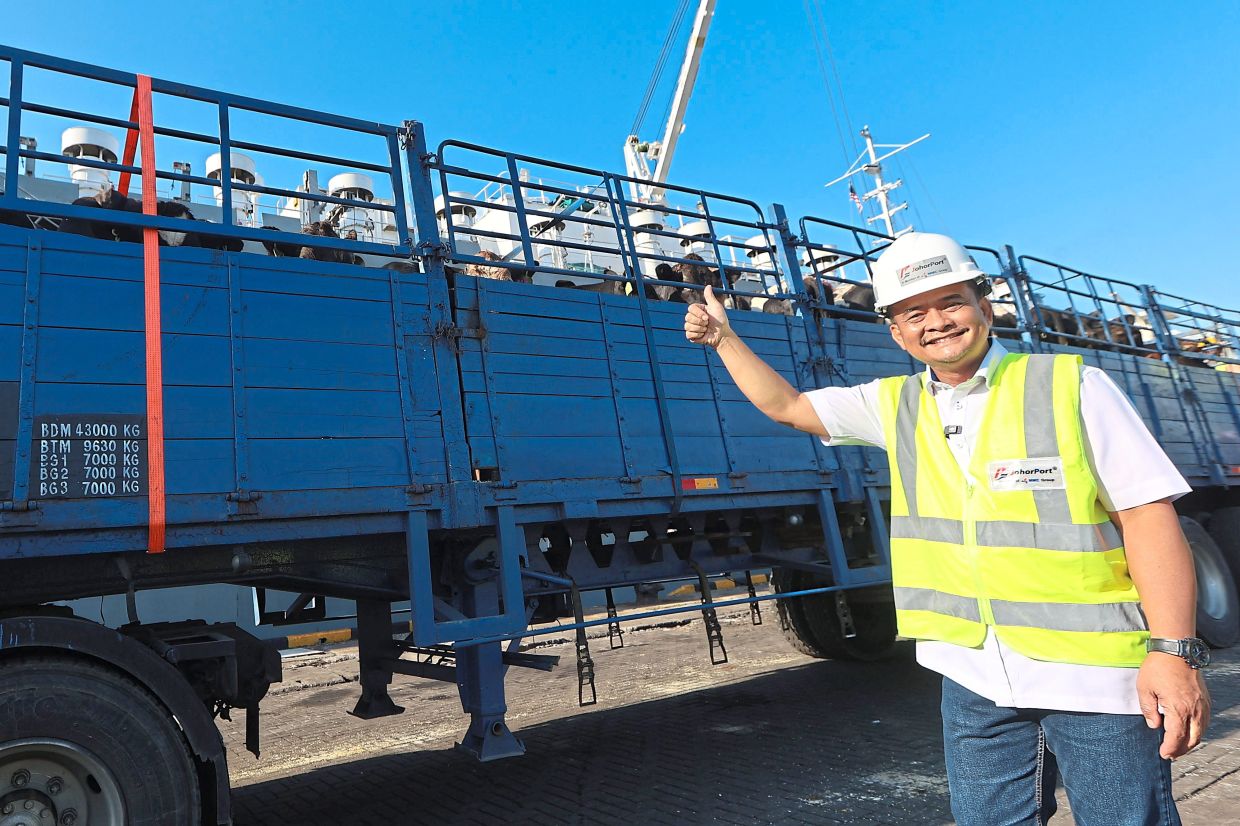
The first batch of livestock – about 1,000 head of cattle – from Australia arrived at the Pasir Gudang Port on Nov 1.
When completed, JDV would have a total of 4,000 cattle.
The Buloh Kasap assemblyman added that health, fertility and overall herd efficiency were among key considerations before importation.
“The project also includes specially designed international-standard cattle housing to help maximise comfort and milk production,” he said.
Zahari said these facilities incorporated advanced bedding systems, cooling technologies and automated management tools.
“These are tailored for tropical conditions so the cattle can remain productive throughout the year,” he added.
He said strict biosecurity measures were also in place at JDV to prevent the introduction of diseases from abroad.
All imported cattle undergo thorough veterinary screening, both in Australia and again after arrival in Malaysia.
“The farm operates under continuous veterinary supervision, including vaccination programmes and controlled access to farm areas.
“These health safeguards ensure that the herd remains disease-free and healthy,” he added.
Once fully operational, the dairy valley is expected to produce about 12 million litres of fresh milk a year.
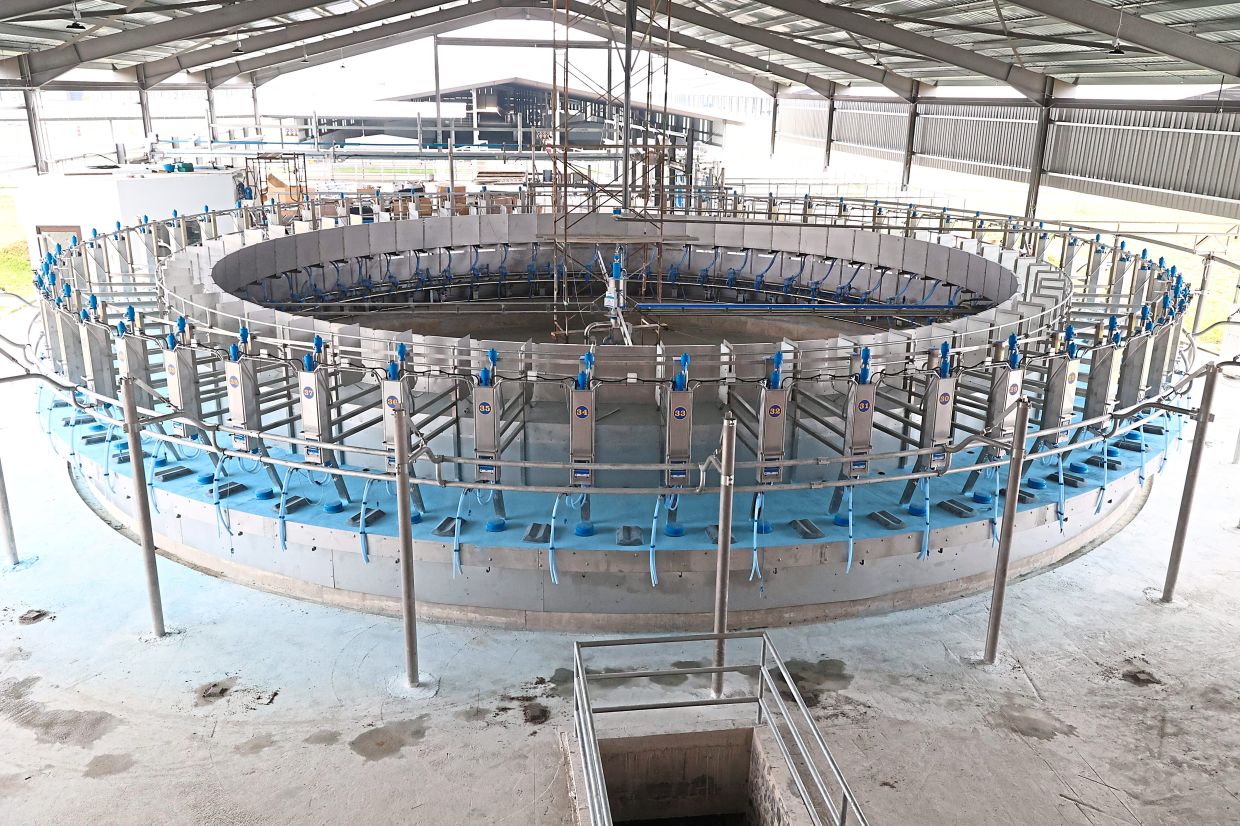
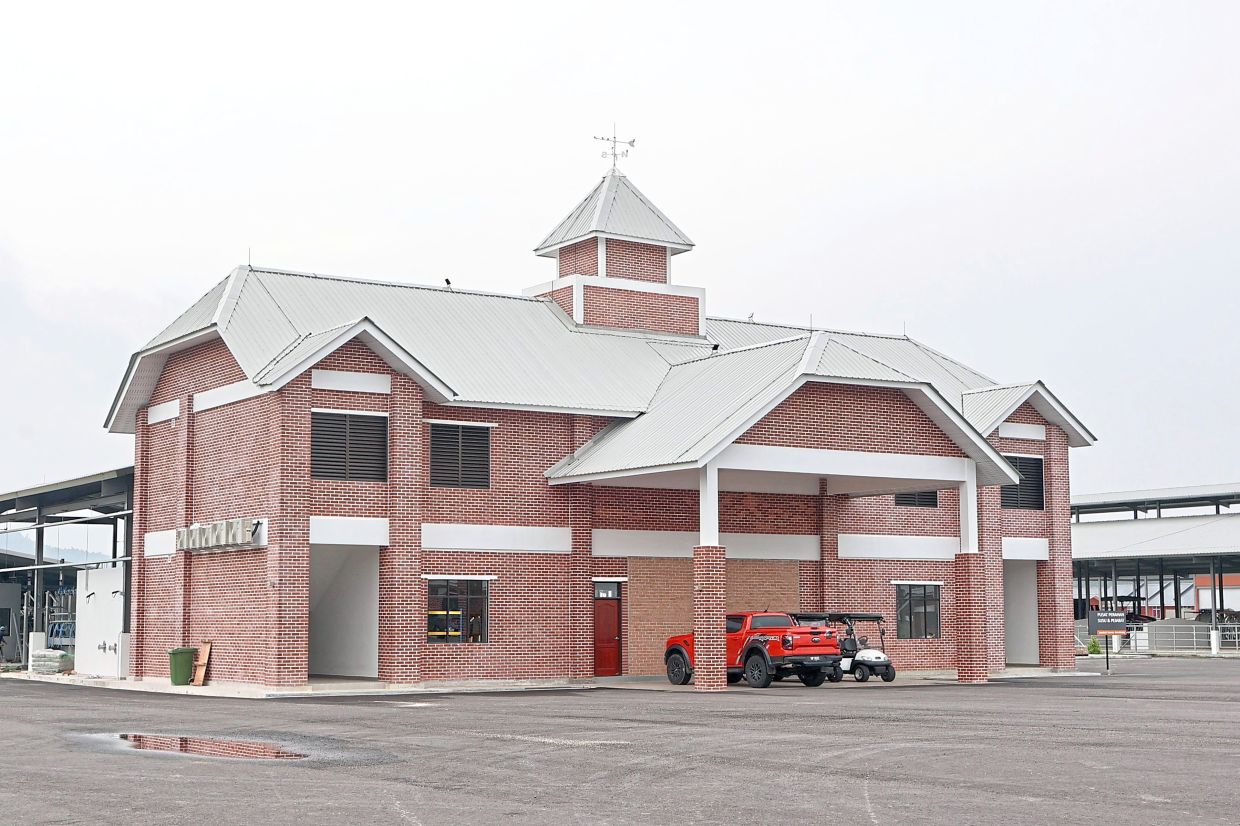
Works are still being carried out within JDV, including the installation of a rotary milking parlour and other machinery to equip the valley with the latest farming technologies, which is expected to be completed in December.
Besides this, there will also be a specially designated area within JDV to promote agro-tourism activities for visitors.
Zahari said plans were already underway to expand production as the farm matures and national demand grows.
“We are also developing our downstream facilities, which should be completed by the end of 2026,” he added.
Zahari said local communities in Jemaluang and the wider Mersing district were already seeing economic benefits from the project.
He added that the initiative had created job opportunities and training for locals, while boosting local businesses and suppliers.
He said agro-tourism was also part of a long-term plan to further stimulate economic activity in the area.
“We want this project to generate sustainable economic growth for Jemaluang and Mersing as a whole,” he said.
Zahari added that the dairy valley would also collaborate with local universities once operations stabilise.
He said these partnerships would focus on research, technology development and farmer training.
“This will help local farmers adopt modern techniques and best practices in dairy farming,” he added.
Zahari said advanced technology was a major feature of the farm’s operations.
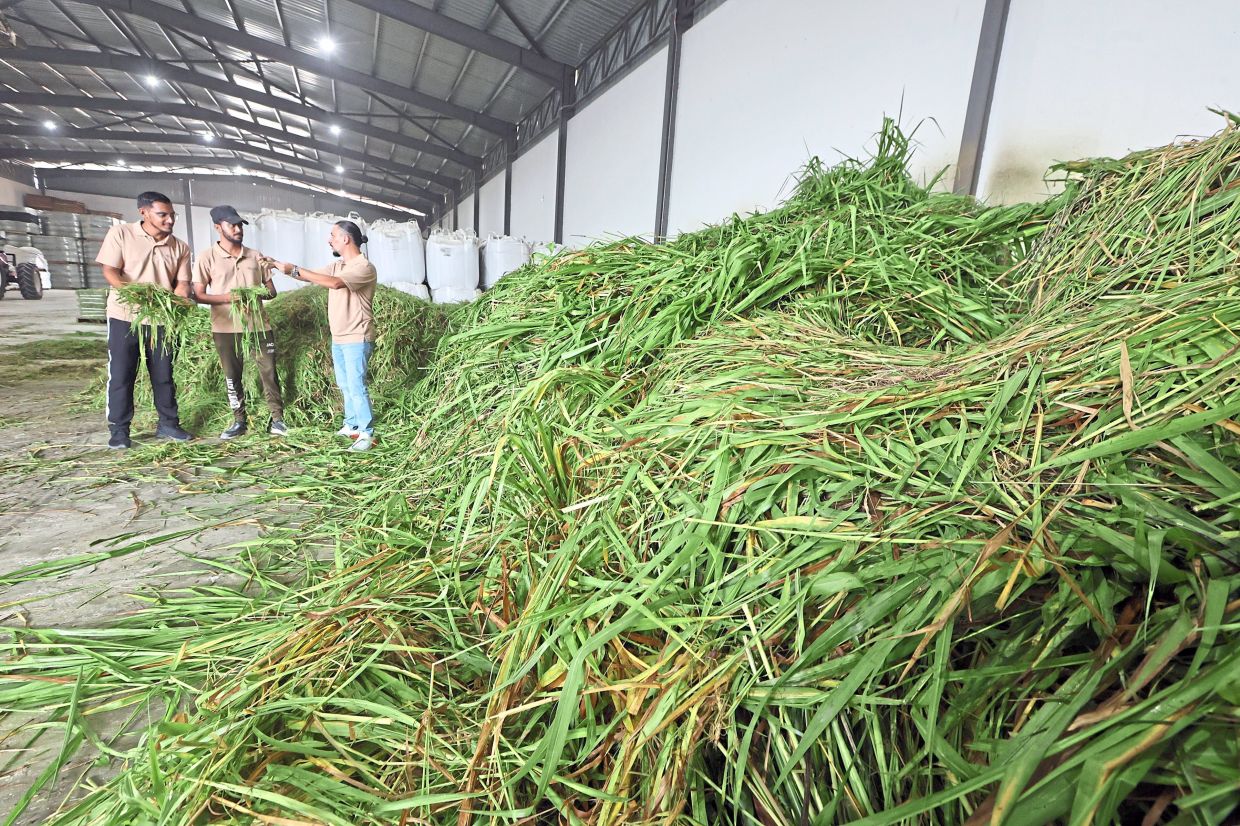
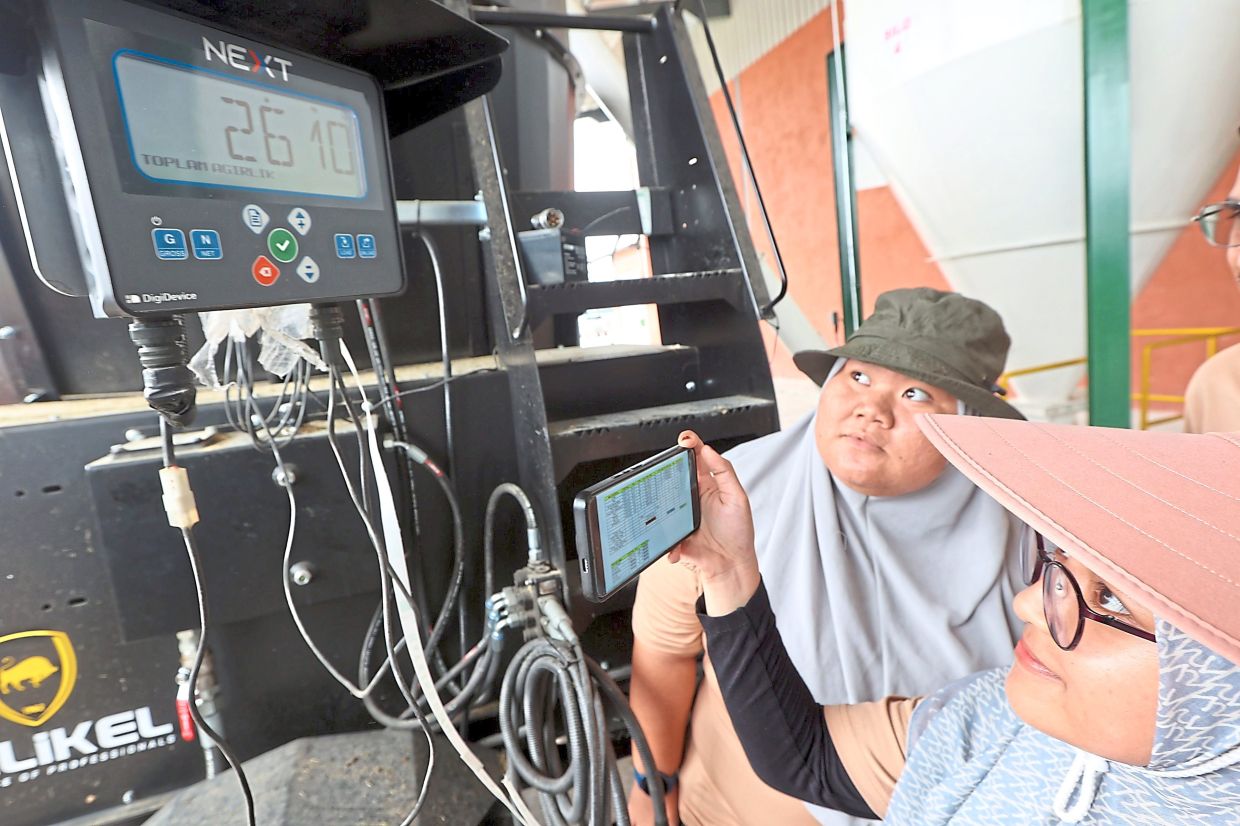
This includes a mechanised feeding system that automates feed distribution and tracks inventory in real time.
Zahari said the farm, which is about 20 minutes’ drive from Jemaluang town, was equipped with a state-of-the-art rotary milking parlour that records production data, feed intake, pregnancy status and herd health indicators.
“This allows us to achieve optimal efficiency and maintain high levels of animal welfare,” he said.
Besides using latest technologies in its dairy production, sustainability is another core focus of the dairy valley.
The farm uses an integrated waste management system from Italy that converts animal waste into organic fertiliser, he said.
“This reduces environmental impact and supports long-term ecological balance.
“A dedicated training centre will be established after the third year of operations to develop local talent,” he said.
Zahari said through JDV, Johor aimed to become a regional agricultural learning hub with the launch of this centre.
“The state and federal governments have provided support through approvals, infrastructure facilitation and technical guidance.
“These collaborations have been instrumental in establishing the dairy valley as a modern, sustainable project,” he added.
Like any large-scale agricultural development, the JDV project has faced challenges.
Zahari said these included cattle adaptation, infrastructure setup and ensuring consistent feed supply.
He said the team addressed these issues through careful planning and adherence to international best practices.
Looking ahead, Zahari hopes JDV will expand into agro-tourism, education and other related fields.
He said the long-term goal was to build a lasting agricultural legacy for Johor and Malaysia in general.
“Our vision is to create a sustainable and impactful model that supports national food security and benefits the community,” he added.