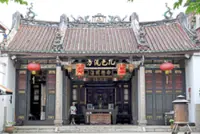
WHILE the Teochew community was not regarded among the larger Chinese sub-groups in Penang’s early days, its impact has been undeniable.
According to Penang Heritage Trust president Clement Liang, the Teochew community left a strong, lasting mark on the state even though its numbers were smaller than that of the Hokkien and Cantonese.
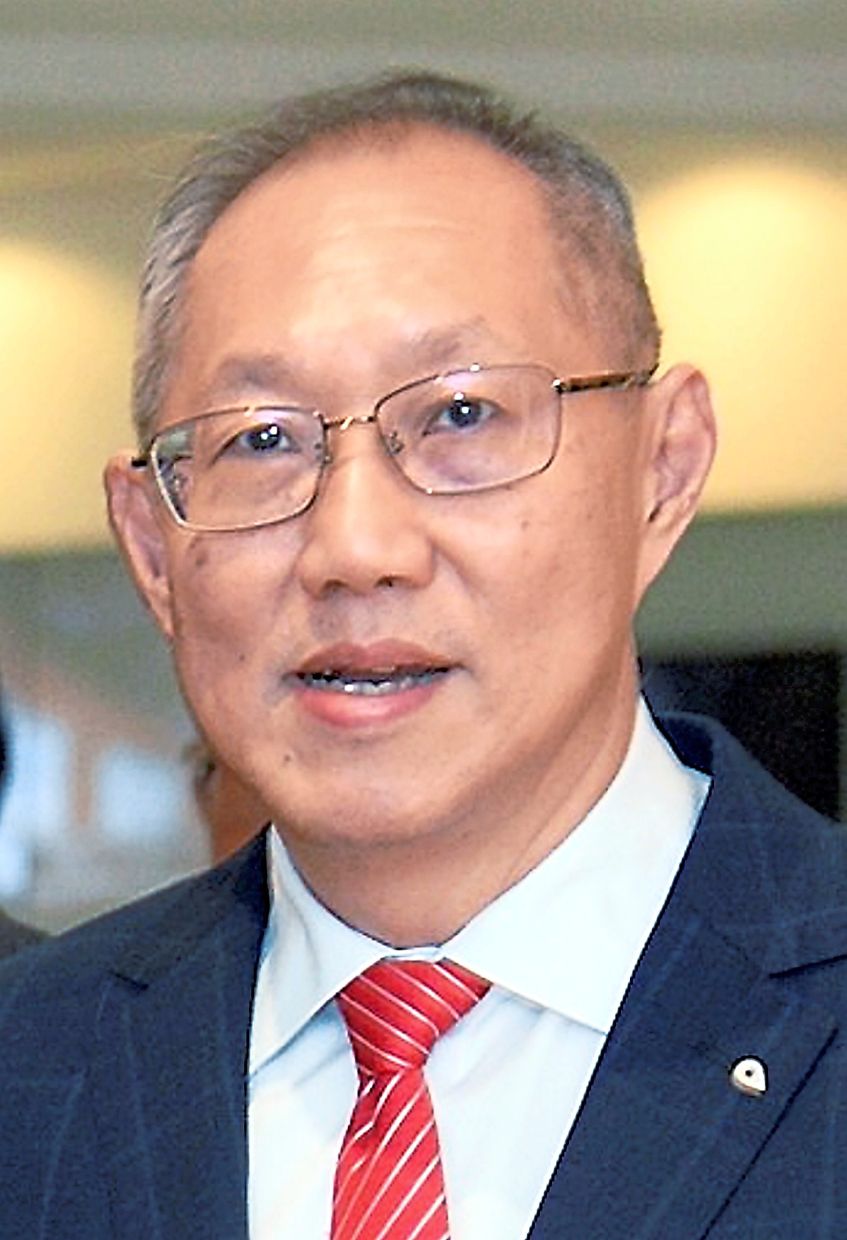
“They contributed through business, trade and philanthropy, supported education and helped improve social welfare.”
Liang said Teochews also played a key role in commodity trade, especially rice and food supply.
“The Teochews dominated in places like Bangkok’s Chinatown.
“Hong Kong tycoon Li Ka-Shing is another example of a successful Teochew businessman, who rose from humble beginnings to great wealth,” Liang said.
The Teochew community, whose roots in Penang can be traced back to the mid-19th century, was renowned for its humility and frugality.
Their presence in Penang is reflected in Han Jiang Ancestral Temple in Chulia Street, built in 1870 following the establishment of the Teochew Kongsi clan house on Beach Street in 1855.
Today, their quiet resilience, strong work ethic, entrepreneurial spirit and understated influence in both business and society have earned them respect within the Chinese community.
Penang Teochew Merchants Association chairman Toh Choon Guan, whose grandfather migrated to Penang in the early 1920s, said the traditional perception of Teochew people as being thrifty remained accurate.
“We are known to spend only 10% of our earnings and save the remaining 90% for rainy days.
“This can be attributed to our origins in the Chaoshan region of eastern Guangdong, China, an area marked by hilly, rocky terrain and poor arable land.
“Survival there demanded frugality, discipline and careful planning,” he said.
Toh, 58, added that his grandfather was among the first Teochew settlers in Nibong Tebal.
“He began working as a labourer at a local port and eventually opened a small grocery shop in town, which my father and uncles later expanded into a wholesale business that served clients nationwide,” said Toh, who is on the board of directors of Teo Guan Lee, the family business which grew into a public-listed company.
Toh said many Teochew folk in Penang were historically involved in producing ceramics, religious paraphernalia and construction materials, while some worked in agricultural industries such as rice milling along the Kedah border or fish trading near the Perak coast.
“By the early 20th century, the Teochew had become key players in Penang’s bustling wet markets and harbour trade, particularly in areas like Weld Quay and Campbell Street.
“Their ability to connect rural produce to the urban economy made them vital to Penang’s commercial development.
“By the 1970s, many had diversified into construction, electrical goods and small-scale manufacturing.
“Today, prominent Teochew families are active in sectors such as real estate, logistics and finance,” he said.
Penang Teochew Merchants Association, established in 1933, now has over 300 members.
Despite rapid modernisation, Toh said core Teochew cultural values continued to influence business practices.
“Teochew culture emphasises thrift, long-term trust and multi-generational planning.
“That’s why many of our businesses remain family owned and are managed conservatively.
“Important decisions often involve input from elders, and maintaining strong relationships is essential to sustaining partnerships and trust.
“Integrity and humility, values deeply ingrained in Teochew upbringing, still guide how we negotiate, collaborate and grow,” Toh added.