
ENGLISH tutor Albert Tay is well aware that his three sons will not settle in Sibu after completing their university studies in Kuching.
“They are very likely to remain in Kuching, as Sibu lacks job opportunities. Kuching is their future, especially with the rapid development happening there,” he remarked.
The Tays are Teochew, part of a minority Chinese clan in Sibu. However, their community is gradually shrinking.
“There are fewer children being born to Teochew families, and even fewer parents who both speak the Teochew dialect,” Tay noted.
A population in decline
This demographic shift is a pressing concern for Penghulu Chua Hiong Kee, honorary life chairman and adviser of the Teochew Association Sibu.
“Our numbers are on a downward trend, and it is very difficult to reverse this. I have personally seen many Teochews migrating elsewhere, including overseas.
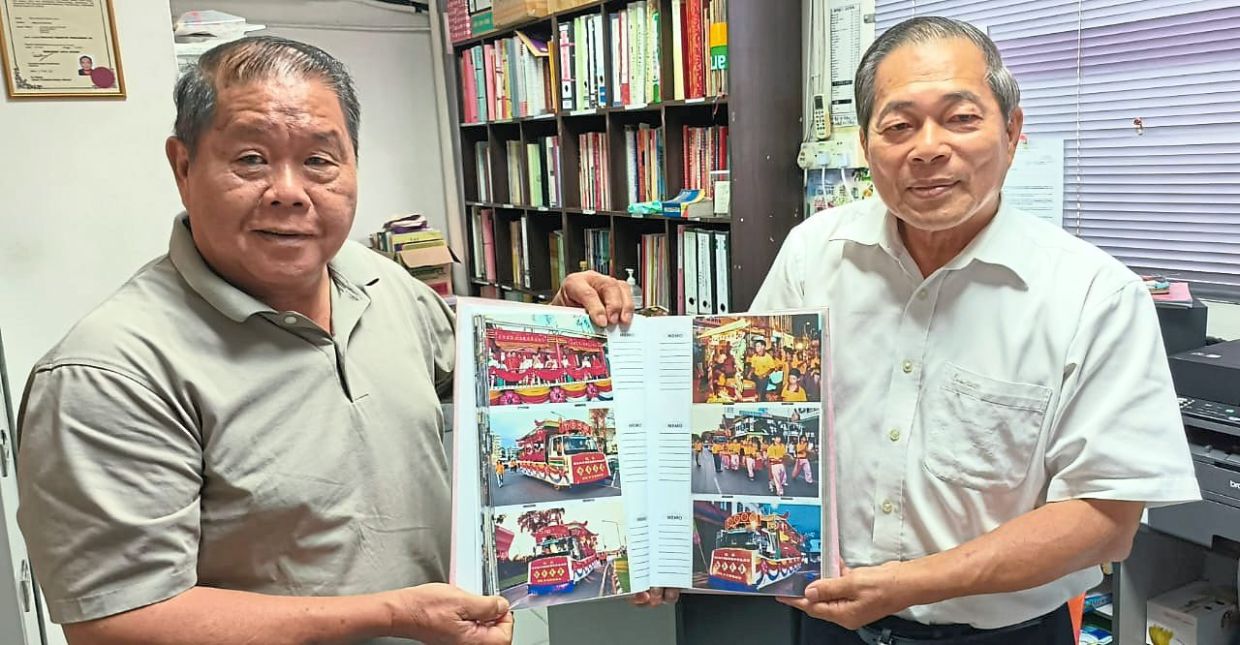
“Take my family, for example – there are eight of us, but six of my siblings left the town long ago,” he said.
Chua estimates that only about 2,000 Teochews remain in Sibu, a town with a population of 248,064 according to the 2020 census. The Chinese community comprises approximately 63% of the total population.
He said that young Teochews are not returning after completing their tertiary education.
“The majority of Teochews in Sibu now are elderly. They hope their adult children will return, but that is unlikely, as they need job opportunities.
“Traditionally, our community ran sundry and textile shops, but many of these businesses have closed because the younger generation is not interested in continuing them,” Chua lamented.
Sibu’s Teochew legacy
Chua recalled that the Teochew community was once the main supplier of essential goods in central Sarawak.
“Those were the good old days. Since there were no successors, the pioneers were eventually forced to close shop,” he said.
According to British colonial records, Teochew settlers arrived in Sibau (as Sibu was formerly known) from China by boat as early as 1860 – predating the arrival of other Chinese clans such as the Foochow, Hokkien, Hakka, and Hin Hua.
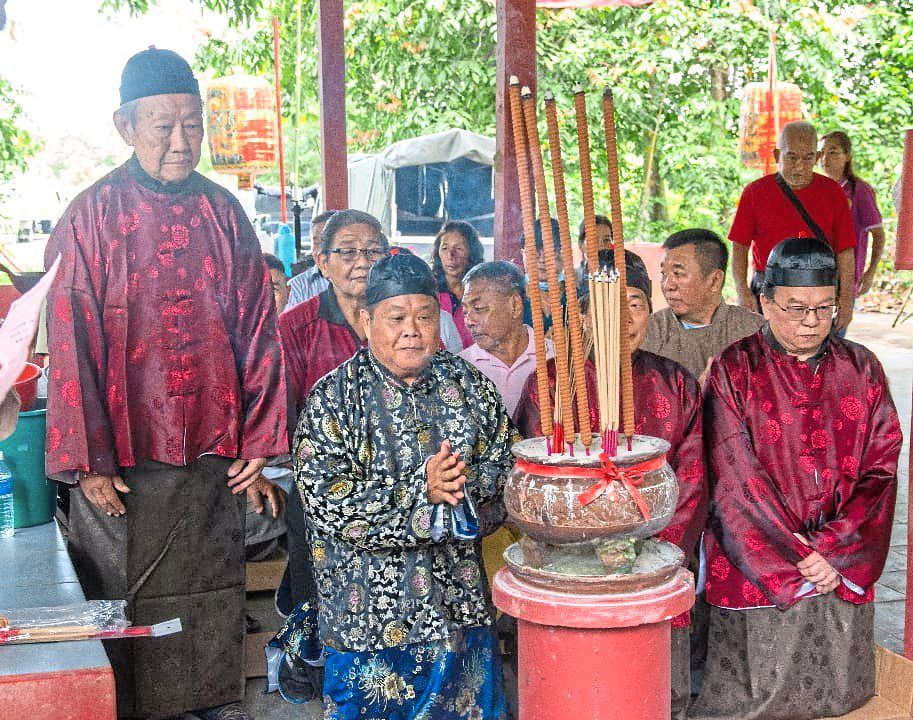
“There is a Teochew graveyard on Pulau Kerto (on Sibu’s western bank) where the earliest Teochew settlers were laid to rest. The Brooke dynasty designated this site as a Teochew graveyard in 1862,” Chua said.
Rich history, challenging future
Founded in May 1938 as the “Teo Khiaw Recreation Club”, the Teochew Association has an 87-year history. During the Japanese Occupation, its leadership was arrested along with other overseas Chinese community leaders.
After the war, the association was re-registered on Jan 1, 1948 under its current name.
For many years, it operated out of a rented shophouse until fundraising efforts in 1956 led to the construction of its own building.
Completed in 1964, the building on Jalan Sanyan was officially inaugurated by Sarawak’s first governor, Tun Abang Openg Abang Sapiee, on May 22, 1964.
“Although we are a minority group, we were the first association to establish a youth section in 1976. In those days, most non-governmental organisations were led by senior figures.

“If we want the association to thrive, we need young people with fresh ideas to run it systematically,” Chua stated.
Today, with 700 members, the association plays a crucial role in preserving Teochew culture, fostering ties with other Chinese clans, and building relationships with the Malay and indigenous communities.
“During our annual Chinese New Year open house, we welcome not just Teochews, but Chinese from other dialect groups, as well as Iban, Malay and other ethnic communities. Our aim is to promote a harmonious society,” he emphasised.
Keeping traditions alive
Each year, during the Ching Ming Festival, Teochew clanspeople of all ages gather at the Pulau Kerto graveyard to honour their ancestors.
“The ceremony is conducted with great reverence and solemnity, accompanied by the beating of drums and gongs at intervals. This annual memorial service is a long-standing tradition that will be upheld for generations to come,” Chua assured.
The association also sets up a stall at the Borneo Cultural Festival (BCF) to promote Teochew cuisine and showcase traditional music and dance performances.
“We are committed to preserving our Teochew culture, heritage, and mother tongue. Otherwise, they may disappear one day,” Chua said.
The task ahead is challenging, but with strong support from its members, he believes the association can keep the Teochew legacy alive in Sibu for years to come.