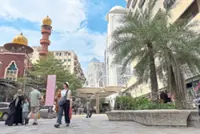
IN May 2020, an unexpected phenomenon captured the attention of Kuala Lumpur’s residents – a silver date palm tree (Phoenix sylvestris) near Masjid India began to bear fruit, drawing large crowds.
This rare event prompted a visit from then-mayor Datuk Seri Nor Hisham Ahmad Dahlan who climbed a ladder to inspect the golden-yellow fruits closely.
This tree was among 34 planted around Masjid India and Masjid Jamek area as part of the River of Life beautification project, aiming to create an oasis-like atmosphere in the bustling urban landscape.
Horticulturists considered its ability to fruit in Kuala Lumpur’s climate nothing short of miraculous, given the species typically requires temperatures up to 40°C to thrive.
Urban orchard in the city
Five years on, the enthusiasm for urban fruit trees remains strong.
Kuala Lumpur City Hall’s (DBKL) Landscape and Recreation Department director Puteri Khairul Fathiah Fahimudin proudly stands beside a fruit-laden mango tree at Taman Dusun Bandar in Jalan Bellamy.
This park, built on the site of a former squatter settlement known as Kampung Delima, represents a significant achievement in urban greening.
“We have created a living classroom with over 300 species of fruit trees,” she said, pointing to varieties like jackfruit, cempedak, rambutan, durian and mango.
They also have unusual species like velvet apple, perah and malva nut, an essential ingredient in the making of a dessert known as “leng chee kang”.
The park’s productivity is remarkable. From January to July, it yielded 12 jackfruits, 55 cempedak, 11 durian and an impressive 42kg of mangoes.
“Fruit trees in areas under DBKL’s purview are not cultivated as extensively as one will see in an orchard, but are planted in a scattered manner.

“But while these fruits may look like they are just ripe for the picking, hands off!” said Puteri Khairul.
“As the main objective is centred on ecological health, education and research, DBKL does not allow the public to pick the fruits, for fear that a ‘free for all’ situation may damage the entire tree.
“The fruits are also not marketed commercially but two years ago, following a bountiful harvest of rambutans from Taman Metropolitan Batu, they were sold to staff and visitors at DBKL’s Tower 3.
“We want people to enjoy the fruits but also respect the trees,” the director added.
Connecting green spaces
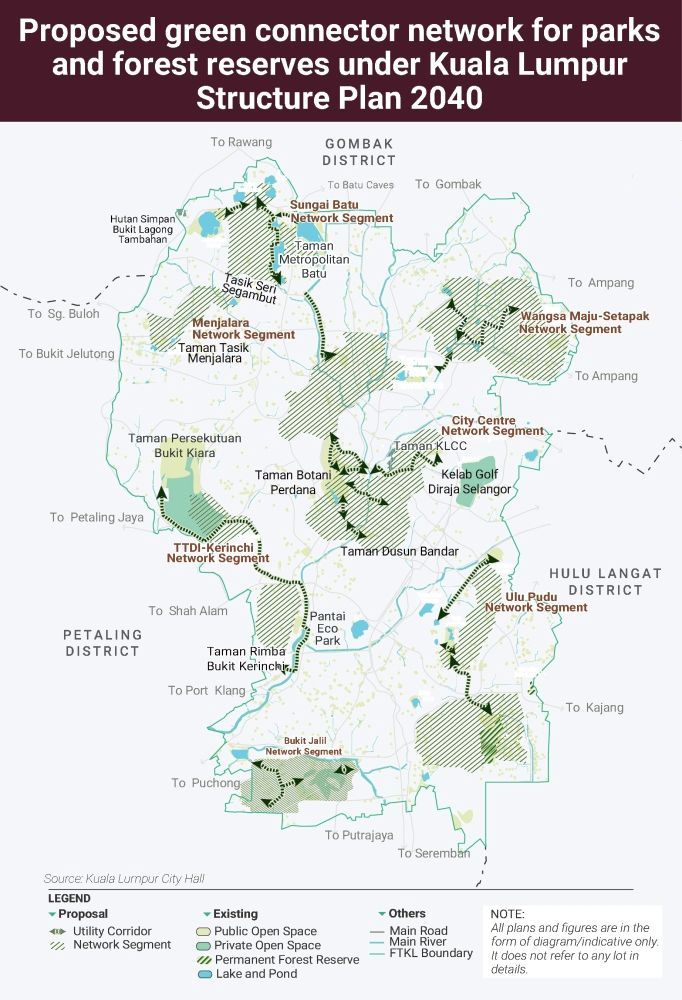
DBKL’s initiative extends beyond individual parks, aiming to cultivate more fruit trees along the city’s “green connectors” linking parks, rivers and urban forests.
The proposed network, which is in the Kuala Lumpur Structure Plan 2040, is designed to enhance air quality and biodiversity while providing residents with more green spaces for walking and cycling.
“All in, the network will cover a distance of 270km, connecting the city’s 16 parks with core forest areas.
“Fruit trees serve as sustenance for wildlife, allowing them to traverse these connectors,” said Puteri Khairul.
These trees not only support wildlife but also play an educational role, particularly for younger generations unfamiliar with fruits like tamarind in their natural form, she added.
In Putrajaya, the Taman Warisan Pertanian boasts the highest concentration of fruit trees.
“We have got everything, from mangosteens and mango to lychee and even rare species like the bumpy-skinned nam nam which look like bullfrogs, and can be found at the lakesides and pocket parks of precincts 18 and 9,” said Putrajaya Corporation Landscape and Park Department’s horticulture management division director Haris Kasim.
“These fruits are primarily for wildlife, but they also educate the community,” he said.
In explaining the introduction of fruit trees in the federal territory’s landscape design, Haris said one crucial element that needed to be taken into consideration was fauna, which is the type of wildlife that can be found in the area.
“As Putrajaya is also home to a wildlife sanctuary in the form of the Wetlands Park, our fruit trees are also rest stops for birds.
“During their migratory trips or when they fly across the lake, they can perch on the branches and find food from these trees.
“The fruit trees are also meant to cater to squirrels, monkeys and bats, which can look to the fruits as a food source,” he said.
Ecological considerations
The selection of fruit trees requires careful consideration of local wildlife needs and urban design constraints.
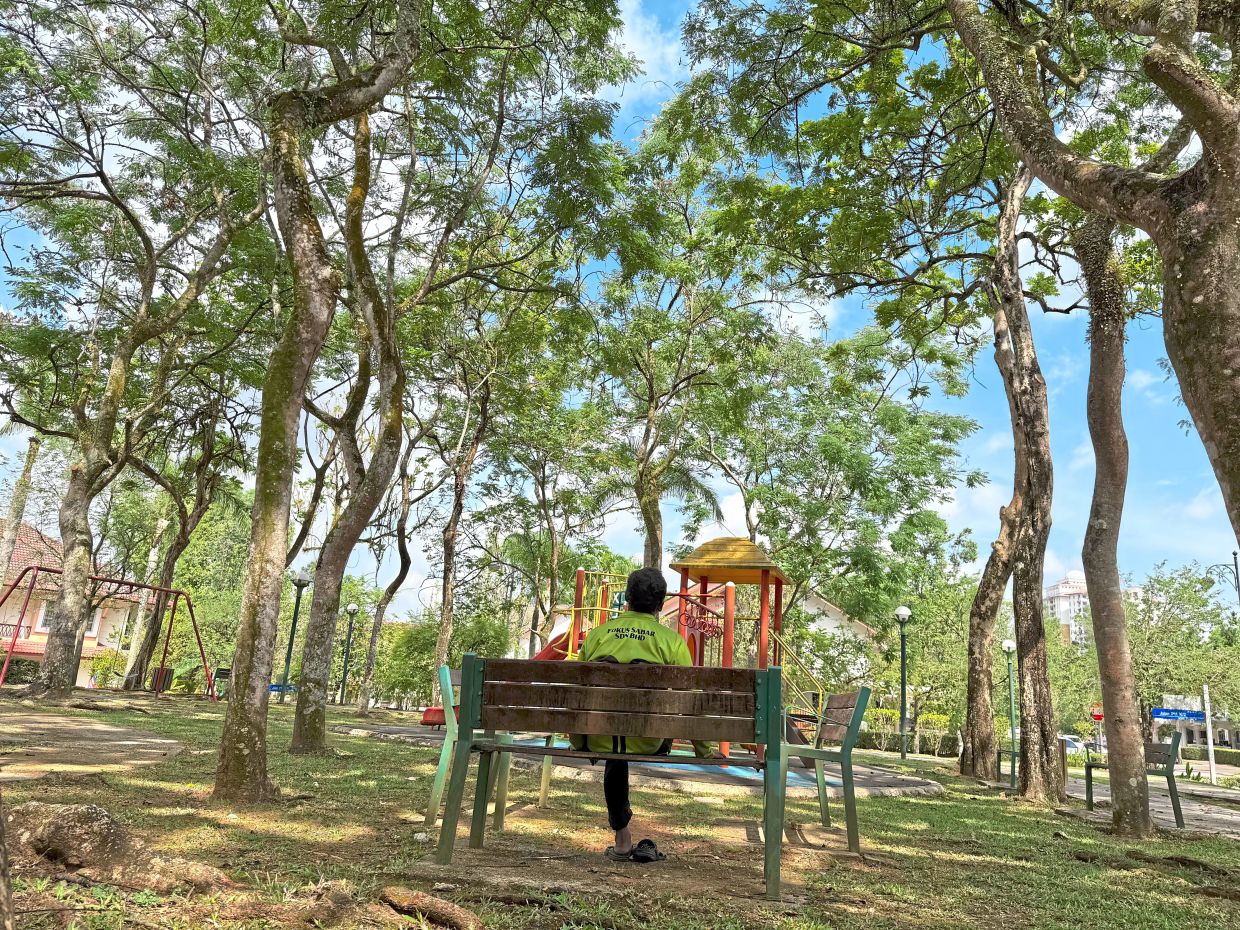
Haris said rose apples and tamarind trees, for instance, were ideal for playgrounds and public spaces due to their light, small fruits and the cooling shade they provide.
“Safety is paramount.
“If say, coconut trees or any other species with fruits that are too large are planted at roadsides, falling fruit may injure passers-by or damage vehicles.
“Pulp and skin that have fallen onto pavements may cause pedestrians to slip and fall,” he elaborated.
In the case of rose apples and tamarind trees respectively planted at Lebuh Bestari in Precinct 17 and surrounding perimeter of a children’s playground at Jalan P11 K/12 in Precinct 11, Haris pointed out that the fruit produced by these species were light and small.
They also have a winning benefit whereby the canopies of these trees are able to provide cooling shade.
Cultural significance
Fruit trees also hold a deep cultural significance, said Assoc Prof Nor Atiah Ismail, who is president of the Institute of Landscape Architects Malaysia (Ilam).
In traditional Malay villages, coconut trees are symbols of self-sufficiency and are often planted to commemorate births.
“These trees mark important life events and show how intertwined nature is with our culture,” she explained.
However, the planting of fruit trees in urban areas has not always been smooth.
In the mid-1990s, conflicts arose in a residential area in Setiawangsa when some mango trees bore fruit while others did not, leading to disputes among residents.
But Nor Atiah said such views were changing in the face of climate change, food security and biodiversity issues.
“When it comes to planning for urban landscapes today, the emphasis is always on preserving a healthy ecology in an urban area,” she said.
“When selecting low-maintenance plants, we often overlook the risk of overplanting a single species across the city.
“We can learn from a neighbouring country, which faced a decline in bee and butterfly populations due to a focus on aesthetically pleasing trees during the 1970s and 1980s.
“In response, they began rewilding their parks with wild flowers and fruit-bearing species to promote pollination,” she noted.
Examples of edible landscapes in public spaces include the parks in Putrajaya and Kuala Lumpur, including KLCC Park.
Officially opened in 1998, KLCC Park was intentionally planted with rambutan, guava and mangosteen trees during the design implementation to increase diversity and public awareness.
Today, urban landscapes are increasingly designed with climate change and food security in mind, focusing on ecological health.
“Design principles must match species to their environment, considering factors like size, soil and community engagement,” Nor Atiah emphasised.
“It is about creating harmony between urban development and natural ecosystems.”
She offers several pointers:
“Fruit trees should be planted in areas where communities can actively harvest the fruits, preventing maintenance and nuisance issues.
“Large fruit trees, such as rambutan and mangosteen, are best suited for parks and community spaces, away from high-traffic areas.
“Mangosteen and langsat trees, which tend to attract ants, are not ideal for residential areas.
“For road verges and boulevards, consider small to medium species like local cherry trees, which are popular with birds and squirrels.
“Tamarind trees should only be grown in locations where residents can realistically harvest them, such as neighbourhoods, rather than along busy roads.
“Larger fruit species can be planted in green buffer zones near housing developments and at the edges of forest reserves.
“These fruit belts help prevent wildlife from encroaching into residential areas.
“Additionally, forest fringes can be enriched with bananas and papayas to prevent wildlife starvation and reduce road accidents,” Nor Atiah added.
Enhancing urban spaces
Professor Rosli Ramli, an expert in ornithology and mammalogy at Universiti Malaya, underscores the importance of fruit trees in enriching urban green spaces.
“Wildlife enhances urban areas by controlling pests and facilitating pollination,” he said.
However, selecting the wrong flora can attract pests such as crows, highlighting the need for informed planning by landscape architects.
“We must be mindful of the ecological balance.
“We have to think about where each tree will thrive best and what wildlife it will attract.
“It is not just about planting; it is about creating a sustainable ecosystem,” he said.
Prof Rosli also noted that urban areas could not afford to be devoid of wildlife, as they play a critical role in maintaining stable ecosystems.
Many plants rely on wildlife for pollination, and certain species help control pest populations.
“Creating urban green spaces without wildlife is challenging and potentially counterproductive,” he stressed.
“It is essential to integrate nature into our cities for a sustainable future.”
The process involves collaboration with ecologists and urban planners to ensure that the trees contribute positively to the environment without causing unintended consequences, Prof Rosli added.