Craftsmen, association invest efforts to preserve ‘gasing pangkah’ for future generations
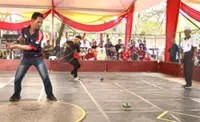
THE WOODEN top soared through the air, its rope snapping free in a whip-crack before landing on the ground.
It spun fiercely, humming low as the crowd held its breath. Within seconds another top whizzed across the field.
The two collided with a sharp crack, sending one wobbling off balance as cheers erupted from the sidelines.
ALSO READ: Foreign teams among 200 competitors at gasing contest in PJ
This is not just a game, this is gasing pangkah — a centuries-old sport steeped in history.
“Gasing” refers to the spinning top while “pangkah” means strike hence the term ‘striking tops’.
Once the pride of kampung life, it is now a living heritage fighting for survival in a fast-changing world.
Spinning legacy
Gasing pangkah’s history dates back to the Malay Archipelago, having been brought in by Arab traders to this part of the world.
Based on the book titled Traditional Gasing of Sarawak Malays, author Dr Kamil Salem said gasing was widely played during the Melaka Sultanate era.
Back then, he said, villagers would gather after the harvest season to celebrate with spinning tops that clashed under the evening sun.
While casual gasing games (such as gasing piring, gasing bawang and gasing jantung) value endurance, gasing pangkah relies on skill, power and precision.
The goal is to strike your opponent’s spinning top hard enough to knock it over or better yet, split it in two.
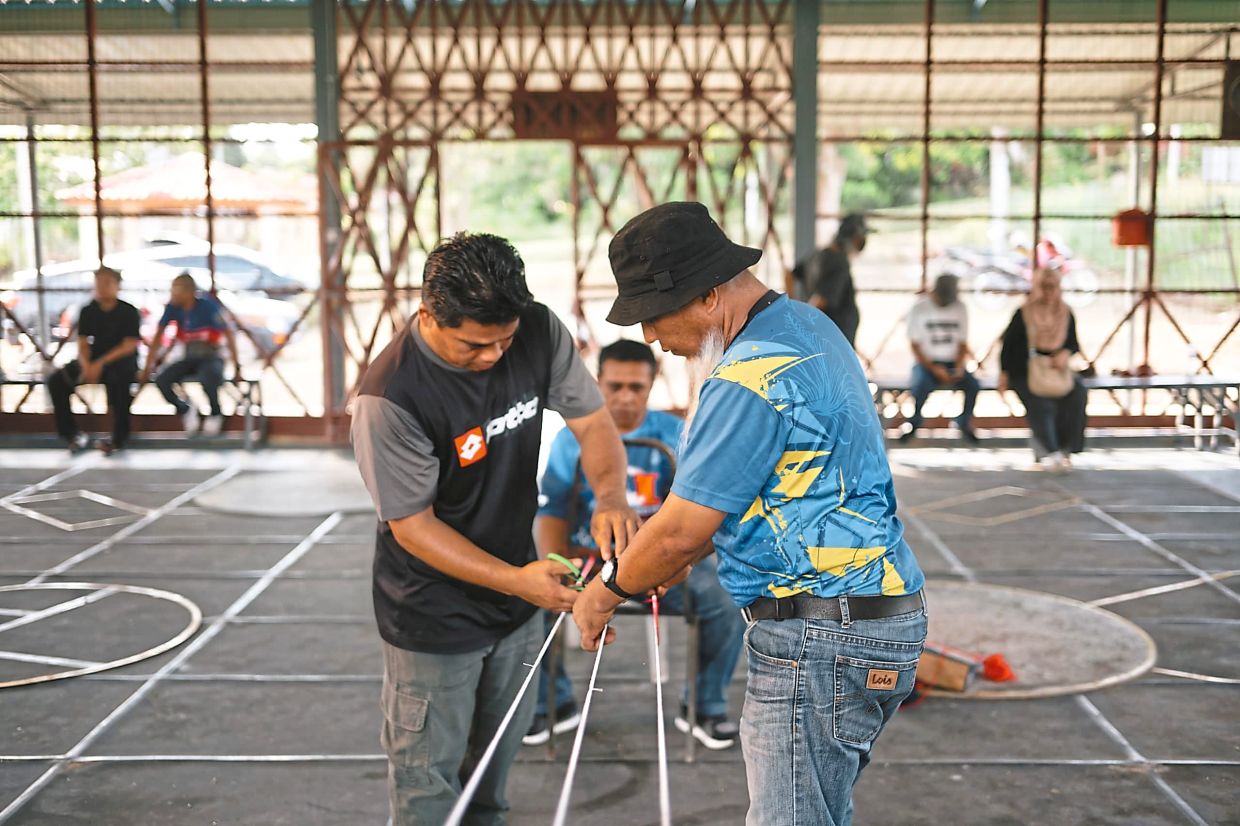
The crash of wood against wood, followed by shouts of onlookers, turn the game into a spectacle of both skill and strategy.
However, what once filled village fields is now mostly confined to organised competitions.
The art of gasing pangkah is no longer a fixture of everyday life with smartphones and video games dominating the attention of children.
The question is — can gasing pangkah survive another generation?
Craftsman behind the spin
For Zulkarin Esa, 57, preserving gasing pangkah is both a craft and a calling.
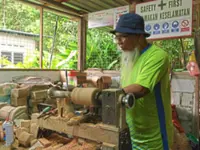
The Gasing Warisan Melayu owner, who is active under the Malaysian Gasing Association (Pegama), has spent decades not only playing the sport but also making the spinning tops himself.
His humble workshop in Labis, Johor, smells of resin and sawdust with wood shavings littering the floor as half-finished tops rest in neat rows.
“Every gasing has its own personality,” said Zulkarin, who developed an interest for gasing back in the 1970s.
He has been playing professionally and making gasing since 1997.
“From threads to ropes, from wood to tops — it is a process that I love doing, even if it is time consuming,” he said.
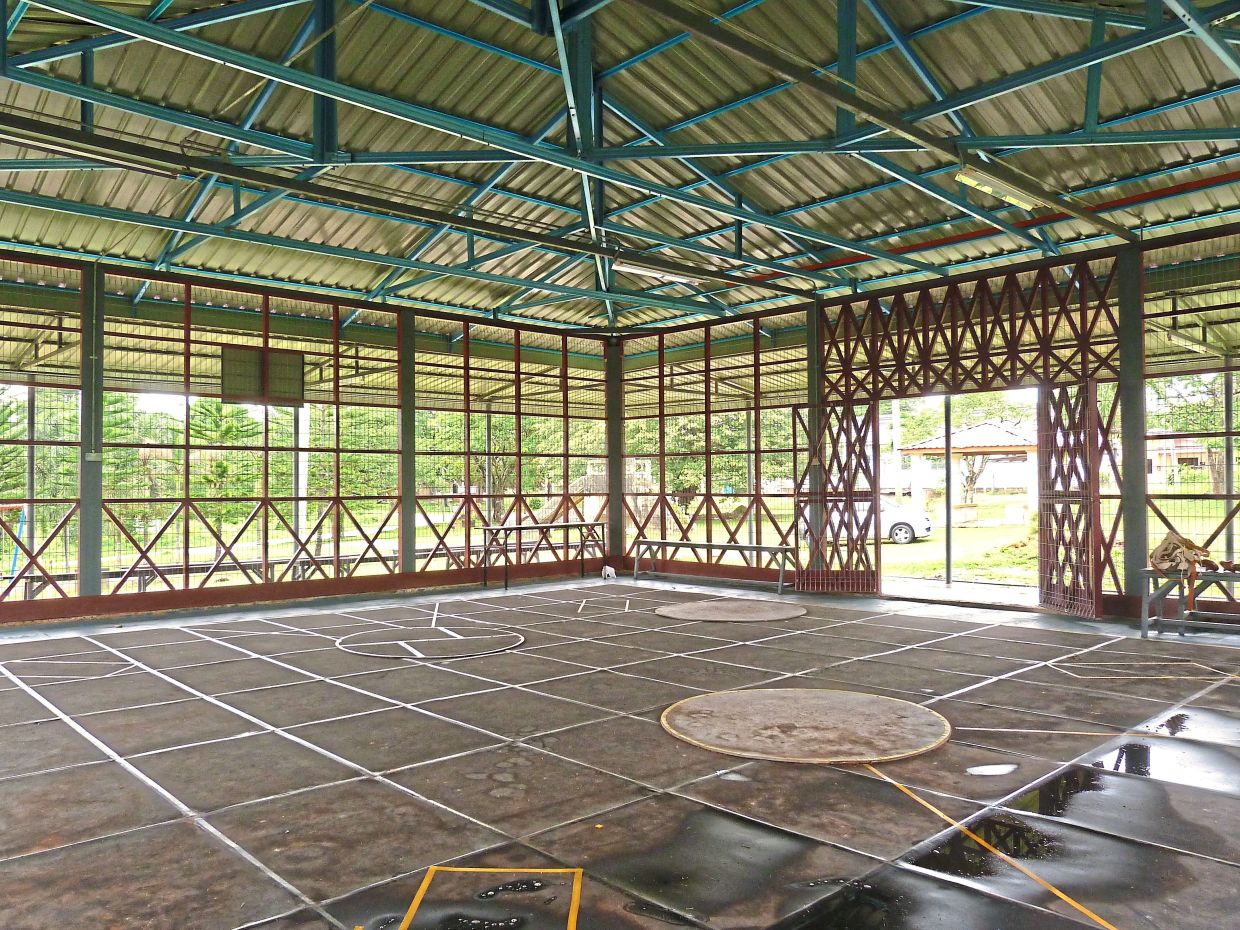
He said the wood must be carefully chosen, balanced and shaped, otherwise the top will fall after only a few seconds of spinning.
Keranji, koran and cengal wood are among types preferred for gasing making, he said.
Mohamad Atan Ahmad, 61, a childhood friend who has shared countless evenings with Zulkarin spinning tops in their hometown, is another gasing pangkah player.
“We used to watch our fathers play gasing when we were younger. There used to be a lot of tournaments back then,” he recalled.
Gasing pangkah is weighted and is often too heavy for children so they start with smaller tops called gasing bawang before graduating to the larger tops.
“I recall the first time I successfully ‘pangkah’ another top, I got hooked right away,” said Mohamad Atan.
The bond between the two men mirrors the game itself — rooted in community, forged through competition.
They still gather with other enthusiasts to practise, even if their wrists are not as strong as before.
But they notice that the crowd is growing smaller with each competition.
“Children are curious about the game but they need guidance on how to play,” said Mohamad Atan.
“The main players are old now and sometimes, we don’t have the same energy or willpower like we had when we were younger.”
To the two men, gasing pangkah represents more than a nostalgic pastime.
If there are hands willing to keep it spinning, the tradition can endure, they said.
Pegama’s role
Spearheading preservation efforts is Pegama, the national body dedicated to keeping gasing pangkah alive.
Its competitions draw players from across states, though the numbers are fewer now than in decades past.
Pegama member Fatima Massara Mohd Jais, 31, acknowledged the challenge of attracting the younger generation.
“We only run these tournaments with local clubs and associations.
“It is difficult to reach a larger audience when there is lack of publicity,” she said.
“It’s a small community where most people know each other,” said Fatima Massara.
Beyond tournaments, the association runs workshops in schools, teaching children how to wind ropes and launch a top.
Pegama also showcases the game at cultural festivals.
Each event becomes both a sporting contest and a cultural lesson, keeping the memory of gasing pangkah alive.
Challenges of modern times
The game is facing real hurdles. A gasing pangkah can weigh up to five kilogrammes, and launching it requires strength, technique and practice.
Older players often complain of aching wrists.
“Back then, we played outside until the sun went down but, nowadays children prefer their phones,’’ said Mohamad Atan.
Funding is another obstacle.
Unlike badminton or football, gasing pangkah lacks corporate sponsors and mainstream visibility, said Fatima Massara.
Many players rely on passion rather than financial support, she said.
In Malay tradition, the spinning top symbolises balance, resilience and skill, she added.
Another problem is master craftsmen getting older with fewer apprentices stepping forward to learn the intricate process of making the tops, said Zulkarin.
He added that to dismiss gasing pangkah as just a pastime would be overlooking its cultural depth.
The act of carving, polishing and playing embodies patience and artistry, he said.
Signs of revival
In recent years, interest in the game has been revived as schools and cultural bodies promote traditional games during National Day celebrations.
In some villages, fathers still teach their children how to wind a rope, a small gesture that ensures continuity.
Through competitions and events, Pegama is slowly making inroads in attracting young talent, said Fatima Massara.
The thrill of watching a top shatter into splinters or spin defiantly against all odds has a visceral appeal that no video game can replicate, she said.
Passing the torch
“It is not about winning, it is about keeping tradition alive,” Zulkarin told StarMetro.
For players like him, the future of gasing pangkah doesn’t depend on stadiums or headlines.
It lies in the hands of the next generation. As long as one child is willing to pick up the rope, the tradition will keep on spinning.
In a world full of modern distractions, traditional games like this are at risk of being forgotten, he said.
But they are a vital part of a nation’s cultural fabric, reminding us of a time when communities came together in open fields.
The sound of clashing tops echoing across village courts today is more than just wood striking wood.
It’s a refusal to be forgotten — a living heritage fighting to hold its ground.