AS DUSK falls during the seventh lunar month, makeshift stages come to life across Malaysia, aglow with vibrant lights and the sounds of song, dance and traditional puppetry.
These lively performances, a profound cultural tradition, are not just for the living.
They are an offering to the most unusual of audiences: the wandering spirits in the afterlife.
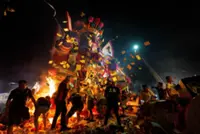
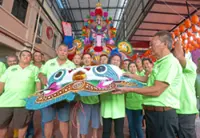
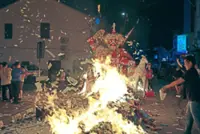
This is the scene during the Hungry Ghost Festival, a month-long observance where the gates of the netherworld are said to open, allowing spirits to roam the earthly realm.
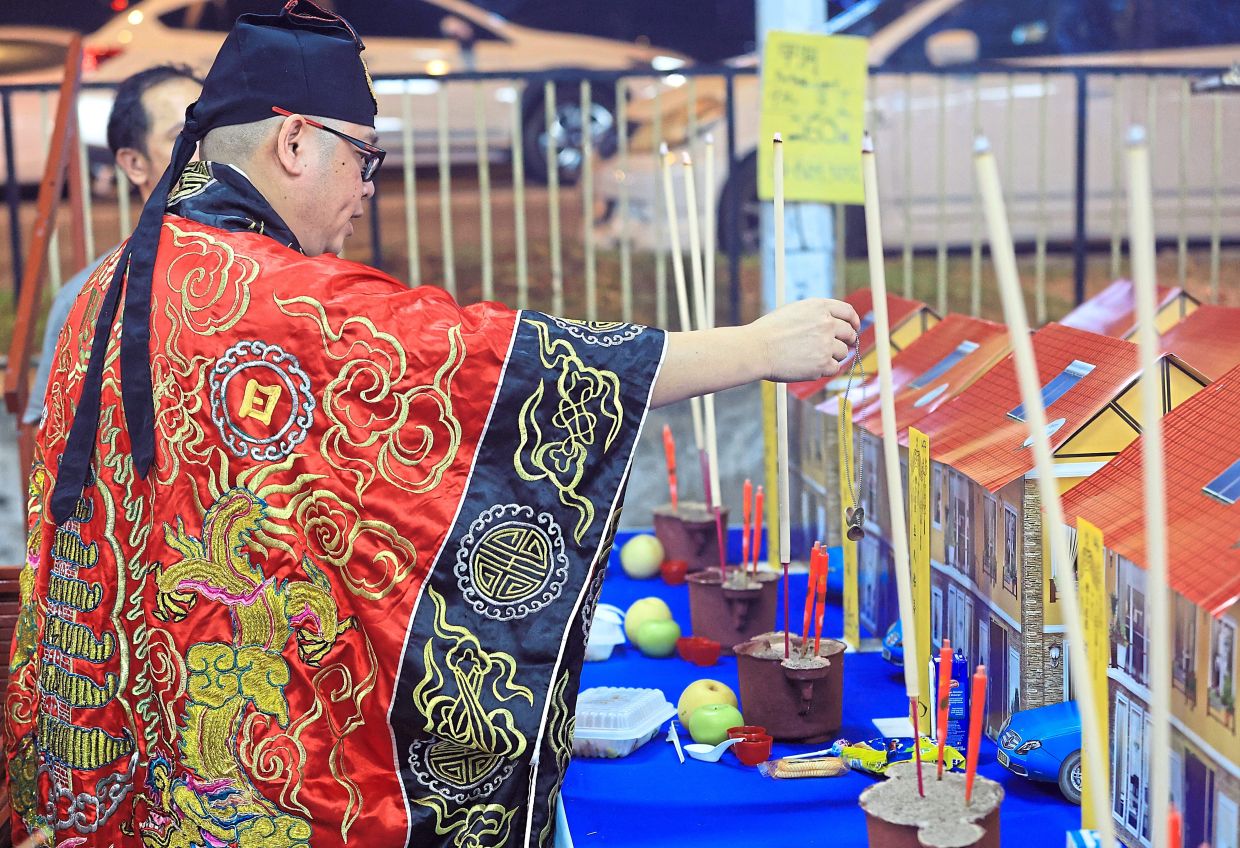
To appease these spirits, especially Da Shi Ye – the guardian god of ghosts – these stage shows are an age-old cultural staple for Malaysia’s Chinese community.
The shows, though meant for the unseen, also draw the curious and the supporters among the living.
Performing to “empty” seats night after night may seem strange, but for the performers, it is their way of preserving a cherished tradition.
StarMetro spoke to a glove puppeteer and two singers to get a firsthand look at what it is like to perform during this unique festival.
A dying art
On a stage decorated with bright Chinese designs, flamboyant puppets spring to life.
This is the art of glove puppetry, or bu dai xi.
Hidden behind the scene props, a team of two to four puppeteers presents the story.
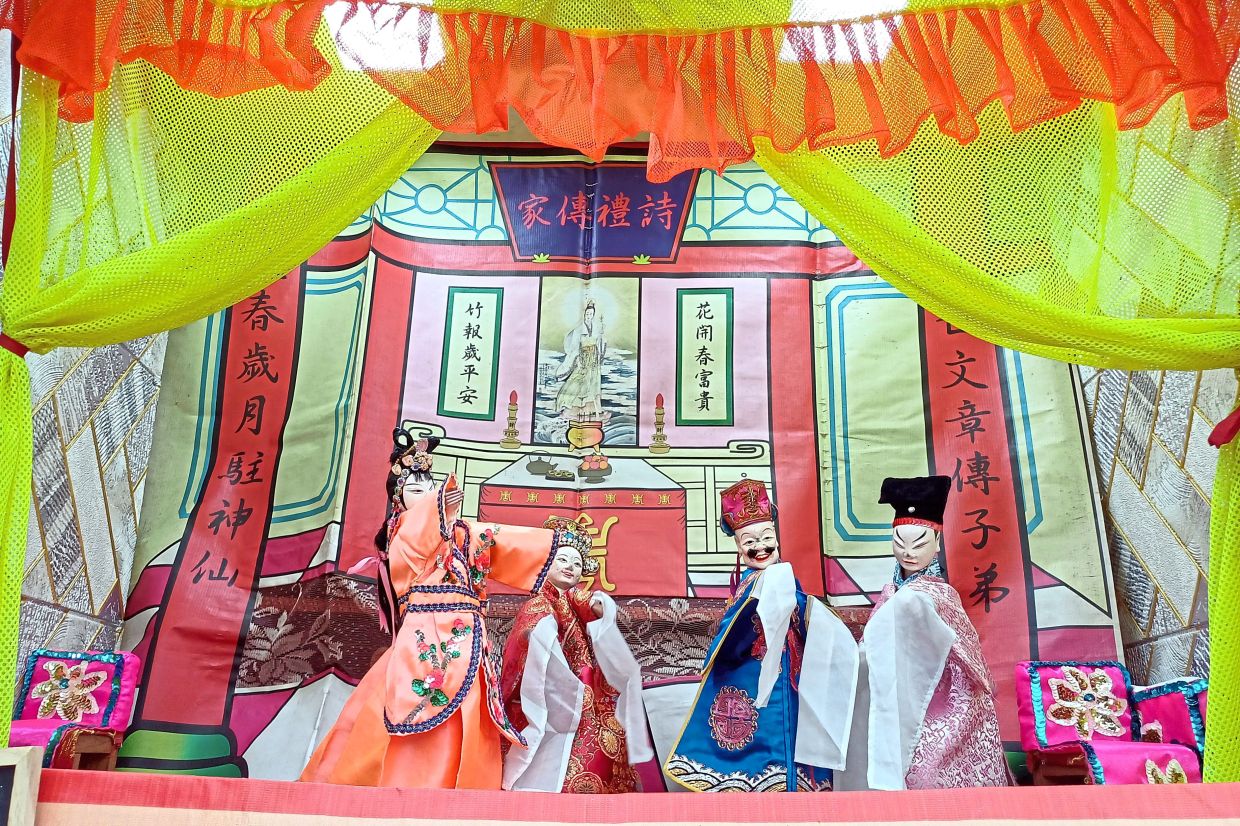
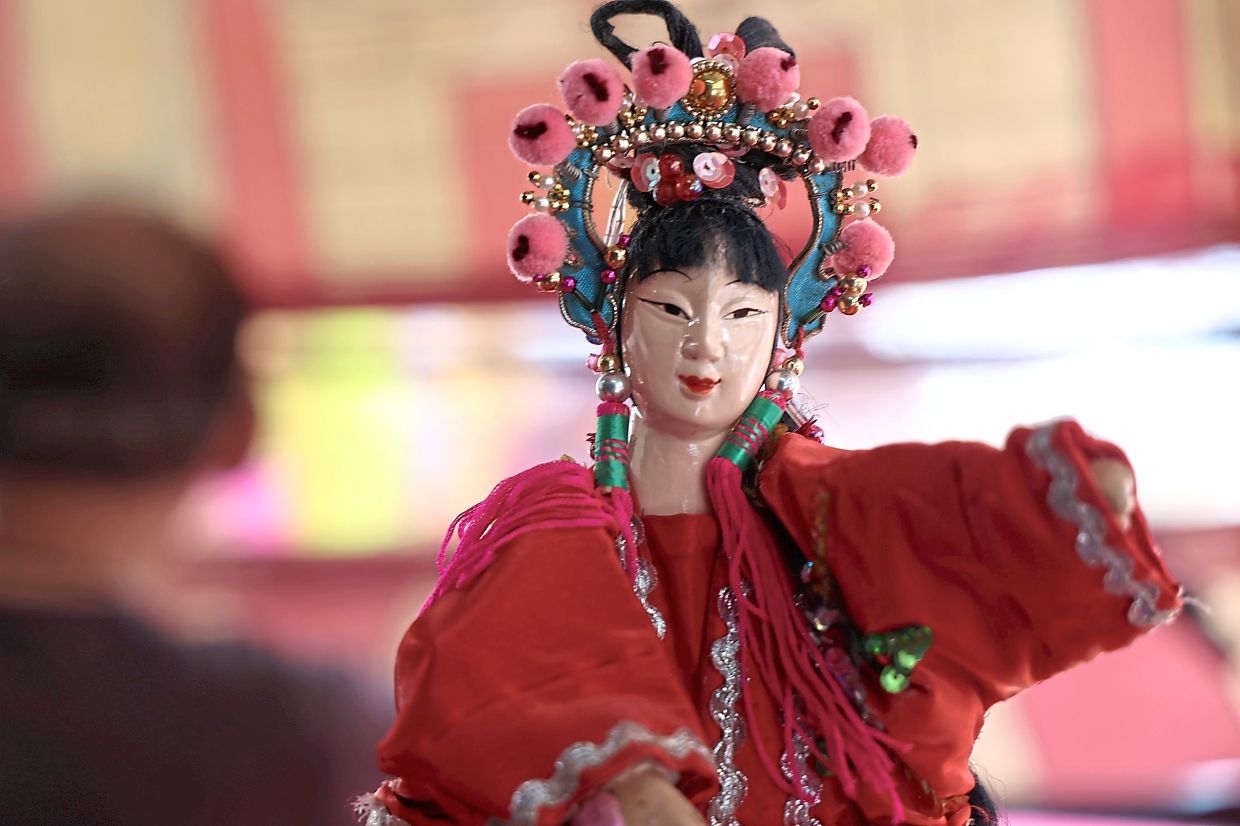
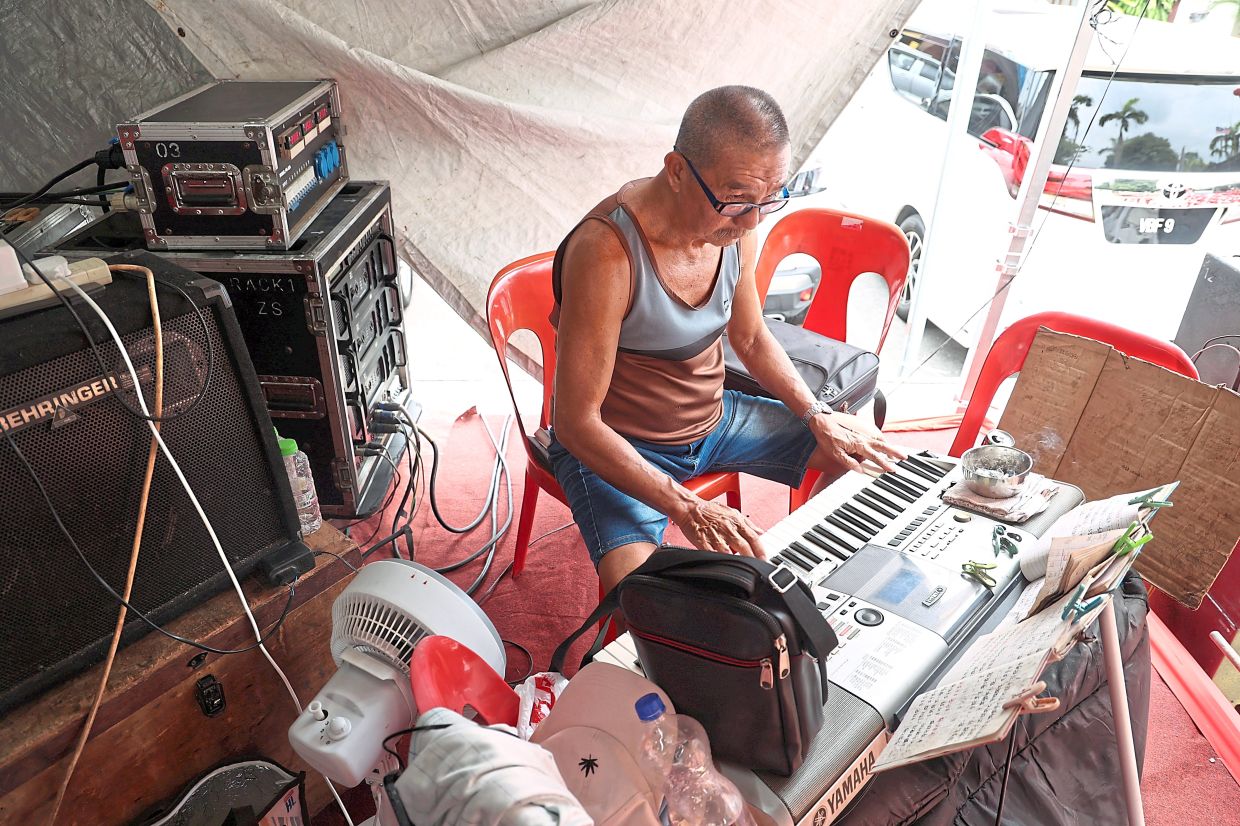
One provides music on gongs, cymbals and drums, while the main puppeteer, Chian Kim Lan, skilfully manipulates her puppets and narrates the story.
Her puppets move so fluidly and the stage seems like her playground.
“The stories can be about Chinese dynastic history or modern-day stories inspired by family shows and melodrama from Hong Kong and Taiwan,” said Chian.
She said various dialects were used in the shows, to suit the organisers.
“We speak in Hakka, Hokkien and Cantonese,” said the 62-year-old.
Chian, a member of the Jin Peng Bu Dai Xi group, was performing in Sri Petaling, Kuala Lumpur, this year.
As she narrated in Hokkien, the music shifted to match the emotional tone.
“It is like opera, but in puppet form,” she said.
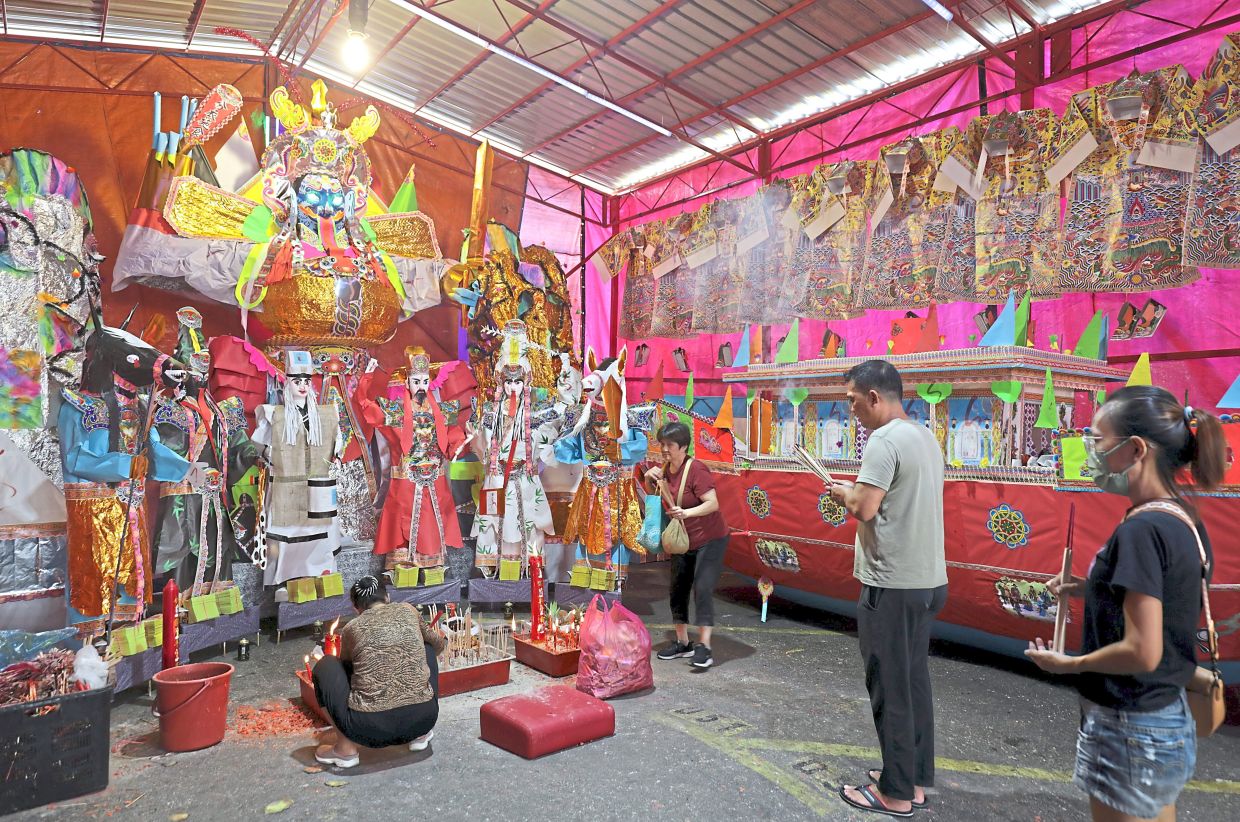
Directly in front of the stage, rows of unoccupied chairs were cordoned off, reserved for the spirits, and there were offerings of tea, alcohol and incense.
Chian admits that she worries about the future of her craft.
“I try to teach the younger generation, but no one wants to learn,” she said, noting that most young people preferred “blue or white-collar jobs”.
For her, performing for the dead is a way to keep this magnificent culture alive.
“If I stop doing it, there will be one less person who knows how to perform it.
“I hope there will be people interested in inheriting the craft,” she said.
A show of respect
For getai shows singer Winnie Hau, singing for the departed is a form of respect for culture and tradition.
“Singing has been my hobby since I was in school, and I find entertaining the audience through my songs fulfilling,” she shared.
“Singing at getai is part of Chinese culture.
“I feel glad that I play a part in preserving this culture,” she added.
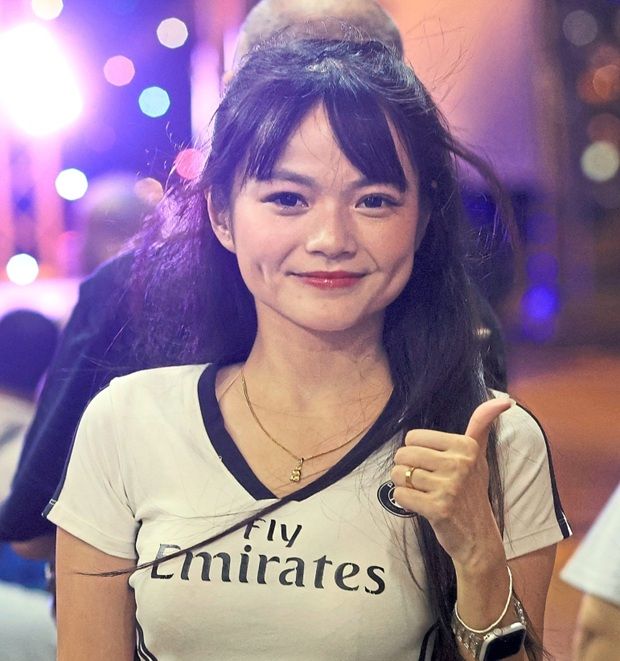
Hau, 29, recounted her most memorable, and perhaps paranormal, experience.
A few years ago, she fell and injured her legs on stage.
She realised she had forgotten a crucial pre-performance ritual: paying homage to Da Shi Ye and the departed spirits.
“It is a very important ritual that must be done,” she stressed.
“It is a sign of respecting their presence.
“The Chinese community believes that spirits may cause trouble if they feel neglected during this Ghost Month,” said Hau.
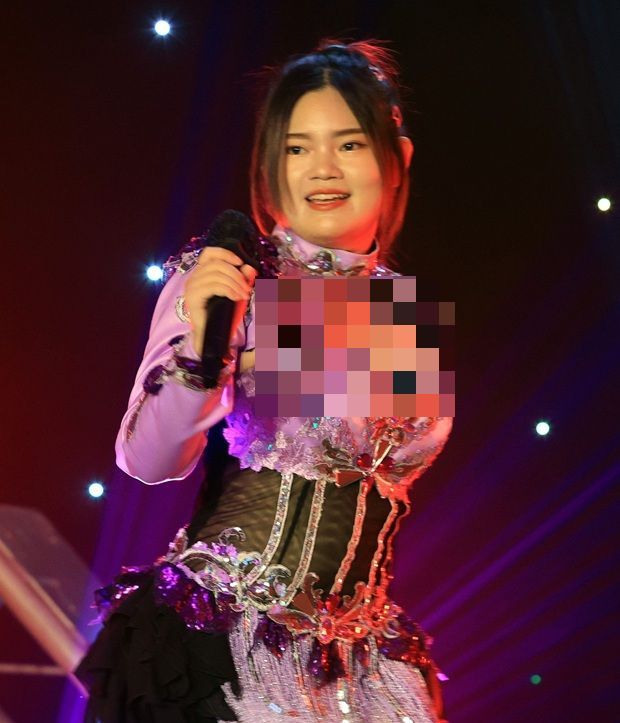
For singer Joey Yong, 26, performing in a getai show has been a lifelong dream.
“I have been watching the Hungry Ghost Festival getai since I was a child,” she said.
“I always admired the singers who are full of charm,” she added.
Now after 10 years as a performer, Yong still gets nervous before a show.
“I need to compose myself before taking the stage, so that I can sing well,” she said.
As the first singer of the night, Yong led off her performance with a Hokkien song dedicated to Da Shi Ye to express the people’s gratitude towards him for fulfilling their wishes.
Most of the subsequent songs performed were also Hokkien songs, which is one of the distinguishing features of getai shows.
As Yong continued her performance, more and more people gathered near the stage, applauding and cheering for her.
After her 30-minute performance, Hau took the stage and invited the audience to pick their favourite songs for her to sing.
Enduring traditions
For the past 16 years, getai singing has been a huge part of the Hungry Ghost Festival celebration organised by Persatuan Penganut Buddha Zai Sai Than Kuala Lumpur.
A master medium with the organisation, who wished to be known only as Ho, explained that getai performances were a sign of festivity for Da Shi Ye.
“Song and dance performances are often a staple on such occasions, so people choose to perform them for Da Shi Ye and the departed spirits during the Ghost Month,” he said.
He noted that most people nowadays preferred song performances over traditional operas.
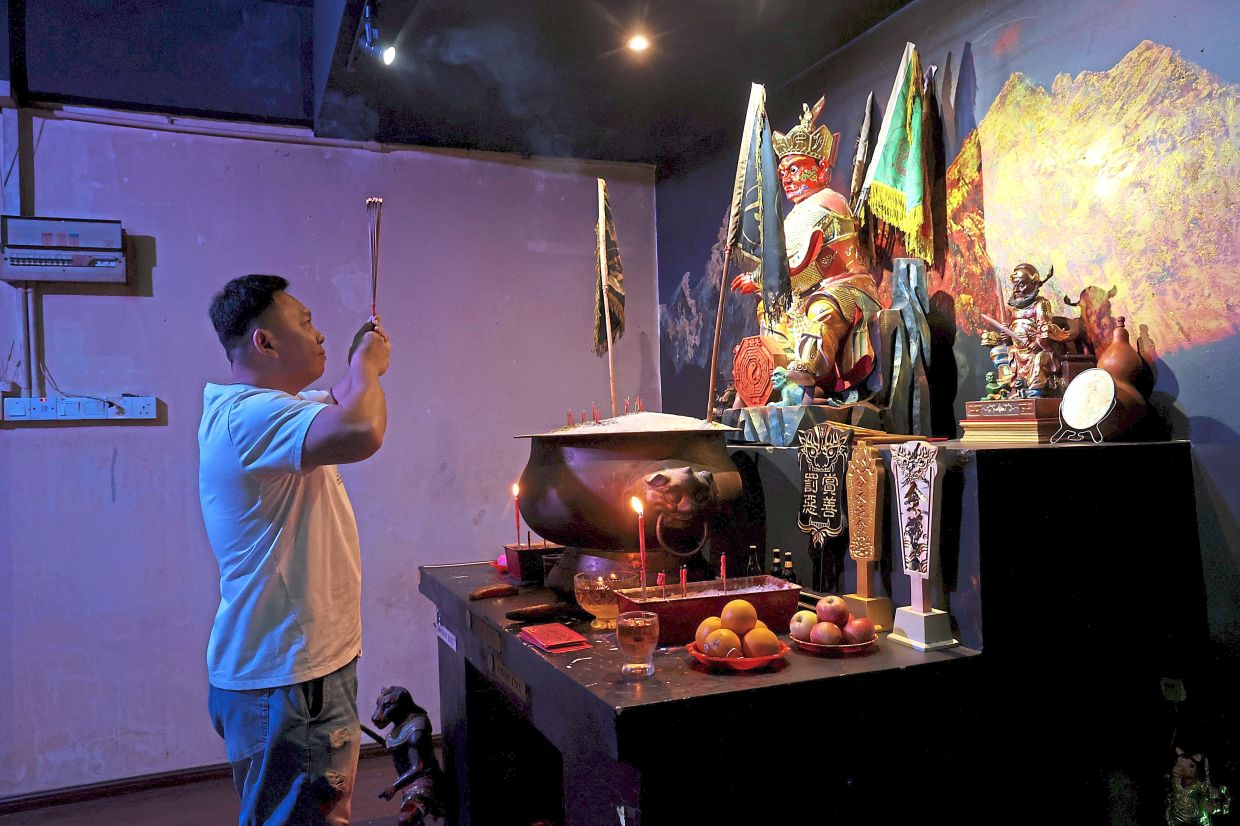
The festival’s president, Ooi Wen Chiong, 40, said organising the event was more than just about tradition.
“It is about helping others.
“The event gathers the business community who can contribute financially, and the proceeds are donated to Chinese vernacular schools,” he said.
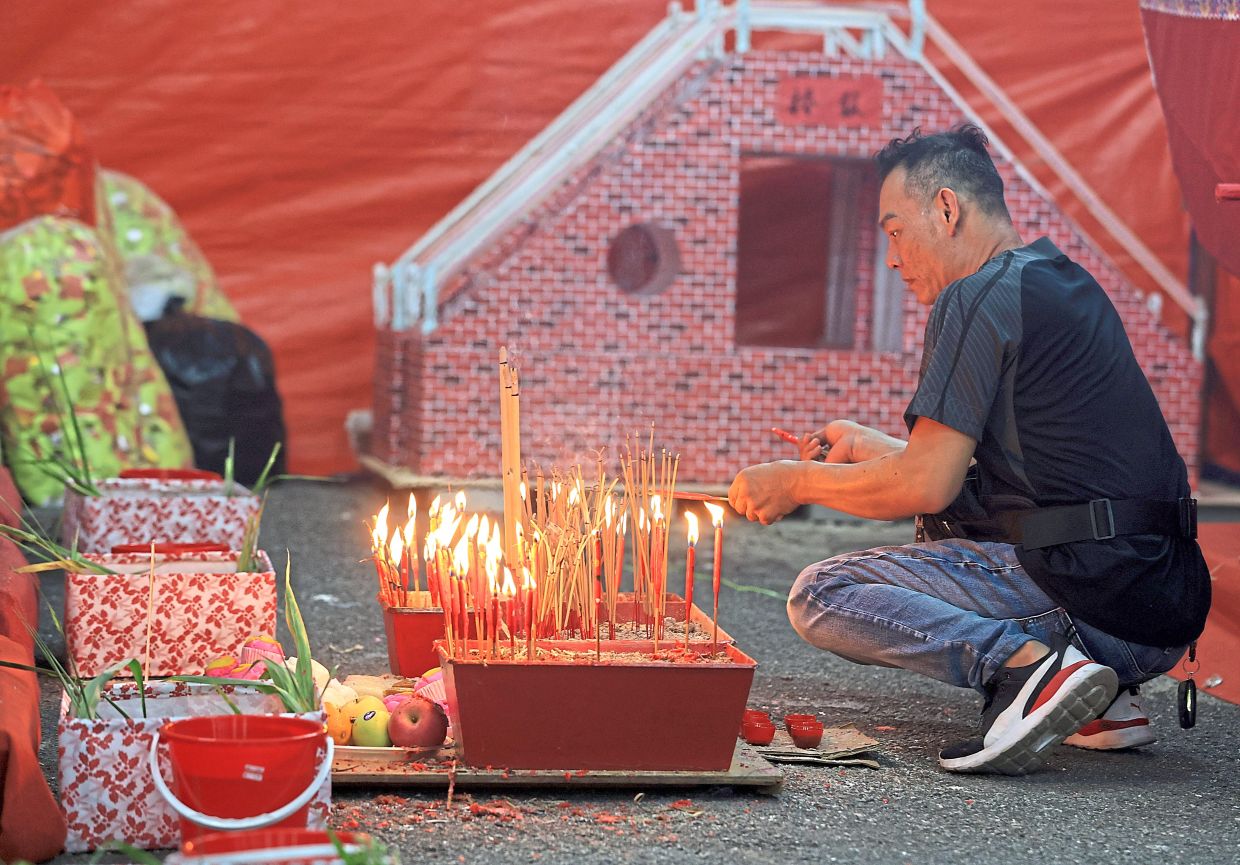
He added that they raised RM36,000 last year.
“It is also a platform for community gathering,” said Ooi.
Despite its importance, the tradition faces challenges.
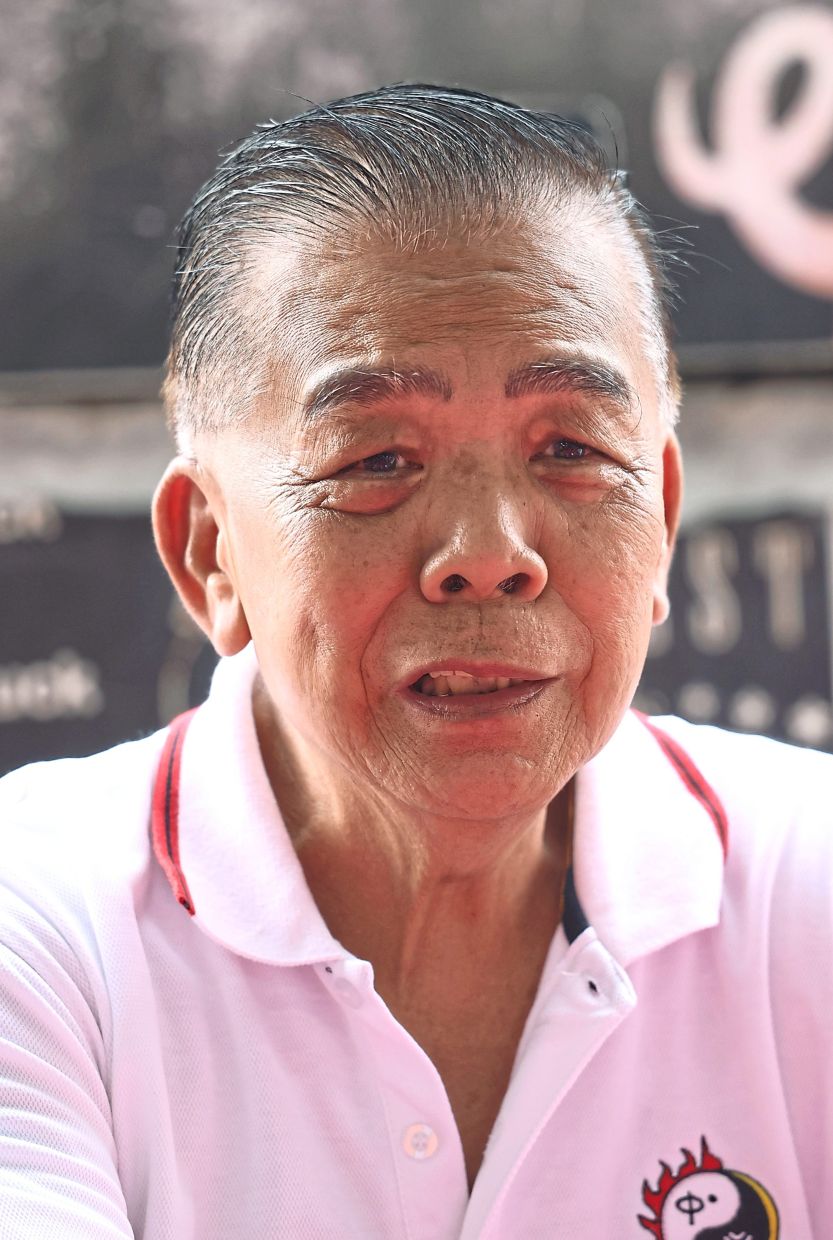
Chow Nam Onn, chairman of Persatuan Perayaan Zhong Yuan Sri Petaling, said they faced difficulty getting permits from Kuala Lumpur City Hall.
“We always try our best to minimise disruption to the surrounding neighbourhood, so we hope that the authorities can be more lenient,” he said.
He highlighted that Hungry Ghost Festival celebrations are among the customs in Chinese culture that are still practised and cherished until today.