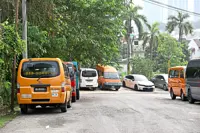
LONG plagued by reckless driving, near-misses with pedestrians, and illegal parking, Jalan Sultan Abdul Samad in Brickfields, Kuala Lumpur, is set for a major redesign.
The 1.5km thoroughfare in Kuala Lumpur’s “Little India” is located just south-west of Kuala Lumpur Sentral.
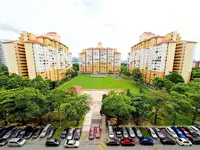
Lined with schools, churches, temples, offices, and residential buildings, the road often sees heavy footfall.
The planned transformation by Kuala Lumpur City Hall (DBKL) will see narrower lanes, raised pedestrian crossings, kerb extensions, speed humps, and visual narrowing features.
Roadside parking will no longer be permitted, except for passenger pick-up and drop-off only.
City planners say the redesign is part of a broader initiative to make roads safer, calmer, and more inclusive, particularly in high pedestrian areas like Brickfields.
Designed for safety
“The redesign features a host of urban planning elements aimed at creating safer, more liveable streets,” said DBKL Urban Transportation Department deputy director Muhammad Azri Abdul Aziz.
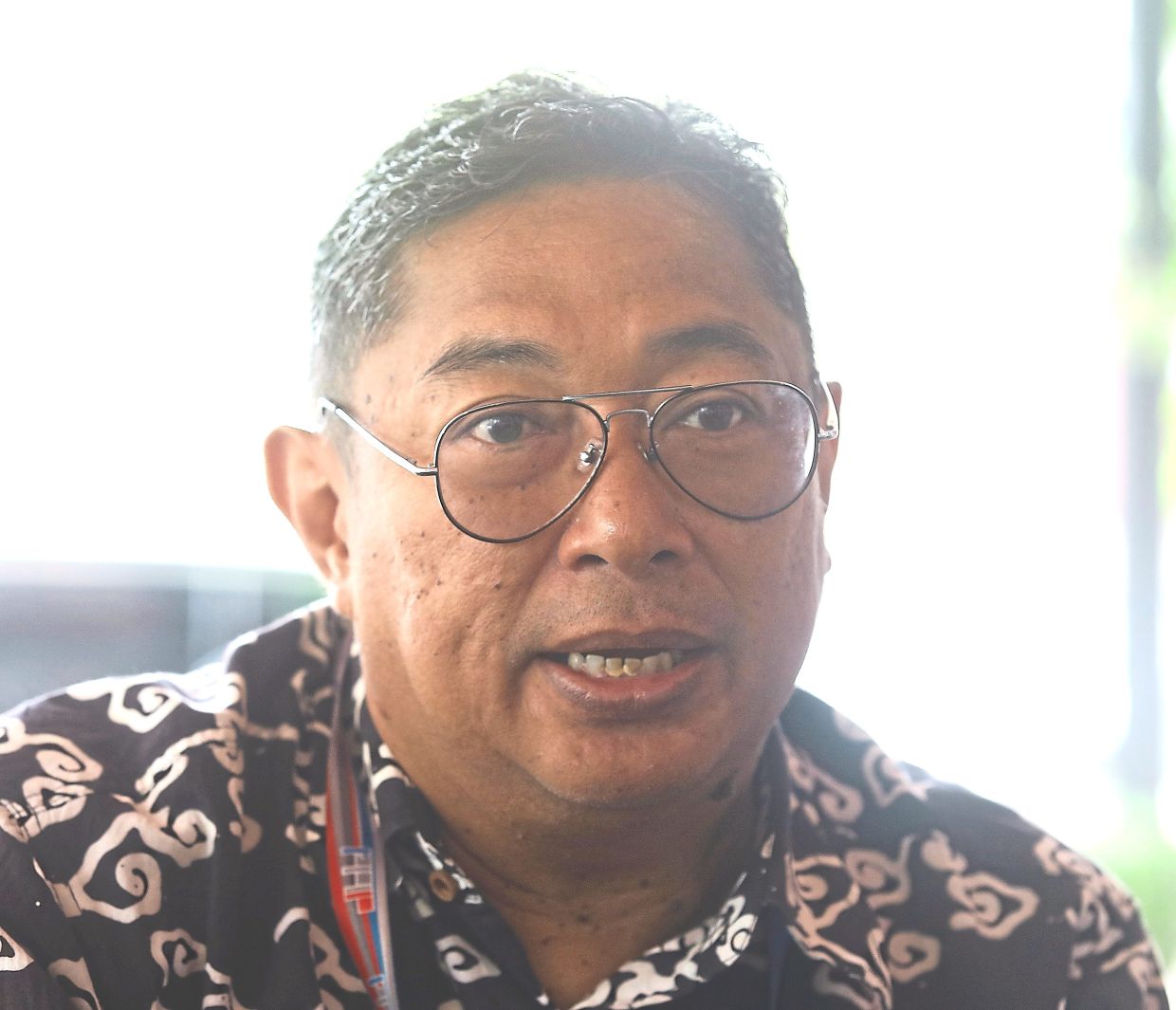
“We’re introducing raised pedestrian crossings and intersections to slow traffic, narrowing road lanes near school zones to promote safer driving, widening pavements for wheelchair accessibility, adding a dedicated bicycle lane, and establishing a park connector to link nearby green spaces,’’ he said.
“There’s also a pocket park planned to serve the local community,” Muhammad Azri said.
Costing RM400,000, the changes are not just for aesthetics but grounded in established urban design strategies intended to encourage slower driving without requiring constant enforcement, he added.

The project, to be carried out in three phases, will also involve the Project Implementation and Building Maintenance Department.
“Brickfields is unique. It is a challenging township with a mix of commercial activities, schools, residents, places of worship, and roadside stalls, all packed into a high-traffic area.
“It has been notorious for accidents, including fatalities and near-misses, for years. And despite the 30km/h speed limit, these incidents still happen,” he said.
Learning from Setapak, TTDI
Brickfields is the third location to receive this treatment, following successful implementations in Setapak and Taman Tun Dr Ismail (TTDI).
In Setapak, the redesign of roads around SK Danau Kota 2 reduced vehicle speeds and raised community awareness about road safety.
TTDI saw improvements along Jalan Tun Mohd Fuad, which improved walkability, curbed illegal U-turns and parking.
The initiative falls under the Bloomberg Philanthropies Initiative for Global Road Safety (BIGRS), which supports Malaysia’s commitment to reducing road fatalities.

BIGRS helps cities like Kuala Lumpur make roads safer by giving expert advice, improving road design, and supporting better enforcement.
It also helps track progress using proper data and checks.
DBKL’s Urban Transport Department is also working with the Global Designing Cities Initiative (GDCI), Bike Commute Malaysia, and the Malaysian Institute of Road Safety Research (Miros) to develop safer school zone road layouts.
GDCI provides the designs, while DBKL handles the implementation.
Traders and obstructions
GDCI Asia and Africa programme lead Kim Lua said research conducted in Setapak and TTDI showed that speed remained the leading cause of road crashes and fatalities.
His team observed several near-miss incidents in high-traffic zones, reinforcing the need for safer street design.
“But Brickfields is a different challenge due to the presence of roadside stalls,” he said.
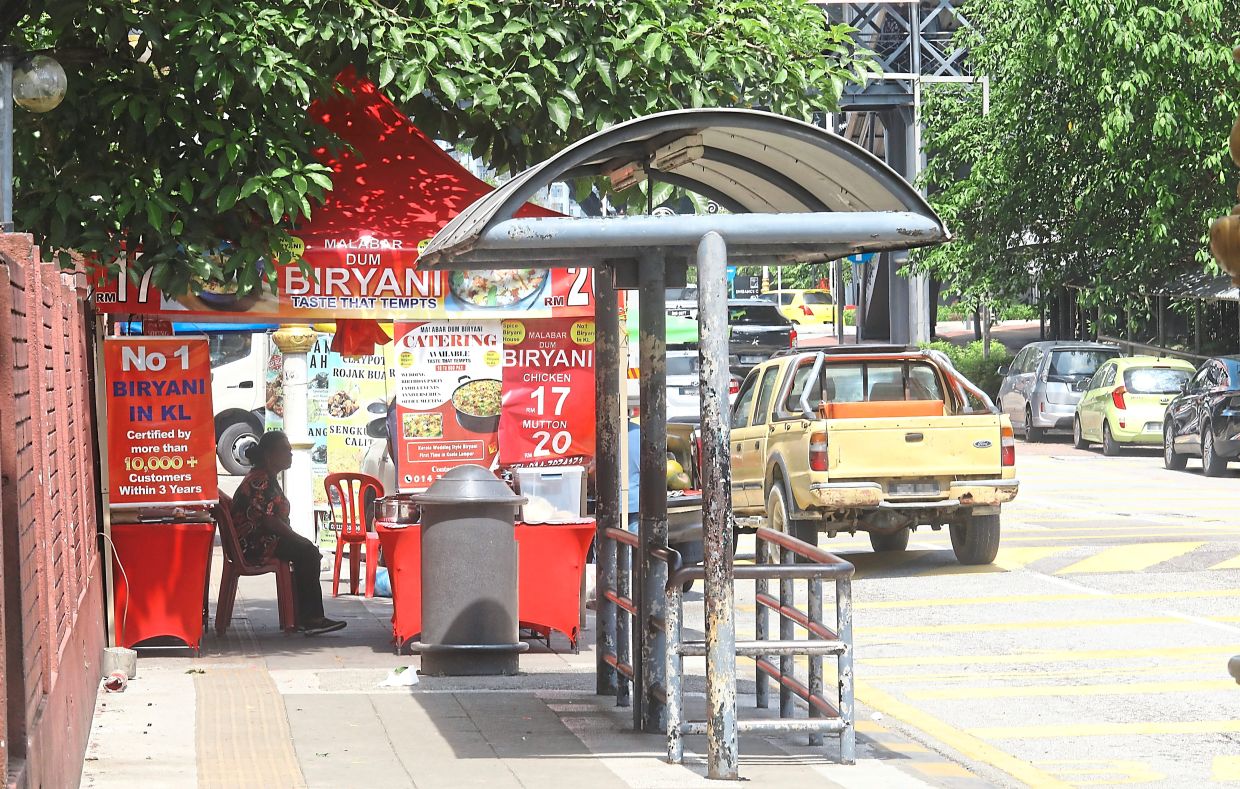
It is well known that DBKL enforcement teams have long grappled with both licensed and unlicensed traders operating along walkways, including over tactile paving meant for the visually impaired.
Some set up near traffic lights and school entrances, where motorists often stop to buy tea, cakes, or vegetables, contributing to congestion and endangering road users.
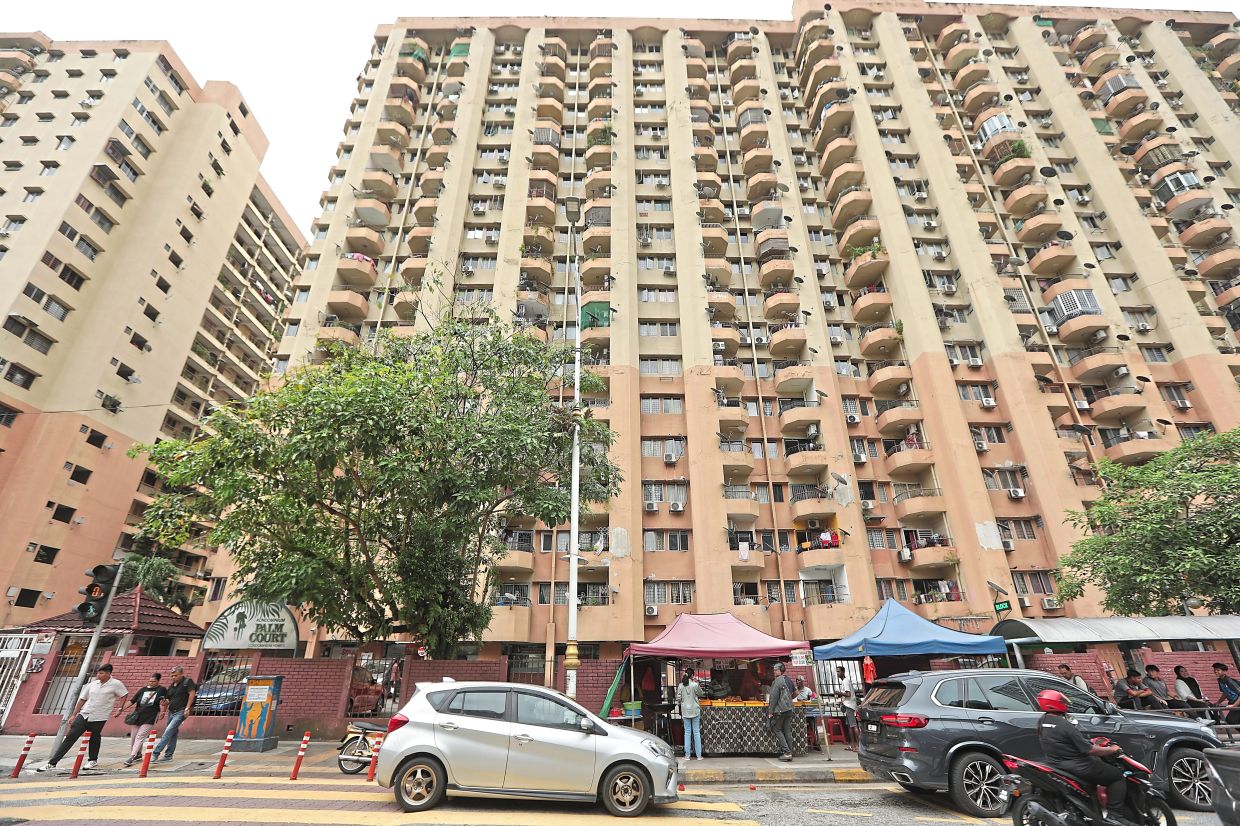
“We understand the importance of street vendors in the city’s ecosystem. They provide essential services and income,” said Lua.
“But they should not obstruct traffic or create safety hazards. These challenges need to be addressed.”
Muhammad Azri acknowledged the complexity of managing Brickfields, calling it one of the most challenging areas he has worked on.
He noted that while DBKL regulations prohibit trading on public walkways, especially over tactile paving, exceptions were made during the Covid-19 period due to the sensitive circumstances.
However, he emphasised that for the redesign to be effective, from lane narrowing to improved cycling infrastructure, roadside stalls must be relocated.

“This is a flagship project under the mayor’s office. Significant funds are being invested to upgrade infrastructure, and we want the community, including traders, to feel a sense of ownership,” he said.
“That’s why engagement is crucial.”
What’s to come next
The project prioritises vulnerable road users such as schoolchildren, wheelchair users, the elderly, the disabled community, pedestrians, cyclists, and mothers with strollers.
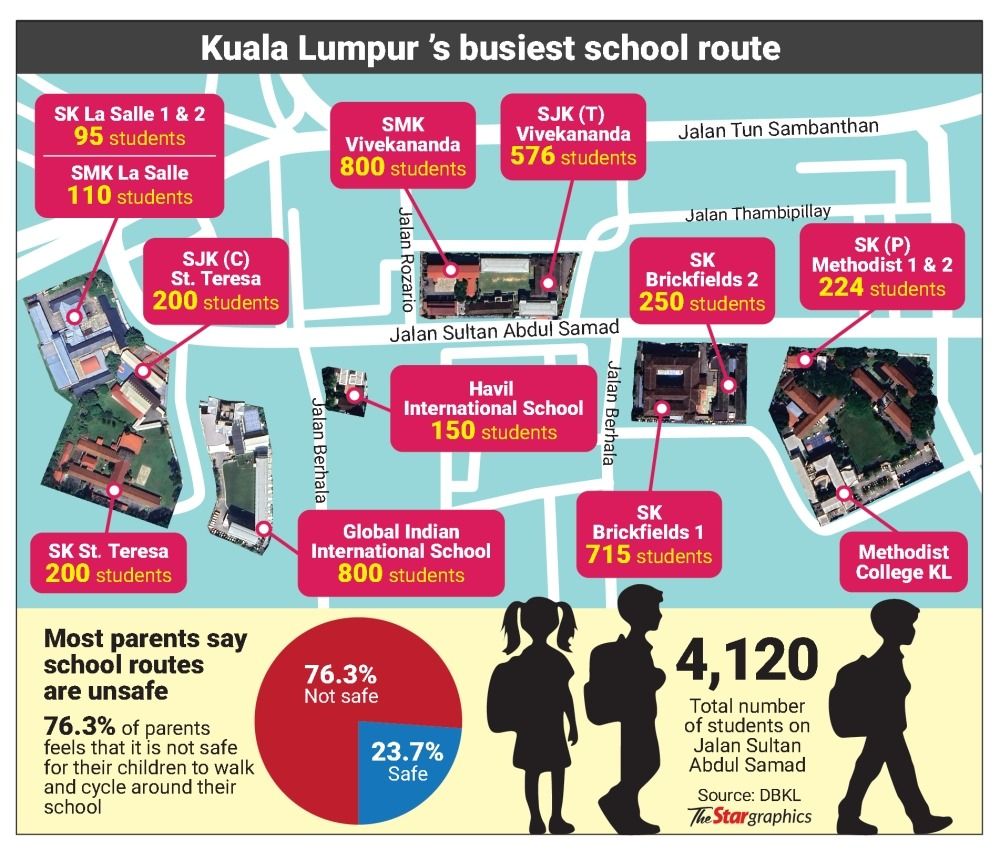
Over 4,000 schoolchildren (see graphic) commute daily through Brickfields, making their safety a top concern.
Among the key risks flagged were illegal roadside parking, children darting across roads, and pedestrians taking risky shortcuts.
Even though Jalan Sultan Abdul Samad is a 30km/h road, the average speed is 39km/h, with some vehicles going over 70km/h in a designated school zone.
Parental feedback revealed that 76% of those surveyed felt the streets were unsafe, and only 23.7% rated conditions as acceptable.
Researchers also engaged children for their views, making them active participants in the redesign process.
Implementation is set to begin next month, starting with pedestrian walkway upgrades, narrower roads, and widened sidewalks with cycling lanes.
Lua said walkways would be extended by up to 3.2m by reclaiming road space.
He said many of the current footbridges were inaccessible for those with mobility challenges, which was why the redesign included tabletop crossings – flat, level pedestrian crossings with ramps on both ends that double as speed tables (a raised section of road designed to slow down vehicles).
These crossings allow pedestrians, wheelchair users, the blind, and those with strollers to cross safely at a single level, without stepping up or down.
This phase will also introduce pocket parks and connector paths to enhance accessibility and walkability throughout the area.
The old pedestrian bridge across Jalan Sultan Abdul Samad has become a white elephant due to low usage – a sign that ground-level crossings better suit the needs of the community.
Walkways and cycle lanes will be widened. A concrete divider will be added to prevent illegal parking and ensure safer, more accessible streets for all.