The Urban Agriculture Programme, which was introduced as a pilot project last year, has been expanded through a collaboration with the Prisons Department to support the national food security agenda.
Perak rural development, plantation, agriculture and food industry committee chairman Datuk Mohd Zolkafly Harun said the watermelon fertigation scheme at Tapah Prison was an example of an activity of the programme.
The fertigation scheme, he told Bernama, was a continuation of the hydroponic rock melon pilot project that had been started at Rumah Seri Kenangan Seri Iskandar in Bota on Feb 25 last year.
The rock melon project has provided fruitful returns for residents of the welfare home for destitute elderly folk.
“This project focuses on growing watermelons using a fertigation system on a 0.4ha plot of land with 1,500 tree seedlings.”
He said it would benefit the prisoners and staff, and would be expanded to other prisons in future.
“The scheme will add value to Tapah Prison, which is also involved in government initiatives such as the Agro-MAS Peka Madani 2024 Upskilling Programme.
“This focuses on cassava, Matag coconuts, pisang tanduk for cooking and oil palm plantations on 45.6ha agricultural land,” he said.
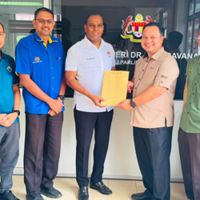
He had been speaking at a press conference after launching the Tapah Prison Urban Agriculture Programme and the handover of the Tapah Prison watermelon fertigation system.
The event was also attended by Perak Prison director Deputy Prison Commissioner C. Charin Promwichit.
Mohd Zolkafly said the state supported the Perak Sejahtera 2030 blueprint and the scheme’s continuity.
“The Urban Agriculture Programme allocates RM25,000 to each district.
“So far, it has been implemented in Tapah and Perak Tengah.
“This crop project will not only focus on watermelon and rock melon, because we will grow other crops such as lettuce,” he elaborated.
He said everyone, including prison inmates, deserved the chance to improve their lives.
“It is not just about imparting farming techniques to them but about giving hope, forming discipline and creating new opportunities for prisoners who want to build a better life after undergoing the rehabilitation process.
“This programme encourages the community to work in the fields and empowers individuals, including the elderly and inmates of rehabilitation institutions, with modern agricultural knowledge that can generate economic benefits,” he added.