A few friends and I once embarked on a six-day road trip around Tasmania in Australia, driving through roads flanked by bushland and farmland.
Along the way, we encountered lots of wildlife, sampled local wines and food, and hiked to lookout points that had breathtaking views.
Our route first led us to Freycinet National Park, where we stopped at Richardsons Beach in Coles Bay.
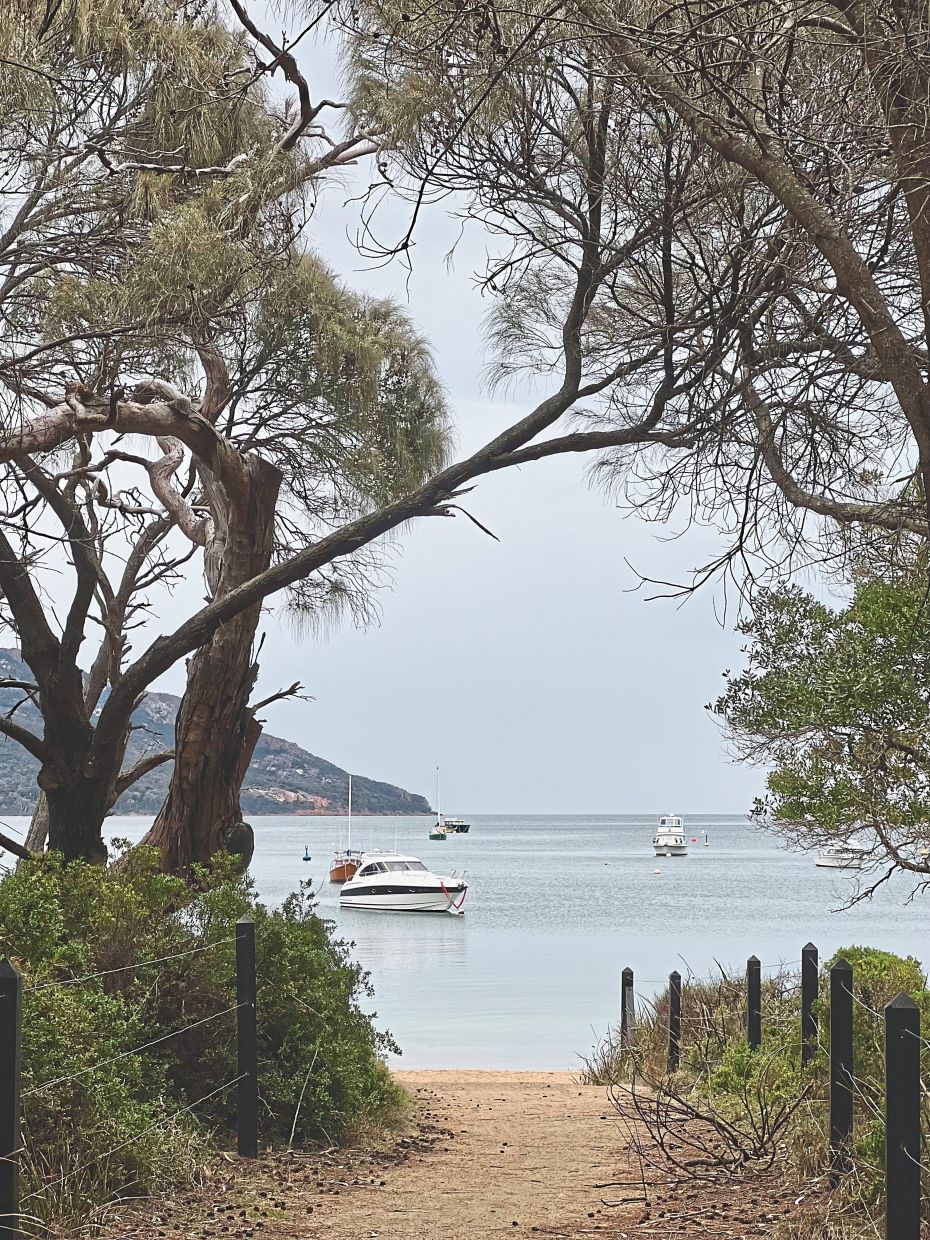
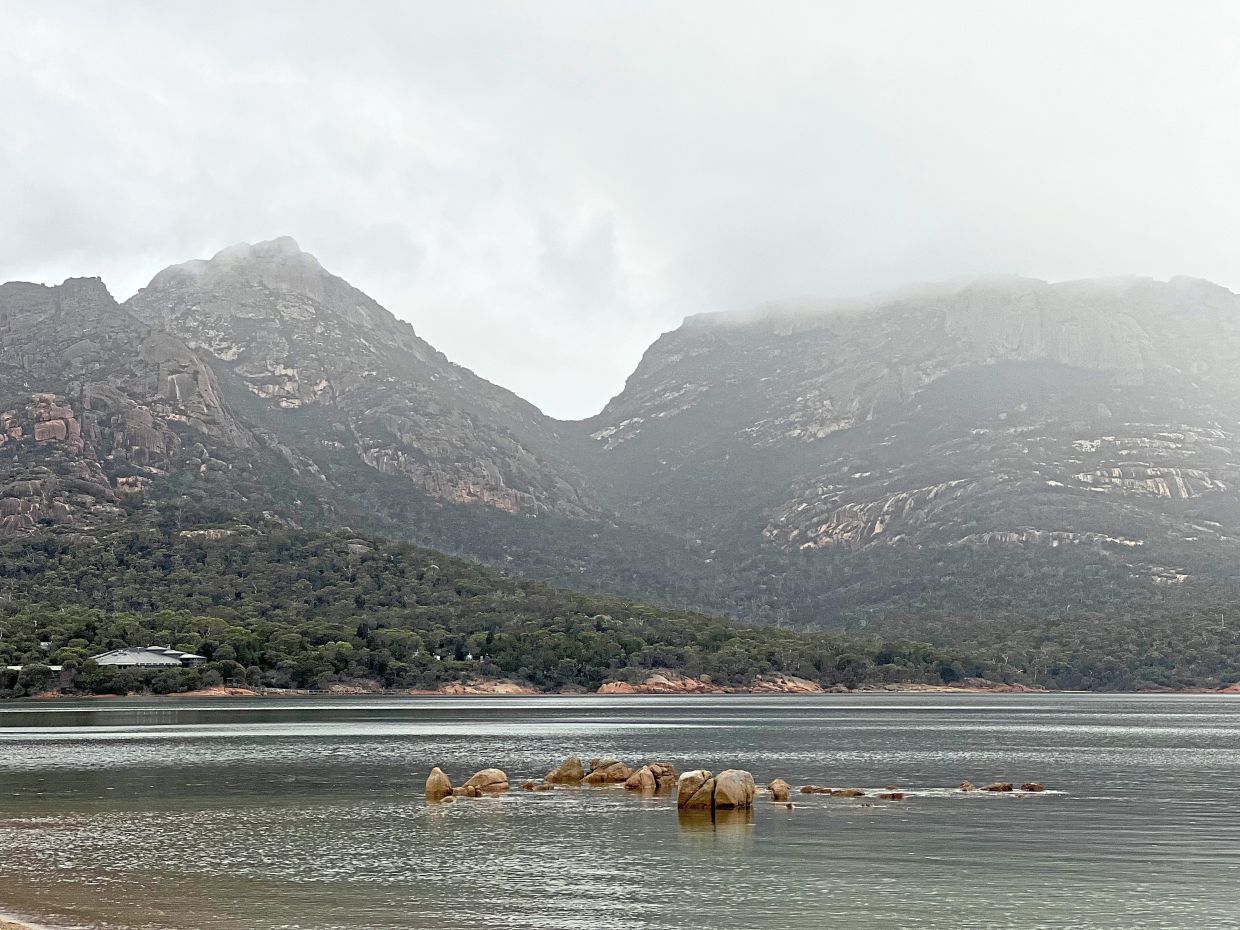
Mountains rose dramatically behind the shoreline and, when we arrived, the water was calm enough to reflect the pink granite peaks, part of The Hazards mountain range.
Then the fog rolled in. Within minutes, the mountains started disappearing behind a thick grey veil, only to re-emerge moments later.
Tasmania seemed to change its mind about the weather faster than we could decide where to drive to.
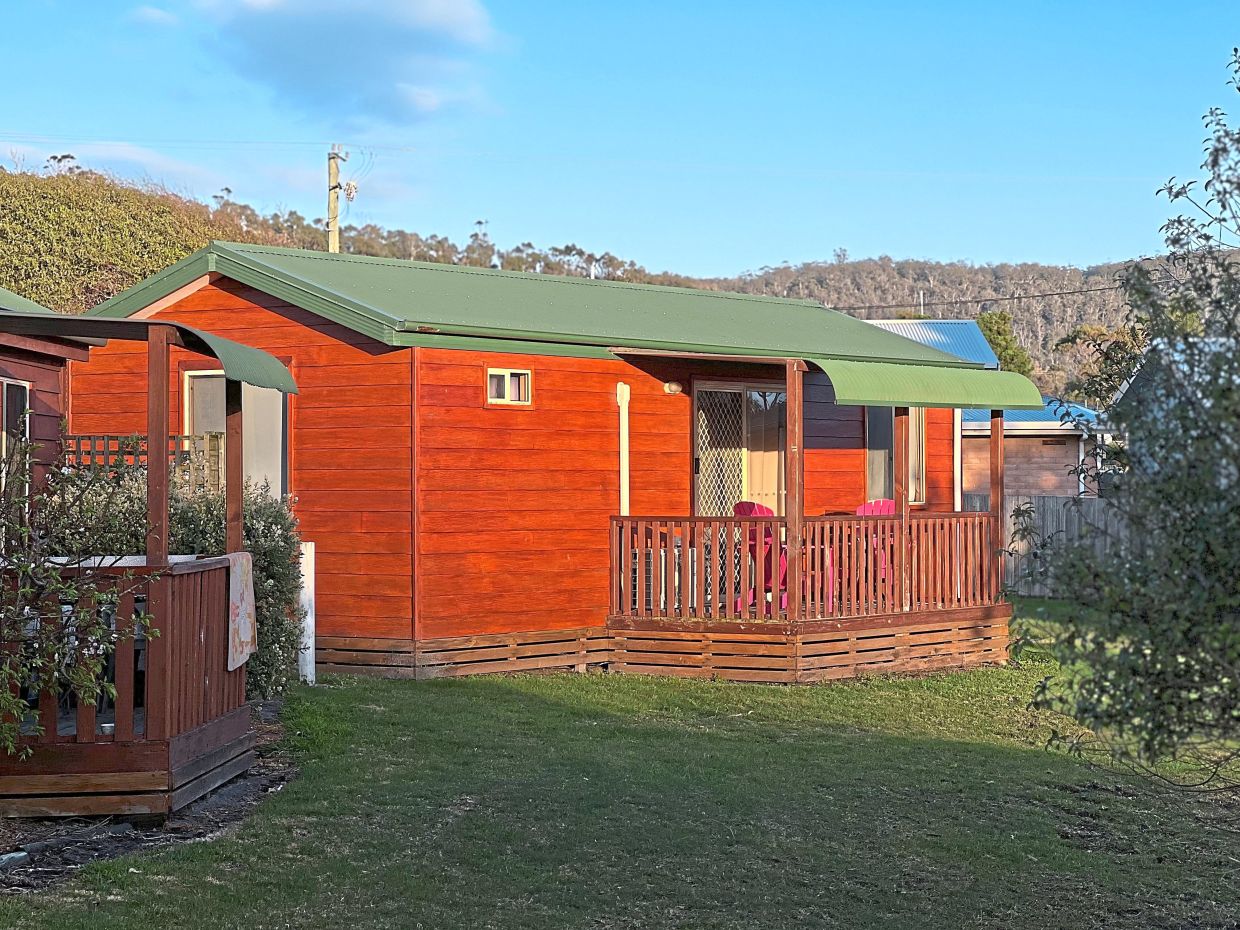
Not too far from here was the coastal town of Bicheno, where we checked into a cosy cabin at Bicheno East Coast Holiday Park. After settling in, we stopped by a local grocery store, picked up ingredients for a meal and cooked dinner back at the cabin.
After a full day of driving, the quiet felt like a luxury.
Nature’s marvels
We had come to Bicheno for one reason: the blowhole. Even before we saw it, we could hear it.
Waves crashed against the rocky coastline with a thunderous rumble before the water suddenly bursts upward through a narrow opening in the rocks.
According to the Tasmania Parks and Wildlife Service, blowholes are created when waves force air and water through sea caves and narrow rock fissures beneath the coastline.
As the pressure builds, seawater is pushed upwards in dramatic bursts.
Tasmania has plenty of blowholes, particularly around the Tasman Peninsula, where the coastline has been shaped by thousands of years of Southern Ocean swells.
Another reason people head to the east coast is whale watching. The island is part of the Tasmania Whale Trail, and its surrounding waters are home to diverse marine life.
Around 40 species of whales and dolphins have been recorded here, from the massive blue whale to pods of dolphins commonly seen closer to shore.
During migration season, humpback and southern right whales pass along the coastline, sometimes close enough to spot from land. Lucky visitors may even catch a glimpse of orcas.
A little over half an hour from Bicheno is Honeymoon Bay, tucked within the Freycinet National Park.
The wind at the bay was relentless, leaving our faces and hands numb. But the view of the water made up for it.
The bay shimmered in shades of turquoise and blue that looked almost unreal. There were only two other visitors there, which made the place feel even more special.
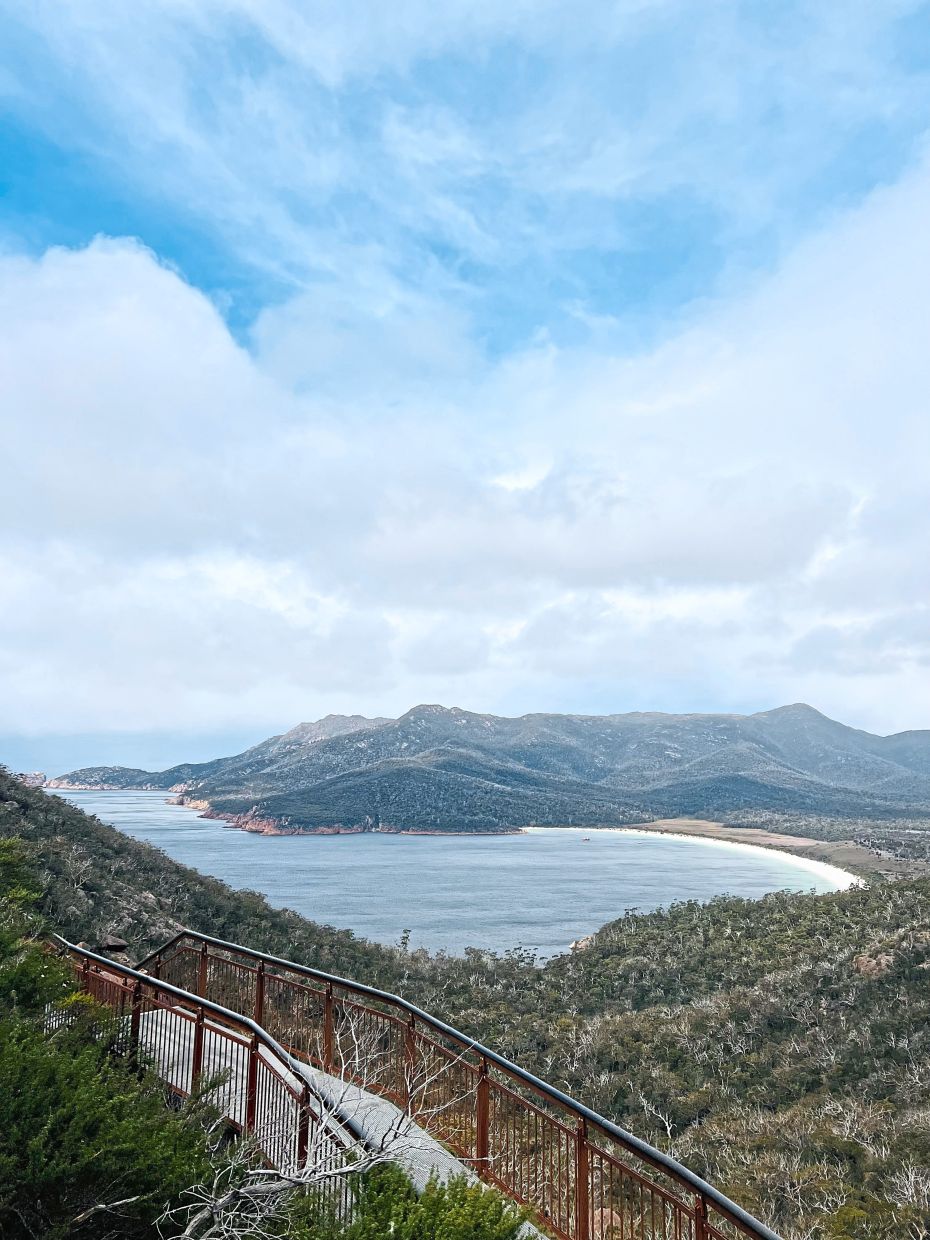
Honeymoon Bay really was stunning, but the highlight for us was Wineglass Bay.
The hike to the lookout point is about 1.3km each way from the Freycinet Visitor Centre. The trail passes through bushland, with occasional glimpses of the coastline below.
We passed backpackers who were there for multi-day hikes.
At the lookout, Wineglass Bay curved below us in a near-perfect crescent of white sand and bright blue water, framed by forested hills.
To fully appreciate the bay’s distinctive wineglass shape, however, you’d need to see it from above via a scenic helicopter ride.
On the walk back, a curious wallaby hopped into our track, checked us out for a bit then disappeared into the bush.
Speaking of wildlife, we saw plenty during our drives – kangaroos, wombats, wallabies and even deer. Koalas, however, are far less common here, so don’t get your hopes up of seeing one on your drive.
But while you won’t spot them in Tasmania, you can still see these herbivorous marsupials in other parts of Australia, such as in states like Queensland and New South Wales.
Alpine landscapes
Even though by this point we’d realised Tasmania was just one natural wonder after another, it would be easy to assume we quickly got bored of it. But we felt the exact opposite once we came upon Launceston’s Cataract Gorge.
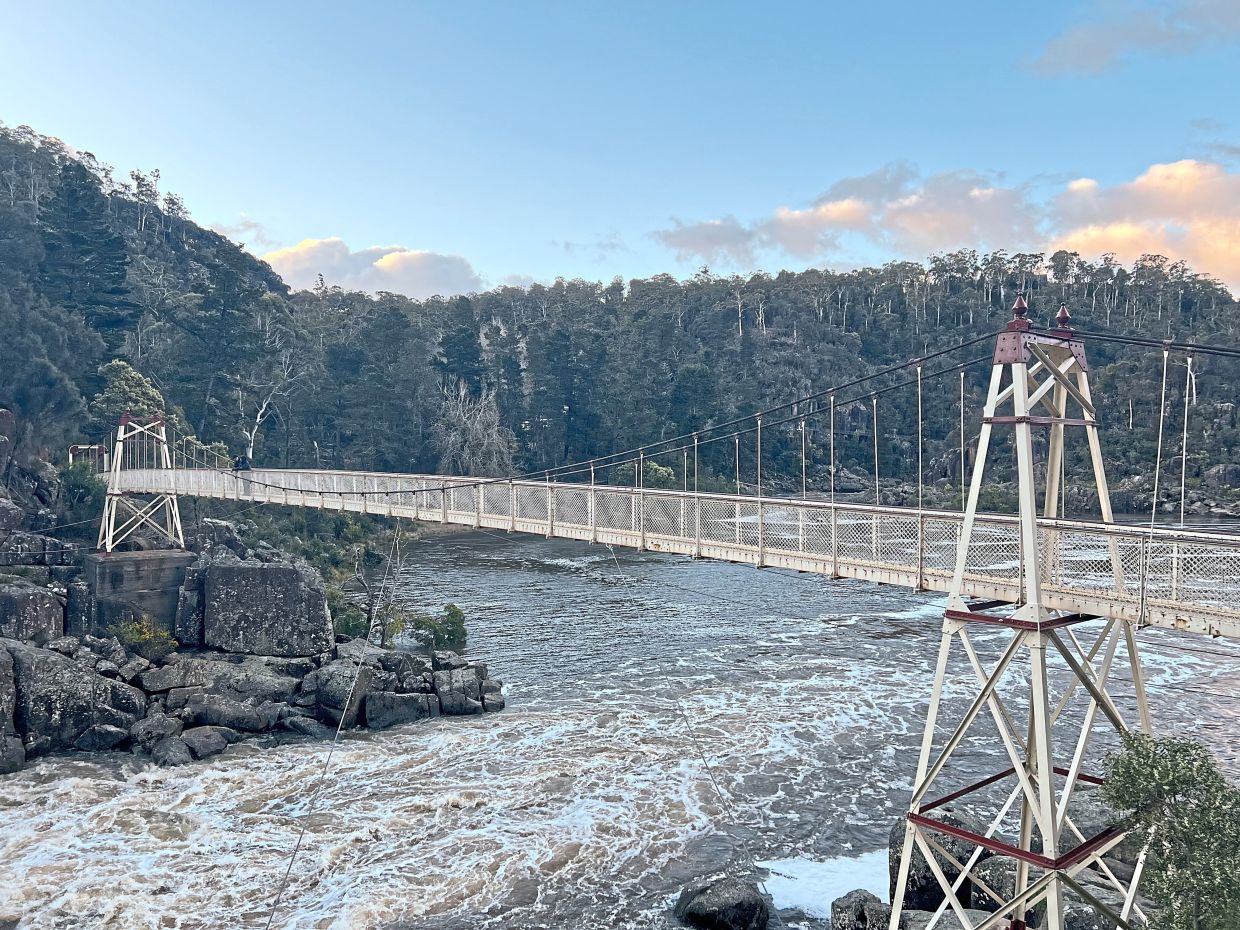
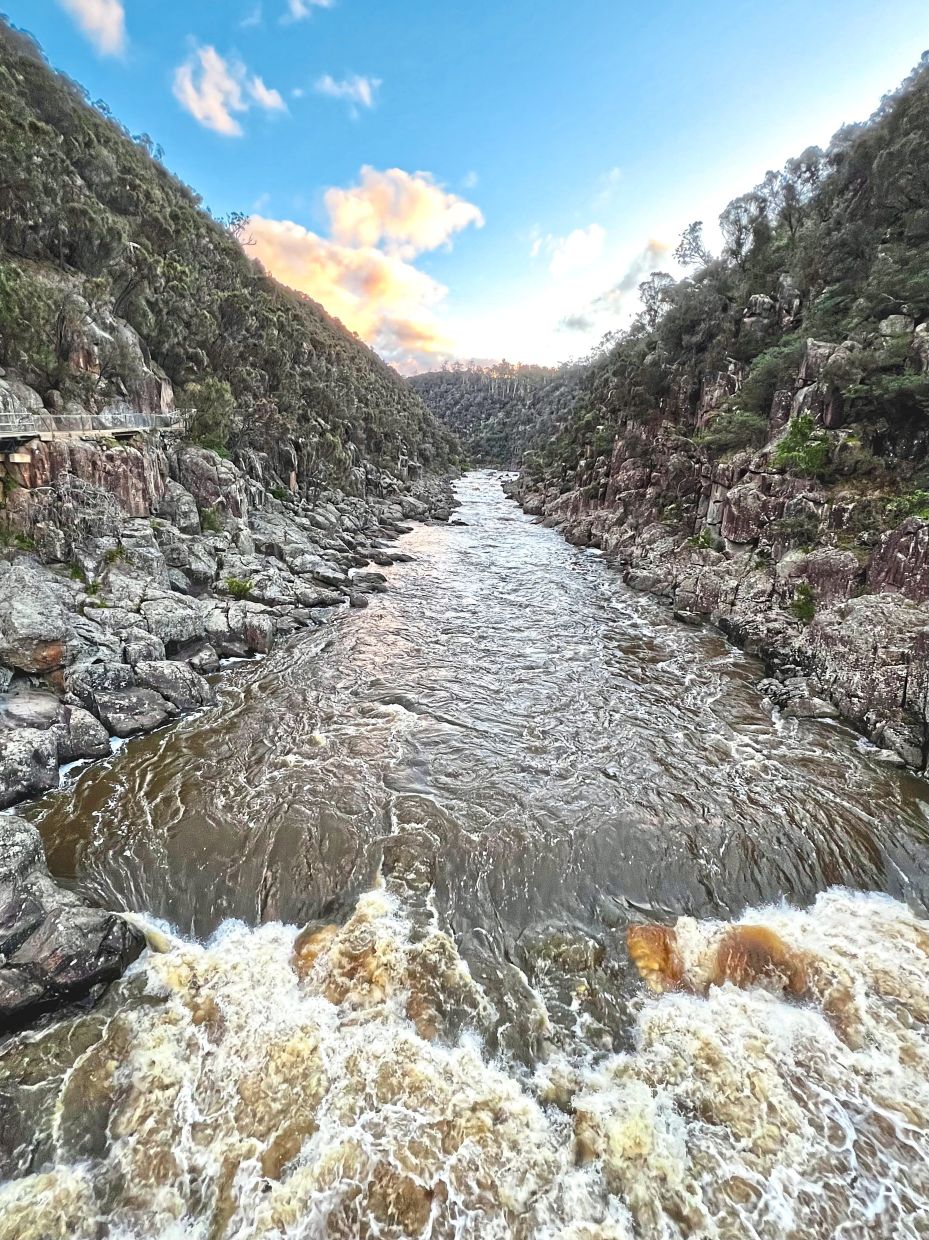
Set against towering dolerite cliffs, the gorge is believed to have formed between 65 million and 140 million years ago and holds deep cultural significance for the Palawa people, the state’s Aboriginal community.
Today, it features a mix of walking trails, a suspension bridge and a chairlift that glides above the South Esk River.
As we followed one of the pathways to the bridge, we noticed the rock face beside us sparkling in the setting sun. It turned out to be zeolite crystals.
The bridge stretched across the gorge below. It swayed gently beneath our feet, but the view of the river rushing through the cliffs made it worthwhile.
Located within the Cradle Mountain-Lake St Clair National Park, Cradle Mountain is Tasmania’s fifth-highest peak and forms part of the Tasmanian Wilderness World Heritage Area.
We took a shuttle from the visitor centre to Dove Lake, going past forests, open plains and a few wombats grazing in the distance. As the bus wound higher into the mountains, the temperature dropped. By the time we stepped off the vehicle, light snow had begun to fall.
The mountain wasn’t as heavily snow-covered as we had imagined, but the wind was biting. As we admired the mountain gradually shrouded in fog, patches of spring foliage were dusted with white.
For those who want to spend more time in the area, the national park has various trails ranging from short leisurely walks to multi-day hikes and activities such as canyoning and helicopter tours.
Visitors to the national park would need to buy a “Parks Pass” to access the trails and lookout points. You can check the Parks & Wildlife Service Tasmania website (parks.tas.gov.au/) for prices, or to buy the passes.
Meeting Tasmania’s wildlife
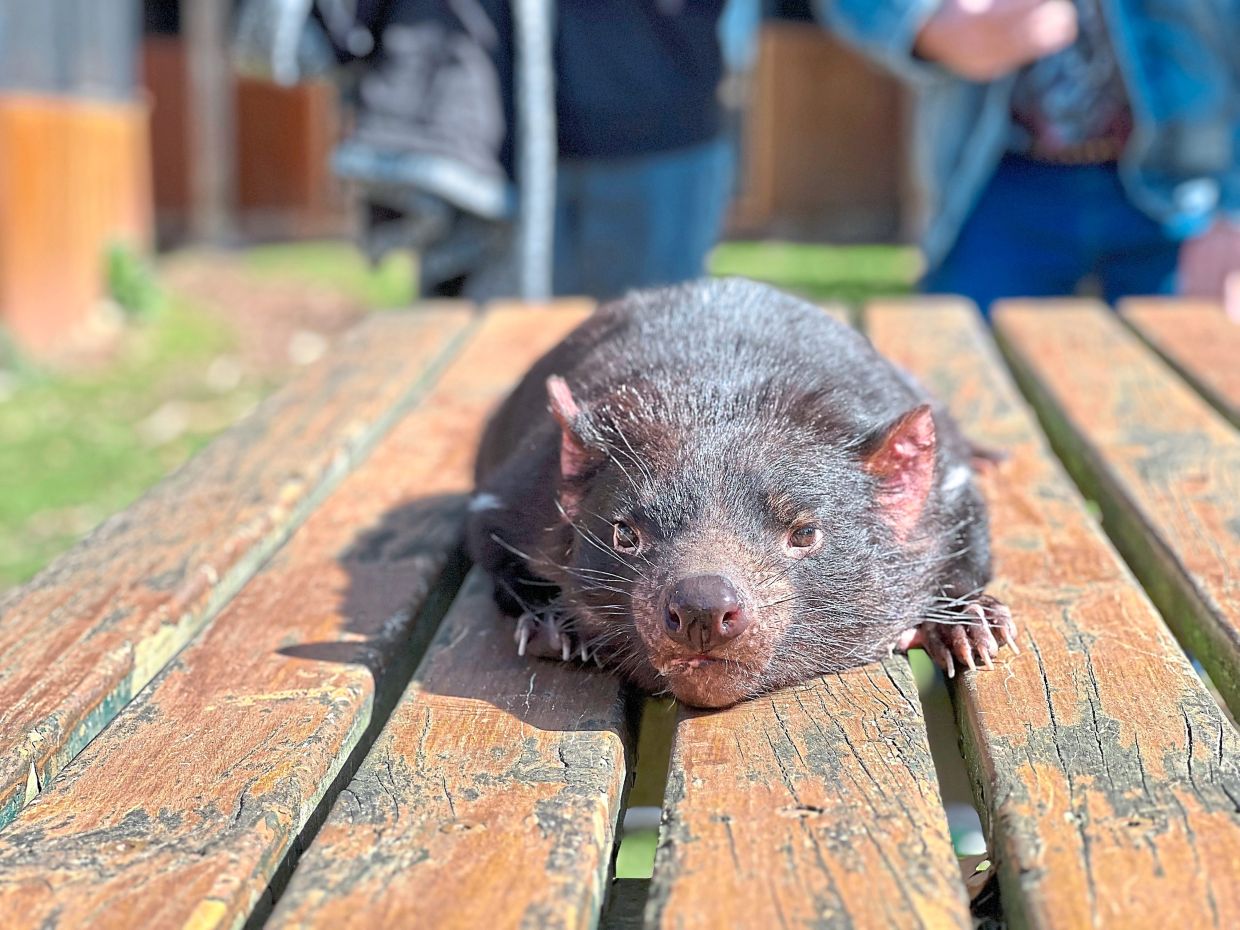
Another reason we went to Tasmania was to see one of its most famous (and adorable) residents: the Tasmanian devil.
We visited Trowunna Wildlife Sanctuary in Mole Creek, which has been caring for native wildlife since 1979.
The sanctuary provides an important refuge for several species, including Tasmanian devils, eastern quolls and Tasmanian pademelons.
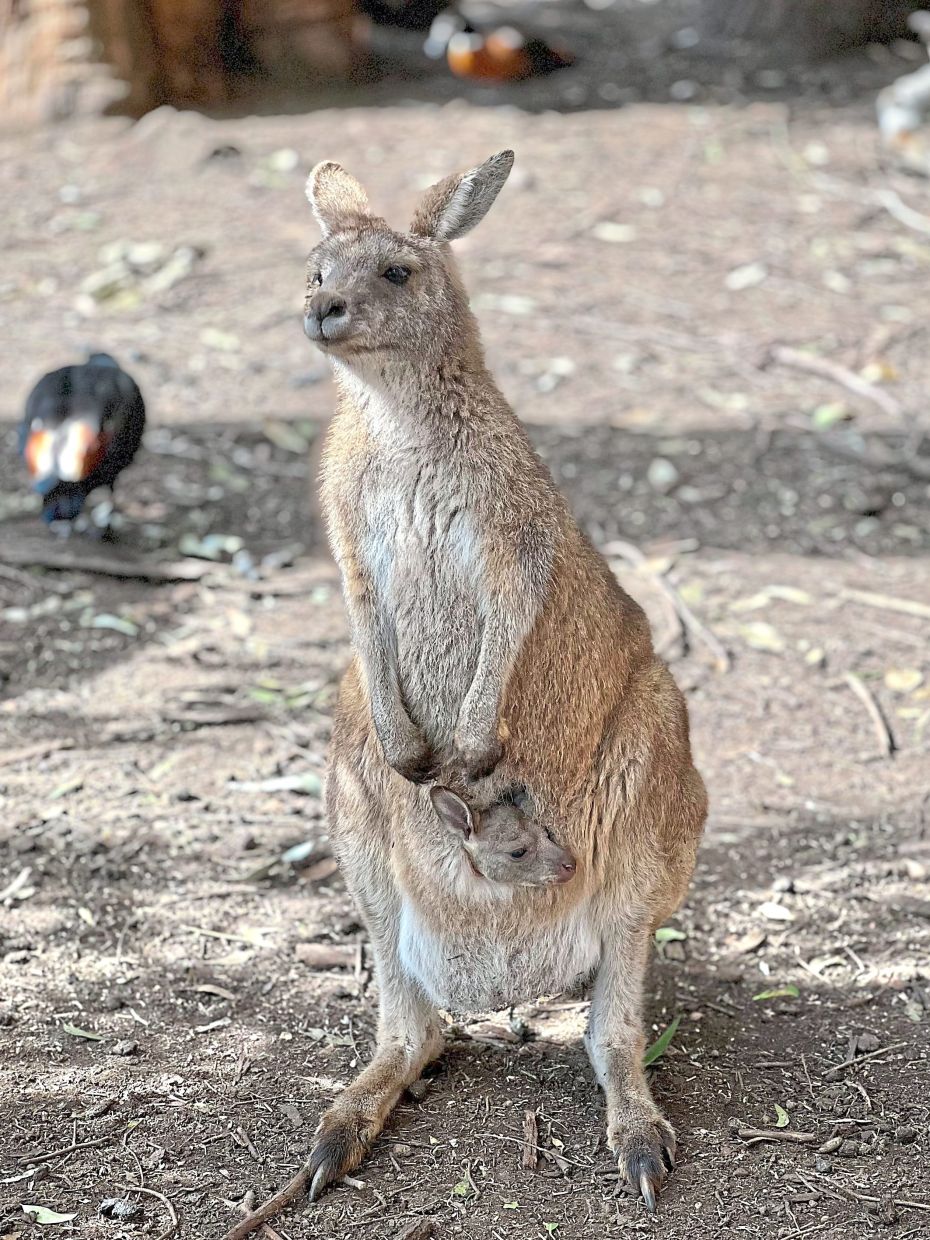
Upon arrival, we were greeted by friendly kangaroos that happily approached visitors in ex- change for a neck rub or a snack purchased from the counter.
Not all kangaroos are like this though so always be careful if you ever do see one in the wild.
General admission tickets include an interactive guided tour, which gives visitors the chance to learn about Tasmania’s unique wildlife and the sanctuary’s conservation work.
Our guide, Reanna, introduced us to wombats, pademelons, echidnas, eastern quolls and spotted-tail quolls, sharing stories about the animals in the sanctuary’s care.
Many had been rescued after suffering injuries in the wild, including two eagles that had been hit by vehicles.
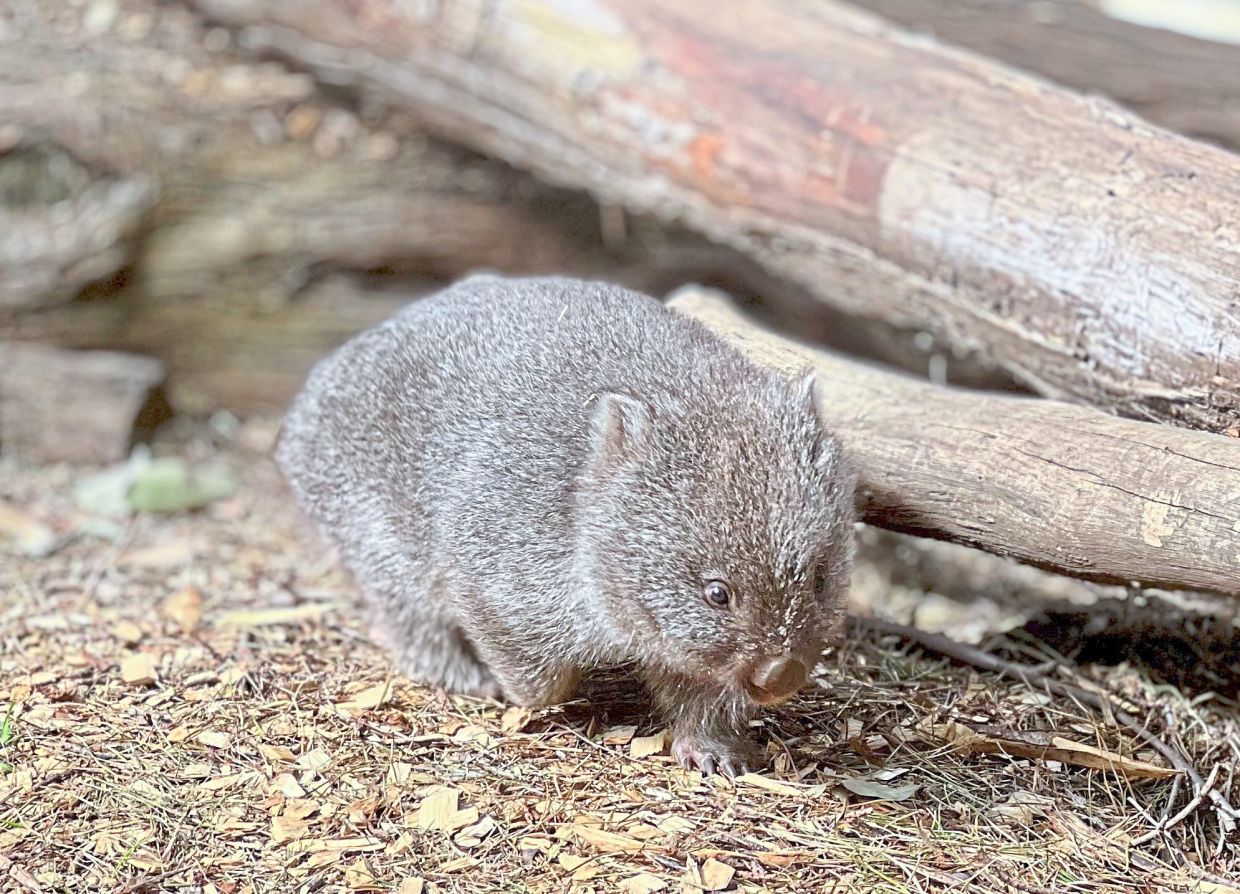
One of the most memorable moments was when Reanna carried an orphaned wombat out of its shelter and cradled it in her arms like a baby.
Everyone let out a synchronised “aww”, and the young wombat won us over.
She explained that the state is home to the bare-nosed wombat, one of three wombat species found in Australia.
At the time of our visit, several orphaned wombats were being cared for at the sanctuary and would eventually be released back into the wild. Despite their cuddly appearance, wombats are surprisingly tough animals.
“When provoked, they run into their burrows and use their powerful hindquarters to block the entrance,” Reanna explained.
“Their strong back legs can then be used to kick predators attempting to enter.”
Not long after, a series of screeches echoed across the sanctuary. It was feeding time for the Tasmanian devils.
Seconds after food was placed in the enclosure, several “devils” gathered around and fed loudly.
Their eerie screeches, powerful jaws and reddish ears are among the reasons early European settlers gave them their fearsome name.
Despite their intimidating reputation, Reanna told us the devils are generally shy.
Unfortunately, Tasmanian devils remain endangered due to Devil Facial Tumour disease – a rare contagious cancer – as well as habitat loss, and vehicle collisions.
In fact, roadkill was something we saw often while driving around here.
A friend, who lives in Australia, told us wildlife collisions are common on rural roads, especially at dawn and dusk.
His driving instructor told him that if an animal suddenly appears, it’s best not to swerve, as it could endanger both the driver and other road users.
Fun detours
Some of our best moments in Australia came from unplanned stops.
We found ourselves stopping at vineyards, berry farms and small towns that weren’t part of the original plan.
At one vineyard, we sampled several wines, including pinot noir and chardonnay, while staff walked us through the differences in each glass.
We left with a bottle that accompanied our dinner that evening.
(No, we did not drive while intoxicated or under the influence – we took turns being the sober designated driver.)
A quirky laughing kooka- burra perched on a nearby lamp post, watching us until I reached for my camera, then it flew away.
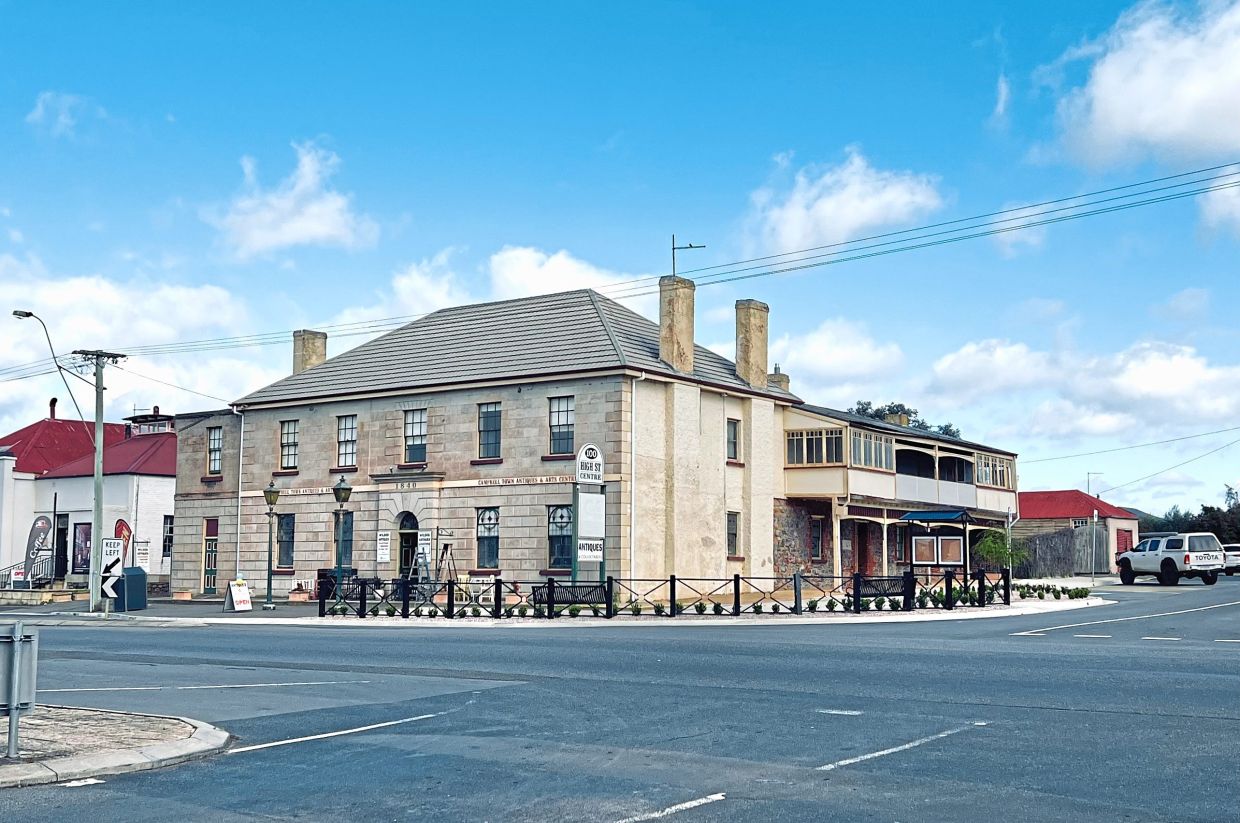
We also spent time exploring Deloraine and Campbell Town, two small towns with their own charm and histories.
Nestled along the Meander River, Deloraine is known for its well-preserved Georgian and Victorian era buildings and its annual arts and crafts festival.
Campbell Town, on the other hand, is home to Red Bridge, Australia’s oldest surviving brick arch bridge. Completed in 1838 and designed by convict architect James Blackburn, it remains part of one of Tasmania’s major highways.
No matter how far we drove or how much we saw, Tasmania always felt as though it had more waiting just out of sight. And perhaps that’s the magic of the island.
Out and about in Tasmania
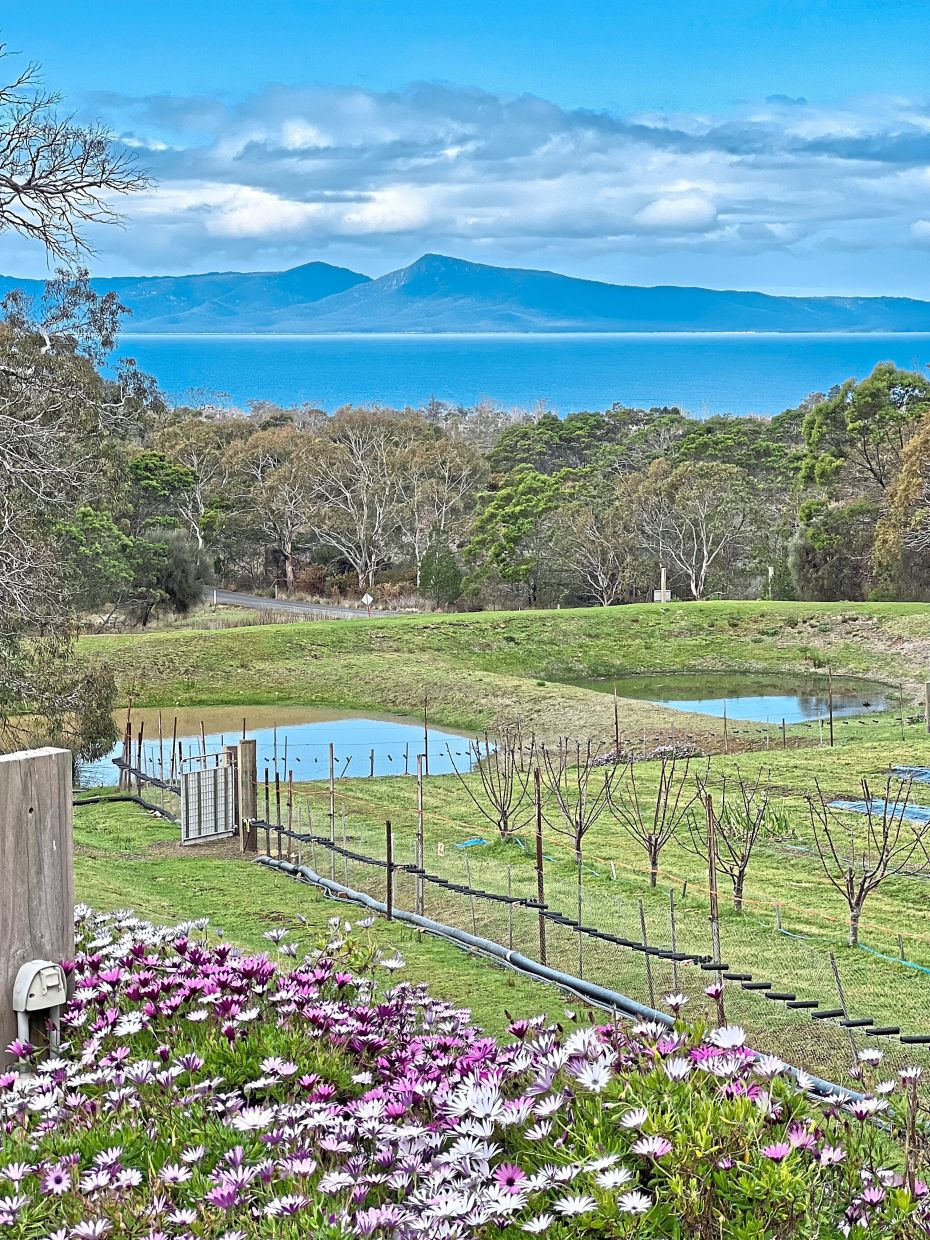
Feast your eyes on the endless stunning landscapes in Tasmania. — Photos: GISELE SOO
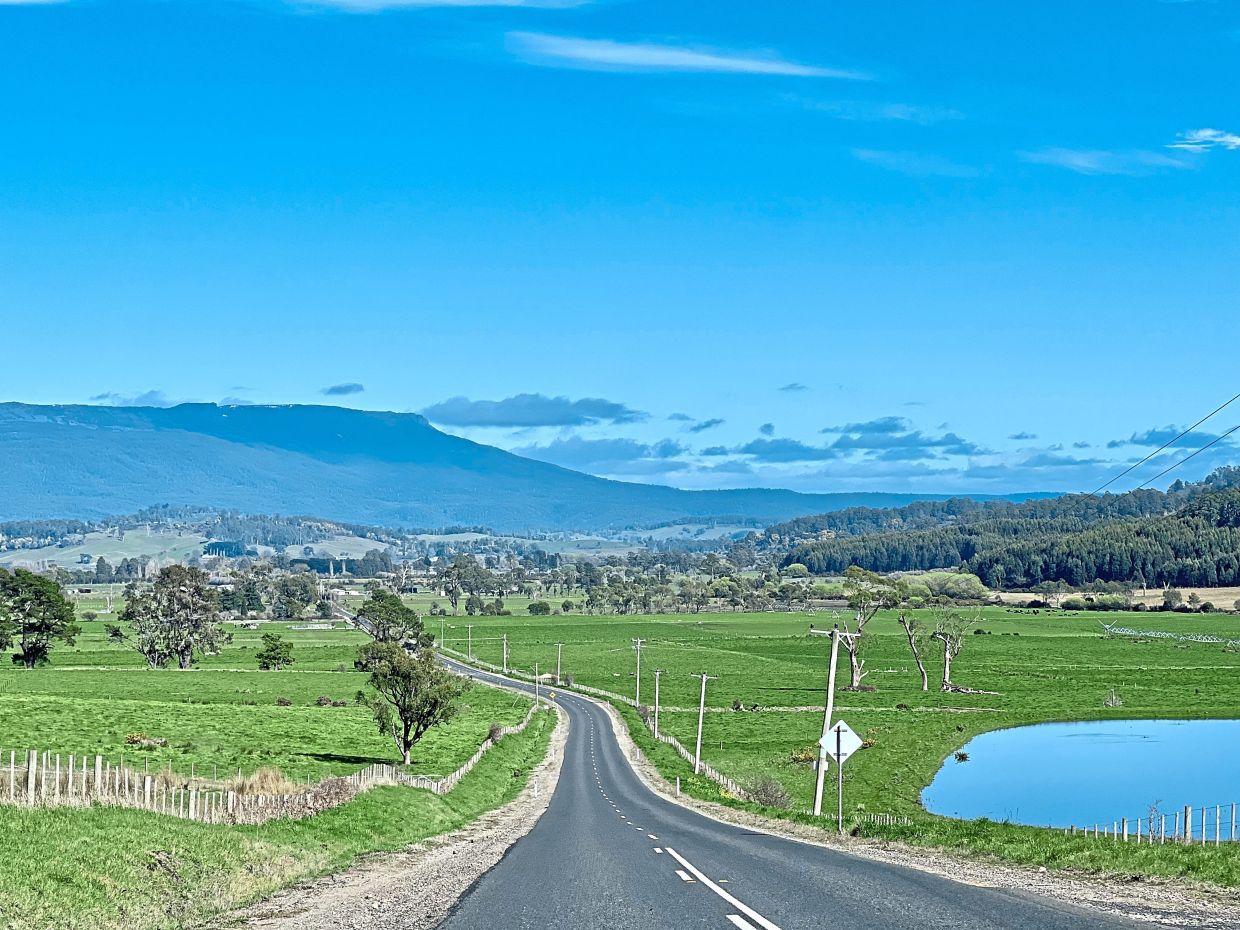
Feast your eyes on the endless stunning landscapes in Tasmania.
A road trip in Tasmania comes with many surprising detours.
A road trip in Tasmania comes with many surprising detours.
Richardsons Beach in Coles Bay also doubles as a campground.
Richardsons Beach in Coles Bay in Tasmania also doubles as a campground.
You can also admire the pink granite mountains, The Hazards, at the beach.
You can also admire the pink granite mountains, The Hazards, at the beach.
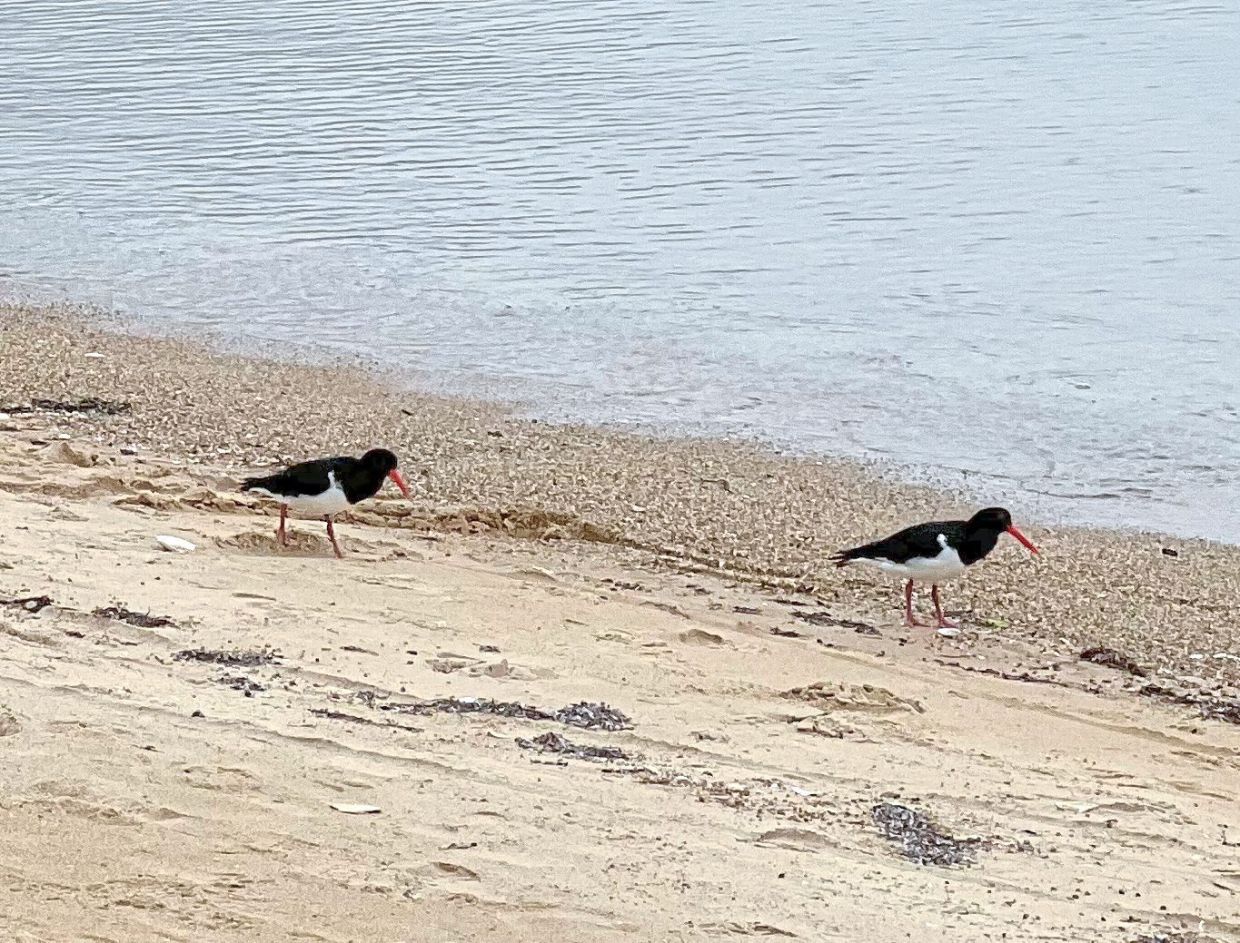
You'd be able to spot wading birds like the Eurasian oystercatchers at Richardsons Beach.
You'd be able to spot wading birds like the Eurasian oystercatchers at Richardsons Beach.
Wineglass Bay in Freycinet National Park is a popular attraction with visitors.
Wineglass Bay in Freycinet National Park is a popular attraction with visitors.
You can pet and feed the adorable kangaroos at Trowunna Wildlife Sanctuary.
Pat and feed the adorable kangaroos at Trowunna Wildlife Sanctuary.
Wombats are native to Australia.
Wombats are native to Australia.
Tasmanian devils are named so because of their eerie screeches and reddish ears.
Tasmanian devils are named so because of their eerie screeches and reddish ears.
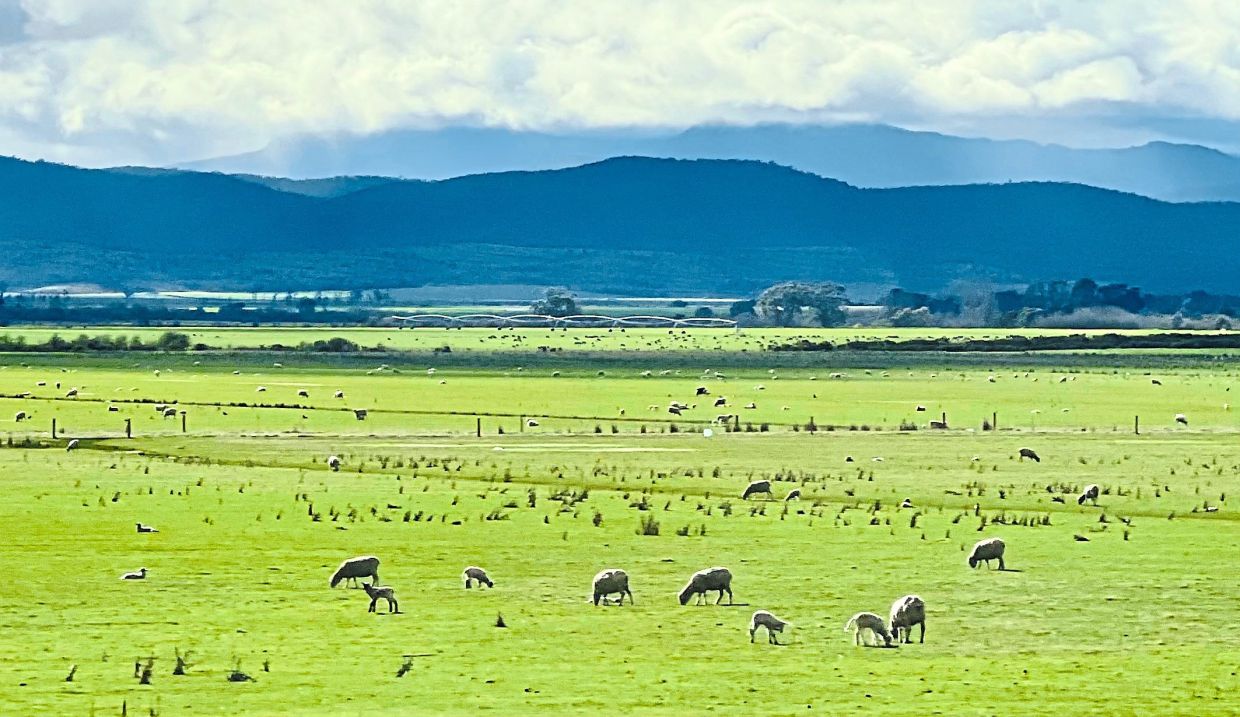
Sheep grazing in the pastures is a common sight in the island state.
Sheep grazing in the pastures is a common sight in the island state.
Campbell Town has its own charm and history.
Campbell Town has its own charm and history.
The writer’s cosy cabin in Bicheno.
The writer's cosy cabin in Bicheno, Tasmania.
Cataract Gorge is believed to be nearly 140 million years old.
Cataract Gorge is believed to be nearly 140 million years old.
Cataract Gorge is believed to be nearly 140 million years old.
Cataract Gorge is believed to be nearly 140 million years old.