
“Look, don’t touch” is a good rule of thumb for observing animals in the wild. Many tourists would automatically heed this warning when they are on a safari or wandering around a wildlife park or open-range zoo.
But the moment the animals involved are less threatening – not as ferocious as a lion or as ponderous as a rhinoceros – and physical separations in the form of fences or cages are removed, animal welfare is soon forgotten.
There are numerous social media posts, and news reports spanning decades, that show despicable acts of tourists harassing and abusing wildlife.
Docile deer are beaten and improperly fed by tourists, unsuspecting marine animals are forcibly pulled to the surface for photos, monkeys are lured in front of cameras with junk food – these actions are just the tip of a horrific iceberg.
“Situations where travellers offer garbage to deer in Japan or divers manhandling sea turtles in Malaysia reflect a lack of consideration for the animals,” says Mizan Kamalina Jummat, 29.
Mizan, a risk management professional, emphasises that wildlife should not be used as mere photo props for the sake of human amusement.
“I think part of the issue is that visitors frequently misinterpret animal actions as a green light for contact,” she adds.
Tourists might mistake a motionless animal for a calm one, or assume that an animal inching closer is seeking affection. Hence, she notes, it is important to distinguish between these different responses.
Educating the public on animal behaviour is one way to foster ethical wildlife tourism.
Some tourists, oblivious to the impact of their actions, may unwittingly take part in irresponsible activities, not realising that the simple act of feeding an eagle or bathing an elephant can cause more harm than good.
Starving the algorithm is another way. By refusing to engage with exploitative wildlife content, the incentive to create it will drop.
Yet another effective method would be to punish the perpetrators. “Deliberate harassment and repeated violations should be addressed through appropriate rules and enforcement,” says Mizan.
Ong Zhang Ming, 25, agrees and also believes that there needs to be stronger law enforcement.
“Almost all of the wildlife harassment cases are committed by individuals far too old to not be aware of the consequences of their actions,” he says, adding that they should therefore face full legal accountability.
While it may take a little more time before stricter regulations are implemented and executed it is encouraging to see that certain nations have started taking action to protect animals in tourism.
For example, several countries – recognising the strain that pack animals are put under, physically and mentally, when forced to carry tourists – are moving toward abolishing the animal rides that they’re synonymous with.
Indonesia enacted a nationwide ban on elephant riding (which was signed in December last year, and took effect this January) becoming the first Asian nation to do so. Cambodia similarly ended commercial elephant rides around its Angkor Wat complex in 2019.
Most recently, New York in the United States has announced a ban on horse-drawn carriages from its city streets and Central Park starting June 1, 2028.
Egypt, meanwhile, has been phasing out camel rides at the Pyramids of Giza as well, although a full ban has yet to be confirmed.
In Greece, particularly on the island of Santorini, donkey rides are still available for tourists but strict weight limits have been enforced to lessen the burden on the animals.

Shield the wild
Beyond enforcing ride bans, there is still more to be done to protect animals in the tourism sphere.
At the very least, providing adequate shelter with ample space for free roaming needs to be the norm.
Ong, who has visited several animal sanctuaries and joined nature tours around Malaysia, has mixed feelings when it comes to animal-based attractions. He says that while these places do provide the opportunity for the general public to observe and learn about wildlife, they can also be rife with ethical issues.
Aside from having limited living space for the animals, it is also common to see mishandling and abuse. He says that this is especially so in places where “... the organising party attempts to increase public interaction by allowing prolonged or inappropriate handling of the animals.”
Ong would know a thing or two about responsible wildlife tourism, because when he is not busy with his job as a nutritionist, he volunteers his time to Jejak Liar, a youth-led conservation project focused on biodiversity conservation. His role includes serving as a plant and insect guide and assisting with data collection.
Through his involvement in the project, he is able to gain valuable insights into nature and its preservation. He also observes that the general public is interested in learning about nature, but faces difficulty in finding suitable channels.
This is why it is all the more important for Malaysians to support organisations and initiatives like Jejak Liar, the Ecotourism & Conservation Society of Malaysia, APE Malaysia, Malaysian Wildlife and Fuze Ecoteer.
Aidil Iman Aidid, 27, founded Jejak Liar in 2024 with support from the Tunku Abdul Rahman Foundation. It may still be in its nascent stage, but it is shaping up to be a driving force behind Malaysia’s youth-led nature advocacy.
Through it, Aidil encourages younger generations to be closer to nature. He and his team take Klang Valley youth into urban forests to learn about and appreciate the rich biodiversity and ecosystem services found in such places.
“We also incorporate citizen science in our bird watching and herping trips by using applications like eBird and sharing our youth-led data collection with conservation groups and other partners,” he shares.
As an environmental advocate, Aidil believes it is important to educate the public, especially young people, about sustainable practices. Such knowledge can influence their travel choices as well, guiding them toward ethical tourism.
Aidil also opines that voluntourism, which combines a vacation with volunteer work, is a great way to travel meaningfully while giving back to the community.
He shares that at age 19, he volunteered for the Gibbon Conservation Society at its rehabilitation centre in Raub, Pahang. Through the experience, he learned a lot about the complexities of primate rehabilitation. “I learned how important rehabilitation is for an endangered species like the gibbon,” he shares.
He has also enjoyed his experiences at the Bornean Sun Bear Conservation Centre in Sandakan, Sabah and the Turtle Conservation Society of Malaysia in Kemaman, Terengganu.
“These wildlife centres are a testament to how tourism can incorporate volunteerism to leave a lasting impact on individuals,” says Aidil.
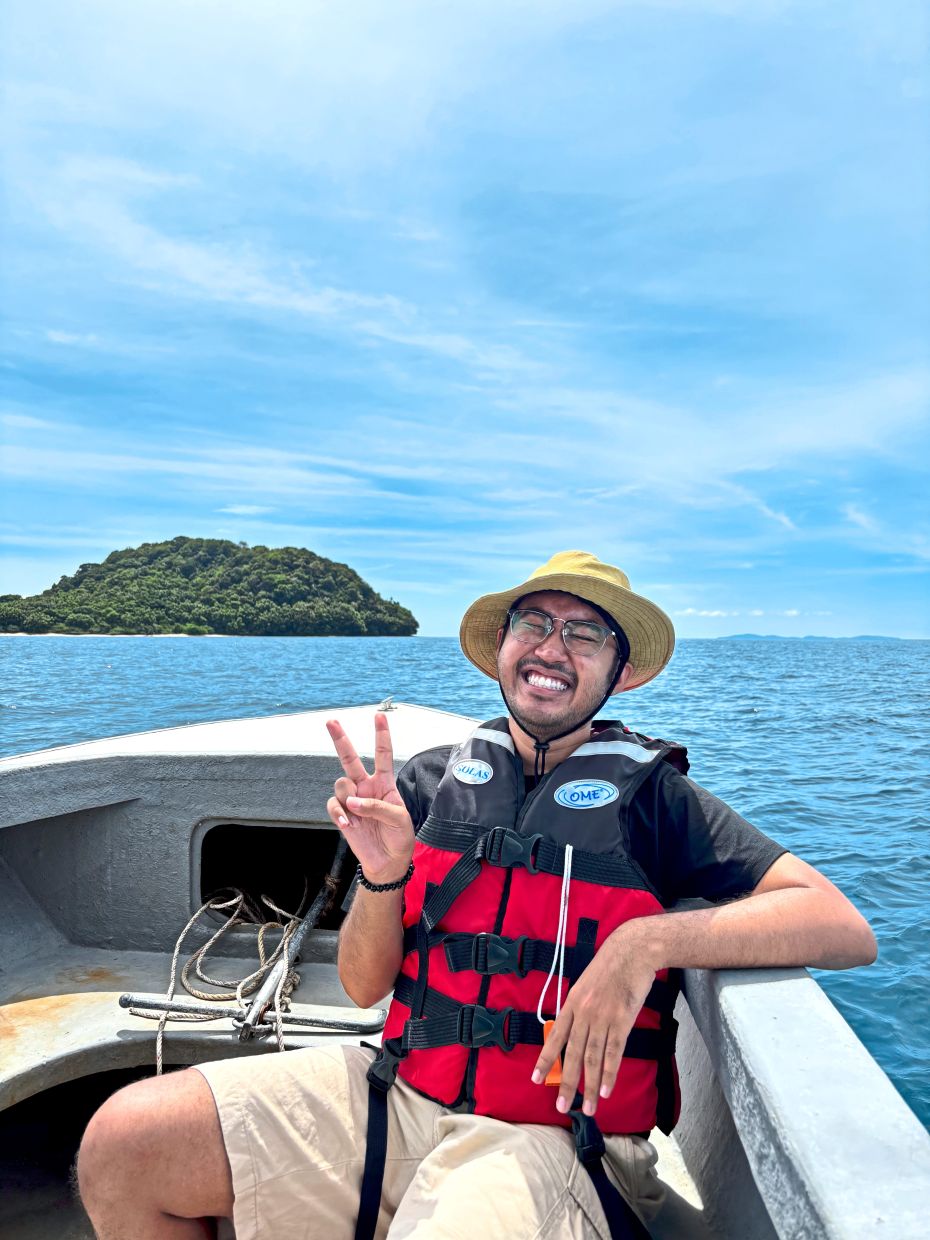
Mizan is of the same opinion, having previously volunteered at the Sea Turtle Research Unit (Seatru) on Pulau Redang, Terengganu.
“For me, being a tourist and being a volunteer are complementary experiences. One allows me to appreciate wildlife, while the other allows me to contribute to its protection,” she says.
Conservation and research centres like Seatru are important for tourism too, she says. “These places help visitors understand why protecting wildlife sometimes means limiting our own activities or giving animals the space they need.”
Roam responsibly
On her travels abroad, Mizan takes note of how other countries protect their wildlife. For instance, in Indonesia, she visited a safari-style attraction where there was no close contact with the animals. Instead, visitors would only observe from afar.
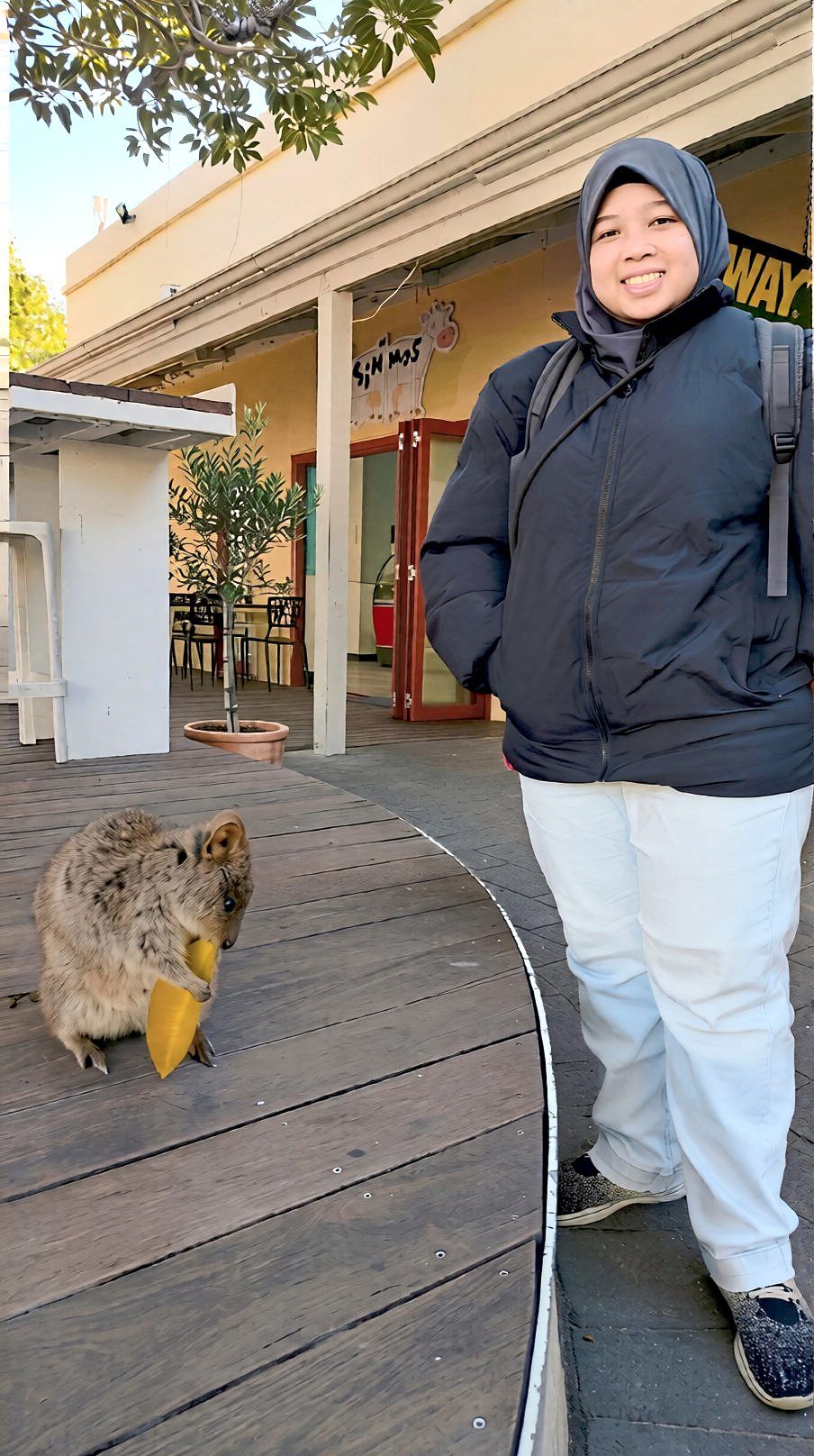
“In Australia, seeing quokkas on Rottnest Island and kangaroos on Heirisson Island gave me a different perspective on experiencing wildlife outside a typical zoo or managed attraction,” she shares.
What stood out to her was the rule against touching or feeding the quokkas, as human interaction may stress the marsupials.
A hands-off approach is definitely the way to go when it comes to ethical wildlife tourism.
She advises fellow travellers to look beyond an attraction’s marketing. It may sound thrilling to experience close encounters and photo opportunities with wildlife, especially ones not found domestically in Malaysia, but often such activities do not prioritise animal welfare.
Meanwhile, Aidil believes that exploitative places, where wild animals are forced to perform for human entertainment, should be avoided.
“This promotes unnatural wildlife behaviour with no direct benefits to what it means to protect these animals,” he cautions.
For Ong, he stresses that wild animals should not be expected to be “docile or performative”. He reminds travellers to look for tour groups with strict policies against feeding and touching animals, in order to minimise wildlife disturbance.
He emphasises the importance of being non-intrusive, saying: “The essence of wildlife tourism should always be to observe animals in their most natural, non-manipulated state.”