
The marine world is amazing. From coral reefs to schools of fish and other sea creatures gliding through crystal-clear water, the ocean is definitely worth exploring.
It’s no surprise then that more people are taking up scuba diving today.
Thanks to our geographical location, diving has always been a popular activity in Malaysia, with a handful of spots like Sipadan and Mabul islands in Sabah, Redang in Terengganu and Tioman in Pahang being internationally well-known for their diverse marine life.
More dive centres have also popped up nationwide instead of just along coastal areas, making it easier for interested folks to learn how to dive and get their diving certifications.
In celebration of World Ocean Day, which is observed annually on June 8, we spoke to a diving instructor not only to learn more about scuba diving, but to also better understand and appreciate the ecosystems that thrive beneath the surface.
After all, some people still do think of scuba diving as a dangerous or extreme activity.
According to Affan Zanila, 33, that perception often comes from just hearing or reading about diving accidents without understanding what actually caused them.
Recent incidents – including a cave diving tragedy in the Maldives and a tourist’s fatal dive in Sipadan – have sparked discussions on the risks associated with the sport.
“Everything we do comes with its own risks,” says Affan. “Diving can be fun and exhilarating, but only if you follow the proper procedures and safety measures.”
Unlike many water activities, scuba diving often requires getting a recognised certification before divers can explore independently. Through training, divers learn essential safety procedures, equipment handling and emergency response techniques before entering the water on their own.
Affan, who has been a scuba diving instructor for nearly a decade, says most diving incidents are not caused by the ocean itself but by human error.
Poor planning, equipment problems and unfavourable weather conditions are among the most common factors behind diving accidents.
Take equipment failure, for example. A faulty scuba regulator or poorly maintained air tank could leave a diver without sufficient air supply while underwater.
Weather is another factor that should never be underestimated, or accurately predicted. Strong currents, rough seas and poor visibility can make dives a lot more challenging. What appears calm from the surface can be very different once underwater, where changing conditions can disorient even seasoned divers.
Affan believes one of the biggest issues is that some divers overestimate their abilities.
“Sometimes people don’t realise they are not actually prepared for the conditions they are diving in,” he says.
While divers are taught safety procedures during their courses, some become less diligent about following them over time, Affan reveals.
One of the most important habits divers should maintain is conducting a thorough equipment and “buddy check” before each dive.
“Every diver is taught to do this but there are those who still skip this important step and take it lightly,” Affan says. “Most operators will recommend a check dive or an easier dive before allowing divers to participate in more challenging ones.”
Proper training, he adds, does more than teach technical skills. It helps divers understand the risks involved and allows them to make more conservative decisions underwater.
“Training gives you a better understanding of what can go wrong and how to avoid putting yourself in unnecessary situations,” he says.
Although Affan has not personally encountered any major diving incidents, he has seen divers panic in the water. “In the sea, there are waves, currents and often no visible seabed beneath you. That’s usually when some people start to panic.”
Although you don’t need to be a strong swimmer before learning to dive, he does recommend taking swimming lessons first. This is so you can be more comfortable being in the water.
Know your limits
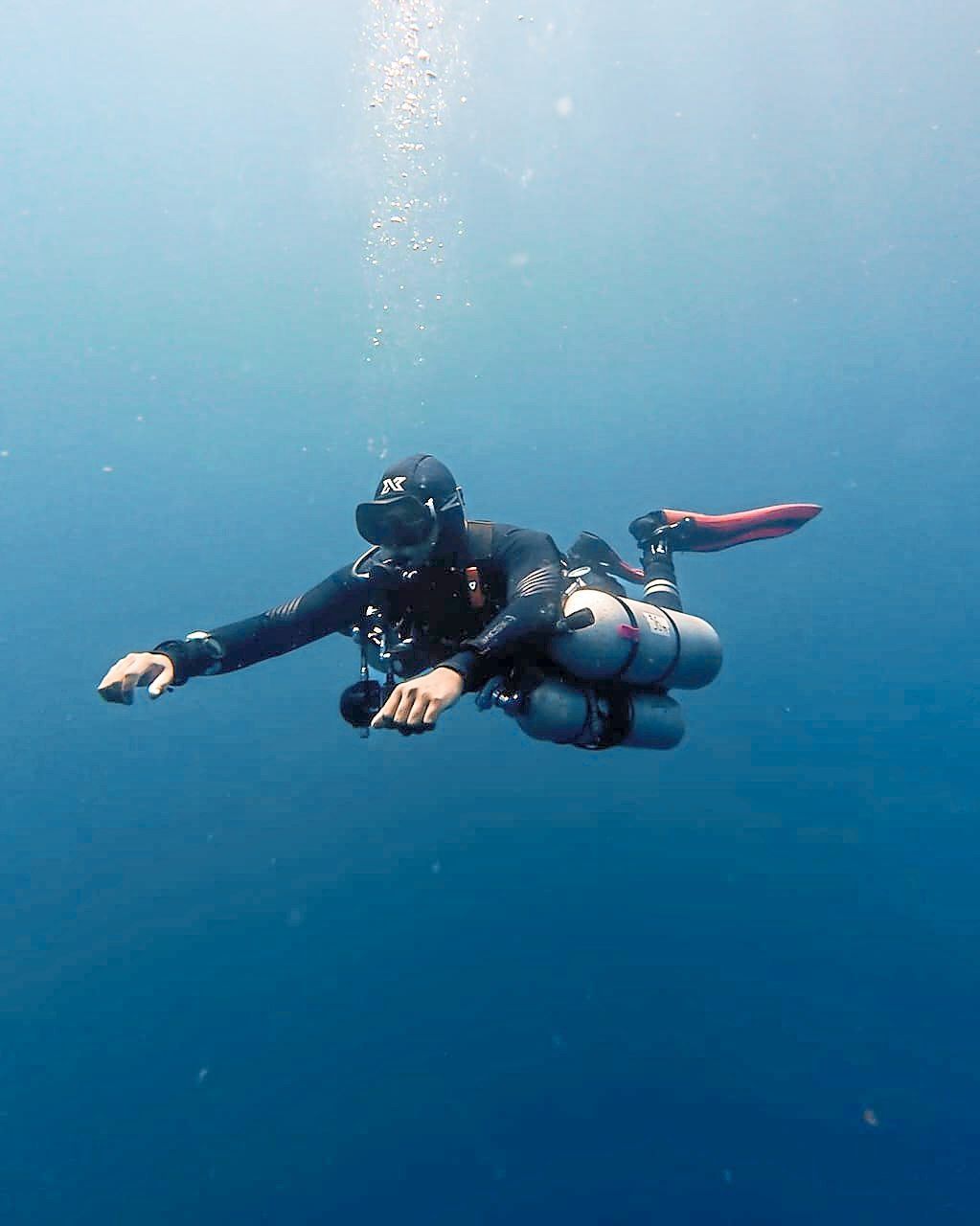
Some people think a basic diving licence allows them to dive anywhere, but that’s far from the truth. “Specialised environments require additional training and certifications,” says Affan, who got his cave diving certification in Mexico three years ago.
Cave diving is considered one of the most demanding forms of diving and requires extensive training. “Diving is already a risky activity. Imagine doing it in a pitch black cave with no direct access to the surface and relying only on a guideline to find your way out,” Affan says.
Unlike recreational divers, cave divers cannot make an emergency ascent if something goes wrong. They must navigate back through the same route they entered, often while managing limited air supplies and reduced visibility.
“A wrong plan can mean you don’t make it out,” he says.
But even recreational dives can become dangerous when divers underestimate conditions and fail to follow safety instructions.
In May last year, a Chinese tourist drowned during a dive off Sipadan, one of Malaysia’s most well-known diving destinations. Reports says that the diver had entered the water before getting permission from his instructor, causing him to panic underwater, and eventually drown.
In 2021, two divers exploring the HMS Scylla wreck near Cornwall in England lost visibility underwater, ran out of oxygen and drowned.
Affan says that wreck diving, like cave diving, presents its own set of challenges and should only be attempted by divers with the appropriate skills and preparation.
Beginners should focus on building experience in open water before considering more advanced forms of diving.
“You need a strong foundation first. If you are still learning the basics, adding another layer of complexity can be overwhelming,” he shares.
Do your homework
Part of diving’s growing popularity can also be attributed to social media. Tons of stunning underwater pictures and videos have inspired many people to take their first diving course.
Affan says that this is both a blessing and a curse. “Social media helps introduce people to diving, which is great,” he says.
“However, you shouldn’t just jump on the bandwagon without fully understanding the risks and responsibilities involved.”
With courses costing thousands of ringgit, many prospective divers naturally compare prices or rely on recommendations from friends and family.
Affan stresses that cost should not be the only consideration. Instead, he advises divers to look beyond online reviews and promotional claims and take a closer look at how a dive school operates.
Pay attention to the instructors’ experiences, teaching philosophies, training methods, the type of equipment used during lessons and even the size of the classes, Affan advises.
“Smaller groups usually mean more attention and better supervision,” he explains. “You want an instructor who can actually spend time with each student.”
He also believes students should learn using equipment and procedures that reflect real diving situations.
Affan cautions against choosing a course simply because it promises an easy learning experience or boasts a high passing rate. “Nobody likes being stressed during a course, but some level of challenge is important because it prepares divers for situations they may encounter after they are certified.”
According to Affan, the goal of training is not merely to pass an assessment, but to ensure divers are competent, confident and capable of making sound decisions underwater.
Ultimately, he believes diving is neither as dangerous nor as effortless as many people think. But being able to do it safely, he says, depends largely on proper training, good judgment and discipline.