
Changsha may not be as well known as China’s major cities such as Beijing, Shanghai or even Chengdu, but the capital of Hunan Province is still worth a visit.
The city has a good mix of historical and cultural attractions for tourists to explore, including museums, ancient towns, river islands and ... Taiping.
Today, Malaysians can fly direct to Changsha from Kuala Lumpur with either Malaysia Airlines, AirAsia or Batik Air.
Hunan Museum
Start your Changsha itinerary at the Hunan Museum. It houses more than 540,000 artefacts that showcase Hunan’s rich history and culture, but its biggest draw is the collection from the Mawangdui Han Tombs.
Unearthed in the early 1970s, the tombs belonged to the family of Li Cang, the chancellor of the Changsha Kingdom during the Western Han Dynasty.
Archaeologists uncovered more than 3,000 relics, including silk garments, paintings and ancient manuscripts. One of the most famous exhibits is Lady Dai, the body of Li Cang’s wife, which was found in remarkably good condition.
It is regarded as one of the world’s most significant archaeological discoveries.
Beyond the Mawangdui collection, visitors can also admire porcelain, paintings and calligraphy exhibits from different periods of Chinese history.
Orange Isle
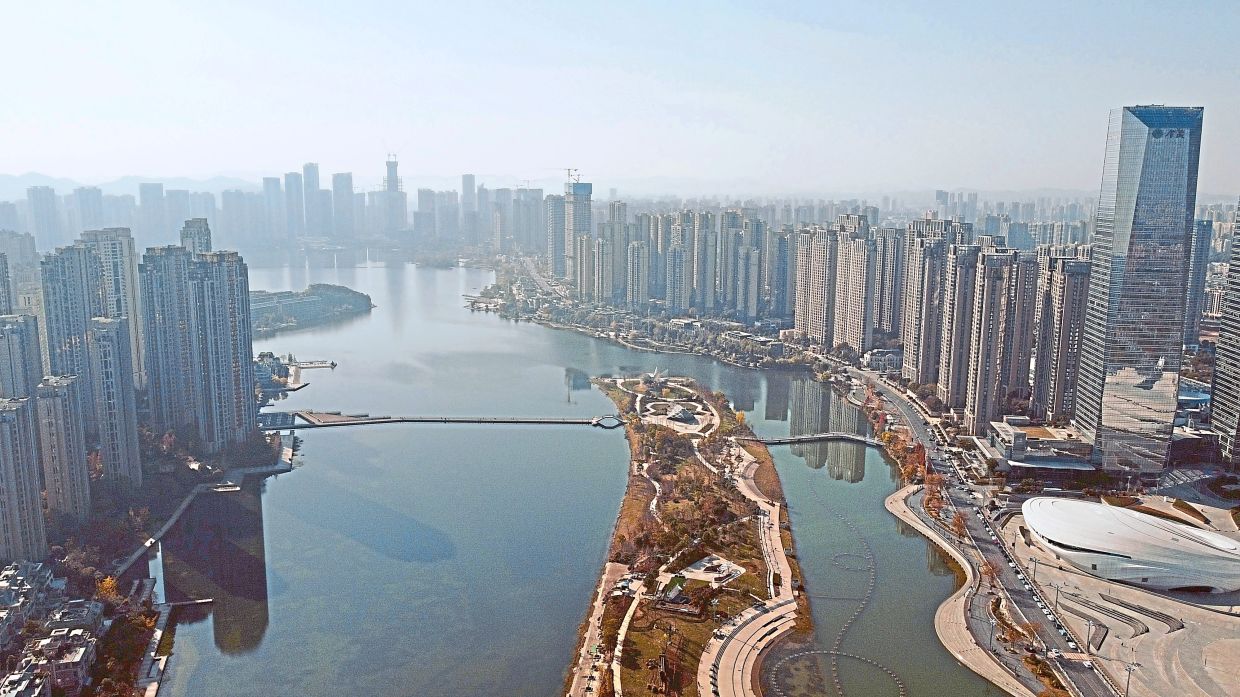
Stretching through the middle of the Xiang River, Orange Isle, also known as Juzizhou Island, is one of Changsha’s most popular attractions.
The river island is home to orange orchards, but there’s much more to see there than just the fruit. It is a spacious park where locals and visitors alike come to walk, cycle, picnic and enjoy the river views.
One of the island’s most recognisable landmarks is giant stone head of a young Mao Zedong.
It pays tribute to the years he spent studying and living in Changsha, where many of his early ideas began to take shape.
There are also landscaped gardens, walking paths and exhibition halls to explore. Spend some time here in the evening, and watch as the city comes alive with bright lights and human activities.
Jinggang Ancient Town
About a 50-minute drive from Orange Isle is Jinggang Ancient Town, which dates back more than 1,000 years.
Set along the Xiang River, the town was once a thriving commercial port, where items such as tea, silk and salt were transported through the town, helping Jinggang prosper during its heyday.
Many of its old buildings still stand today. As you stroll through the cobblestone streets, you’ll pass traditional courtyard houses, temples, teahouses and small shops selling local snacks and handicrafts. The town is a welcome contrast to the bustling city and a great place to spend a leisurely afternoon.
Taiping Street
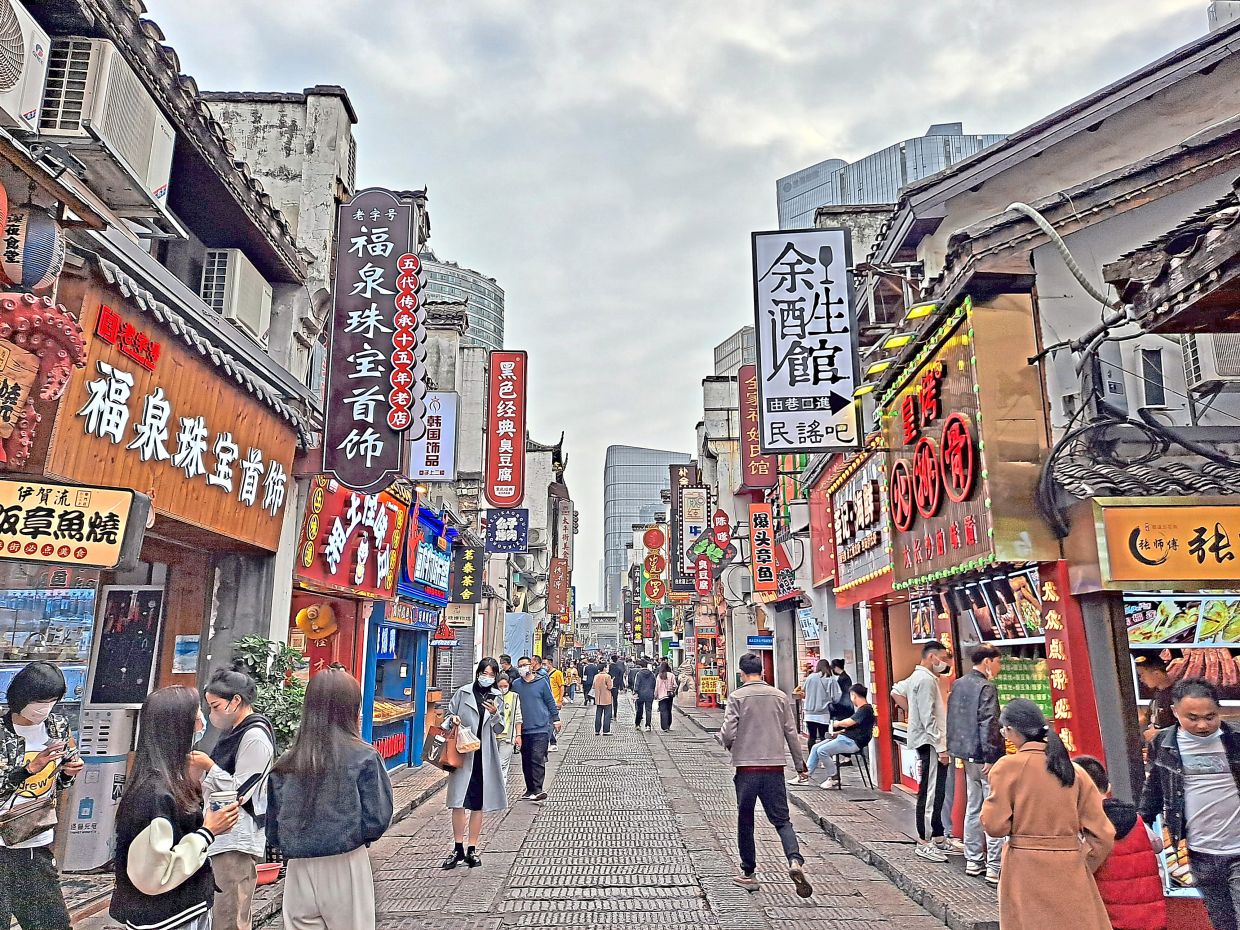
A different Taiping, obviously. Taiping Street in Changsha is a good place to admire the city’s architecture.
It is actually one of Changsha’s oldest streets, and one where you can find real Hunan cuisine. Some of the local favourites you can try include stinky tofu, spicy crayfish and sugar oil cakes.
If you’re not feeling particularly adventurous when it comes to food, there are plenty of “regular” cafes and restaurants where you can get decent meals, any time of day.
The street is a good spot to pick up souvenirs, too, from handmade crafts to locally produced tea and snacks.
Du Fu Pavilion
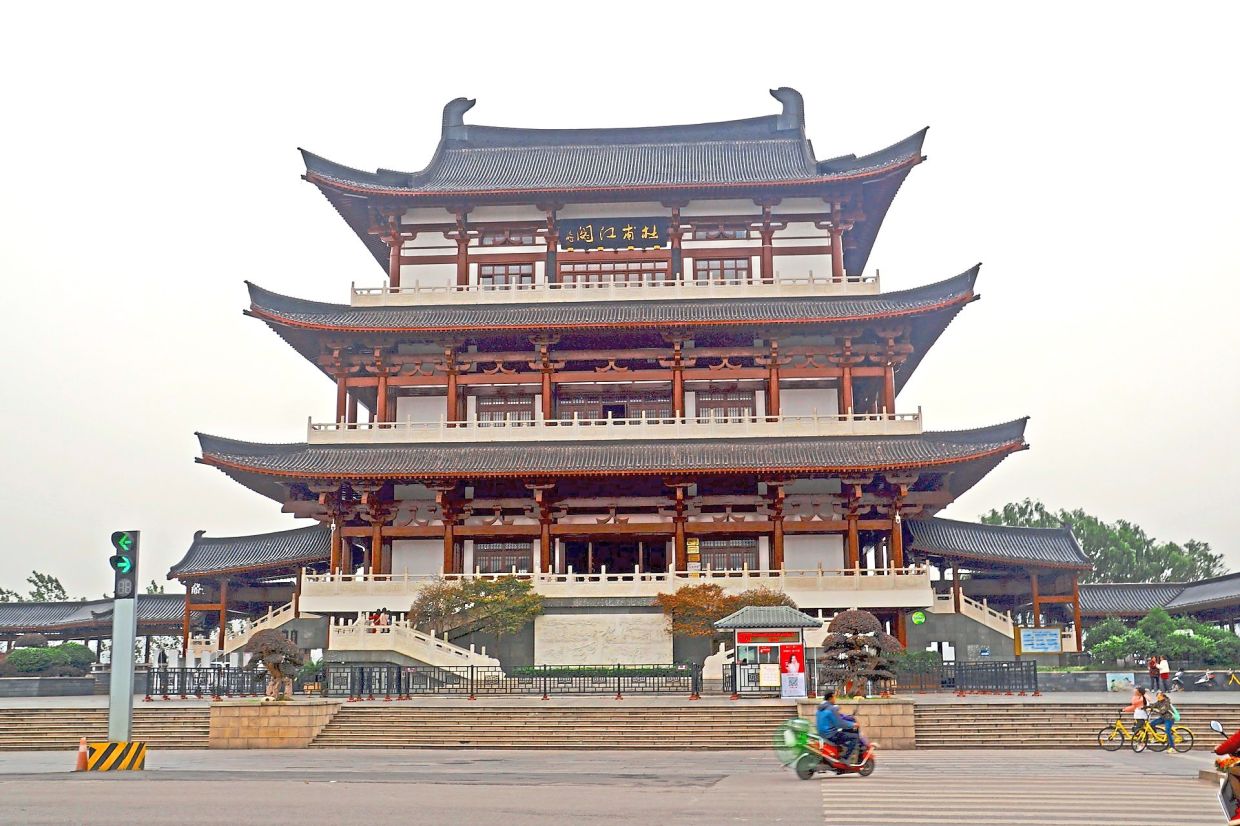
Standing on the banks of the Xiang River, Du Fu Pavilion is dedicated to one of China’s most celebrated poets, Du Fu, who spent part of his later years in Hunan.
Built in traditional Chinese style, the multi-storey pavilion features elegant wooden halls, sweeping roofs and intricate carvings.
Inside, visitors can learn about the poet’s life and read some of his works.
From the upper floors, visitors can enjoy panoramic views of the Xiang River, Orange Isle and the Changsha skyline.
Yuelu Mountain
For a break from the city, head to Yuelu Mountain.
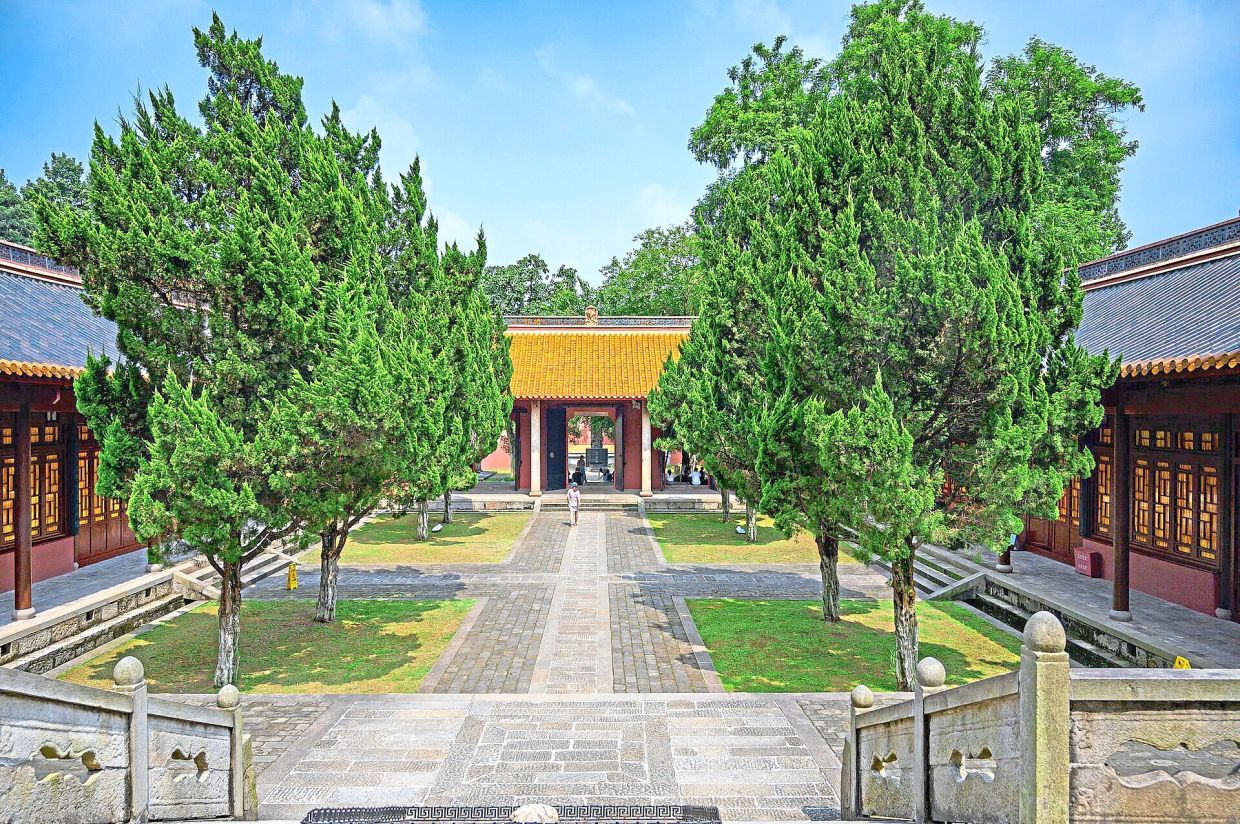
Start your adventure at the foot of the mountain, where you will find Yuelu Academy, one of China’s four renowned ancient academies. Established more than 1,000 years ago, it remains one of the country’s best- preserved learning institutions.
Today, the academy is part of Hunan University.
After that, take a leisurely walk up the mountain. You will find several walking trails here, which take you through forests featuring maple and pine trees.
The mountain is especially beautiful in autumn when the maple leaves turn into shades of red and orange. One of the most photographed spots is Aiwan Pavilion, which has a colourful scenery.