
One morning over breakfast in Kuala Lumpur, my friend Feizal announced that he planned to build his retirement home in the middle of a padi field in Perlis, Malaysia’s smallest state located in the north of the Peninsular.
I was convinced that Feizal, who was 48 then, had finally lost his marbles.
Two years later, he invited me to see his newly completed dream home. Since Perlis was the only Malaysian state I had yet to visit at the time, I decided to take up his offer. I booked two train tickets from KL Sentral to Arau, and set off on a northern adventure with my wife.
Looking out the window during the five-hour train ride, it felt as if we were watching Malaysia’s development unfold in reverse order. KL’s skyline of office towers, apartment blocks and busy flyovers slowly faded as the train rolled into Selangor’s suburban towns, where rows of terrace houses and modest shoplots lined the tracks.
Soon, the concrete gave way to a sea of green, with vast oil palm estates stretching to the horizon on both sides.
Further north, the scenery grew more picturesque. Rugged limestone hills struck an imposing presence against the clear blue sky as we passed through Perak, before the landscape softened into Kedah’s verdant rice fields. By the time we approached Perlis, scattered kampung houses and swaying coconut trees dotted the countryside, quietly welcoming us.
Feizal was waiting for us at the Arau train station. We drove for about 15 minutes before turning into a narrow lane and then back to the tranquil countryside. A sweeping expanse of padi fields opened up before us, framed by the limestone hills on the horizon.
A deep sense of calm instantly washed over me as I took in the view of egrets gliding lazily above the rice fields, while a gentle breeze rippled through the green stalks.
“That’s the new place,” Feizal said proudly, pointing toward a white U-shaped house with a dark grey roof built in a minimalist style. The single-storey building stood out against its surroundings, the only modern structure in a sea of green padi fields.
Feizal smiled. This city “boy” now is far removed from the stress of city life. Perhaps he wasn’t so crazy after all when he made that life-changing decision two years ago.
The next few days unfolded in a whirlwind of discovery. We began with a leisurely river cruise towards the Kuala Perlis estuary, where the setting sun turned the sky into a dazzling kaleidoscope of gold.
We rose early the next day to catch the sunrise at the Wang Kelian viewpoint. As the first light of day spread across the sky in glowing shades of gold and orange, the ancient Nakawan mountain range slowly emerged from the morning mist, rising majestically above its surroundings.
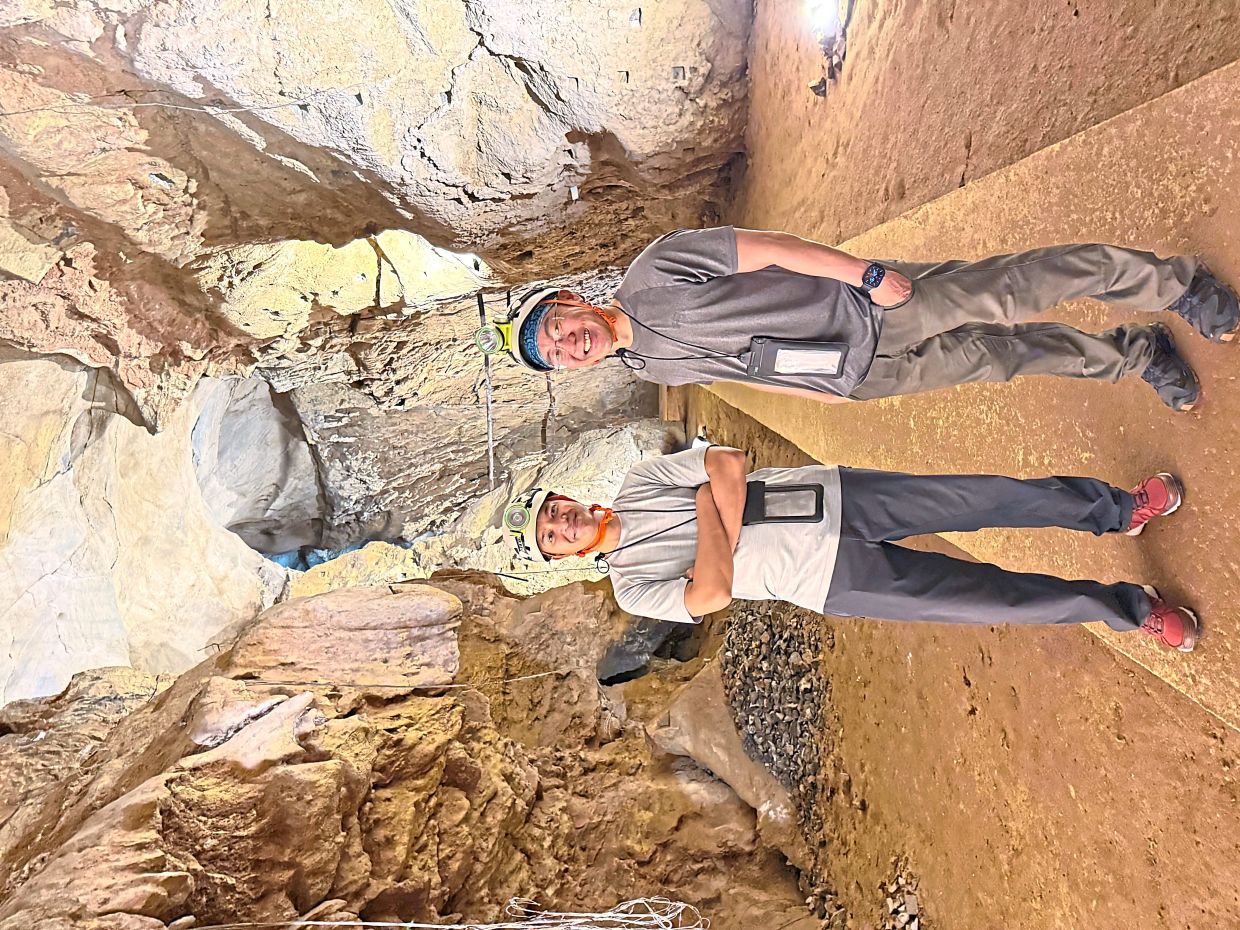
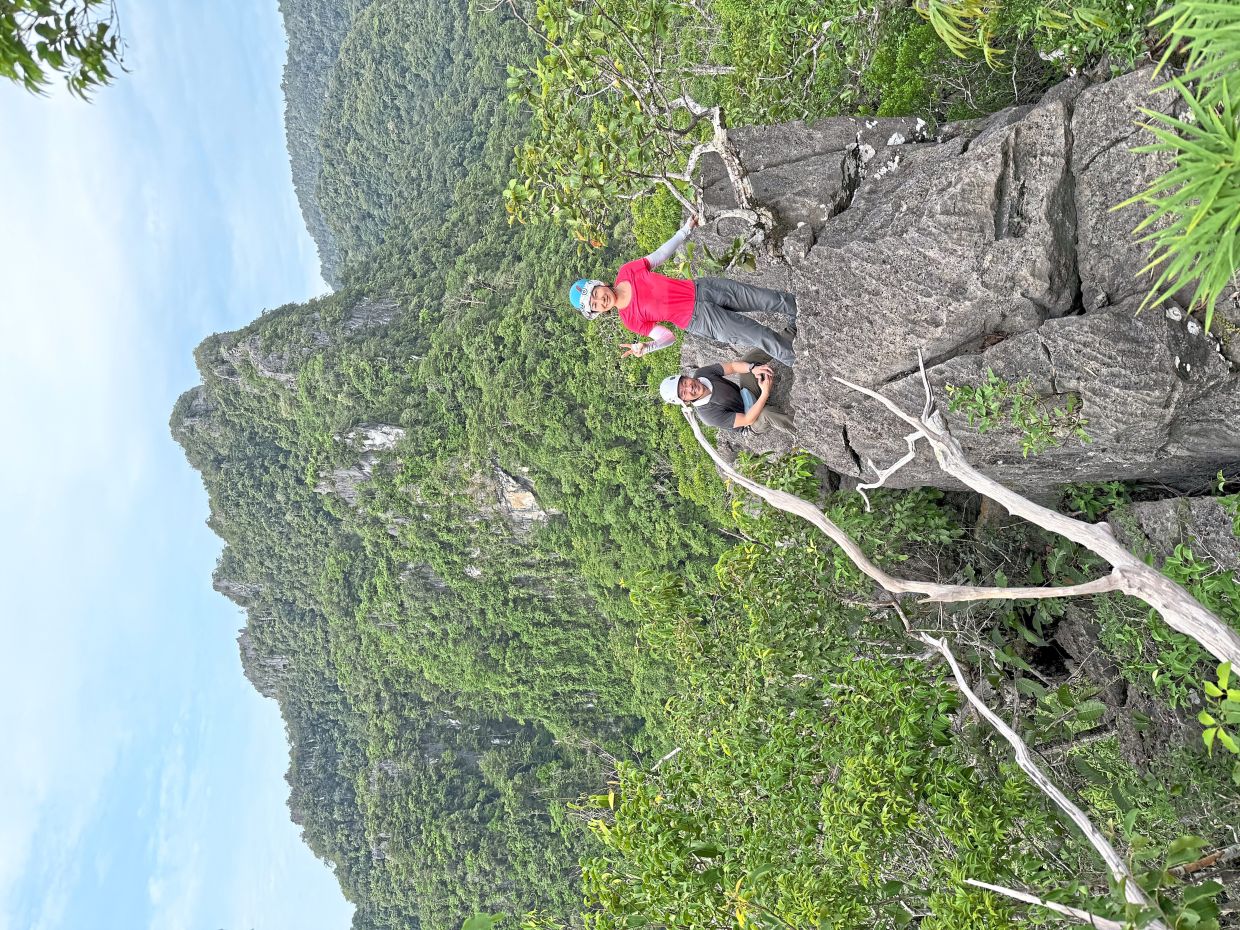
Adventure soon followed. We climbed Wang Mu, a limestone hill that delivered both breathtaking views and a few heart-stopping moments as we edged along its rocky cliffs. At Gua Kelam, we spent hours wandering through a labyrinth of mysterious chambers dramatically illuminated by colourful lights. Later, we took a well-deserved rest at Kaki Bukit, once a bustling Chinese mining town, but now a quiet village where locals greet us with warm smiles.
Perlis also proved to be a cycling paradise. Feizal led us on an unforgettable two-hour ride through the padi fields, past limestone hills and quiet roads where cars were scarce and friendly villagers greeted us along the way.
Some moments felt almost surreal. In a cave behind a Chinese temple, we stood still as hundreds of bats swirled around us, their flapping wings stirring a soft, cool breeze against our faces.
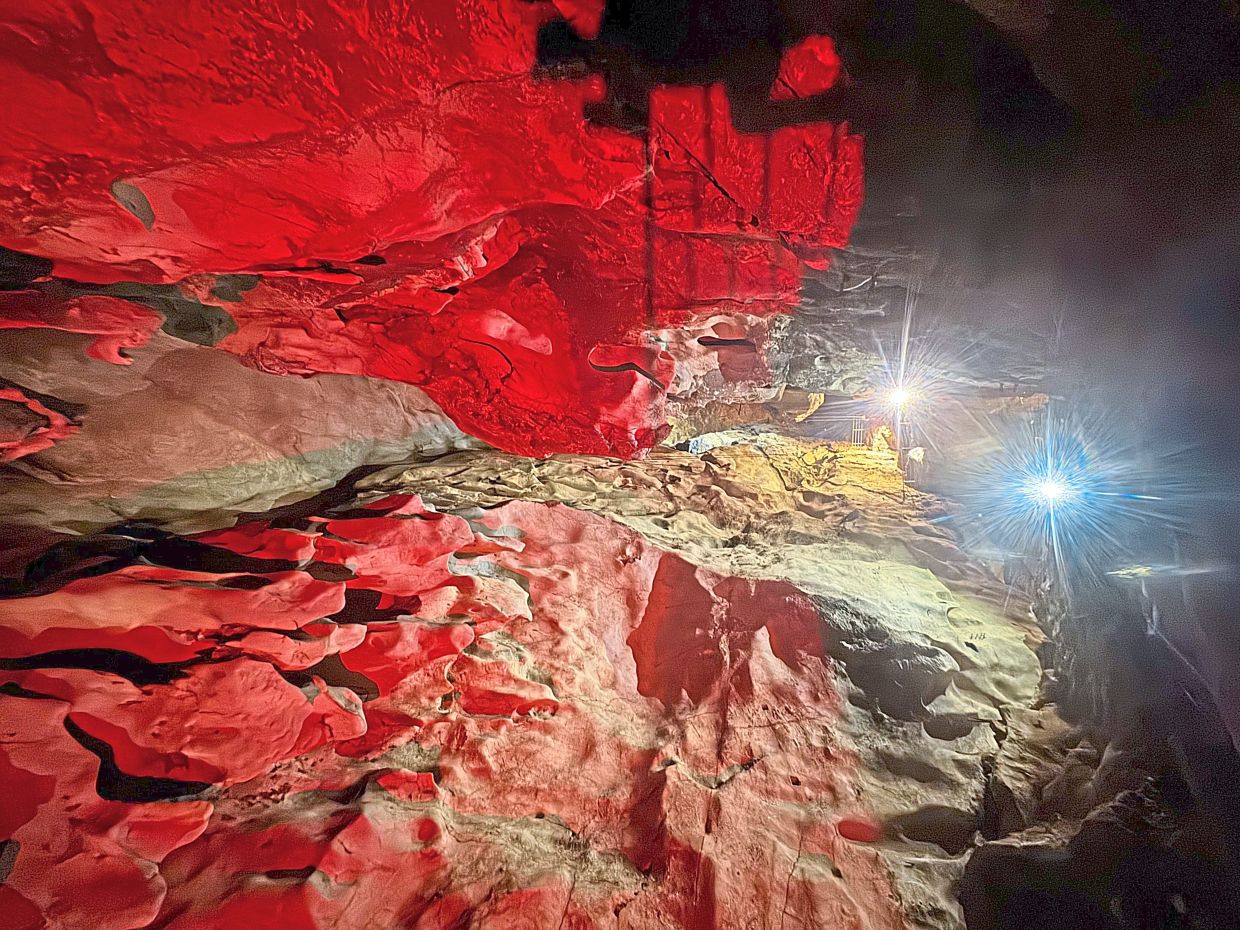
At Gua Kelam, we waded into a cold underground stream hidden deep within the cave. At another moment, we found ourselves perched precariously atop a limestone hill, gazing across the sweeping valleys below and wondering how we could make it down in one piece.
And then there was the food. What an astonishing spread Perlis had to offer. From Malay to Chinese and Thai, every meal is a sumptuous display of diverse cooking styles, rich sauces, and freshness. In truth, it was probably fortunate we stayed only three nights, because any longer and our waistlines might not have survived the trip.
I could hardly believe how quickly the time had passed before it was time to return to KL. Before the trip, I had wondered aloud whether three nights might be too long to spend in Perlis. I should have planned for a longer stay.
This little state remains wonderfully unspoilt, free from the usual tourist crowds and has something for everyone. As the train began its journey south, I told my wife we should keep this our little secret, so we could return again and again to this unassuming northern paradise.
The views expressed here are entirely the writer’s own.