The remote Kamchatka Peninsula in Russia recently made headlines as parts of the region experienced the heaviest snowfall in 60 years, according to Reuters.
The average height of snow in the city is said to have reached 1.7m, with drifts exceeding 2m in certain neighbourhoods. However, some pictures and videos circulated online have been proven to be AI-generated.
Even so, Kamchatka has been getting a lot of snowfall in the past few weeks, and is known to be one of Russia's coldest places (though not the coldest), with temperatures dropping to -40ºC.
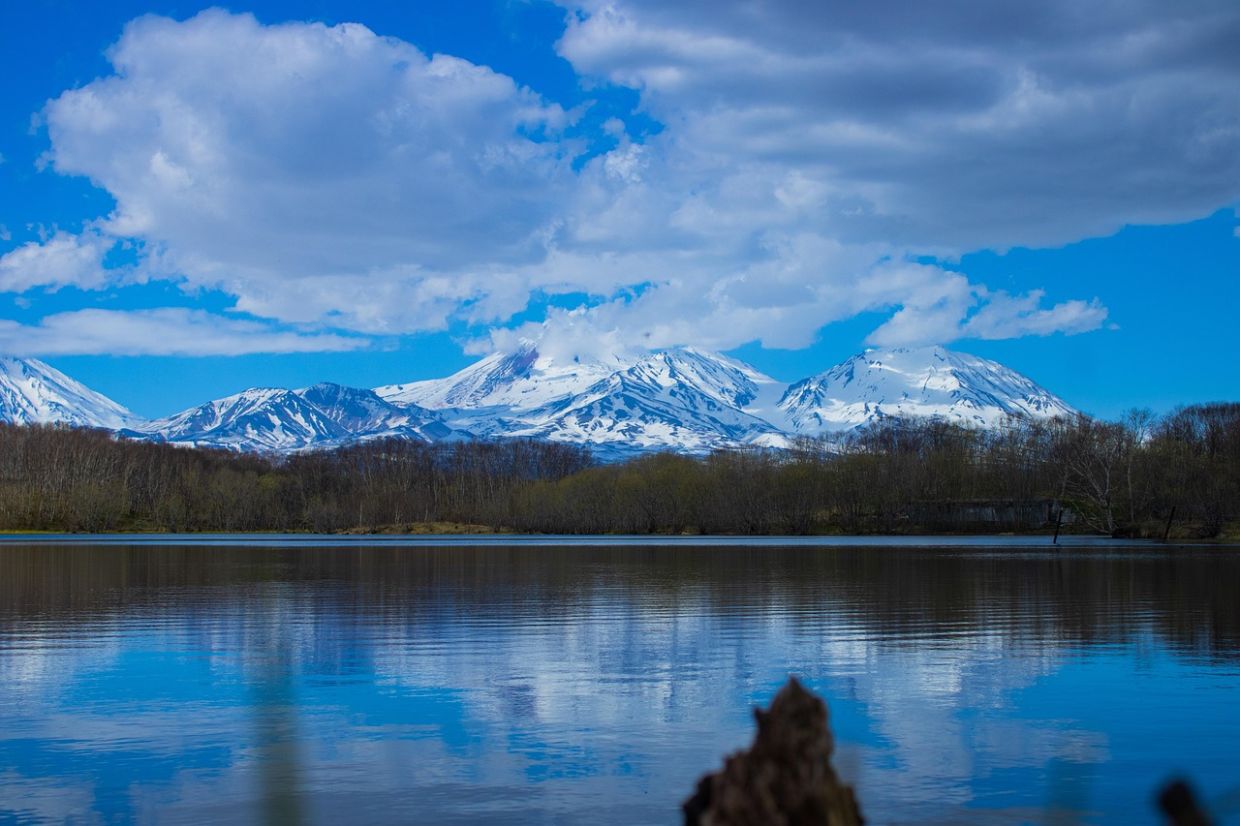
Located in Russia's far east region, Kamchatka is regarded as a "premiere" fire-and-ice tourist destination, in that it has both snow/ice and fire in the form of volcanic lava.
Kamchatka is known for its volcanoes, such as Bakening, Koryaksky and Kronotsky. Within the Unesco-listed Kronotsky Nature Reserve, visitors can take helicopter tours of the volcanoes, covering up to 200km. They can also explore the Valley of Geysers, which spans over 250km.
The nature reserve also has several trekking and hiking trails.
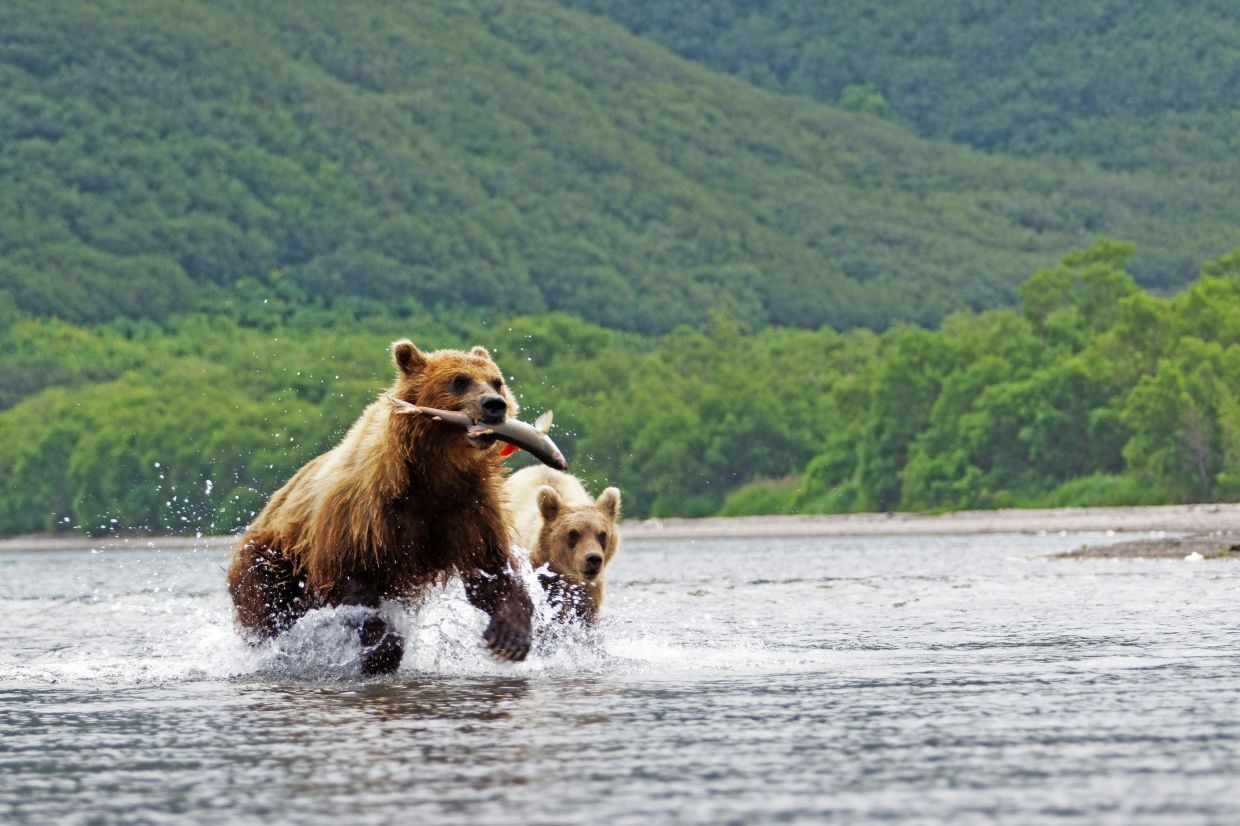
Russia is home to one of the world’s largest brown bear populations, especially in Kamchatka. Bear-watching tours are very popular here, which gives visitors the opportunity to observe these animals in their natural habitat as they fish and roam along the rivers.
To reach the Kamchatka Peninsula from Kuala Lumpur, you have to first fly to Moscow. The journey will take approximately 15 to 20 hours, depending on your airline and route. From Moscow, take a domestic flight to Petropavlovsk-Kamchatsky, which takes another eight to nine hours.
If you plan to visit during winter, it’s wise to stay flexible, as heavy snow can sometimes delay flights.