
“Texel has everything you need,” says guide Henk Slikker laconically. He moved to the Dutch island 36 years ago and never considered going back.
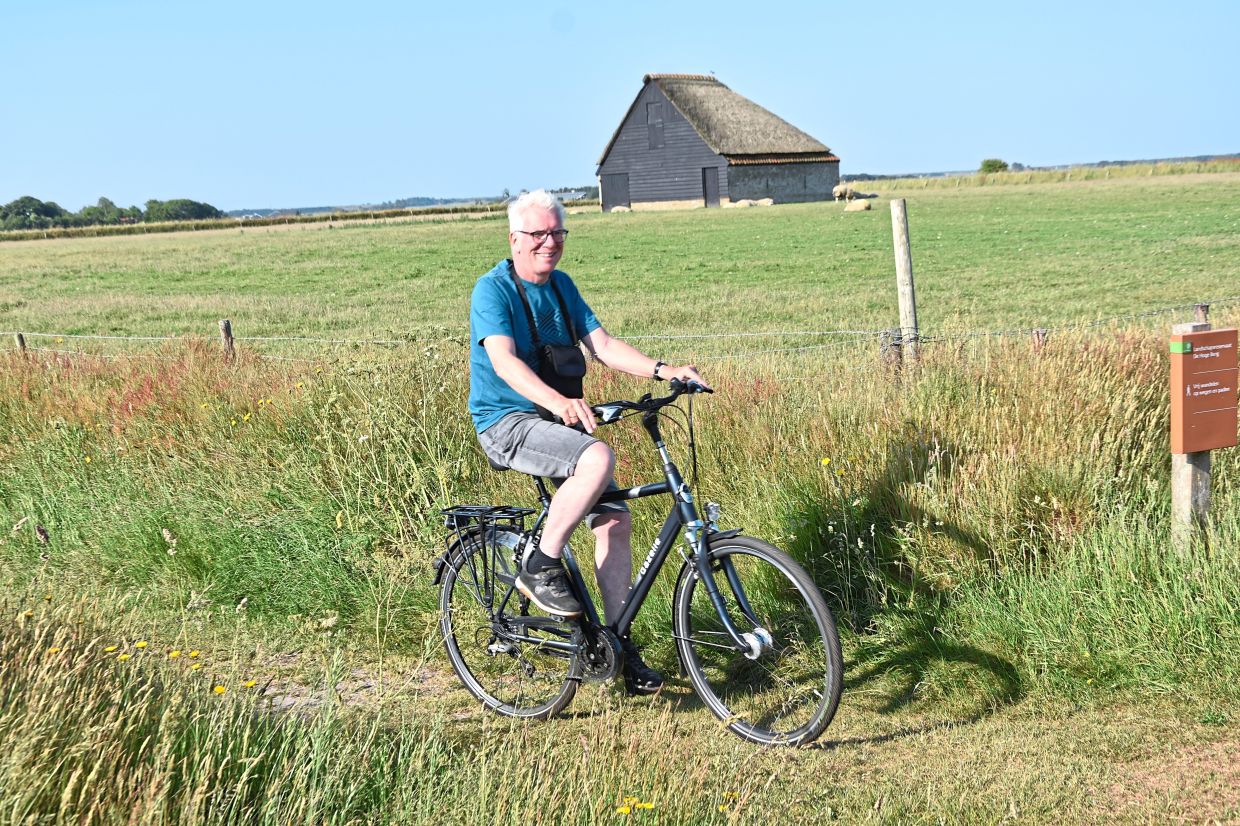
Henk introduces visitors to the West Frisian island in the Netherlands through his bike tours, taking in beaches and dunes, forests, dykes, polder meadows, heathland, farmland and flower fields.
Few abroad know this varied landscape with its tranquillity and vast expanses. But it is popular as a family-friendly spot for nature- oriented holidays. You find seven scattered villages on sparsely populated Texel – plus sheep galore.
This quiet island is in the process of changing the way people think about the Netherlands’ food culture. Most people imagine it consists solely of sweet pancakes and fried fish snacks known as poffertjes and kibbeling.
Holidaymakers also like Dutch speculoos biscuits baked with cinnamon and brown sugar. But Texel wants guests to taste the more unusual, more subtle local specialities from land and sea.
Henk spells all this out on a bike tour. He says tourists enjoy nature on the island in the Wadden Sea, and the way people live close to the land – newcomers and locals alike.
On the fertile and water-retaining boulder clay from the end of the Ice Age, islanders established their livelihoods with sheep farming and agriculture. They were reinventing themselves after losing their role as a maritime shipping hub in the 18th century and when whaling and fishing could no longer keep them afloat.
An expensive sheep
Sheep populate the salt marshes and dykes. But the real sheep idyll is around Hoge Berg (High Mountain). Narrow country lanes wind their way between low-lying farms and green pastures. At times, you feel as if you have been transported back 300 years.
Henk speaks with pride when he talks about the breeding of Texel sheep, which reached the island 100 years ago. The meat of this breed was soon considered the best.
Today, Texel sheep and their crossbreeds are found worldwide and are particularly common in New Zealand and Australia. And the world’s most expensive sheep, costing the equivalent of more than US$469,000 (RM1.91mil), was a Texel sheep, albeit from Scotland.
However, on the island, people say the best meat and the thickest wool only come from sheep naturally conceived, born, raised and slaughtered on the island.
From spring, around 20,000 lambs graze alongside their mothers for at least 100 days, in healthy sea air, on herb-rich meadows and in all weathers.
Fans can enjoy particularly tender milk-fed lamb which hits menus in late spring and is available in farms and butchers. The more aromatic fresh meat is available until autumn.
Idyll under threat
These days though, farmers can no longer secure their livelihoods with small-scale sheep farming. They are struggling with low meat prices due to international farming and indoor rearing irrespective of the season.
But without sheep, known as “living lawnmowers”, the cultural landscape, whose vastness is so rejuvenating when cycling, would quickly become overgrown.
The tradition of serving fresh lamb in season would also come to an end – and all that would jeopardise tourism, the island’s main source of income.
So it is not only the farmers themselves who have an interest in preserving the idyllic sheep farming tradition. But doesn’t Texel’s nature hold further treasures guests might enjoy?
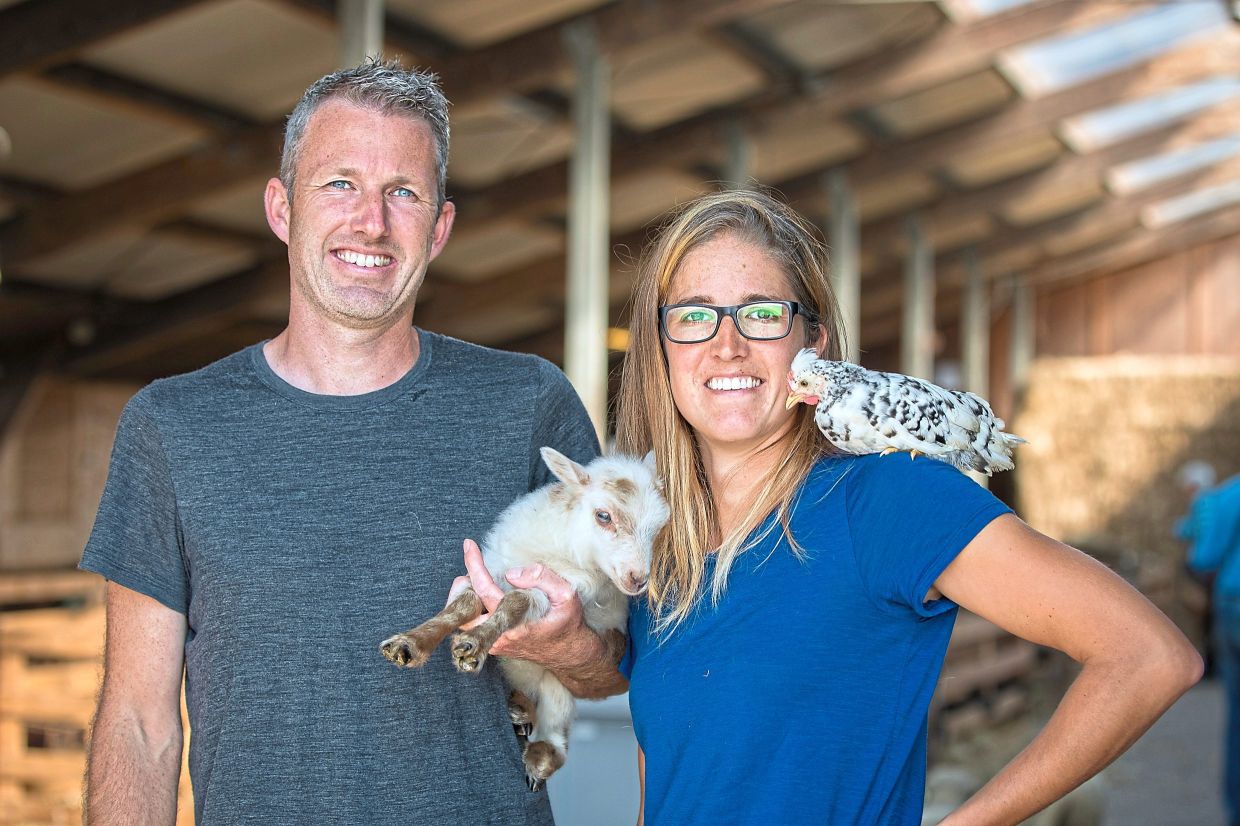
One thing seems clear. “In the future, we will probably have fewer sheep,” says Lennart Witte, a sheep farmer who has turned his 300-year-old farm on the outskirts of the island’s capital, Den Burg, into an adventure farm. It also boasts a shop full of handmade products from sheep and other items from the island.
In an open barn, Lennart and his nimble herding dog show visitors how they keep the flocks together every day. For tourists who cuddle with the lambs on the straw during petting sessions in the spring, it’s perfect.
Other farms are reinventing themselves with farm shops and overnight accommodation as a second source of income. At interactive farms, island guests can make cheese, bake bread or felt. A sheep farmer packs a hiking rucksack with farm products and makes hiking suggestions.
And in the “Edible Nature Garden of Texel” on the outskirts of Oosterend, considered the most beautiful village on the island, you can learn how to expand your diet in a natural and healthy way with daisies, dandelions, ribwort plantain and other wild herbs.
Annual culinary festival
Two cycle routes organised by the Echt Texels Produkt association take tourists to local producers. Some historic farms are open to visitors as manufacturing facilities so you can find out what the island’s craft beer, wine, whisky or gin tastes like.
More original are products that capture the taste of the island in collaboration with local producers. A mustard factory processes mustard seeds from the neighbouring farmer with local ingredients such as the historic crop horseweed or sea fennel to make a range of mustards.
One cheese dairy refines its products with seaweed, another enriches its hearty, slightly nutty sheep’s cheese with umami thanks to fermented seaweed. More and more restaurants are consciously incorporating products that are grown and produced on the island.
The sweet and sour mustard caviar is proving to be a particular speciality. The black peppercorns lose their pungency in the marinade, and their delicate, crunchy consistency is actually very similar to fish roe. Kids however may prefer to stick to the ice cream parlours.
There are restaurants that serve samphire and other salty sea vegetables that thrive on the mudflats, or present the “vegetarian oyster” with salt marsh finesse. The slightly fishy-tasting oyster plant is served in a real oyster shell from the mudflats.
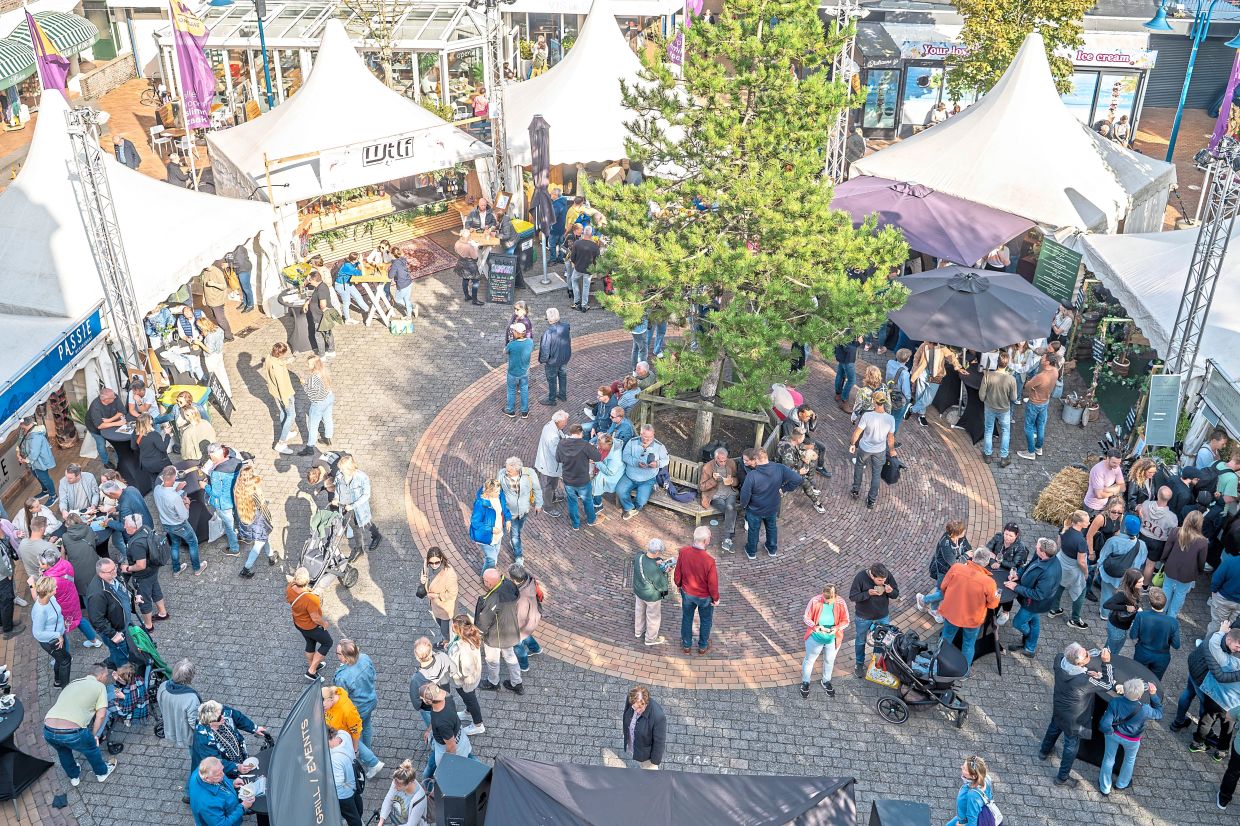
One highlight is when restaurants offer their creations for people to taste at the Texel Culinaire culinary festival.
Sweet treats from salty soil
In the north of the island, the growers at the Salt Farm Foundation are concerned with more than just creating original island delicacies. The foundation has been looking for ways to grow salt-tolerant plants for decades.
The researchers’ goal is for such plants to shore up the local food supply in areas where rising sea levels are causing soil salinisation. Tommy explains how they are tackling this challenge as we walk through the trial fields of the WadZilt company in Den Hoorn.
His samples show that plants from salty soils are not necessarily salty – and reveal how the vegetables taste.
Among the first results are potatoes that are irrigated with diluted seawater and do not require any added salt when cooked.
Carrots, cabbage and cauliflower, on the other hand, develop more delicate flavours when exposed to the salt in the soil in measured doses. And surprisingly, strawberries and tomatoes taste sweeter.
Could this be where Texel’s next world-famous delicacy is growing? No one here wants to go out on a limb just yet.
Tourist guide Henk wouldn’t go that far either.
Besides, as he sees it, the local products are just perfect as they are. – KARIN WILLEN/dpa