
There is a saying in Japan that goes something like, “out of the 47 prefectures, Fukui is number 46”.
It’s a saying that’s almost always said in jest, but at the same time there’s also some truth to it. It alludes to the fact that Fukui is such an “unknown” prefecture that it’s the second-last on the list.
While many other major prefectures and cities in Japan need no introduction – think Tokyo, Osaka, Kyoto, Hokkaido, Nagoya – Fukui is still unfamiliar territory to the average foreign tourist.
It’s an off-the-beaten-path city for sure, but still a place worth visiting.
A far cry from the concrete jungles of Tokyo, Fukui’s charms lies in its quiet, nostalgic surroundings, its green forested hills and coastlines.
Fukui lies along the Sea of Japan, so locals head to the beaches during the warmer months.
In winter, though, get ready for heavy snowfalls; the city is usually enveloped in a blanket of snow, making it feel even more like a magical place.
Before March 2024, getting to Fukui would have been a little difficult for foreign tourists, but with the expansion of the Hokuriku Shinkansen, things are so much easier now.
The best way is to board the bullet train from Tokyo Station – it’s a three-hour ride from there.
You can’t miss the tell-tale signs that you have arrived at Fukui. Upon leaving the station, you are greeted with one of the prefecture’s unique mainstays: dinosaurs.
Fukui’s claim to fame is that it is home to over 80% of the dinosaur fossils found in Japan. The “must-visit” attraction is the Fukui Prefectural Dinosaur Museum, said to be one of the best museums of its kind in the world.
While Fukui has all the creature comforts of a typical city, such as shopping malls, fast food eateries and the ever-popular “konbini” (convenience stores), it is also home to many interesting historical sites.
In the middle of the city you will find the ruins of Fukui-Jo, otherwise known as Fukui Castle. Built by the son of Tokugawa Ieyasu – who some say was the inspiration for the character Lord Yoshii Toranaga from the award-winning series Shogun – the building actually initially sat on top of the ruins of another castle. This was the Kitanosho Castle.
Tokugawa’s second son, who was given control of the province, began the construction of Fukui-Jo in 1606. The castle got its current name from his son, Matsudaira Tadamasa, in 1624.
Today, only a shell of its former glory still exists, with a large portion of it destroyed over the years, including from air raids during World War II.
The prefectural office is housed within the former castle grounds, alongside other administrative buildings, which are not open to the public. However, tourists can check out the surrounding areas as there are sakura trees all around, making it a very popular spot in spring.
Out of town
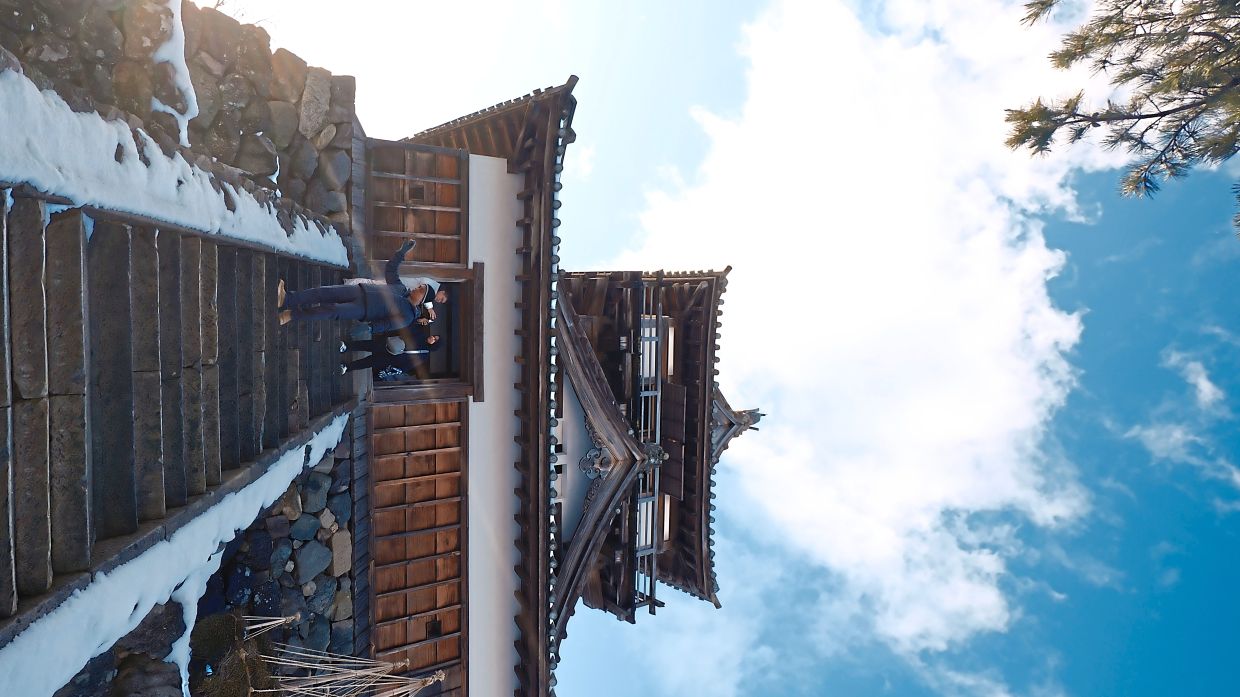
If you rent a car in Fukui, drive for about 30 minutes to get to the Maruoka Castle, which is within the city of Sakai. This is one of the only 12 ancient castles that still remain standing in Japan.
Built in 1576 by the samurai Shibata Katsuie, the castle also goes by another name – Kasumi-ga-jo (Mist Castle). According to legend, a thick mist will envelop the castle when enemies approach it, making it harder for the intruders to penetrate the place.
Despite suffering a large amount of damage during the 1948 Fukui earthquake, the castle was restored using a portion of its original materials. Leftovers from the reconstruction process were used to build a tourist centre just below the castle.
Maruoka Castle is a relatively small building when compared to other castles but it is a top tourist spot today, with both domestic and international visitors.
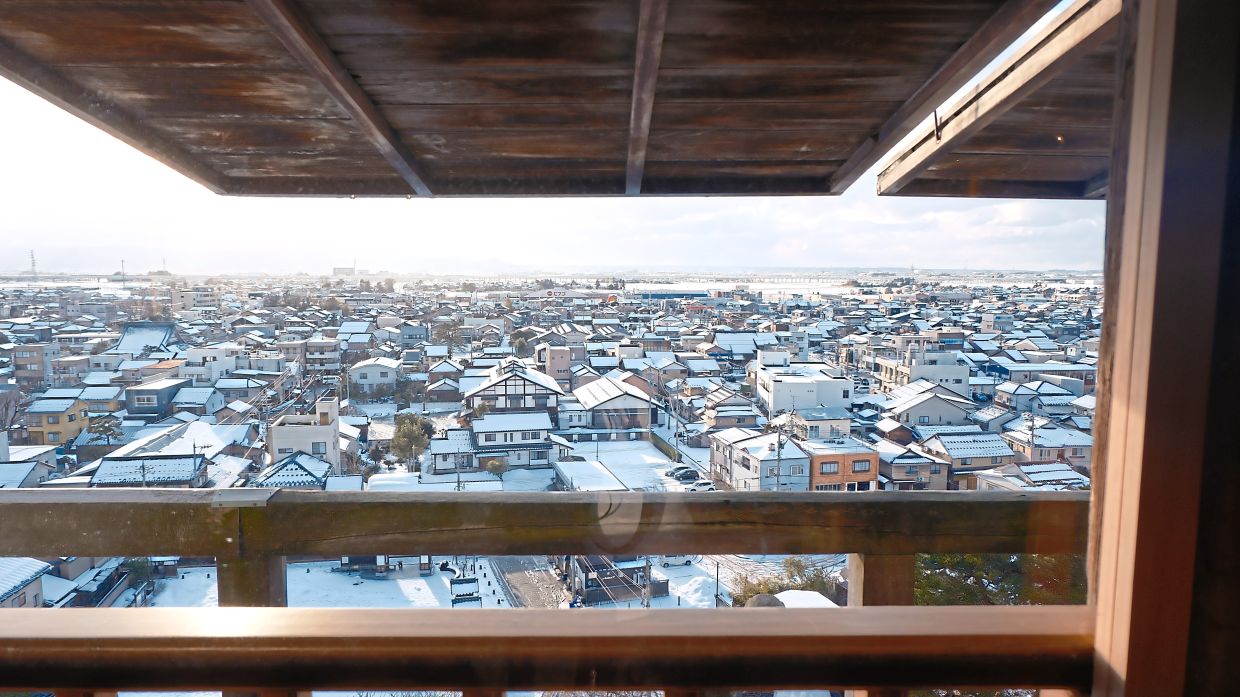
If you climb up its steep steps, you will be rewarded with a bird’s-eye view of the city.
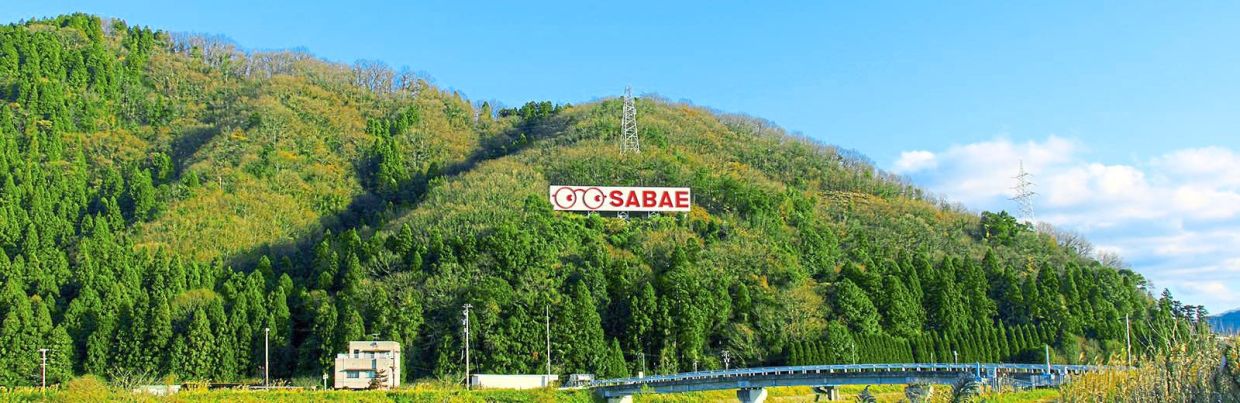
When you’re done with this castle, take another 30-minute drive to Sabae City, where most of Japan’s famous spectacle frames are manufactured.
Sabae’s historical beginnings with the industry is humble to say the least. According to local folklore, it all started with a man named Masunaga Gozaemon, who brought over experts from Tokyo and Osaka to teach villagers, many of whom were farmers, a new trade to supplement their incomes and boost local economy.
You see the villagers could not harvest much during the harsh winter months. With Masunaga’s vision (pun intended), they were able to work and make money during this slow period.
His legacy continues today with the company he founded in 1905, Masunaga. It is still a family-run business with the current generation at the helm.
Masunaga, and by extension the workmanship of other optical craftsmen in the region, is now world-famous, with the Masunaga brand being worn by celebrities all over the world, including Portuguese footballer, Cristiano Ronaldo.
Masunaga also operates a workshop/factory in Seremban, Negri Sembilan, where several Malaysian workers have been posted at their main branch in Fukui for training.
So don’t be surprised if you are greeted with “selamat pagi” in Fukui every now and then.
Serenity and zen
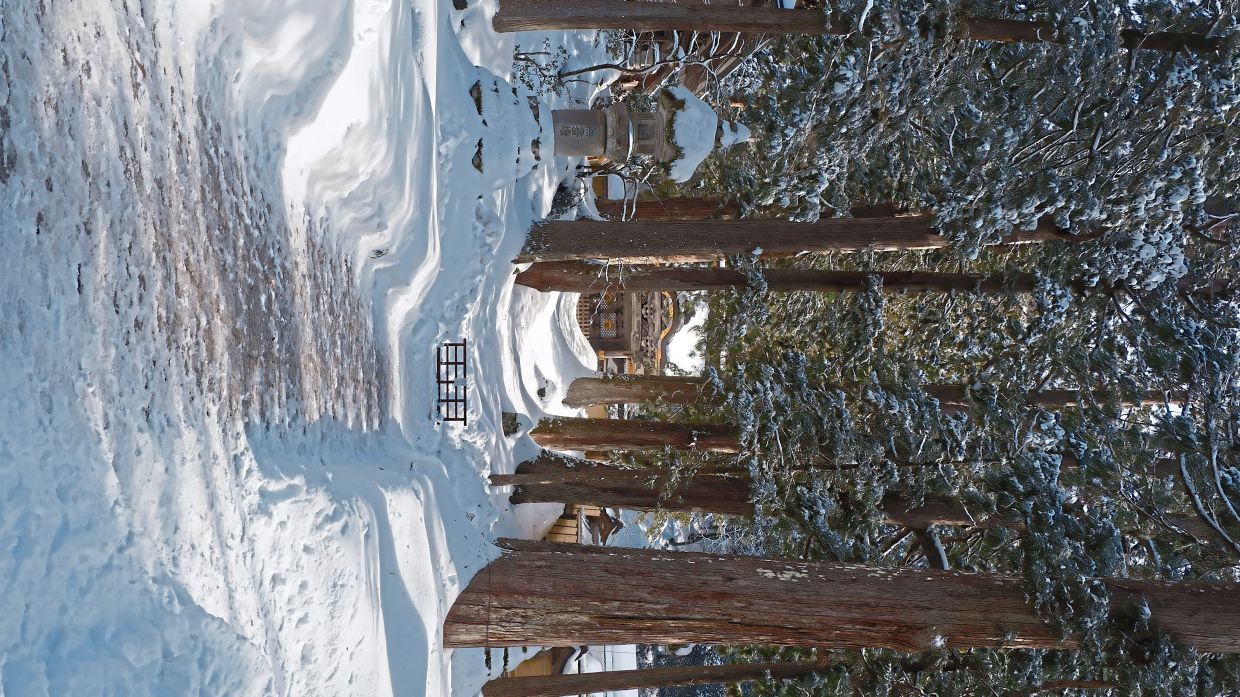
One of the two homes of the Soto Sect of Zen Buddhism is Eiheiji Temple. This is a massive temple complex that stands within the mountains just outside Fukui city. Built in 1244 by the Buddhist scholar Dogen Zenji, the temple encompasses various interconnected buildings that house prayer rooms, dormitories, and a large-scale kitchen famous for its vegetarian cuisine.
Eiheiji is one of the temples responsible for training monks, with hundreds of trainees walking in swift silence within its sacred halls.
While tourists enter through its administrative block, would-be trainees will first start their journey to monkhood via the Sanmon Gate.
Trainees do not pass through the gate, which was built in 1749, ever again unless they complete their training and are posted to other temples. Many trainees could only achieve this after a very long time, while some don’t ever get to experience it.
Passing through the gate represents leaving behind attachment to the world and entering a plane of spiritual enlightenment and discipline.
Tourists are not allowed to pass through it, with the path itself reserved for monks and ceremonial purposes.
Its sanshokaku, or reception hall, is adorned with 230 unique paintings by over 100 artists. The mosaic of art is awe-inspiring as well as thought-provoking.
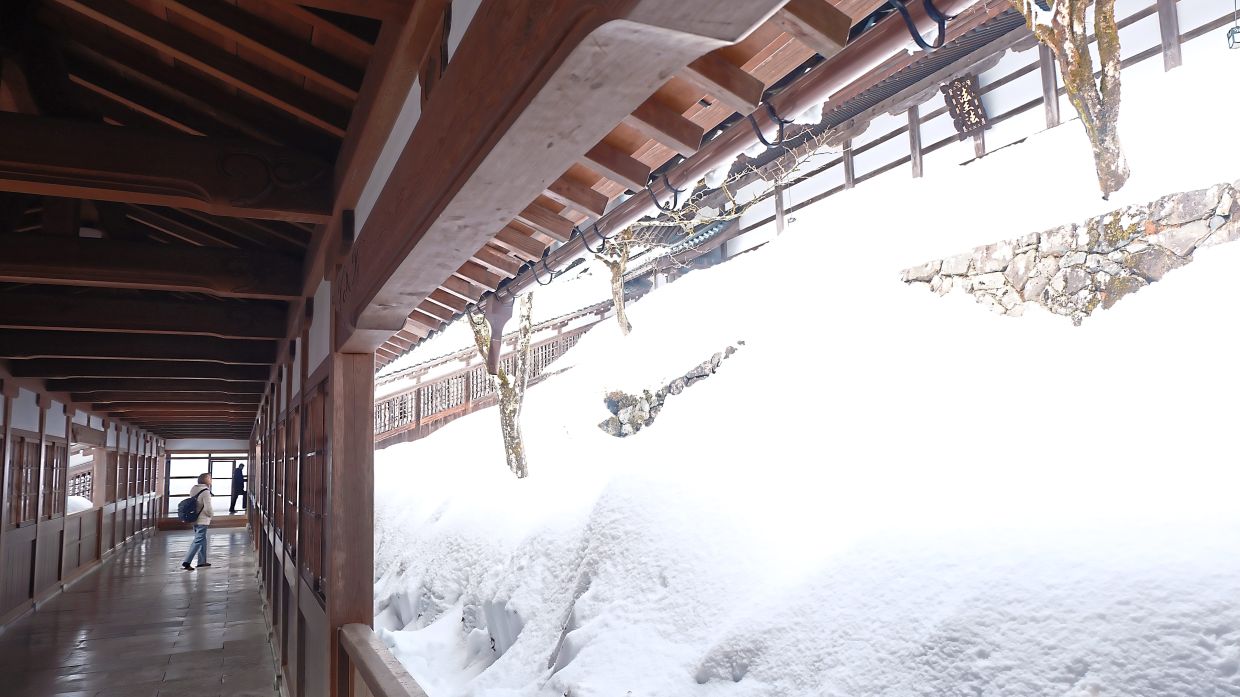
A peaceful, serene silence covers the hallways, with only the swift steps of hurrying trainees walking up and down the centuries-old wooden and stone flooring. During winter, the biting cold cuts deep within the halls, with faith keeping devotees warm inside.
At any time, there are around 200 monks and trainees that stay on-site. While the temple opens its doors to visitors, all must respect its age-old monastic values and traditions. Photography within the grounds is controlled, with absolutely no photos allowed of the monks in training.
Time moves at a different pace here. Not slower, but with more thought.
The practice of Zazen meditation, a mainstay in Soto Zen, is conducted continuously in special praying rooms.
Inside these halls, monks and visitors are placed onto special praying platforms to practice “nothingness”, or the virtue of letting go.
Zazen meditation, while it can be used in both religious and non-religious circumstances, trains the mind to let go of the good and the bad while embracing the calm nothingness.
Once seated, a bell chime rung by a monk indicates the start of Zazen, with another ending it. Should you lose focus and fall back into the present, a helpful “tap” from a stick by the supervising monks can be requested – if that’s your cup of tea.
Some practitioners claim to be able to go past hours in a blink of an eye, while others say that they are able to be so in tune with their bodies that they can even hear their own heartbeat.
Visitors, however, will most likely not attain those levels of enlightenment on their first try, though.
For the proverbial “46th prefecture” in the country, Fukui is anything but second to last. It is a place where time flows a little slower and the people there move with a little more presence of the now.
In a country that is at the bleeding edge of tomorrow, Fukui acts as a much-needed reminder of keeping a steady and levelling foot in the yesterday.
Travel notes
How to get there: You can get to Fukui from any of the three major international airports – Kansai International Airport in Osaka, Chubu Centrair International Airport in Nagoya, and Narita International Airport or Haneda Airport in Tokyo.
From any of these cities, take a highway/overnight bus, or train. While bullet trains will get you there faster, they are not cheap. Trains from Osaka or Nagoya are the cheapest as they are the nearest cities.
If you’re taking the bus, there will be multiple stops along the way.
Where to stay: While hotels in big cities like Tokyo or Osaka are known for their high rates, hotels in Fukui are more budget-friendly, even those that are closer to the beaches.
Fukui: A zen getaway in Japan
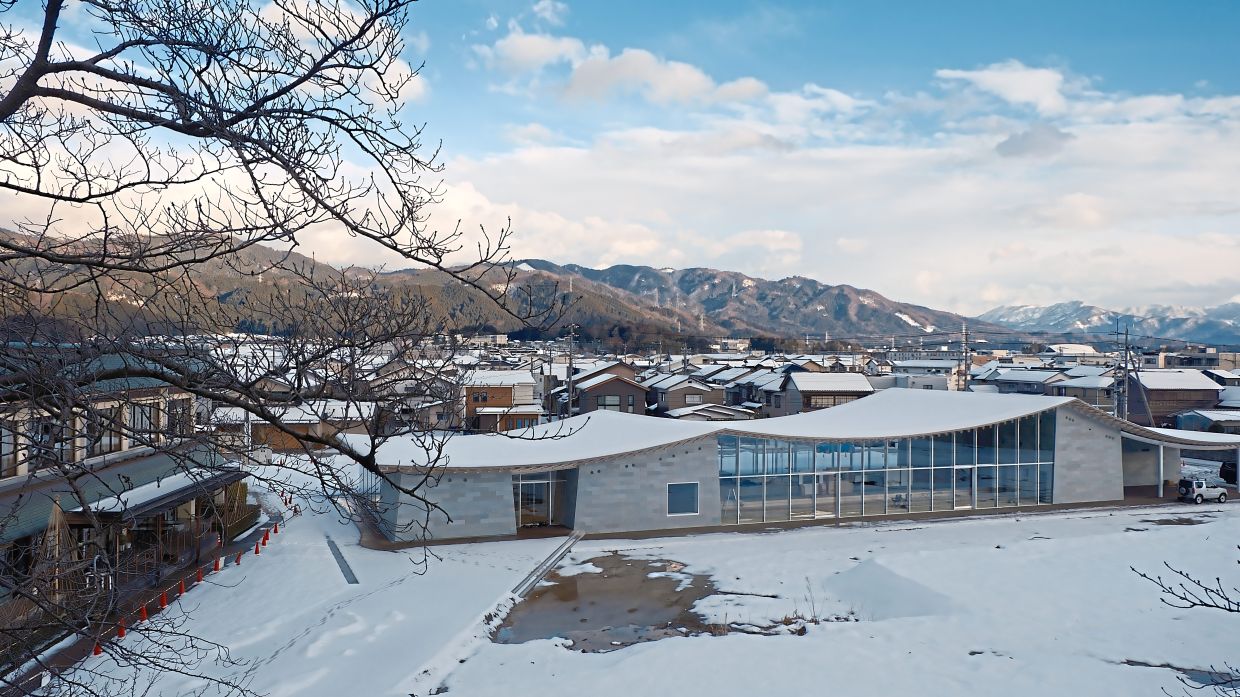

The visitor centre at Maruoka Castle was made from the same rocks used to build the centuries-old main building. — Photos: JUSTIN ZACK
If you're wearing spectacles with frames from top Japan brands, chances are they were made in Sabae City. — Sabae City local government
The high vantage point of Maruoka Castle allowed guards to detect would-be invaders encroaching into their territory. Today, it overlooks the city of Sakai.
At the visitor centre in Maruoka Castle, you can learn all about its past history.
The grounds at Eiheiji Temple are serenely quiet with only the quick footsteps of monks echoing through.
In winter, Eiheiji Temple – with the sacred Sanmon Gate in the background – looks even more serene.
Maruoka Castle is one of 12 ancient castles still standing in Japan.