
THE Fisheries Department’s Fish Landing Statistics 2024 told us what many of us already know from hours at sea – the waters are alive with pelagic fish.
These are fish that live in the open water column of oceans and lakes, neither close to the seafloor nor the shore.

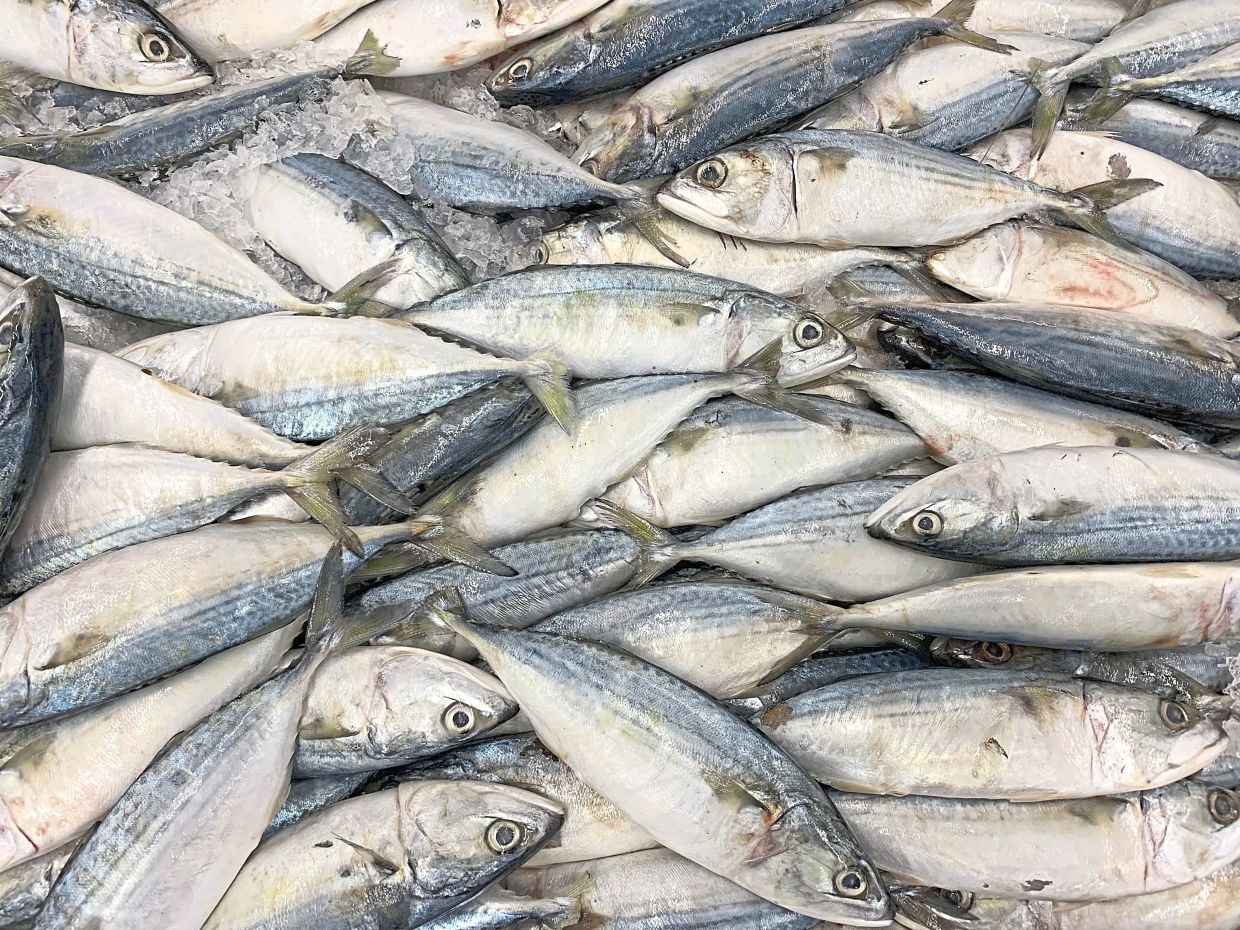
Topping the catch charts was the selayang, with over 94,000 tonnes landed, followed by pelaling and kembung.
The bottom-dwellers, such as threadfin bream (kerisi) and croaker (gelama), were next.
There’s a reason these pelagic fish are favourites; they are fast, schooling and moving where the baitfish gather.
With a medium-lightweight rod, a 25lb set-up and the Apollo rig, you can land them easily.
The Apollo rig is the simplest in the fishing book, yet it is also effective.
Drop the line and let the sinker carry it to mid-water before moving the rod up and down vigorously to start the jigging rhythm.
The magic lies in the silver frills tied around the hooks. These reflections shimmer like fleeing anchovies – and that’s a delectable lure for the sardines or mackerels.
When these pelagics strike, they land in numbers as the fish move in schools and the rod tip will dance.
Using a heavy sinker will keep the rig taut, pulling it downwards. So, when the fish hooks and fights to free itself, this will keep the line neat and avoid tangles.
If you drop the line deeper onto the seabed, there will be kerisi and gelama, which are classic bottom-dwellers.
To catch the species, anglers use a small two- or three-hook rig, baited with prawn, small fish strips or squid.
The trick is in the knot. The dropper loop knot used to tie the hooks to the main line will keep it neat.
To hover the rig slightly above the seabed is to lure the fish to bite.
And when a gelama takes, you can hear the trademark croak calls as soon as it breaks the surface. It’s a small prize for a hook-up, but it’s fun.
Kerisi, the prettier fish with flashing pink scales, often comes in schools and fills the cooler box quickly.
It does not matter if it is a fish frenzy strike in mid-water or a steady tug at the bottom; there is joy in landing these fish.
Fishing for pelagics does not require fancy or expensive gear, but patience, the right rig and letting the sea surprise you.
At the end of the day, it’s not about the weight of the catch but the tug on the line, the fight in the rod and tales that come after that.