
By dawn, mist clings to the Andean sky over the Chakana Reserve, the air sharp at 5°C.
Our four-wheel drive sputters its last breath on a rain-slicked slope at 3,000m – beyond this point, only boots and resolve will do.
With the snowcapped peaks of Antisana looming nearby, we set off on foot, hearts pounding harder than usual in the thin mountain air, towards a cliff’s edge renowned for a rare spectacle: the Andean condor in flight.
Perched on the northeastern flank of Antisana National Park, the Chakana Reserve is a privately protected sanctuary managed by Fundacion Jocotoco, an Ecuadorian non-profit that oversees 18 conservation areas across the country.
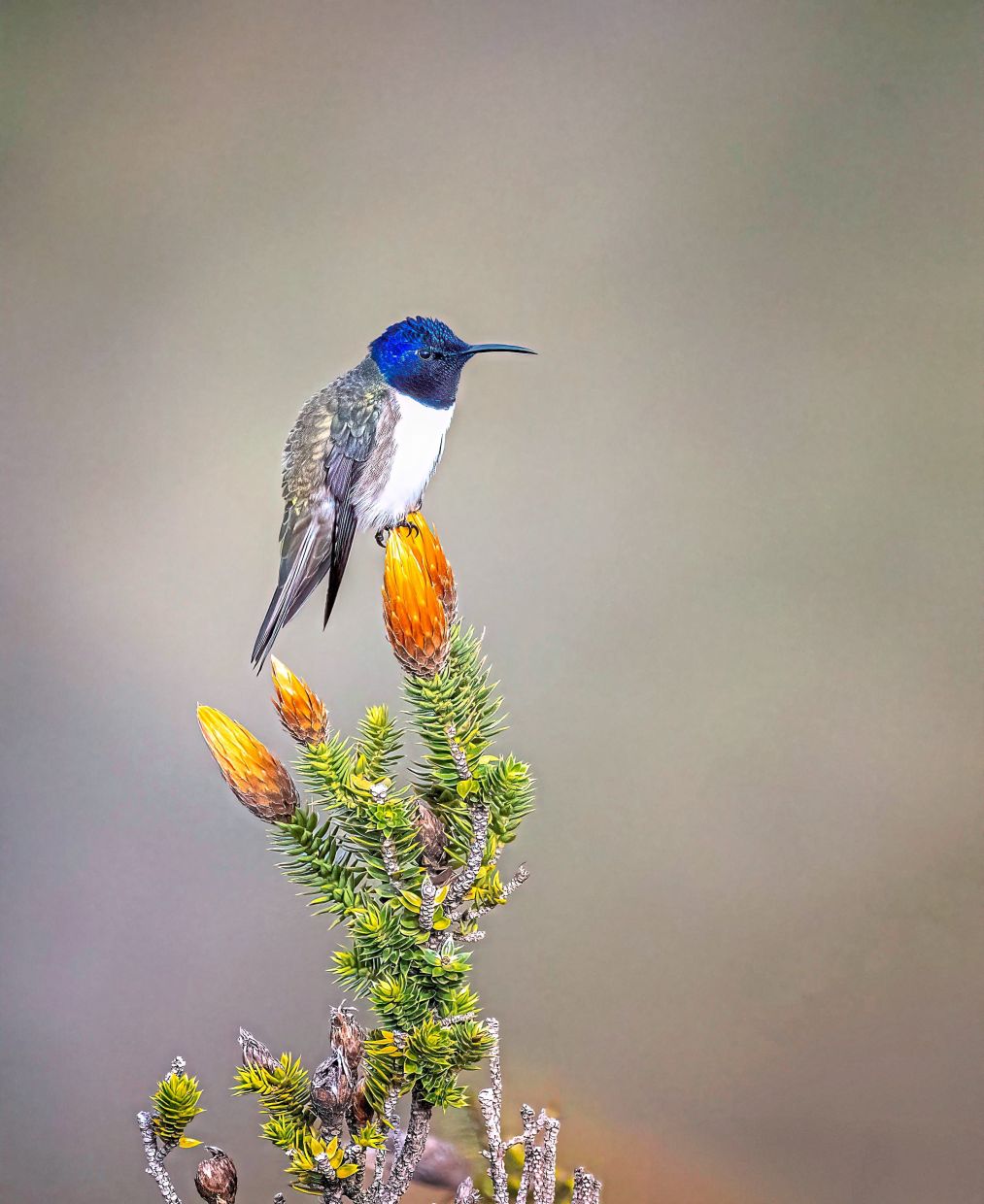
Here, around 30 Andean condors – nearly a fifth of Ecuador’s estimated population – soar above a rugged landscape.
These critically endangered birds, the world’s largest vultures, are as regal as they are rare.
With wingspans stretching up to 3.5m and weighing as much as 15kg, the Andean condor cuts an unmistakable silhouette against the morning sky.
Unlike most birds of prey, they do not flap their wings to fly. Instead, they wait for the sun to warm the cliffs and valleys, summoning invisible thermals to carry them aloft.
Until then, they remain motionless.
And so do we – cameras ready, eyes scanning the jagged ridges that define the high Andes.
The hike to the viewing point isn’t long, but it is gruelling.
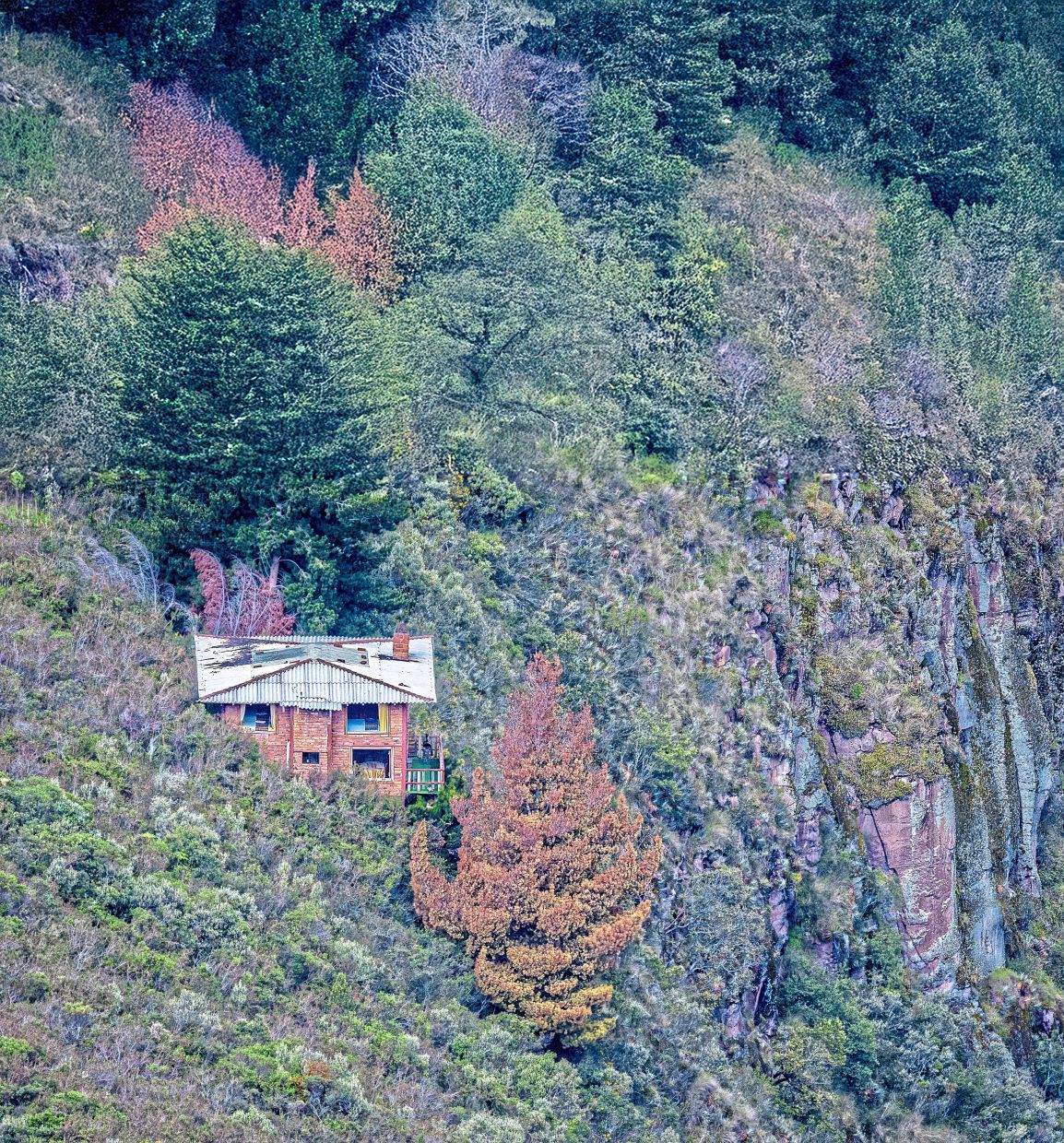
The frost-slick trail winds steadily uphill, forcing frequent pauses.
At 4,000m, every breath feels halved.
But at this height, we meet the birds at eye level.
And after a slow ascent, we arrive – perched on the edge of the world.
Then, after an hour’s wait in the cold, it happens.
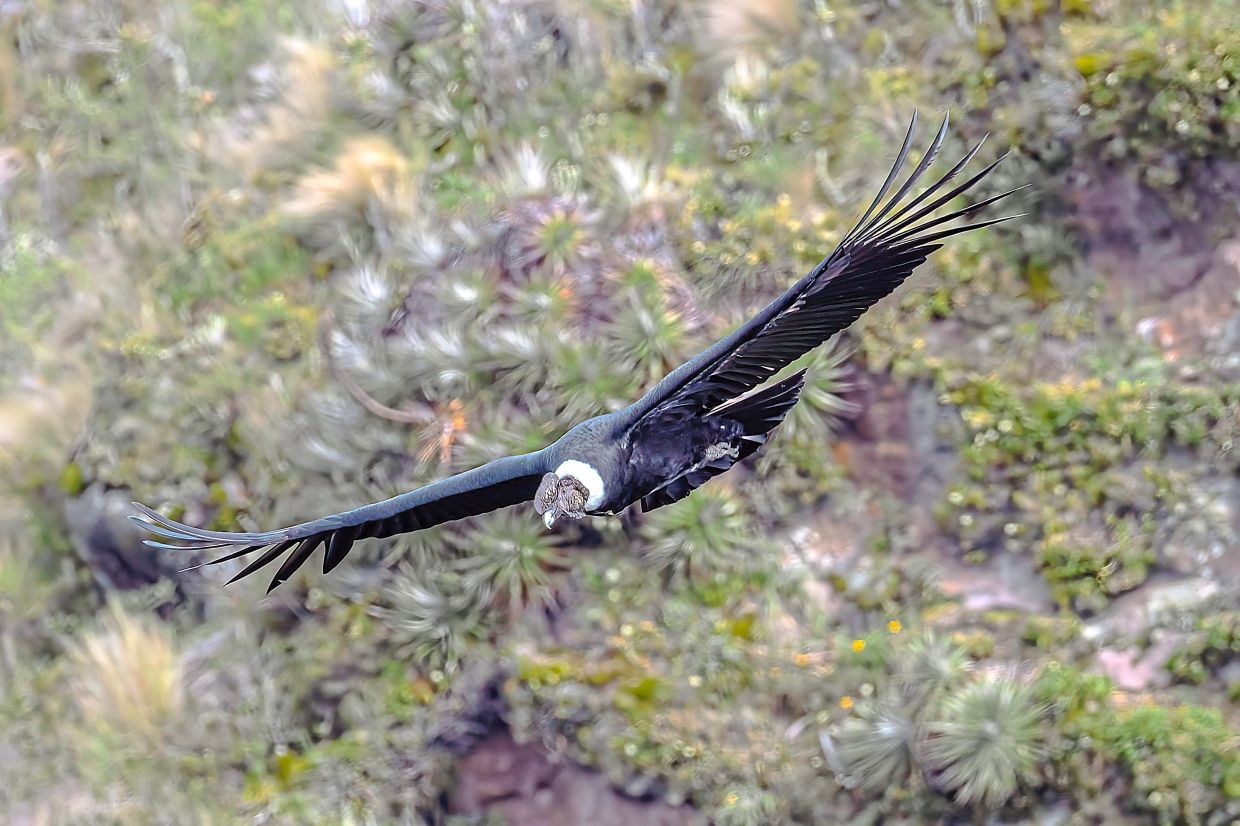
One by one, giant shadows lift from the rock ledges. Seven condors – yes, seven – launch into the sky.
Their wings barely move as they ride the rising currents, carving slow, deliberate circles in the air.
Time stills.
To see even one of these birds in the wild is rare; to witness seven soaring together feels almost mythical.
Then – movement.
A rustle in the bushes, some 800m across the ridge, catches our attention.
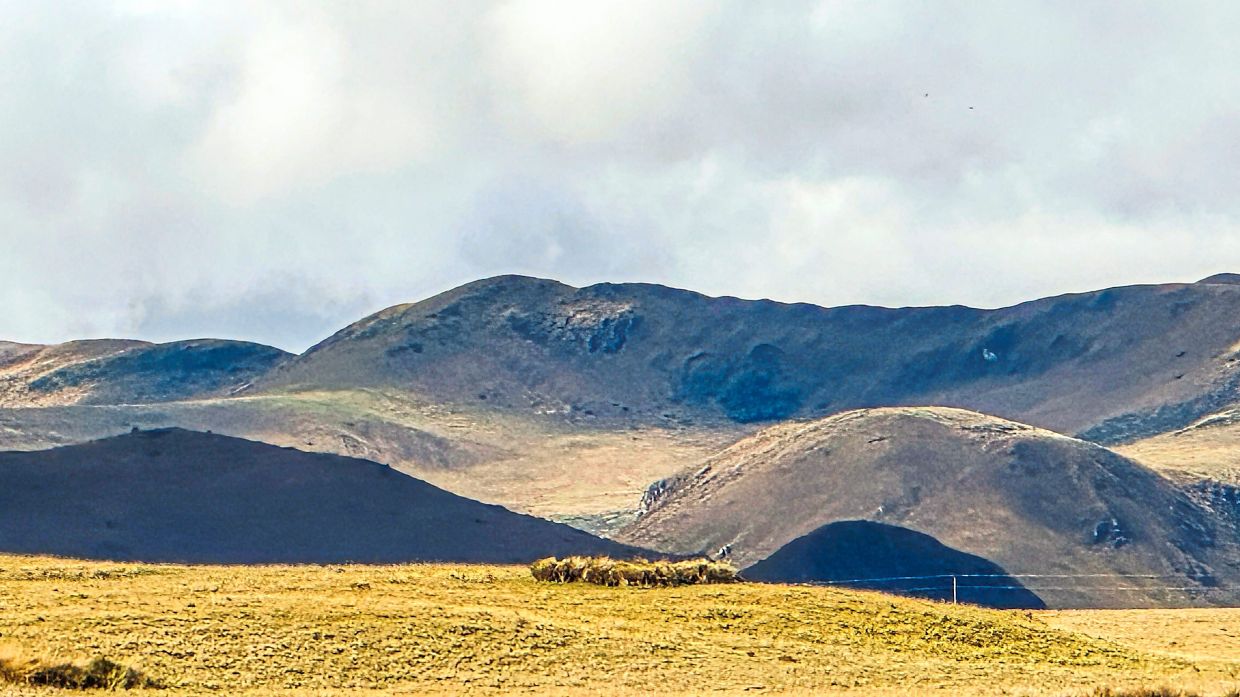
At first, it is no more than a dark blur against the pale grass. Then, it steps into the open, and we catch our breaths.
Therein emerges an Andean bear, alone, likely two years old.
It pauses, snout lifted, sniffing the wind, then moves forward with quiet confidence – an apparition in the morning light.
Being South America’s only bear species, the Andean bear is as elusive as it is endangered.
Named for the cream-coloured markings around their eyes and snouts, no two creatures share the same facial patterns – each as unique as a human fingerprint.
Conservationists use these markings to track and monitor them, often relying on camera traps hidden across reserves like Chakana.
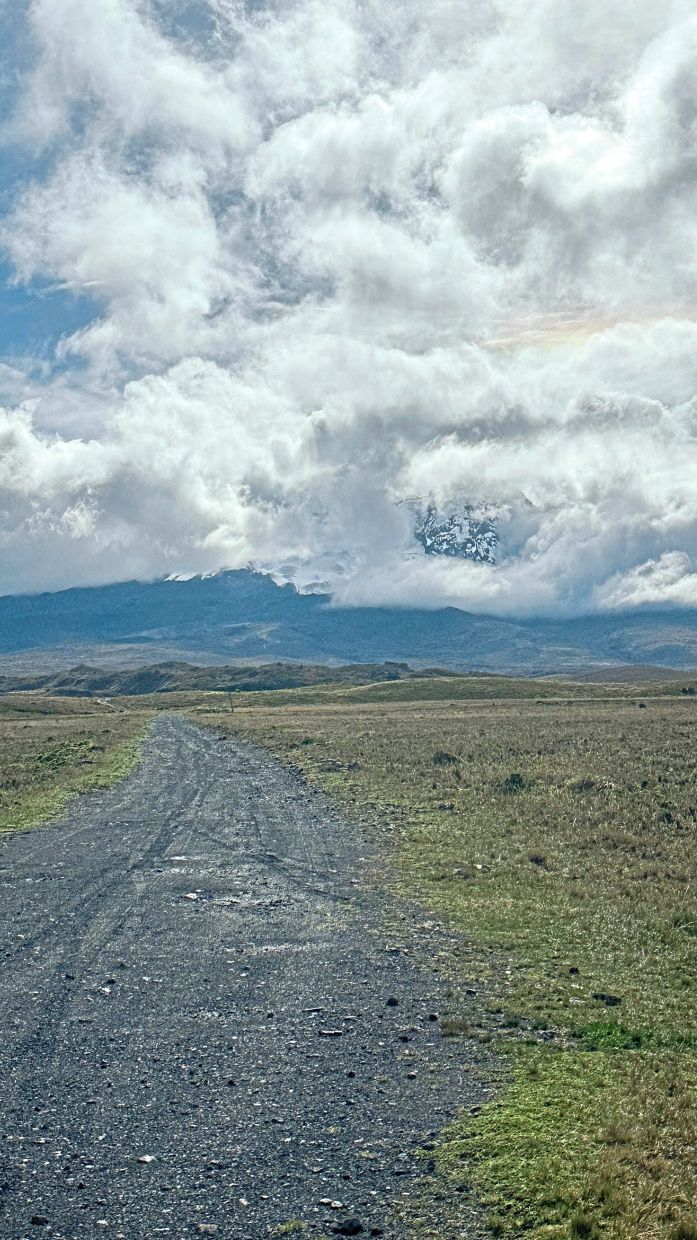
Shy and mostly vegetarian, Andean bears rarely make appearances.
Some locals call them el guardian de los Andes – the guardian of the Andes.
This one, possibly recently independent, lingers long enough for us to take in every detail – the distinctive markings and the slow, deliberate steps – before vanishing back into the undergrowth as silently as it arrived.
Chakana is a place where conservation isn’t theoretical – it is tangible, visible, alive.
The condors and bears are not exhibits; they are wild, rare, and vital threads in a fragile ecosystem held together by perseverance and resolve.
For those who make the journey – hikers, photographers and wildlife seekers – a trek into Chakana is not just about the scenery. It is about silence, patience and privilege.
To stand in a place that feels forgotten, where the wild still rules, where every sighting feels like a secret.
Here, the wind smells of wet earth and wild lupine.
The horizon is crowned by the snowy summit of Antisana, one of Ecuador’s most sacred volcanoes.
As the sun climbs higher, the thermals strengthen and the condors respond – rising, spiralling, their vast wings casting fleeting shadows on the land below.
It is almost spiritual, this moment – being close enough to see the red, wrinkled skin of the adult males, the deep ruffles of their feathered collars, and the glint of sun on black plumage.
We watch until the last condor vanishes into the vast blue.
Then, reluctantly, we begin the descent – lungs grateful for thicker air, hearts still full of wonder.