
FISH are not stupid.
Beneath the water’s surface, fish navigate a daily drama of eating without being eaten. For them, survival depends on recognising threats – that includes you, the human angler armed with hooks and lines.
While biologists continue to debate whether fish learn to avoid bait and lure used by anglers, seasoned anglers have drawn their own conclusions: fish do learn.
This is particularly evident in waters where caught fish are regularly released. There are many reasons for this practice.
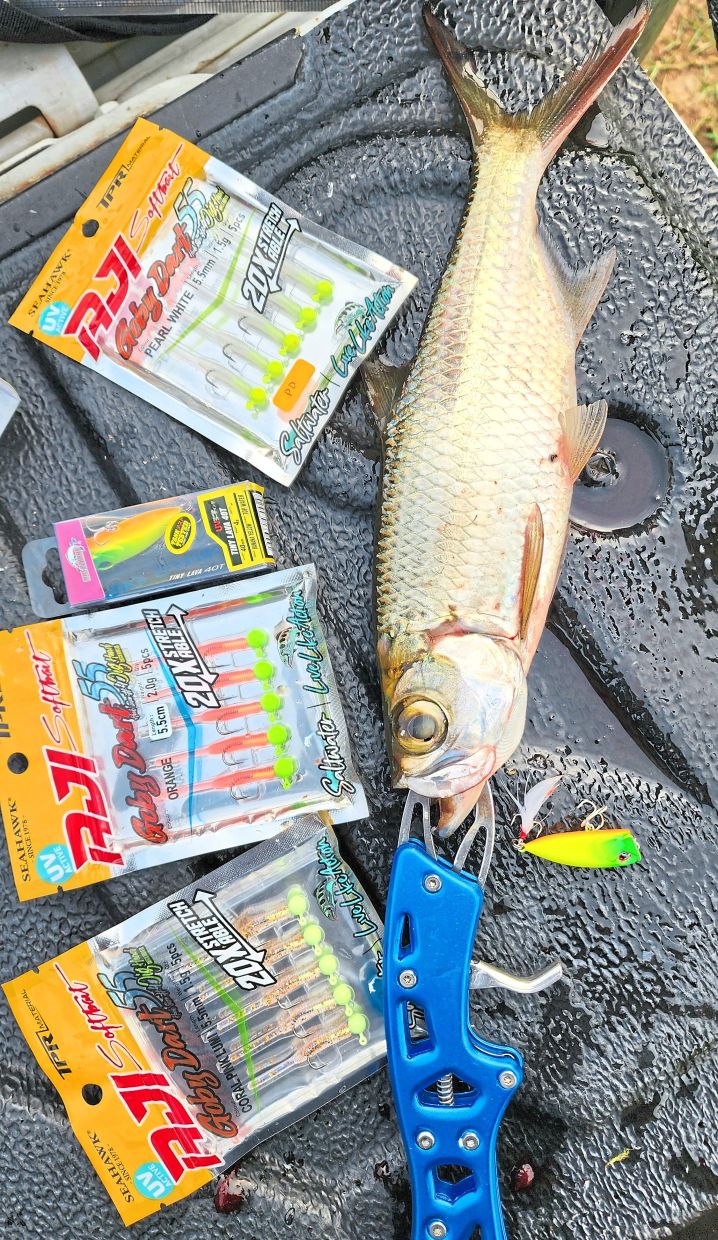
Some fish are unpalatable or too bony to eat. Others are too small to be worth the effort of cleaning and cooking.
Many sport anglers prioritise conservation, using tackle designed to hook fish gently by the lips, ensuring they can be released unharmed.
But over time, anglers notice a pattern: their once-reliable bait and lure stop working. The assumption is clear: hooked and released fish have wised up, learning to avoid certain bait, flies or lure.
This phenomenon, known as “fishing pressure”, describes situations where fish are present but refuse to bite. For anglers, this can be incredibly frustrating.
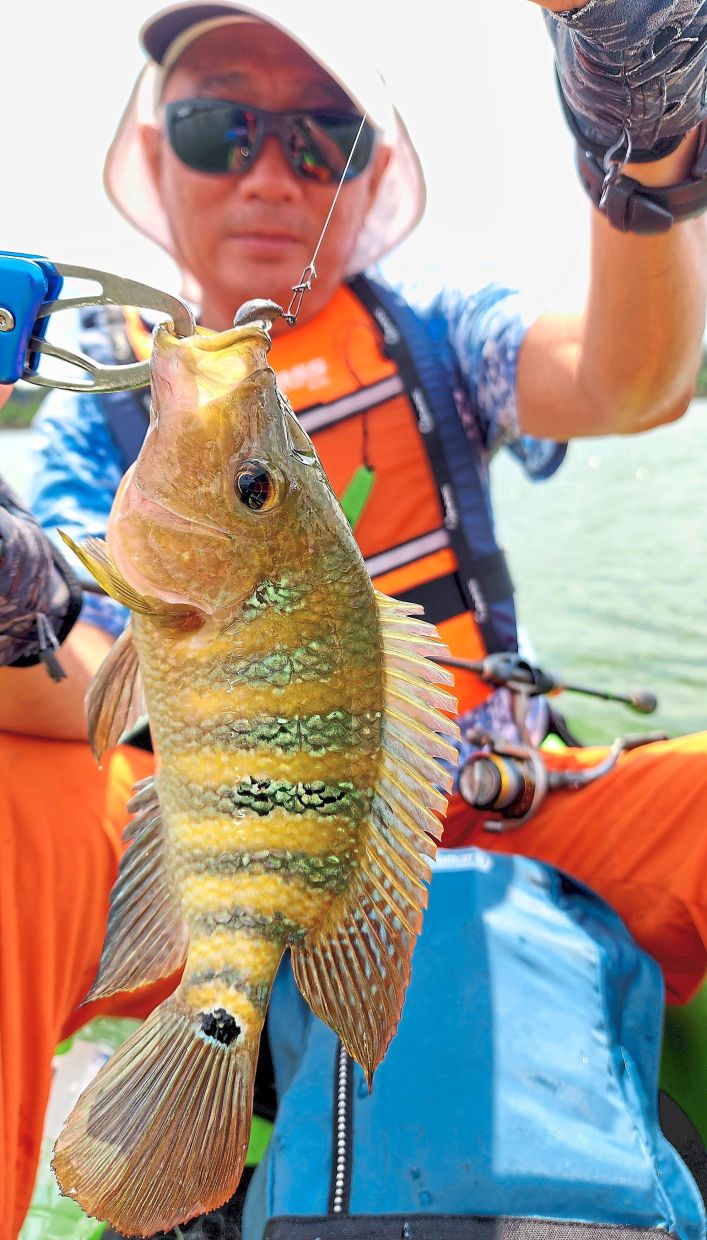
When faced with such a challenge, the solution often lies in adjusting tactics – specifically by going smaller.
Downsizing your approach can often be the key to staying one step ahead in this ongoing game of wits beneath the waves.
When your trusty, time-tested gear no longer yields results, switching to tiny, inconspicuous offerings can transform a fruitless outing into a successful one.
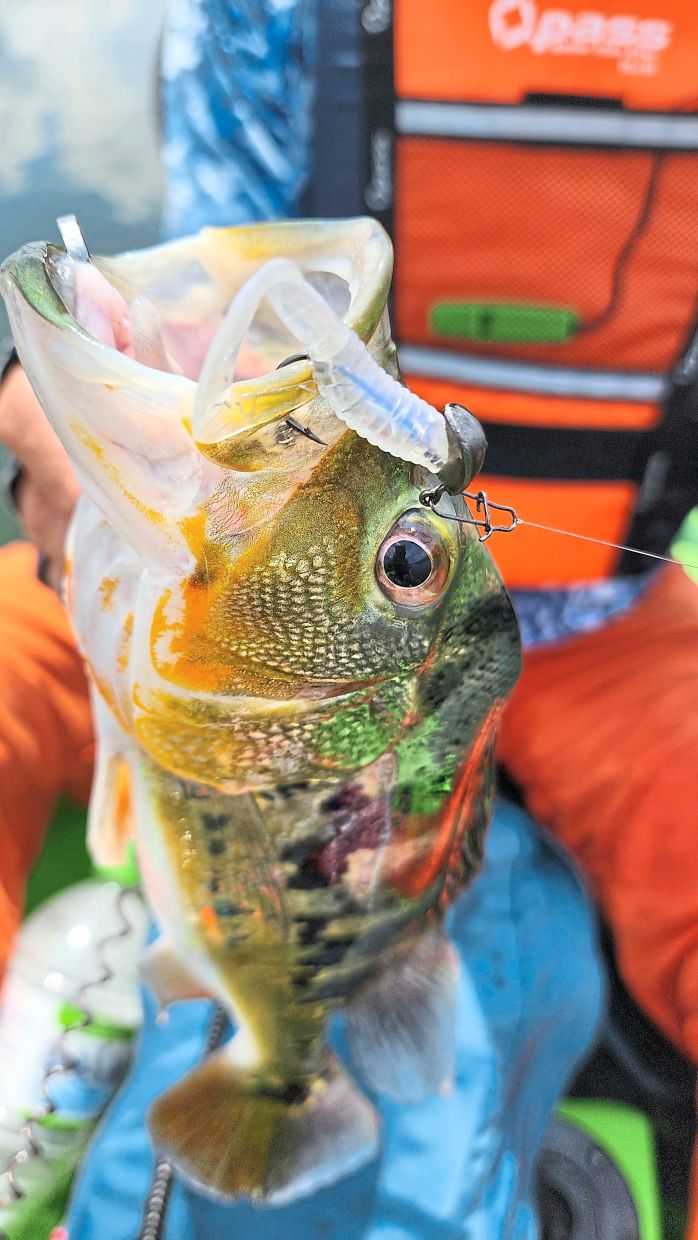
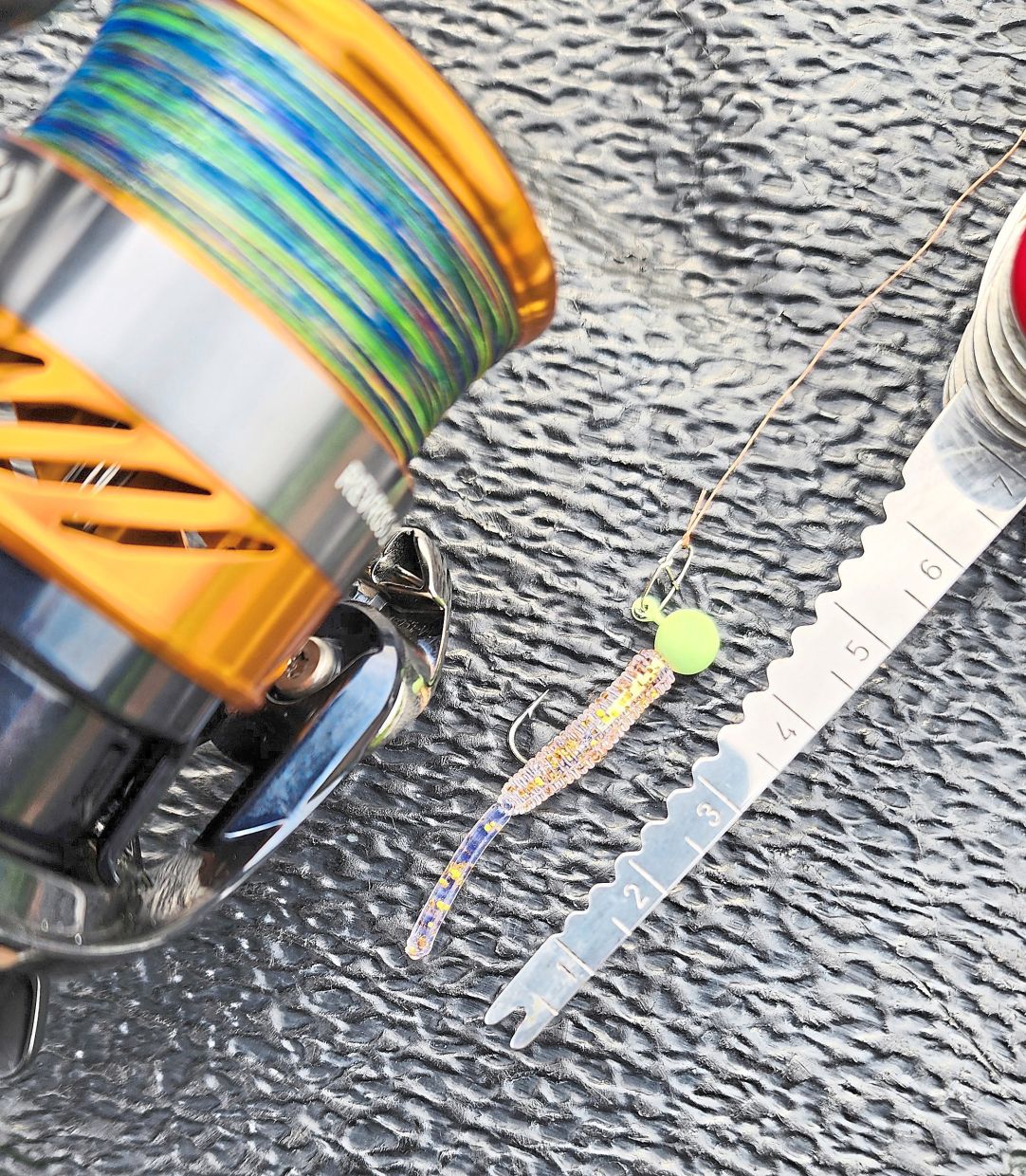
Think small, really small – a 1gm jighead paired with a soft plastic grub or shrimp less than 4cm long can work wonders.
These diminutive baits are not only effective but also economical. A pack of several tiny lures might cost less than RM20, compared to the RM30 or more you’d pay for a single high-end imported lure.
Don’t be surprised when even large fish strike at these modest morsels. Why chase a speedy baitfish when a tiny, easy-to-catch shrimp is right there for the taking?
However, using these micro-lures requires adjustments in your gear.
Stiff, heavy rods won’t do. Instead, switch to lighter, more flexible rods that allow for the delicate flick needed to cast small baits to a reasonable distance.
Just as the fish learn and adapt, so must you.