What do Supreme, Fear Of God, A Bathing Ape and Represent Clothing have in common? These are all streetwear brands, but more than that, they also sell suits.
This points to a broader shift in how the traditionally rigid idea of tailoring has changed.
The suit was once firmly associated with boardroom meetings and formal occasions. Today, however, wearing one can carry a certain street cred – depending on the cut, proportions and, of course, how it is styled.
A “street suit” is probably best described as loose, relaxed and deliberately less formal.
Think oversized jackets, wider trousers, softer construction and a styling approach that borrows as much from sneakers and graphic T-shirts as it does from traditional menswear.
Read more: Beyond the silhouette: How materials are shaping fashion’s conversation
Remember to ditch the shirt, as that can make the look feel too old-school. If you do wear one, accessorise with a bold, kitschy tie to give it a more punk vibe.
The result is a suited look that feels less like a corporate uniform and more like an expression of personal style.
The rules of tailoring are still there, but they are being bent, loosened and sometimes rebelliously discarded altogether.
There is also the interesting thought of how traditional fashion houses are embracing streetwear.
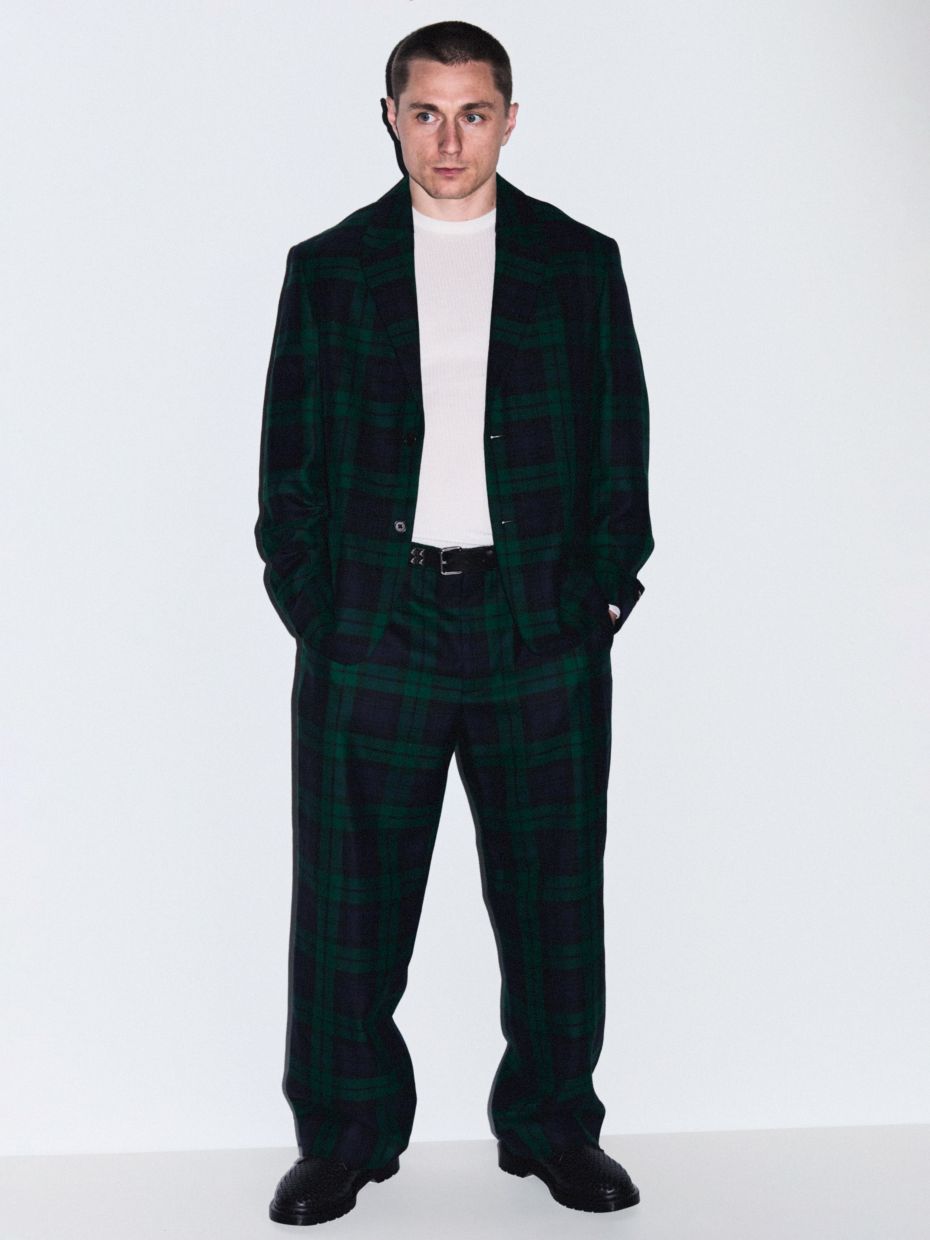
The menswear collections of fashion houses like Louis Vuitton and Dior are all very much street-coded these days, and have been headed – or once headed – by designers with roots in streetwear.
So it is perhaps not surprising that suits are finally shedding their stuffy image.
US designer Thom Browne is recognised as one of those who made the suit central to his brand identity.
The Thom Browne suit – grey, often worn with shorts and cut to a shrunken silhouette – has become the epitome of the edgy man who is equally comfortable attending fashion weeks.
Browne somehow made the suit relatable enough that athletes were clamouring to wear his designs.
In 2018, basketball player LeBron James bought custom matching Thom Browne outfits for the entire Cleveland Cavaliers team.
Ironically, it is the very idea of the “power suit” of decades past that is becoming the draw for a newer generation.
“Sometimes we don’t realise how transformative the suit is until the person is wearing it,” Browne told Wallpaper in July.
“In a time when everything is not so tailored, not so constructed, you do feel the shift when you put it on. It’s powerful.”
Read more: 'Searing, kind of psychotic blue': Is this fashion's new favourite colour?
Los Angeles-founded label Amiri, meanwhile, presents suits through a mix of rock-n-roll attitude and high fashion.
“I love the idea of artistes wearing tailoring in an informal way. A blazer over a Henley, boots instead of dress shoes,” Esquire India quoted founder Mike Amiri as saying in February.
His designs are informal in spirit, yet retain the structure and defining elements of a suit.
So yes – as the boundaries between casual and formal dressing continue to blur, the suit is no longer reserved for the office.
It has become another canvas for streetwear, or rather, for its attitude.