Skincare products that young girls should use, according to dermatologists


By AGENCY
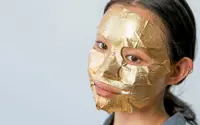
Teens and preteens don't need anti-ageing products, dermatologists say. Photo: 123rf

Girls are bombarded on social media with advice from influencers touting elaborate skincare routines with high-priced serums, mists and creams. But what is the right skincare routine for preteens?

Simple is best, dermatologists say. Before puberty hits, most kids only need three things: a gentle cleanser, a moisturiser and sunscreen.

"That’s it. Full stop. You don’t need anything else,” says Dr Sheilagh Maguiness, a Minneapolis-based dermatologist.

She and other dermatologists around the US have seen growing numbers of teen and preteen girls using anti-ageing skincare products.

In some cases, the adult-strength products have damaged young girls' skin. And the obsession with achieving the looks they see online has raised concern about the impact on their mental health.

Many of the popular products from Drunk Elephant, Glow Recipe and others – which can cost US$70 (approximately RM)303 or more – contain active ingredients like retinols and hydroxy acids intended for mature skin that can irritate young faces and damage the skin barrier.

Experts say they are unnecessary and a waste of money for children.

"I hear all day, every day from all my patients who have children in their teens, and younger, that they are so fixated on all of these skincare products and TikTok trends and they’ve gone overboard,” says Dr Dendy Engelman, a dermatologist in Manhattan.

Read more: In Malaysia and around the world, tweens are fast shaping the beauty industry

Navigating the fast-growing trend

Teens and preteens don't need anti-ageing products.

Even the Personal Care Products Council, the trade association for cosmetics companies, says: "Anti-ageing products are generally unnecessary for younger skin.”

For tweens, dermatologists recommend brands of cleansers and moisturisers like Cetaphil, CeraVe and La Roche-Posay that are commonly available in drug stores.

As puberty kicks in, teenagers might need to address skin issues brought on by hormonal changes like acne, excess oil, dark spots, blackheads and more. If an issue seems serious, it’s best to consult a dermatologist.

When introducing a new product, especially if it contains a harsh ingredient, go slowly.

"If they really want to use a product and see what all the fuss is about say, ‘How about we do a skin test before you rub it all over your face,’” says Maguiness, a professor of pediatric dermatology at the University of Minnesota.

Dab a bit on the inner arm for a few days, and if there is no reaction, then maybe it’s okay to try on the face.

Signs of an allergic reaction can range from redness, itchiness, flaking of skin, burning or stinging to patches of tiny bumps.

"Those are all signs to stop using a product,” says Dr Carli Whittington, a dermatologist at the University of Indiana School of Medicine. Continuing use of products that cause irritation can lead to more severe skin damage.

Often, kids don’t realise that trendy products they are using contain harmful ingredients.

Dr Brooke Jeffy in Scottsdale, Arizona, had an 11-year-old patient with a severe rash around her eyes. The child had been using a retinol eye cream that caused irritation and itchiness.

The reaction worsened as she continued using it and scratched at her skin.

"She was using an eye cream for a condition she didn’t have and has now created this dramatic problem that is going to take months to resolve,” said Jeffy, one of many dermatologists now on TikTok and Instagram trying to debunk harmful social media trends with posts on "Do’s and Don’ts” for tween skincare.

Read more: Skin doctors caution against kids using beauty products meant for adults

Addressing the problem

Engelman suggests setting a timer for skincare, like some parents do to remind kids to brush teeth for two minutes. Children should not need more than five or 10 minutes for skincare, she says.

"When you have a 13-step skincare routine that takes 45 minutes a night, that is too much,” she says.

Maguiness urges parents to talk with their skincare-obsessed kids about viral trends they're following and why.

"Treat it as a time to educate and ask questions: ‘What are you seeing on social media? Do you think the celebrity is being paid by the company? Do you think they are trying to sell you something? Do you think this is actually good for your skin?’” she says.

Ask your adolescent what skin issue they are trying to address – acne, dark spots, et cetera – and try to build a basic routine around it, she says. Let them know the more things they put on their skin, the more they can be irritated.

The focus on skincare does have one benefit, dermatologists say.

"The one good thing that comes of this is wearing sunscreen to protect your skin. They are fully on board with that,” says Engelman.

Many influencers and the kids who follow them apply sunscreen as the final step of their routine, unlike many of her adult patients.

"These children who are skincare obsessed have brought in that important step. So that is a silver lining of this trend.” – AP

Follow us on our official WhatsApp channel for breaking news alerts and key updates!
beauty , skincare , trends

Next In Style

Is Rachel Zoe the fashion stylist who made stylists the star?
A style compass pointing east-west: Fashion's obsession with elongated bags
Old kimonos, new cool? Somehow, Japan’s traditional wear gets a fashion remix
King Charles makes surprising front-row appearance at London Fashion Week opener
How Pat McGrath’s beauty empire fell from billion-dollar heights to bankruptcy
Beyond corporate life, silversmith Jessie Koh finds her true calling in fashion
Ask The Expert: How to keep traditional wear in the modern fashion conversation
Understanding the dark logic driving looksmaxxing’s toxic beauty ideal
Western brides embrace multi-look wedding fashion, a trend long popular in Asia
Does fashion matter in your workout – or are performance designs key?

Others Also Read