Sustainability, a fashion staple? Malaysian designers are commited to the cause


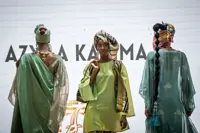
Local labels are making sustainability a focus of their campaigns. More so, than ever. Photo: Malaysia Aviation Group

The fashion industry is indeed trying its hardest to be more environmentally friendly. We see brands putting more thought into how their products impact the earth – and this is apparent in Malaysia.

Local labels are making sustainability a focus of their campaigns. More so, than ever.

Last month saw The Selina launching sustainable handbags made from repurposed aircraft materials. This was in collaboration with Malaysia Aviation Group (MAG), the parent company of national carrier Malaysia Airlines.

According to the press release, the products recycle things like leather seats, belts, buckles, tablecloths and even the iconic cabin crew kebaya uniforms.

Acting chief sustainability officer of MAG and CEO of Firefly, Philip See, said that the repurposing of aircraft materials into bespoke designer bags can help reduce wastage, while still allowing people to enjoy the finer things in life.

It is part of the company's long term aim to minimise environmental impacts and create awareness.

Read more: Even in Malaysia, fashion goes 'green': why is sustainability so trendy now?

That said, other designers have already turned their focus to going "green" in the past few years.

In 2020, Hatta Dolmat unveiled a collection of ready-to-wear fashion utilising a more sustainable fabric. It was produced from 60% recycled plastic bottle yarn, weaved with 40% organic fibre cotton.

We see brands putting more thought into how their products impact the earth. Photo: Zikurat
That same year saw Khoon Hooi partnering social enterprise Fugeelah to release a lifestyle capsule collection focusing on loungewear. It made use of leftover and discarded fabrics from his past designs spanning a decade.

If you think that doing so leads to dated or dowdy products, think again.Upcycled or recycled, the end result is an array of beautiful fashion offerings – not at all distinguishable from "new" products. Unsurprisingly, consumers are excited to see more of them.

Thinking of nature

As this so-called sustainability initiative gathers attention, other businesses are lending a voice to the cause.

A Malaysian jewellery brand launched in December, Zikurat, has even decided to do away with the use of precious gemstones because they are reportedly associated with harmful practices.

While being sustainable is not the only reason, it does factor into Zikurat's image.

"The problem with gemstones is that much of the mining happens in third world countries where exploitation happens and they are not mined sustainably, and are difficult to regulate," claimed founder Melvyn J Kanny.

"Diamonds particularly have had bad reputation, especially blood diamonds in Africa. The next problem with gemstones is that it is very hard to check their origin and authenticity due to black markets. Silver or gold are a much safer bet."

Melvyn designs the Zikurat jewellery himself. He has former experience as an architect, with a string of awards under his belt.

To him, pieces with a simple appearance and that are intentionally uncluttered can work to show off the ethereal quality of materials like silver – without unnecessary distractions.

"The problem with most Malaysian jewellery brands is that it is consumer driven and therefore the jewellery produced are based on market sentiment and preferences," Melvyn added, about the largely trend-driven nature of fashion.

Read more: Multi-talented Malaysian artiste Alvin Chong steps into the fashion spotlight

Brands are trying to change that though. An example is Nyonya Kain. Founded in 2018, the Malaysian batik brand champions sustainability.

The founder pointed out that producers and other small businesses within the local batik industry have been incorporating sustainability – namely via the production of fabrics, ensuring there is lesser waste or pollution.

"We may not be 100% compliant at this point but the way forward would be to have more entities onboard with this requirement and soon enough it will be a standard practice among all companies, with entities whom are not compliant being the extreme minority within the industry," said Dayana Reza.

"Some practices we can already see at this moment is the initiative to help local farmers to cultivate more crops for the use of natural dye, making the ecosystem more sustainable and production more efficient, and involving the community which actively contributed to the environments’ protection."

For sure, it is never too late to take steps to better "clean up" the local fashion scene. Whether with ready-to-wear or accessories like bags or jewellery, all these efforts by local brands are commendable and can encourage us to be mindful of our planet's natural resources.

Get 20% OFF The Star Digital Access

Monthly Plan

RM 13.90/month

RM 11.12/month

Billed as RM 11.12 for the 1st month, RM 13.90 thereafter.

Best Value

Annual Plan

RM 12.33/month

RM 9.87/month

Billed as RM 118.40 for the 1st year, RM 148 thereafter.

Follow us on our official WhatsApp channel for breaking news alerts and key updates!

Next In Style

Has Taylor Swift’s wedding just outshone the Met Gala in fashion stakes?
Fashion awaits Taylor Swift's bridal look, but here's what the guests wore
The American dream, dressed: A look into 250 years of fashion and aspiration
Why letting go of a wedding dress can be among fashion’s hardest choices
Fashion sees clearly as glasses emerge as the chic accessory of the moment
The bikini at 80: Fashion is still pushing the limits of this swimwear classic
Two shirts, one outfit: Is this fashion’s smartest layering trick yet?
A shirtmaker so extraordinary that a luxury fashion house is buying the brand
Holidaying somewhere hot and humid? Stylists share their fashion essentials
Armani fashion still finding its footing in the post-founder era

Others Also Read