



Former Cuban doctor Yodermis Diaz Hernandez makes more money these days raising black soldier flies - whose larvae can be used as fish feed – than he ever did practicing medicine.
In a rustic workshop on the outskirts of Havana, he incubates the flies. Like much in Cuba, the equipment and tools Diaz uses are handmade from whatever he can scavenge.
Over the last decade, initiatives in France, the Netherlands, Britain and elsewhere have invested in the farming of black soldier flies.Ferocious waste eaters, the larvae consume urban and agricultural biological refuse, forming masses of wiggling high-protein maggots that can be processed for use in animal feed and in pet food.
And their production comes at a very low cost, Diaz explained.
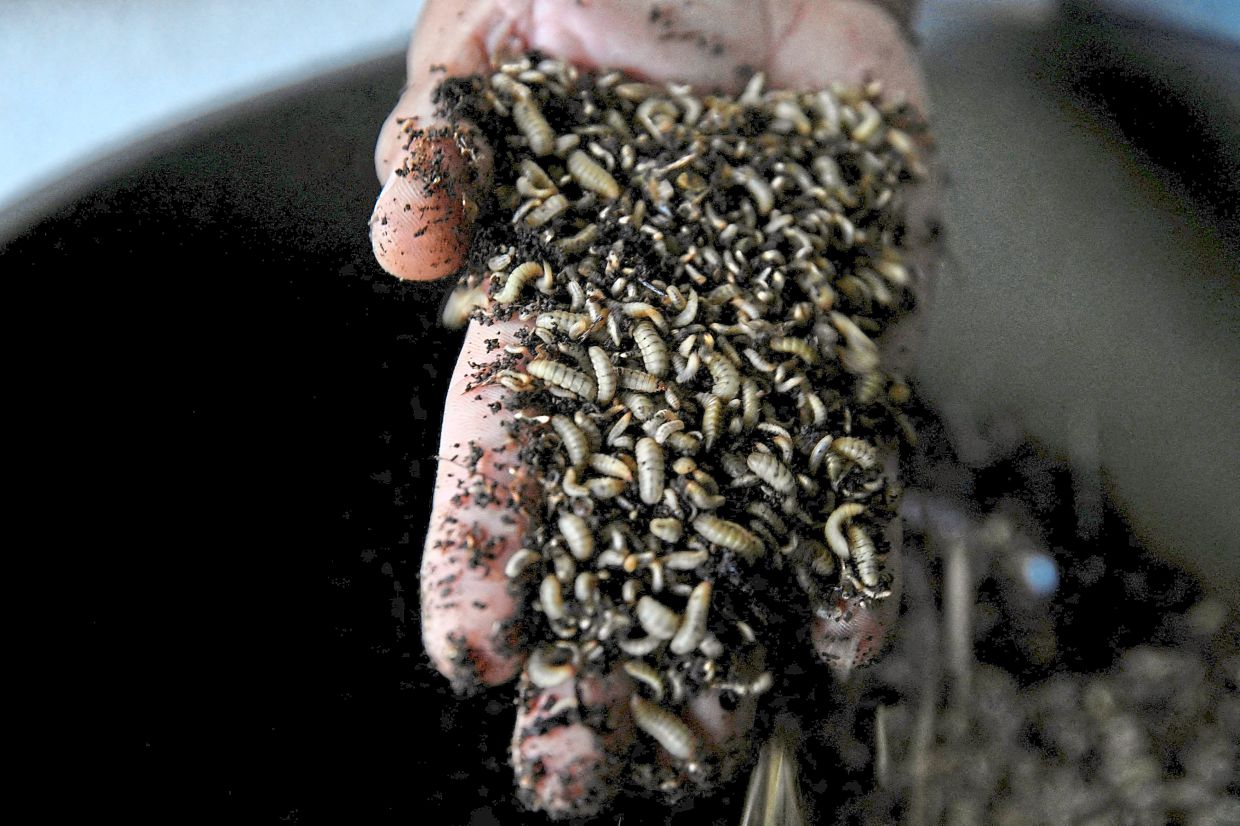
"A friend gave me the idea in 2019 after I had practiced internal medicine for over 20 years, and that broadened my horizons," he said.
That year, new United States sanctions hit the Communist-run country, on top of a decades-old trade embargo.
The pandemic then crippled tourism and domestic industry, and inefficiencies in the state-run model slowed the recovery, leaving the Caribbean island nation short of cash to import just about everything. A long economic downturn followed.
The government last year began looking into the benefits of raising flies to make up for a dramatic drop in imported feed for livestock.Diaz said a handful of people in Cuba have begun their own small enterprises.
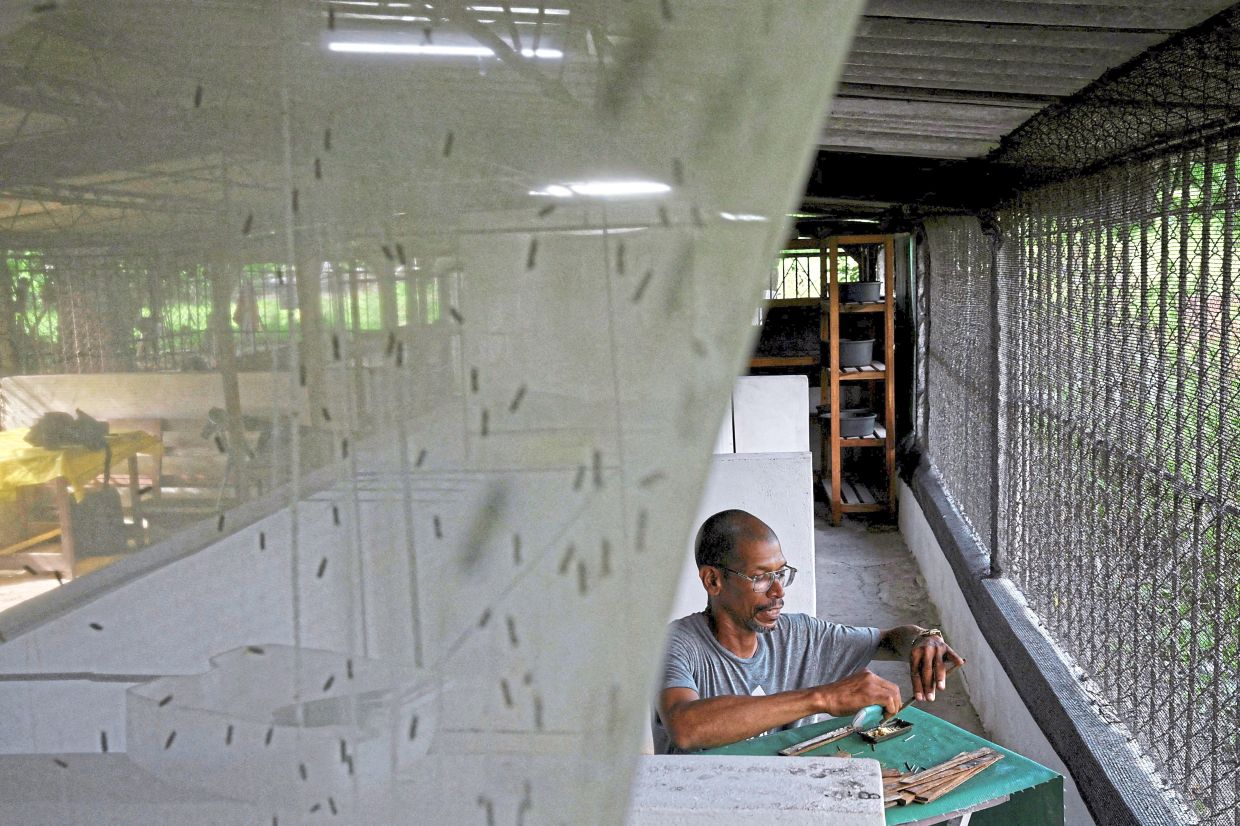
Last year, Diaz sold 300 kilograms of larvae to freshwater fish farms in Cuba, with each kilogram selling for 450 pesos [around US$3.75 (RM15.96), at the official exchange rate when dollars are available].He hopes to sell 1,000 kg this year.
That is many times what he could have earned as a doctor, though he says his main interest is sustainability for Cuba.
"We convert that garbage into protein, into gold for the animals, and the waste into fertilizer. We also help the environment," Diaz said. – By NORLYS PEREZ and MARIO FUENTES/Reuters

