Digital technology has provided consumers with so much ease: a photograph can be captured on a phone, easily edited and shared in seconds, while a song can be summoned with a tap.
Don’t like the way a picture turned out? Just press the trash bin button and try again.
Don’t enjoy what you’re hearing? Feel free to pause and skip to any other tracks – the playlist is your oyster.
Yet despite these conveniences and the speed at which they are delivered, there are groups of people who still prefer doing things a little differently ... even if they are a little slower.

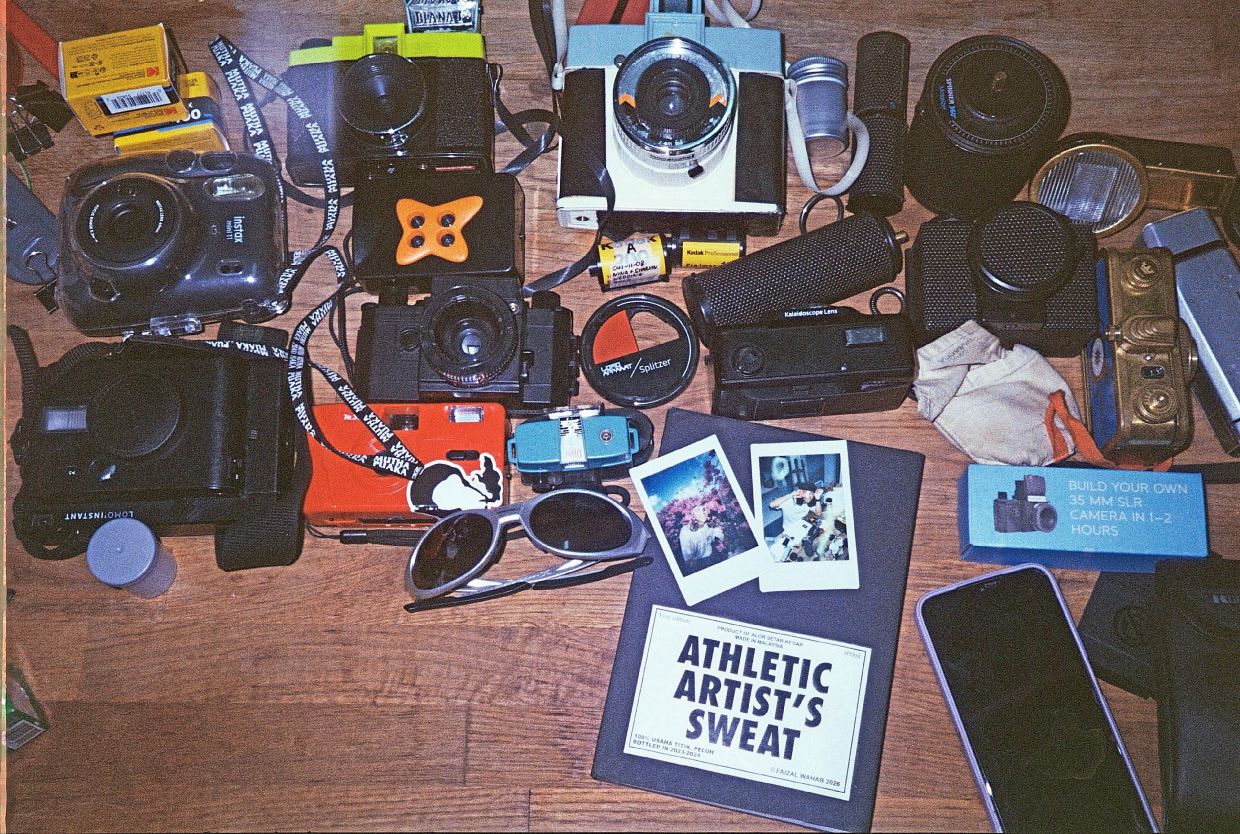
Whether it’s waiting for a roll of film to be developed before seeing the pictures, keeping a photograph that exists only in physical form or lowering a needle onto a vinyl record instead of pressing a button to start the music, going analogue is no longer exclusively tied to the “vintage days.”
For brand marketing executive Elaine Ng, who received her first Polaroid camera – one which uses self-developing films to create prints shortly after pressing the shutter – as a birthday present when she was 16, the appeal is all about the memories she can hold in her hands.
She has kept the practice going for seven years now, taking photos mainly during moments such as birthdays, trips with family and friends and at milestone events such as her graduation.
At her graduation ceremony earlier this year, she took about 15 photos using the camera to document the occasion.
The pictures she takes form a personal archive that she can revisit in a way that feels different from scrolling through the phone’s digital gallery.
“I like having physical copies of pictures because of my parents. They have a tradition where they will take photographs of us and print them at the end of the year when they have a 12 months’ worth of photos. They will store the photos in an album,” the 23-year-old says.
“I like to revisit the photo albums they’ve kept of me since I was small. I think it’s a very sentimental way of keeping memories.”
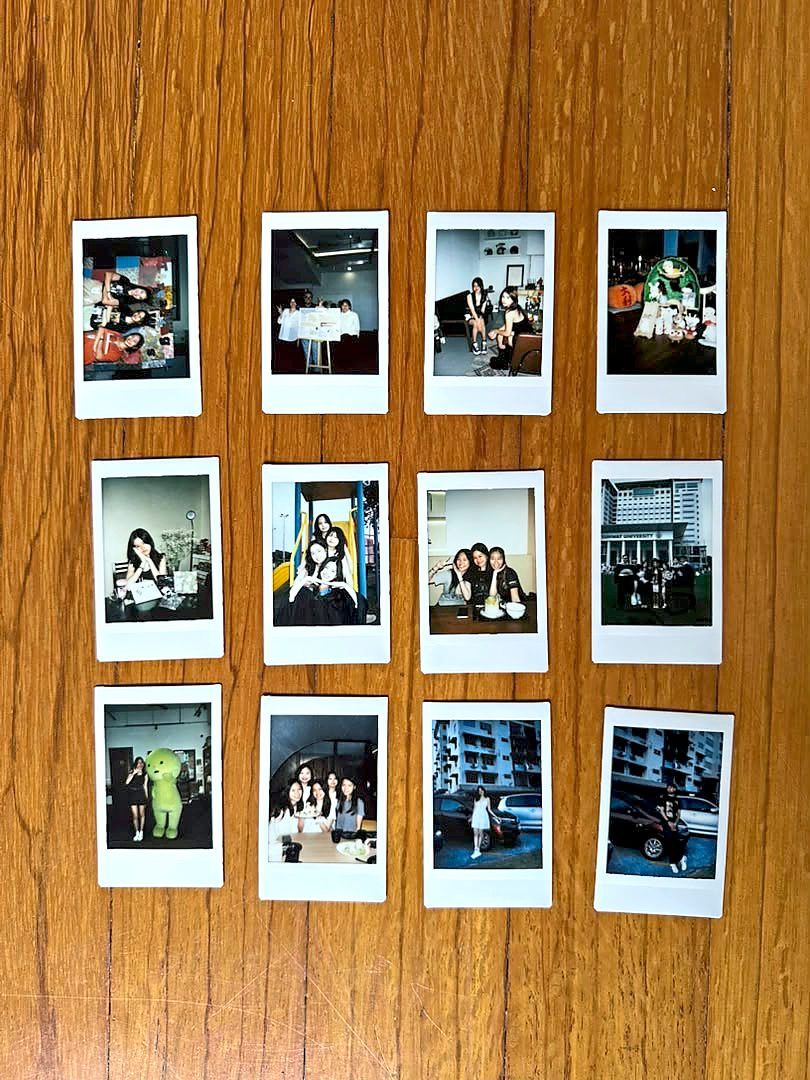
Following their footsteps, she began keeping an album of her own, collecting films from the age of 16 onwards. Flipping through it allows her to look back on the years and see how her life has progressed.
She does admit that the film packs for the camera can be expensive, so she makes the shots count and only reserves it for special occasions.
Ng still takes digital photos on her phone every day, but the camera produces keepsakes for precious memories.
A slower enjoyment
The desire for something tangible also draws people to vinyl records.
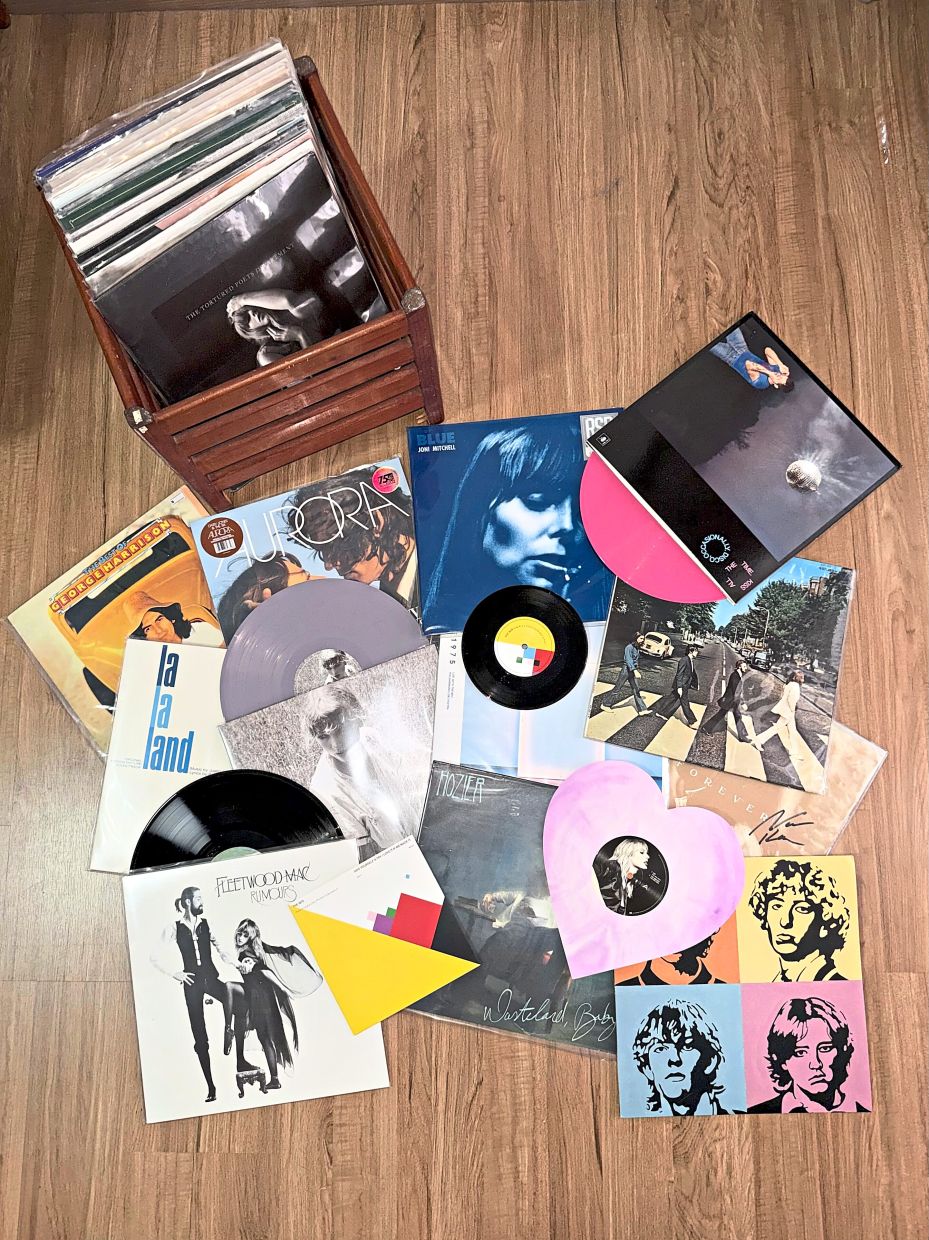
Sofea Shabani, 24, first became interested in records during the Covid-19 pandemic, after being drawn to the look of coloured vinyl pressings.
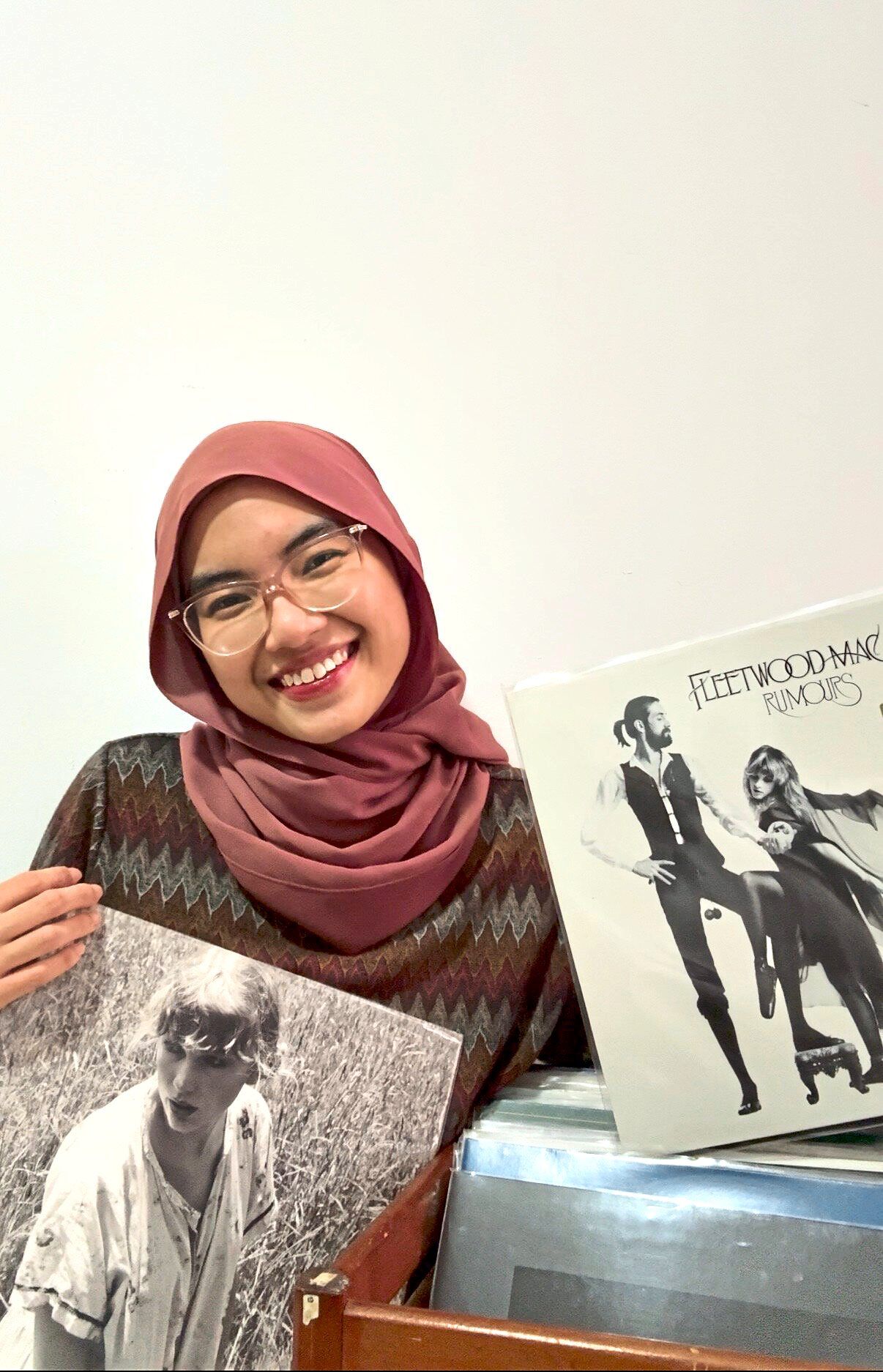
She bought her first record before even owning a player. Eventually, she invested in a second-hand turntable while studying abroad, which she brought back to Malaysia and continues to use to this day.
“In an age where media is both extremely accessible and at risk of being wiped out of existence at any moment, I like that there’s an element of permanence with owning physical media, says Sofea, who is a digital researcher.
She also recalls being upset when a song she loved from a band’s album was removed from streaming services.
“I found it both upsetting and unsettling that an artiste was capable of erasing and revising art that they had released to the public whenever they wished to and could act as if it never even existed.”
This made her appreciate the permanence of physical media in a way online streaming could not offer.
The experience of listening is different too. Playing a record involves setting up the turntable, cleaning the disc, adjusting the volume and speed and flipping the record when one side ends.
Sure, it takes more effort than pressing a play button, but that effort makes her more attentive to the music being played.
“You become more aware of the record, and therefore more aware of the music you’re playing,” she says.
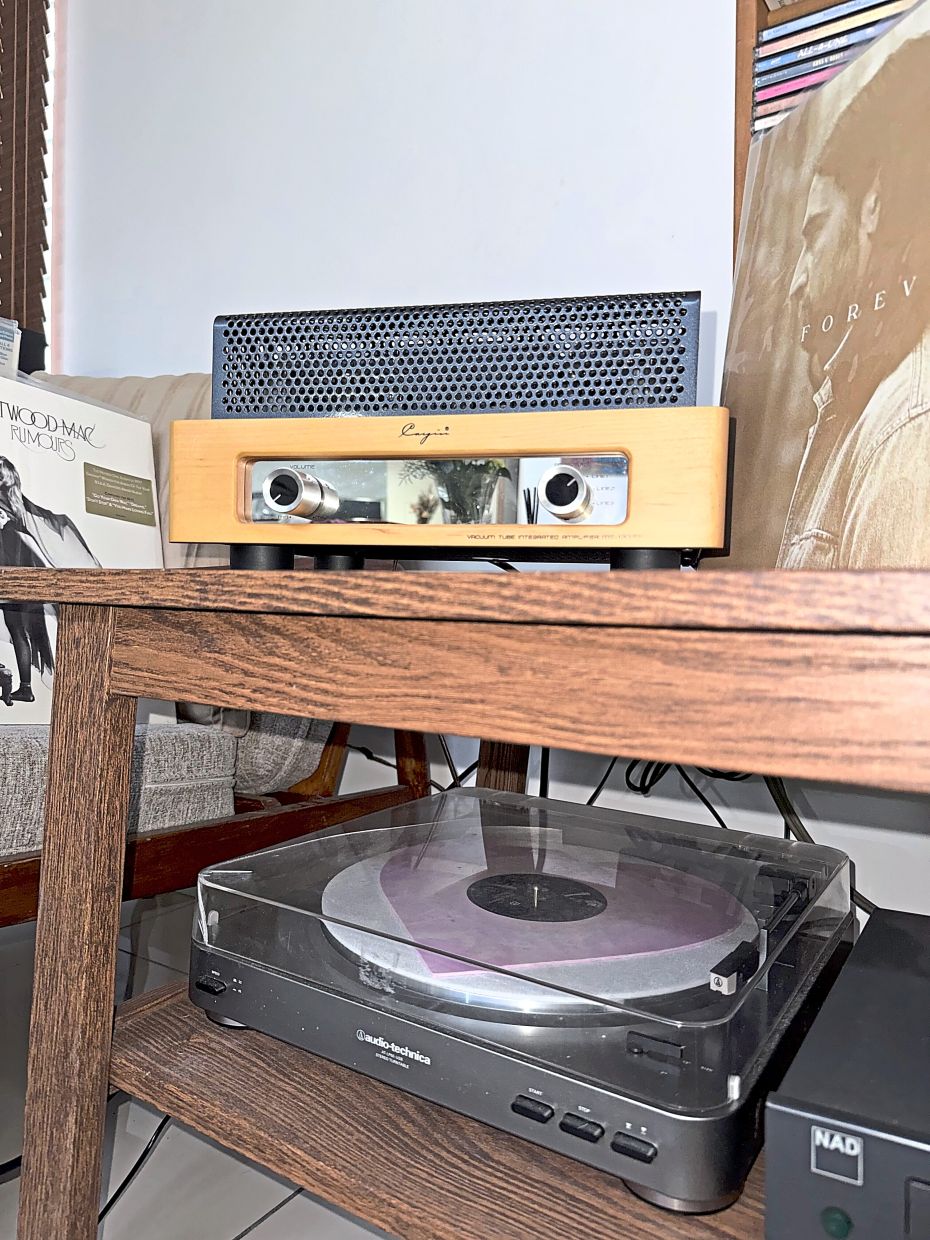
Sofea is also selective about the records she gets for herself. “I’ll only buy records that I already love and would like to have a physical copy of. I’m not one for collecting just for the sake of collecting. It has to be an album I actually enjoy for it to be worth buying.”
The imperfections of playing music on a record player, specifically the crackling sounds on older records, also adds to the charm.
“There’s something almost magical about being able to hold in your hands the tangible, physical representation of all the work it takes to make an album – from the writing of the music, to the composing, recording, producing, mixing and then the process of pressing the record itself.”
‘Looking into a time capsule’
Video editor Sarhvin Rakupathi, 26, was drawn to using analogue technology in 2019 after seeing photographers and other creatives he followed online experimenting with the format.
He began with a disposable camera during his travels and liked both the texture of the images and the waiting period to see the results.
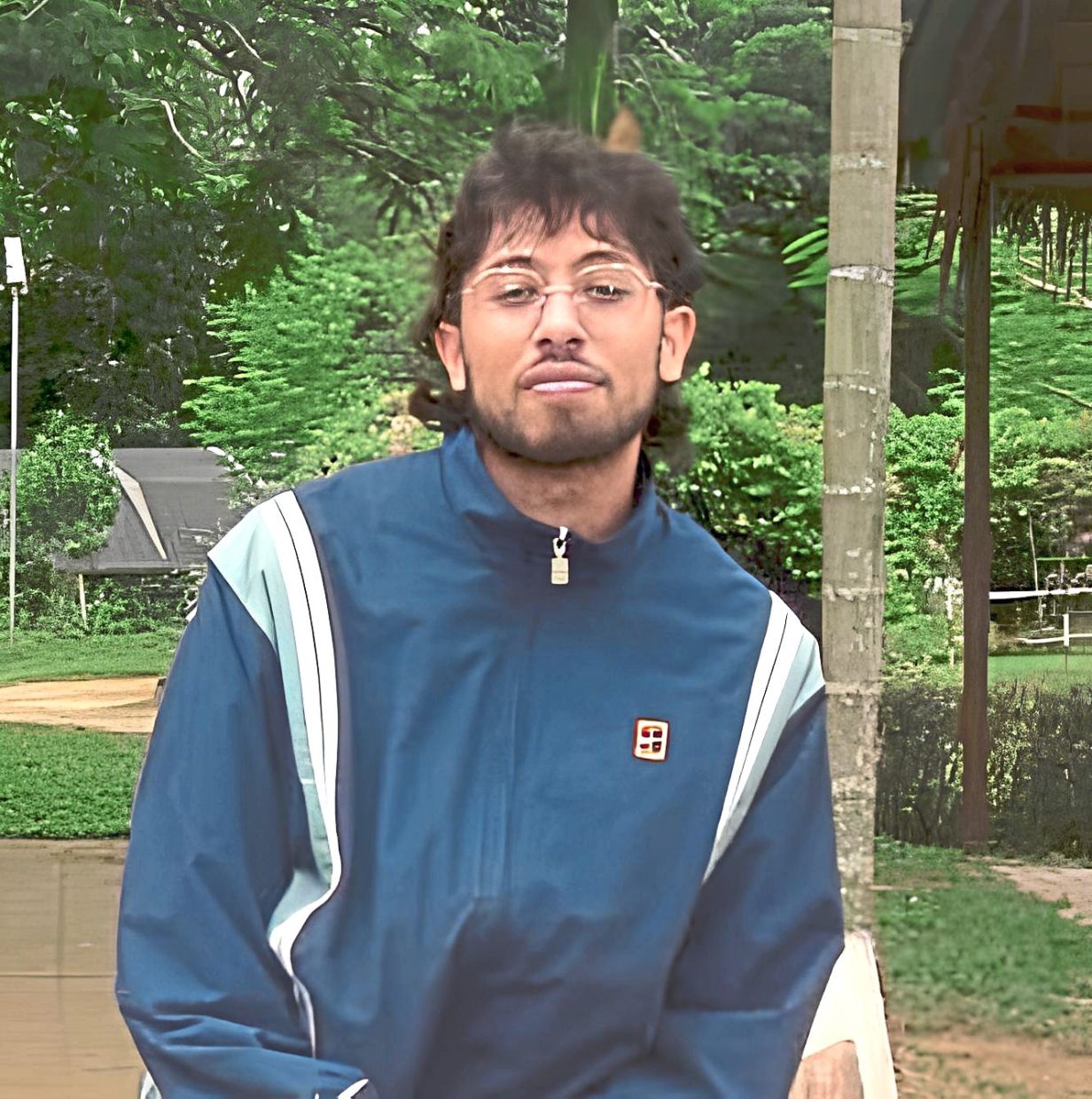
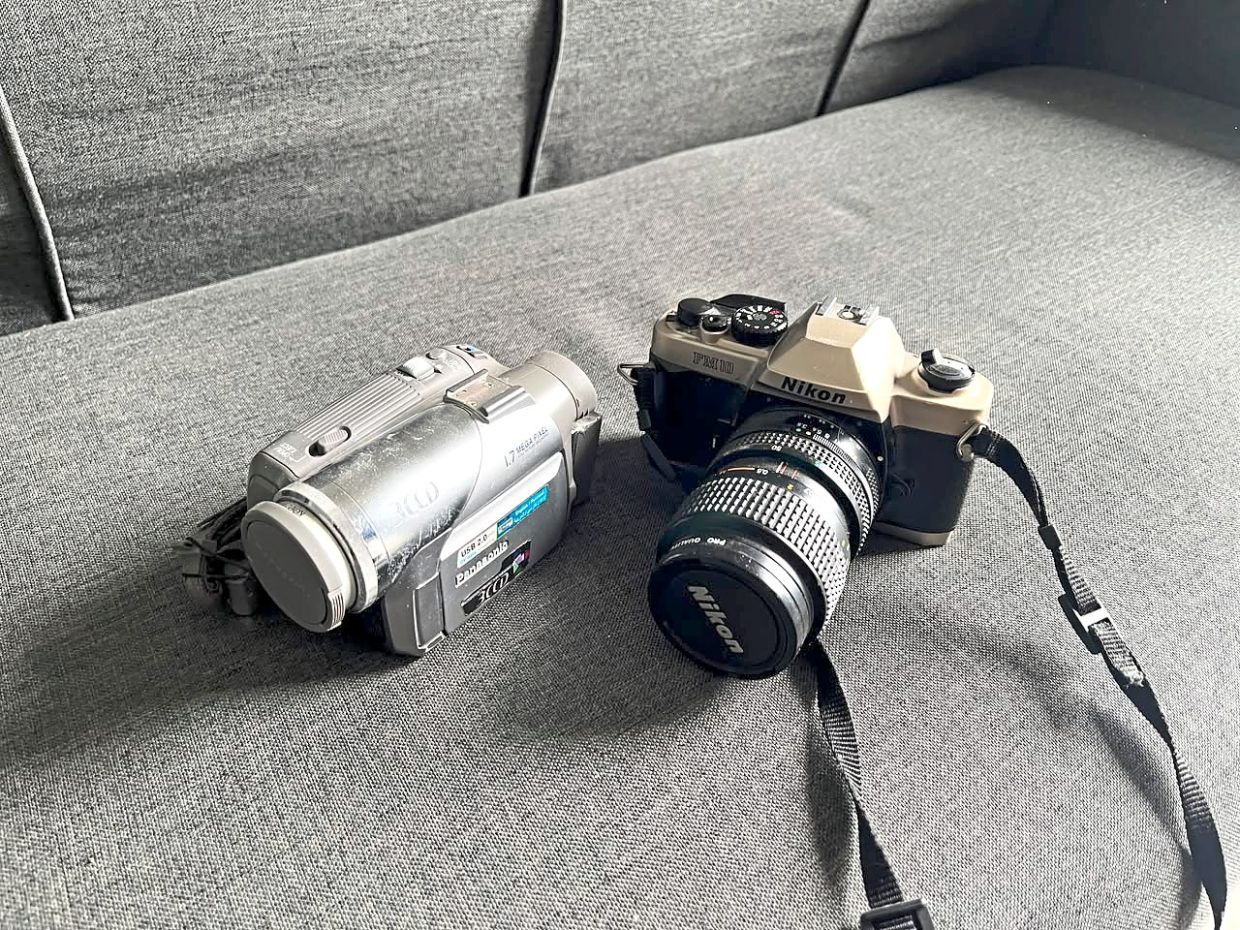
“When you shoot on film, you’re not really thinking about perfecting the shot because you’re more focused on capturing the moment,” he states. He now uses both a film camera and a VHS camcorder.
With a limited number of exposures and no immediate way to preview the shots taken, there is less opportunity to check and retake every frame.
But when the pictures were finally developed, Sarhvin says it is like “looking into a time capsule.”
Sarhvin still prefers to keep most of his photographs digitally accessible rather than printing them. The texture of the footage and the way the limitations change his approach are aspects that matter to him.
While the current widespread interest of going back to analogue for photography and videography is driven by a trend, he believes the tactile experience will keep users coming back.
“When you use analogue cameras, there’s the sound of the click, the rolling of the film and the digital zooms you hear on the camcorders. People are mostly driven by the nostalgia these items provide.”
For professional photographer Wan Arman Rushaidi Wan Nordin, 30, analogue has become a big part of his career, from photographing weddings and events to developing film and teaching others how to do it.
While pursuing his studies in 2017, he was gifted a Lomography camera (a film camera used for an experimental photography style that embraces imperfections such as light leaks and saturated colours) as a birthday present from a friend.
He was already familiar with digital cameras, but the delayed gratification of taking the photos and seeing the results made him excited to try it out.
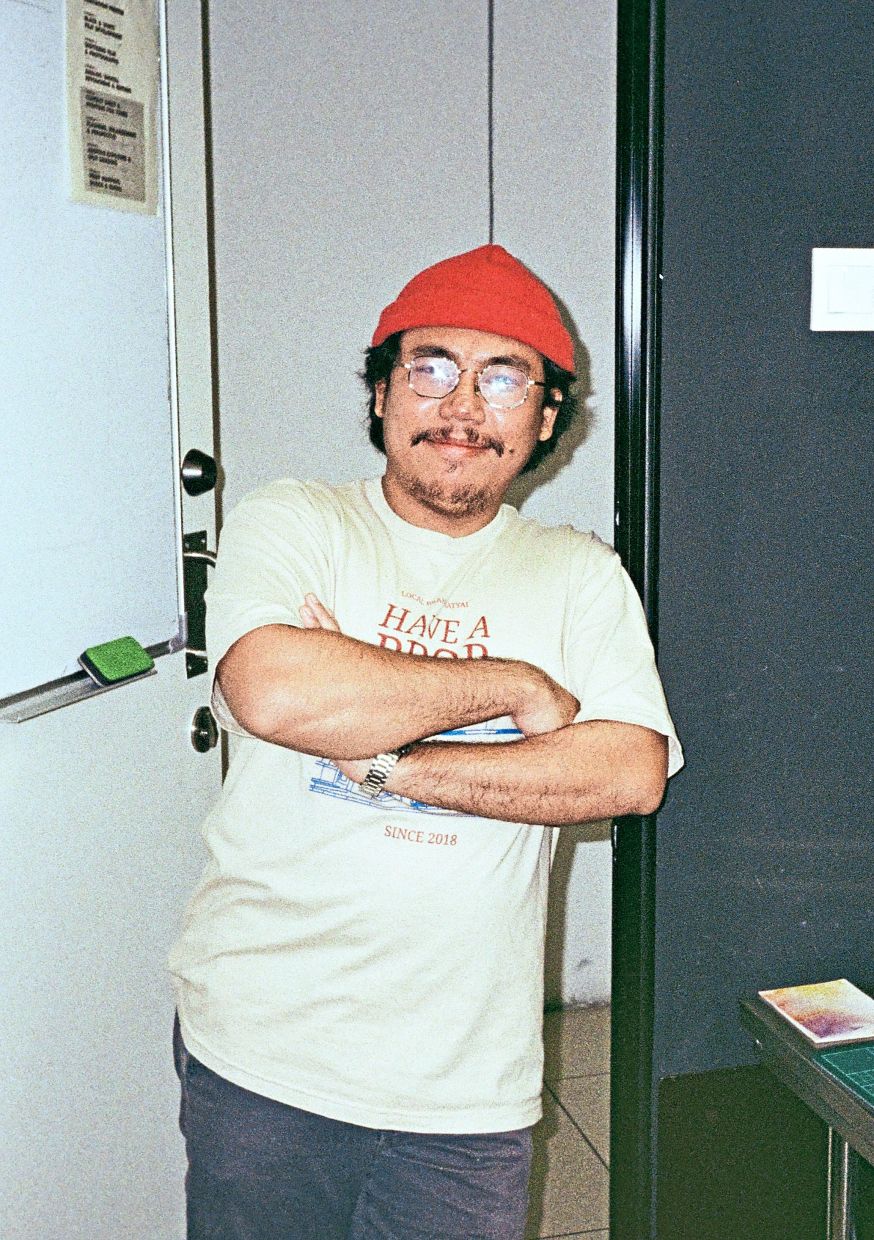
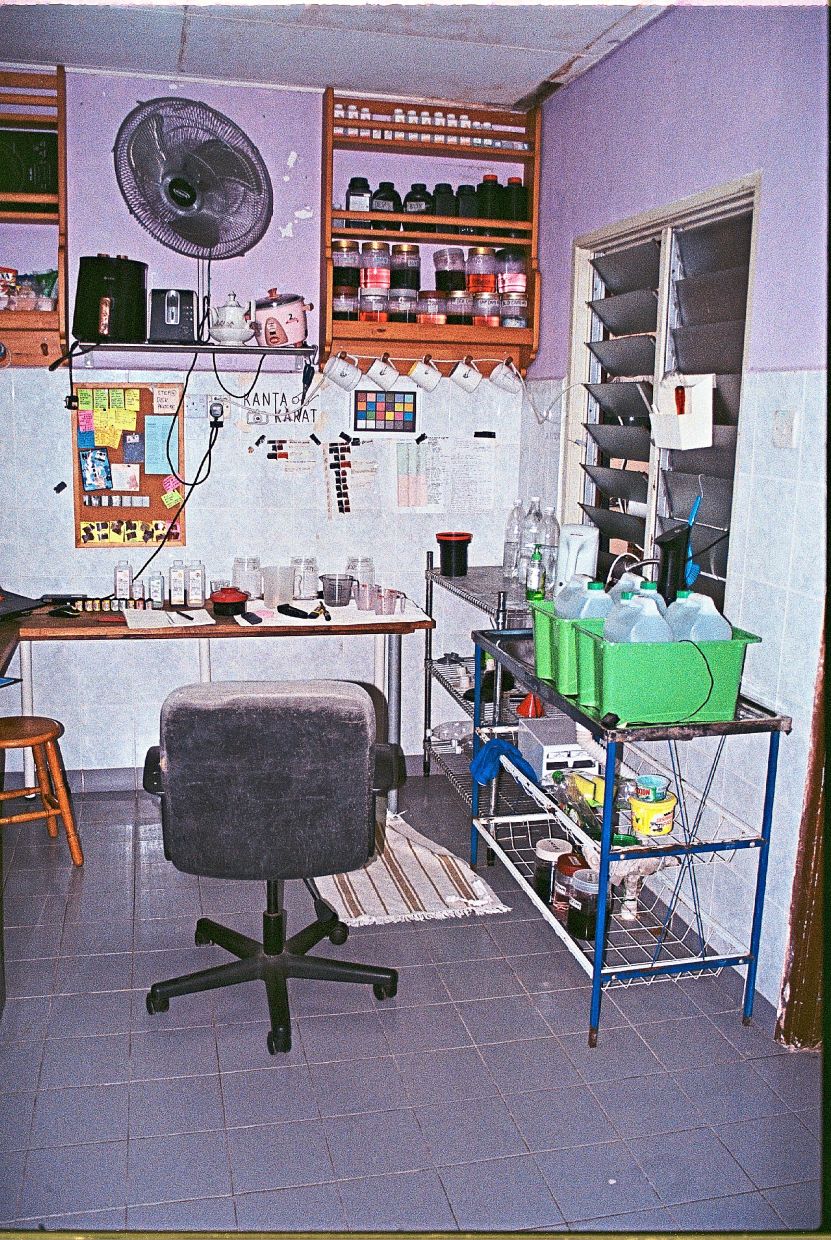
After photographing his friend’s wedding and sharing the photos on social media – which led to further requests from others to document their special occasions – he eventually developed his own practice and home lab under the name “Kanta Karat”.
Based in Jitra, Kedah, there were no convenient film developing labs available around him.
“I started learning at home, watching YouTube tutorials, buying the equipment and chemicals I needed, and figuring things out through trial and error,” he explains before eventually opening up his home lab to the wider community.
Today, he teaches and helps others develop their own film and make silver gelatin prints from film negatives.
He sees the work as more than a photography and film- developing service, but as a way for people to experience the process themselves and understand what goes into the art.
Embracing imperfections
With analogue photography, Wan Arman Rushaidi finds himself learning how different variables work together, such as choosing the type of film, understanding the light, developing the negatives and scanning them.
Lomography has also encouraged him to experiment with multiple exposures in his shots, overlapping landscapes and films that shift the colours of trees, buildings, skies and even skin tones.
“I’m not always trying to reproduce the exact colours or appearance of what I see in front of me. Sometimes, I want to see how a familiar place might look or feel, interpreted differently through a particular film.
“It allows me to be more playful with photography and see things from a different perspective. I like that film gives me room to experiment while still documenting moments that are personal to me.”
He has had rolls of film come back not perfect, but a photograph he considers unsuccessful may mean a great deal to the person captured.
“It reminds me that photography isn’t always about getting the perfect shot. Sometimes, it’s about preserving a moment that you might not get back.”
The experience has also helped him become more comfortable with uncertainty, since no matter how much planning goes into it, the end results can be completely different than what is expected.
That may sound unpleasant to some, but Wan Arman Rushaidi says it’s part of the enjoyment and makes the process so much more rewarding.
However, he doesn’t consider film superior to digital photography. Both have their strengths and digital tools can also imitate the look of a film. But the hands-on process and imperfections of analogue films set them apart for him and make the experience “human”.
“Film offers an experience that encourages me to slow down, stay curious and appreciate how a photograph comes into being, not just what it looks like in the end.”
Keeping the process alive
Wan Arman Rushaidi personally believes analogue films will continue to have a place even as digital tools and artificial intelligence (AI) become more capable of creating and manipulating images.
“Film photography doesn’t automatically make an image truthful or impossible to manipulate, but the physical materials and the process give people another way to engage with image-making beyond a screen,” he explains.
The concern, he says, is whether the skills and infrastructure needed to work with film will remain accessible. He hopes that through what he does, he can ensure that analogue skills and knowledge continue to exist for the next generation to discover.
Sofea also recognises that the popularity of vinyl may move in and out of fashion. But no matter what, she believes she will still find herself returning to her record player when she has spent too much time on her phone.
“The nature of our lives becoming so digital means it’s become inherently fast-paced, so it’s no surprise that we seek things that require us to slow down,” she says.
Ng also agrees that a big part of our lives are heavily associated with being online. “Most of us just want to take a breather and step away from the digital world, which is why we’re going back to doing things physically.”
Their reasons for choosing to experience art the analogue way may be different, but the common thread is that it’s not a rejection of modern technology, but a chance to be more deliberate with what is consumed and produced, as well as to give memories a physical form.
Regardless of the current lifespan of analogue media, there will always be space for it in the future.
And whatever the future holds for it, the world will no doubt continue to make space for these formats because they offer something that convenience alone cannot: the pleasure of slowing down and being present in the process.