
Dog grooming at home used to mean an occasional bath in the tub. Now it’s becoming a regular routine.
More than half of dog owners handle grooming themselves, and dog wipes are leading the shift. Ownership of doggie wipes in the United States more than doubled in 2025.
Here’s what’s driving the move, why wipes are the entry point and how to build a routine that actually covers what your dog needs.
Rise of home grooming
According to the American Pet Products Association’s 2026 Dog Report, 51% of dog owners now groom their dogs at home. Spending on salon and mobile grooming declined in 2025 as owners increasingly handled routine care themselves.
Dog wipes were one of the fastest-growing pet product categories, with ownership up 108% year over year. But at-home wellness is growing beyond coat care. Nearly 46% of dog owners now own dental care products.
APPA president and CEO Pete Scott says owners aren’t abandoning groomers. “They’re doing more of the small, frequent jobs themselves and saving professional visits for work that requires more skill.”
Three forces explain why dog grooming is shifting from the salon to the bathroom.
Dog wipes make the entry point easy. Wipes work well for muddy paws, surface dirt and small messes between baths.
PetMD recommends grooming wipes for spot cleaning and waterless shampoos for between-bath cleanups. They’re especially practical after walks, travel, rainy weather or outdoor play when a full shampoo isn’t needed.
For routine debris, the American Kennel Club says even a damp towel can work. Use dog-specific wipes rather than household cleaning wipes, especially around paws, faces and sensitive skin.
Owners want value without cutting care. APPA says the shift is part of a broader move toward intentional spending.
“Today’s dog owners are looking for value, but that doesn’t mean sacrificing care,” Scott said. “They’re finding products, services, and routines that deliver the greatest benefit for their dogs while fitting into the realities of household budgets.”
At-home wellness keeps expanding. Supplements, dental products and human-grade food are all growing alongside grooming. The trend isn’t just about saving money. It’s about owners taking a more hands-on role in their dog’s everyday health.
Knowing how to groom a dog at home means more than owning a bottle of shampoo. A basic routine covers brushing, bathing, teeth, ears and paws.
Brush before you bathe. “Brushing is the key to keeping [a dog] clean. I don’t recommend a lot of bathing,” longtime master groomer Ray Truting told PetMD. “If you are going to bathe your dog, brush first to get the heavy dirt out.” Most dogs benefit from brushing several times per week. Long-coated breeds may need it daily.
Bathe when needed, not on a schedule. Too-frequent bathing can strip natural oils and dry out the skin and coat. Use a shampoo formulated for dogs and rinse thoroughly.
Clean paws and small messes between baths. Wipes, a damp cloth or waterless shampoo can handle many minor cleanup jobs without a full bath.
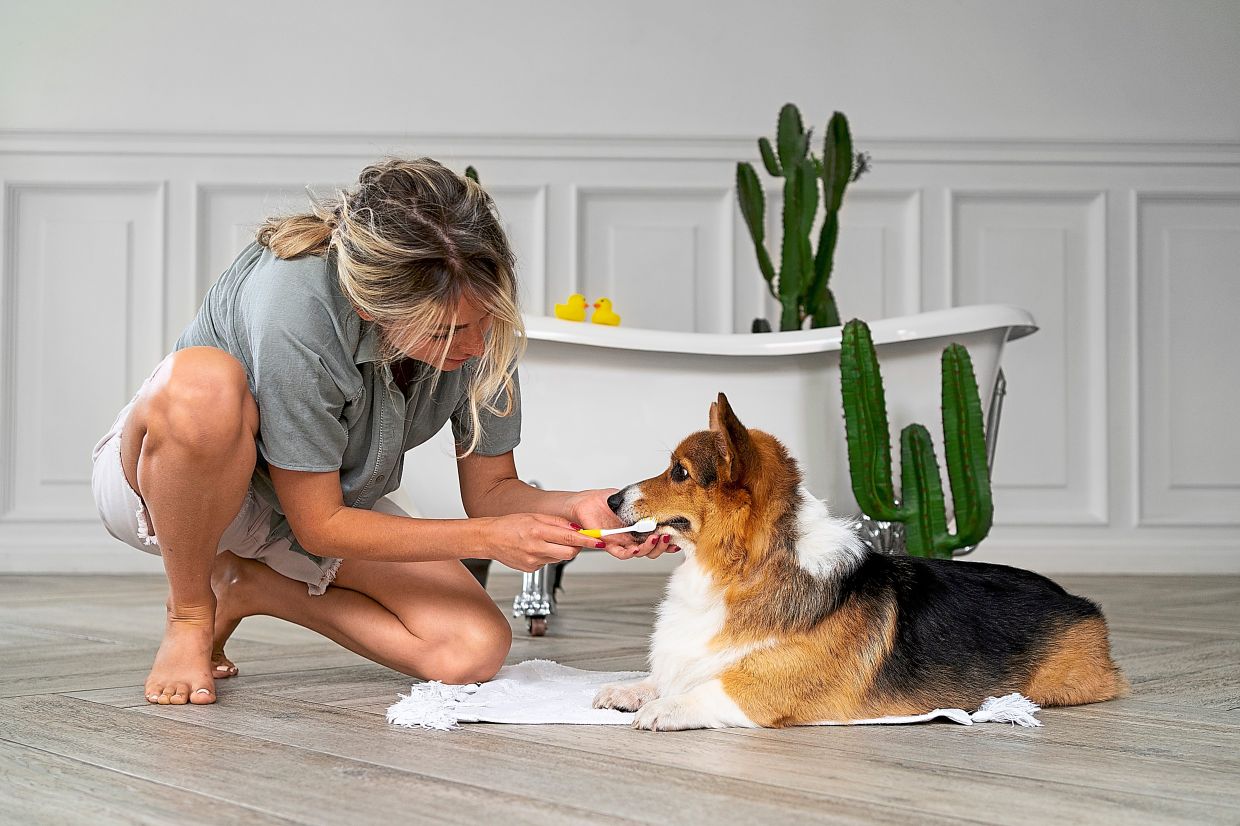
Brush teeth regularly. Daily is ideal. A few times per week still helps because plaque can begin building up within about 48 hours.
Check ears and paws. Look for redness, swelling, discharge or strong odour in ears. Inspect paws for cracks, injuries, debris and nails getting too long.
Make it safe. “Use a non-stick mat in the tub or shower to prevent slipping, and ensure the water temperature is warm but not too hot or cold, as pets can be sensitive to extreme temperatures,” veterinarian Sarah Cortright told PetMD.
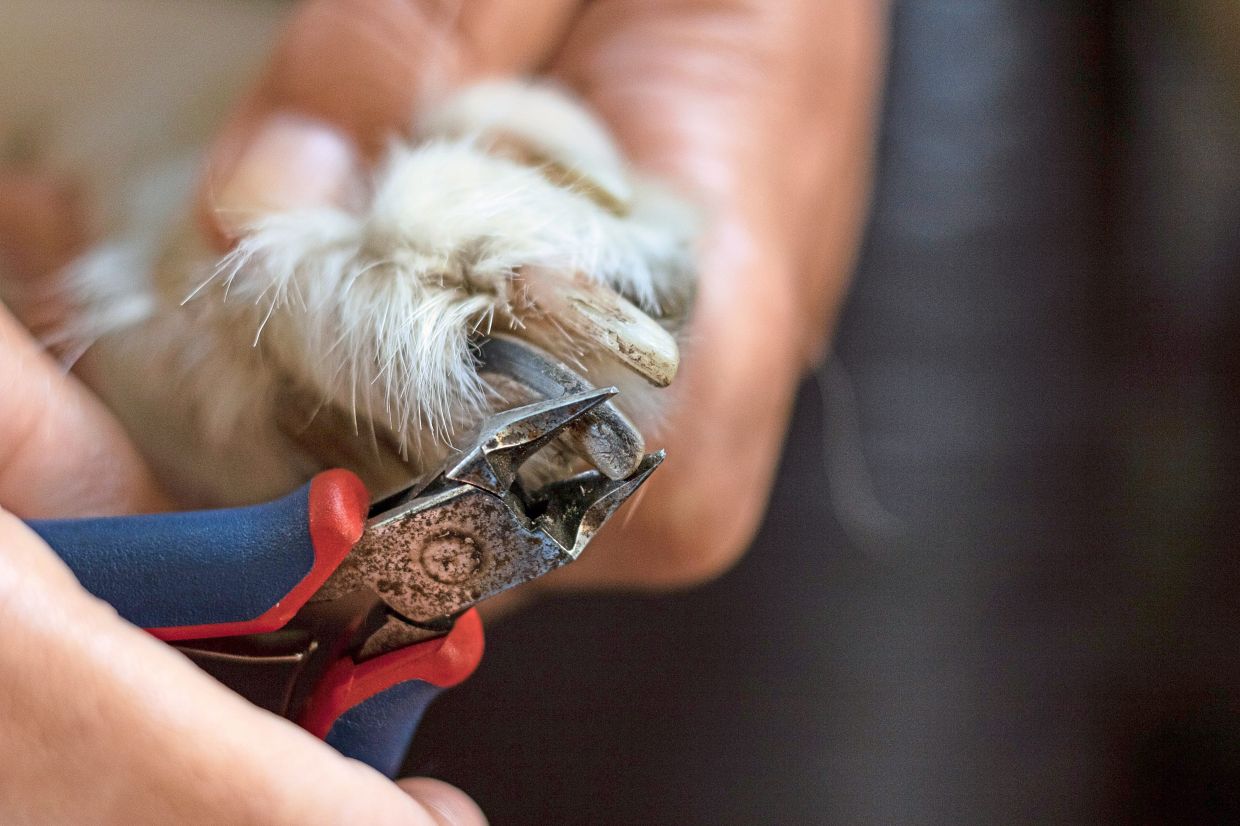
Veterinarian Neil Marrinan emphasises gradually getting dogs comfortable with handling before attempting more involved grooming, according to PetMD.
Know what to leave to a professional. Grooming your dog at home doesn’t mean replacing the groomer entirely.
Haircuts, shaving and complicated clipping require training. Cutting out tight mats with household scissors can injure a dog.
Dark nails make it hard to see the quick. Hair near sensitive areas needs professional clippers. The AKC specifically recommends leaving anal gland expression to a groomer or vet.
The goal of at-home grooming is handling the easy, frequent jobs yourself. However, leave haircuts, severe mats and higher-risk tasks to someone trained to do them safely. – The News & Observer (Raleigh)/ Tribune News Service