In the past 10 years, the Malaysian dining landscape has undergone a metamorphosis of sorts, coming into its own and gaining maturity. This ecosystem has largely been fuelled by a number of factors: the growth of talented local chefs who have set up interesting restaurants; the introduction of the Michelin Guide in KL and Penang in 2022; and the increasing saturation of regional dining markets like Bangkok and Singapore.
The spillover effect of this is that the Malaysian dining scene – although still nascent – is increasingly being viewed as an alternative route to shine and stand out.
In tandem with these developments, a small but growing number of international chefs have set up home in Malaysia. Many have gilded international credentials and yet when given an opportunity to spread their creative wings in Malaysia, they took it.
Opportunities beckon
For many international chefs, Malaysia probably wasn’t their first choice when it came to venturing into Asia. This is largely because the dining landscape here isn’t as well-known as those of more prominent Asian stalwarts like Hong Kong, Taipeh, Seoul, Singapore and Bangkok.
And yet conversely, cities like KL and Penang are growing both in repute and talent pool. French chef Nathan Besson, for example, is the new chef de cuisine at Kuala Lumpur’s Michelin-starred DC Restaurant, helmed by inimitable local chef Darren Chin.
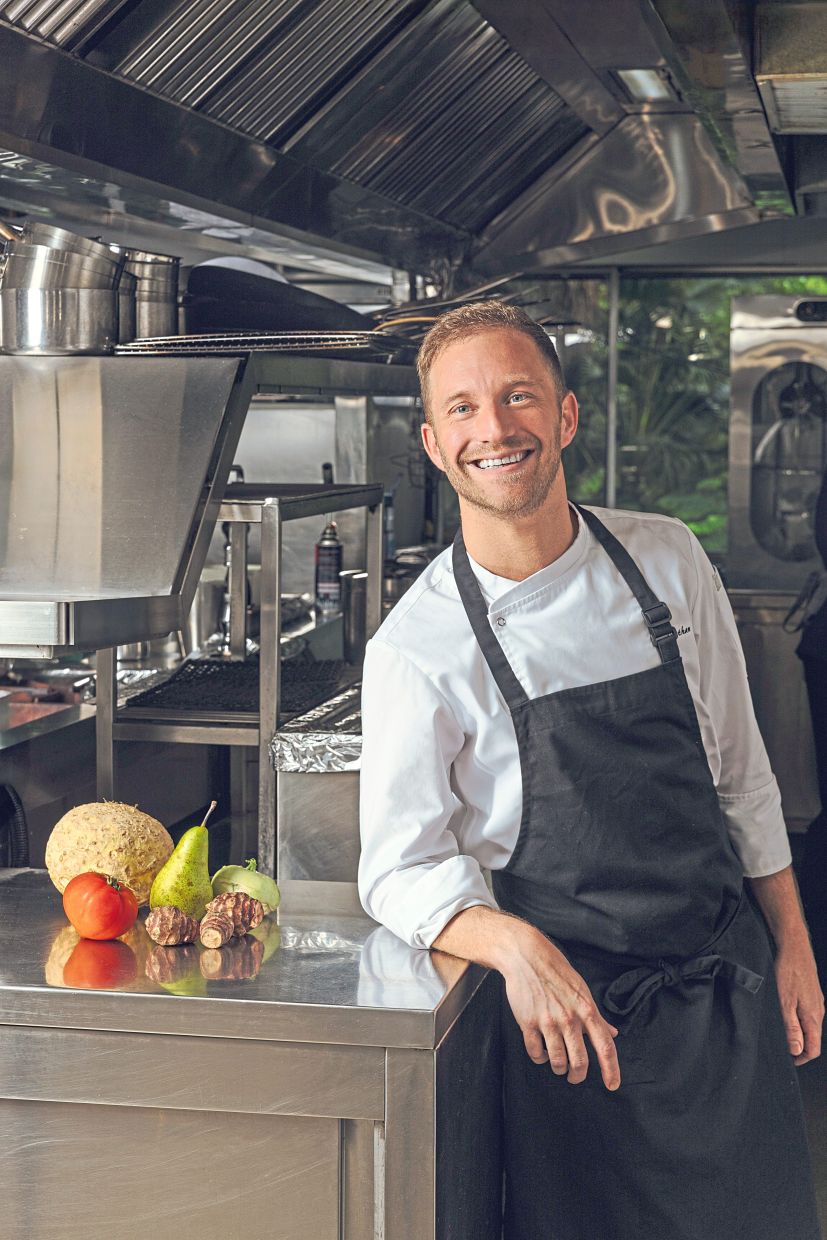
Besson has worked in Australia, France and Hong Kong – spending the last 10 years of his career cutting his teeth at illustrious Hong Kong eateries like the two-Michelin-starred Tate Dining Room with Vicky Lau and the one-Michelin-starred Arcane with Shane Osborn.
“I broke up with my girlfriend in Hong Kong, so I thought of going to Bangkok to work, but that didn’t happen. I have a good friend whose girlfriend is Malaysian Chinese and always talks about Malaysia, so I came here on holiday in October and thought I would try to find a new job here,” says Besson.
Besson has been here for a few months and says that while he enjoys the abundance of local seafood and vegetables, one of the things that has been eye-opening about KL is the lack of availability of many of the imported products he is used to working with.
“The local dining scene is quite interesting and exciting but not developed yet. Like, I didn’t expect to not find the French produce that I want and I wasn’t aware of how important halal-sourced products are. In Hong Kong, you can get anything you want without restrictions, but here, it is harder to do fine dining because you might be able to get tomatoes one week but not the next week,” he says.
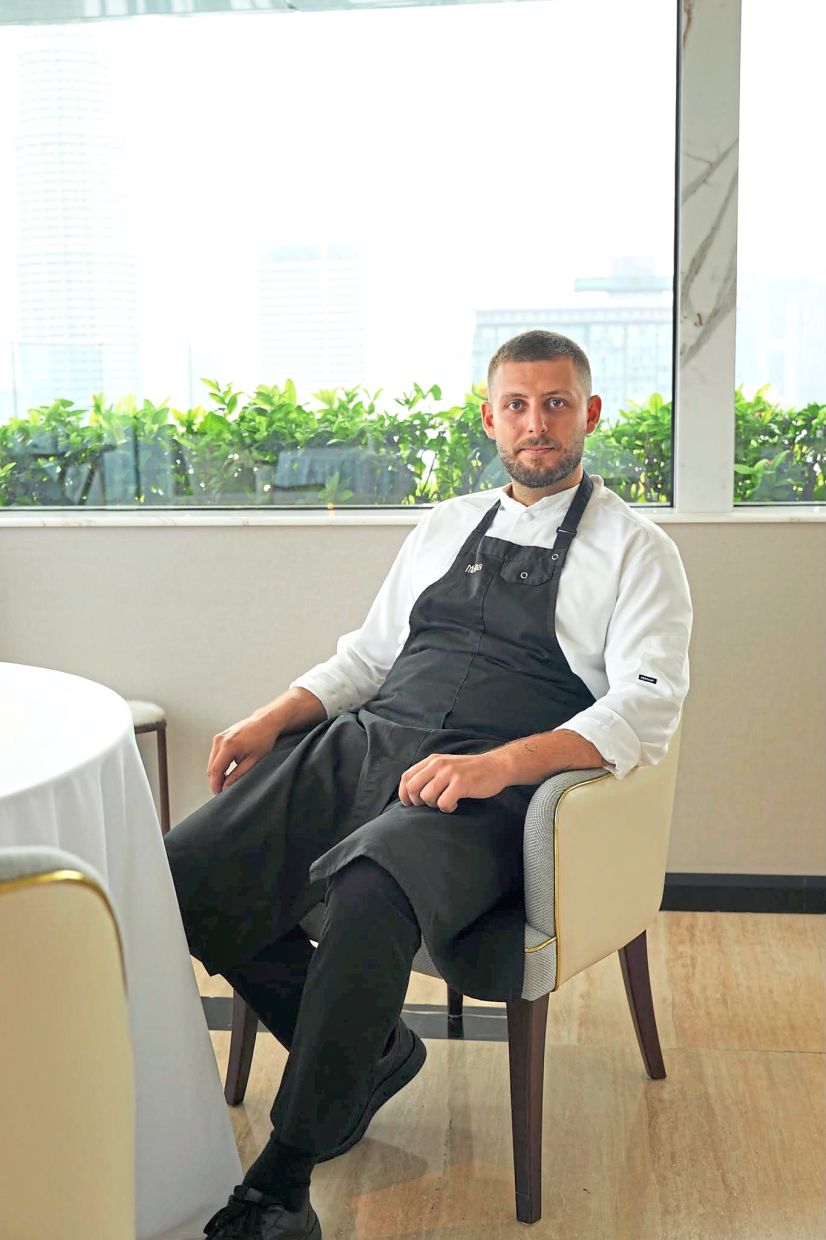
Guillaume Depoortere, meanwhile, is the head chef of Molina in Kuala Lumpur, which he guided to become a Michelin-starred restaurant within five months of its opening. The restaurant focuses on modern European cuisine – a style of cooking that Depoortere himself is extremely familiar with, given that all his previous experiences have been centred in Europe.
Depoortere has worked in Belgium, Spain and Germany – with his last stint being a head chef position in Germany with a two-Michelin-star restaurant. His eventual plan was to go back to his homeland of Belgium and open his own project.
But as the years progressed, he saw many of his friends helming cool restaurant projects in Asia, and it became a dream of his to eventually make his way to the continent too.
“I said to Robin (my girlfriend) that I was a bit jealous of these chefs because they were there and I didn’t know if I was ever going to make my dream come true to work in Asia. But then I got the call about the job in Malaysia, and honestly I was a bit unsure.
“I had never really heard much about Malaysia – I knew Singapore and Thailand, but Malaysia was a bit of an underdog country to me,” says Depoortere.
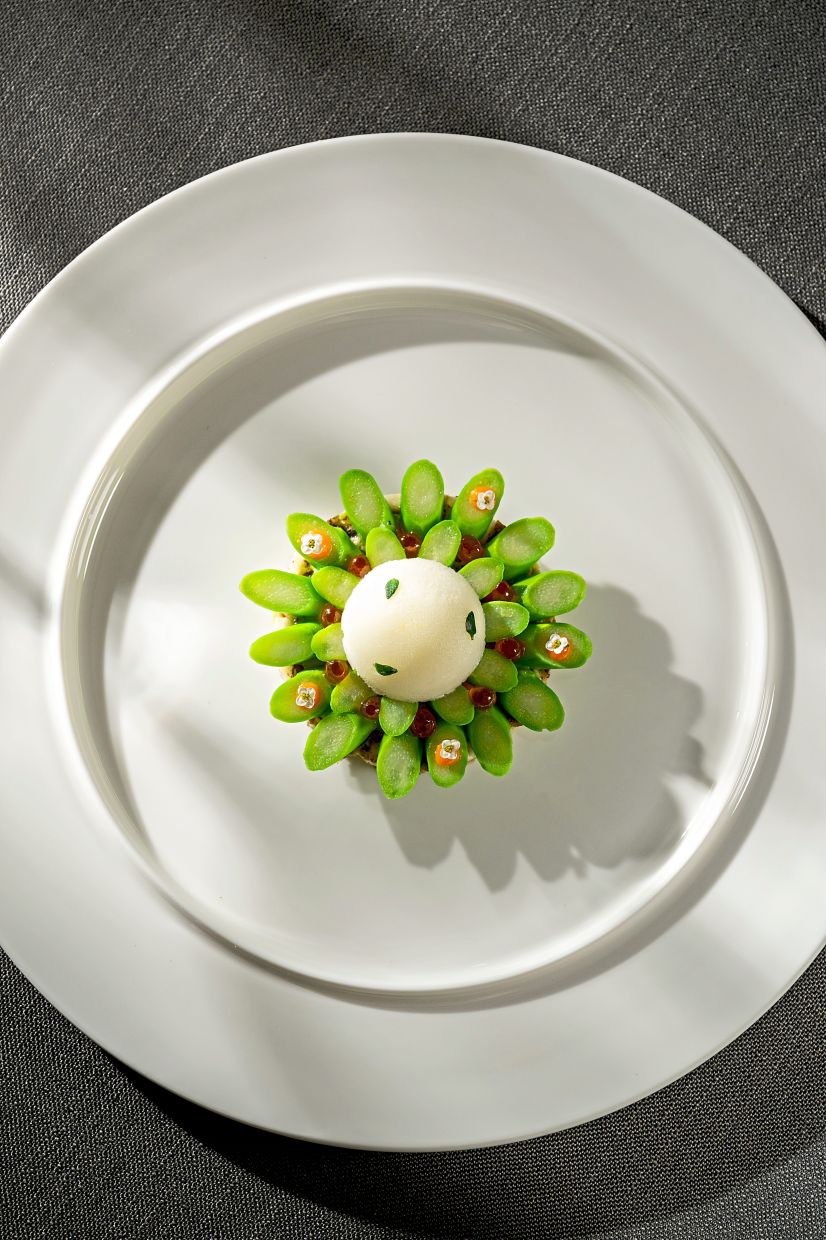
Depoortere asked the owner of Molina to let him experience Malaysia, so they flew him in and he spent nearly two weeks here. Despite loving the country, he remained hesitant and unsure about moving here and helming a brand-new restaurant in a different part of the world. In the end, it was Robin (now the manager at Molina) who convinced him it was a good opportunity.
“When I saw the restaurant and thought about how I would be able to run such a beautiful place, I was like ‘This is going to be something big,’ so I decided to just take the risk and see where it went,” says Depoortere.
Depoortere says he has really enjoyed coming into his own at Molina, under the stewardship of Sidney Schutte, the Dutch Michelin-starred chef who opened the restaurant in collaboration with owner Datuk Alex Tan.
One of the challenges that Depoortere has continued to face, though, is the fact that it is a little difficult to convince other international chefs or sommeliers to come to Malaysia and work with him.
“We had a sommelier on trial with us and he was like, ‘Wines are quite expensive here’. Also, there are not as many interesting labels here, although importers are bringing in more. But our experience is that a lot of people from Europe are still a bit hesitant about coming to Malaysia. A lot of them are like, ‘If it was Thailand, I would come,’” says Depoortere.
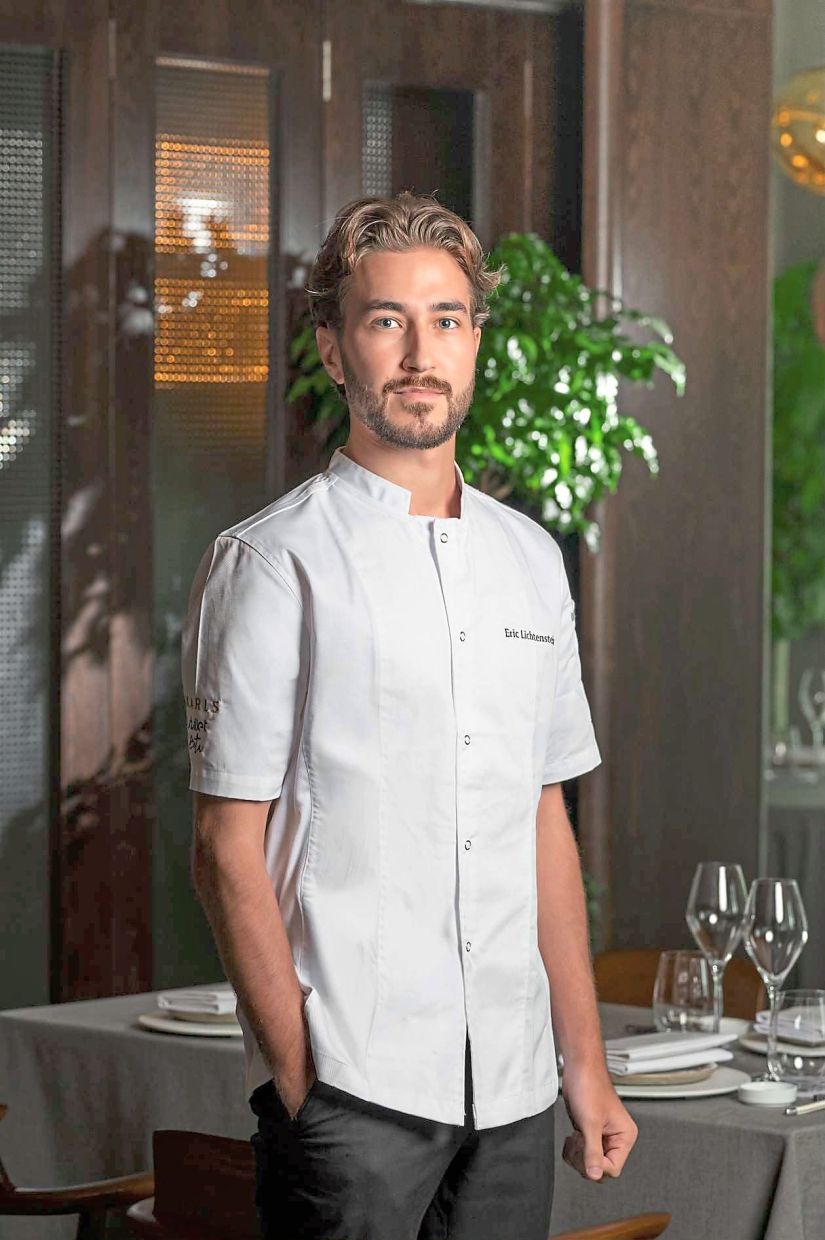
Some chefs, like 25-year-old Swedish chef Eric Lichtenstein, on the other hand, didn’t hesitate when the opportunity to work in Malaysia came a-calling. In Lichtenstein’s case, he has only worked in Sweden (he was also a top 10 finalist on MasterChef Sweden) and yet, he says he’s always wanted to work in this part of the world.
“First of all, I have always enjoyed South-East Asia a lot because I had the opportunity to travel to Malaysia, Thailand and Vietnam with my family. It has always been a dream of mine to work and settle down in Asia – that’s the main reason that pulled me here,” he says.
Lichtenstein kept an eye on the dining scene in Kuala Lumpur and really enjoyed Michelin-starred chef Raymond Tham’s work at modern European restaurant Skillet KL. So he approached him and asked about a job, which is how he recently ended up landing a position as sous chef at Skillet.
Since working in KL, Lichtenstein says he has been fascinated by the sheer amount of produce available in Malaysia.
“I have noticed that a lot of ingredients used back home in Europe are grown here as well. Like, there is really good green asparagus grown in the Cameron Highlands, and it is exactly the same as what you can find in Europe.
“In cooking, you want to use as much local produce as possible, so I’m really happy that it’s so accessible here. In Stockholm, the winters are so cold that nothing really grows, but living here in Malaysia, the sun shines all year-round, so there is always the opportunity to have fresh produce,” says Lichtenstein.
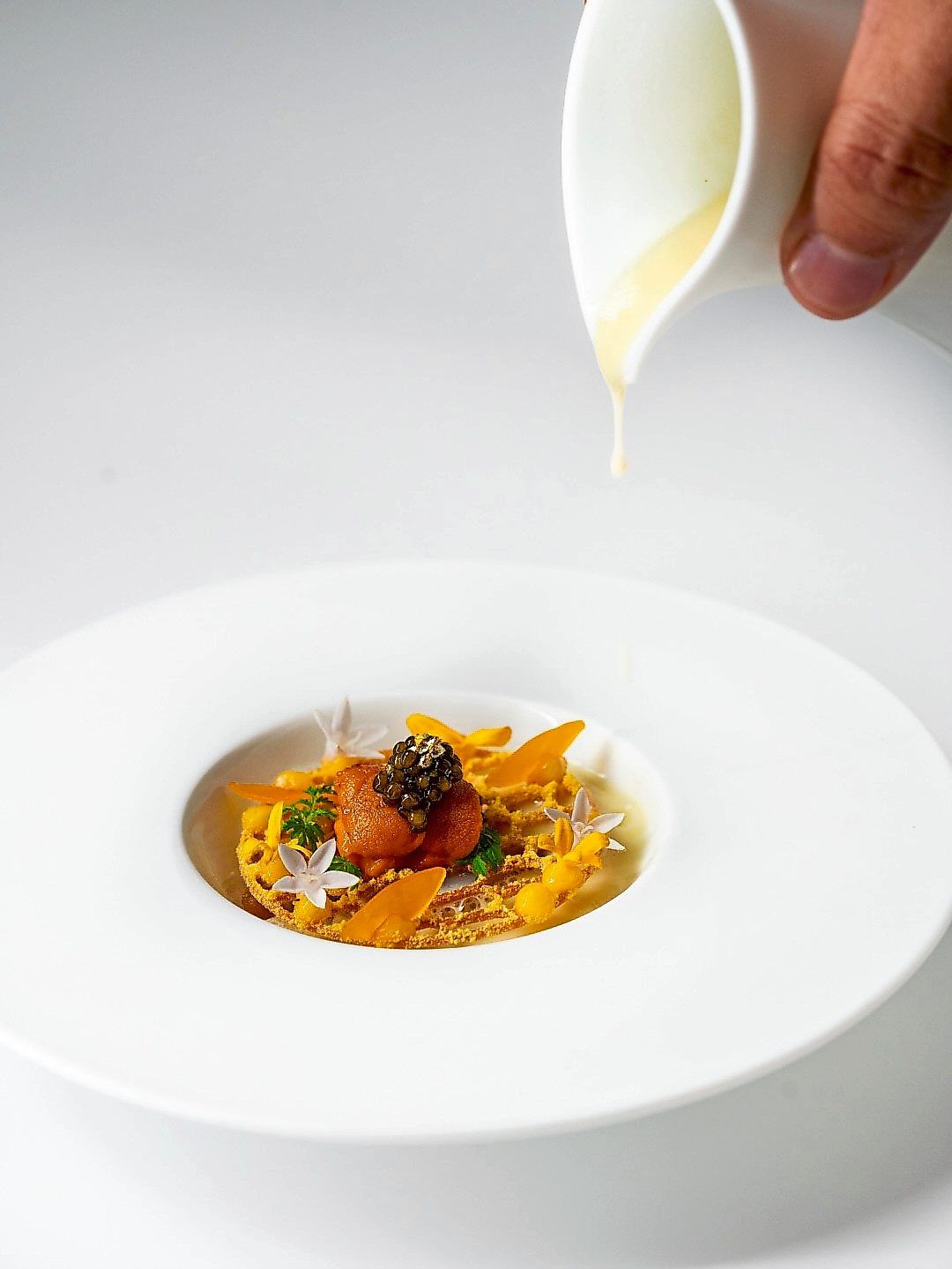
Masashi Horiuchi, meanwhile, is a seasoned Japanese chef who helms the kitchen at Michelin Selected restaurant Potager as well as sister restaurants Entier and Entrecote. Horiuchi has worked in a number of top restaurants around the world, including being the sous chef at the two-Michelin-starred L’Atelier de Joel Robuchon in London, the United Kingdom, where he learnt the intricacies of French cuisine.
After 20 years of working in Europe, Horiuchi accepted an opportunity to move to KL and helm Entier in 2018. He says in the beginning it was difficult to acclimatise to everything here, but having now been here for close to 10 years, he has found his groove.
“I spent more than 20 years in Europe studying French culinary systems, so to suddenly work in South-East Asia was confusing. There was a bit of culture shock for me because customer palates here are so different and so are the ingredients and flavours, so I found it difficult to accept the new system.
“But I realised I needed to study the system here and eventually, I thought why not do original French-Malaysian cuisine that’s focused on ingredients and culture from both cuisines?” says Horiuchi.
Standing out from the rest
Many international chefs say it is definitely easier to stand out in Malaysia than it is in Europe or in more crowded regional dining scenes like Bangkok or Singapore.
“Europe is saturated at the moment, I believe – there are too many choices and not enough people with the budget and will to spend on fine dining. I do believe that the food we are doing at Molina would still be able to get a good name in Europe, but of course, yes, we do play a bit on certain things.

“Like here at Molina, I am doing a Dutch caramel waffle as the last serving in the restaurant in homage to the Netherlands. But it’s something I wouldn’t do as quickly in Europe because if I were somewhere like the Netherlands and I gave them waffles, which they can buy fresh, it wouldn’t touch as many hearts.
“We’re doing it here because people don’t have the chance to get freshly baked caramel waffles every day, so there are certain decisions I make here that I wouldn’t do in Europe,” says Depoortere.
Besson, meanwhile, simply says, “You can definitely stand out here, it’s a great opportunity to be in this part of the world because there are fewer people doing this sort of cuisine here.”
Things are changing
So will the evolving Malaysian dining scene continue to attract international talent? It seems that way. In fact, many international chefs believe that the dining scene is only just warming up.
“I think the best years are still to come for KL. I also have noticed that a lot of northern Europeans have been to places like Thailand and Hong Kong, but not everyone has been to Malaysia. But it has become a more interesting place to travel to, so I think that could also bring interest from chefs to explore opportunities here,” says Lichtenstein.

Depoortere, meanwhile, believes that the widespread development in KL will naturally feed into the need for globally recognised chefs to boost the image of the various new buildings being developed in the city.
“There is a big shift in terms of big bosses wanting international chefs to come and reaching out to chefs abroad, so I think KL will be different in the next five years.
“Because there is a certain type of tourist where everything is based on food, so the sooner we get these types of chefs here, the sooner we grow the scene so it’s bigger, more interesting and attracts these foodie tourists,” says Depoortere.
In so many ways, this is what happened in places like Bangkok, where investor-backed chefs like Gaggan Anand and the Suhring brothers were brought in and ended up boosting tourism in the city. Depoortere believes that if the same thing happens in KL, the sky is the limit in terms of potential.
“It will take time to change, but I think the time for Malaysia to shine is coming,” says Depoortere.