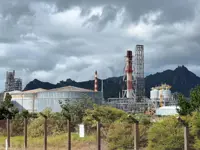
One of the world's largest sources of climate-warming methane gas is a landfill protruding from hills on the outskirts of Chile's capital of Santiago, a recent study by the United Nations environment agency shows.
The Lomas Los Colorados landfill tops a list of 50 human-made sites with the world's highest levels of methane emissions, according to data from satellite images published by the UN Environment Programme (UNEP) in April.
"It is a megasource of methane that may have effects not only on Chile, but at a global level," said Juan Jose Garces, head of the civil engineering and environment department at the university of Santiago.
The pyramid-shaped landfill, about 60km north of the city, receives waste from homes across an area populated by more than seven million.
However, since 2007, it has helped fuel a nearby power station via a programme to turn captured methane into biogas, said management company KDM Empresas in a statement. "This not only significantly mitigates the greenhouse effect, but also transforms an environmental liability into a source of clean, useful energy," the statement said.
The compressed trash heap produces 102,667 metric tons of methane each year, the UN study estimated, equivalent to emissions from nearly two million cars driven annually.
That is about 20,000 tonnes more than the second site listed, an oil and gas facility in Turkmenistan. The subsequent 20 sites on the list generate about 60,000 tonnes less, on average.Methane is a powerful contributor to global warming, making up about a quarter of all climate-changing emissions, says UNEP's Methane Alert and Response System, which monitors and mitigates greenhouse gas emissions.
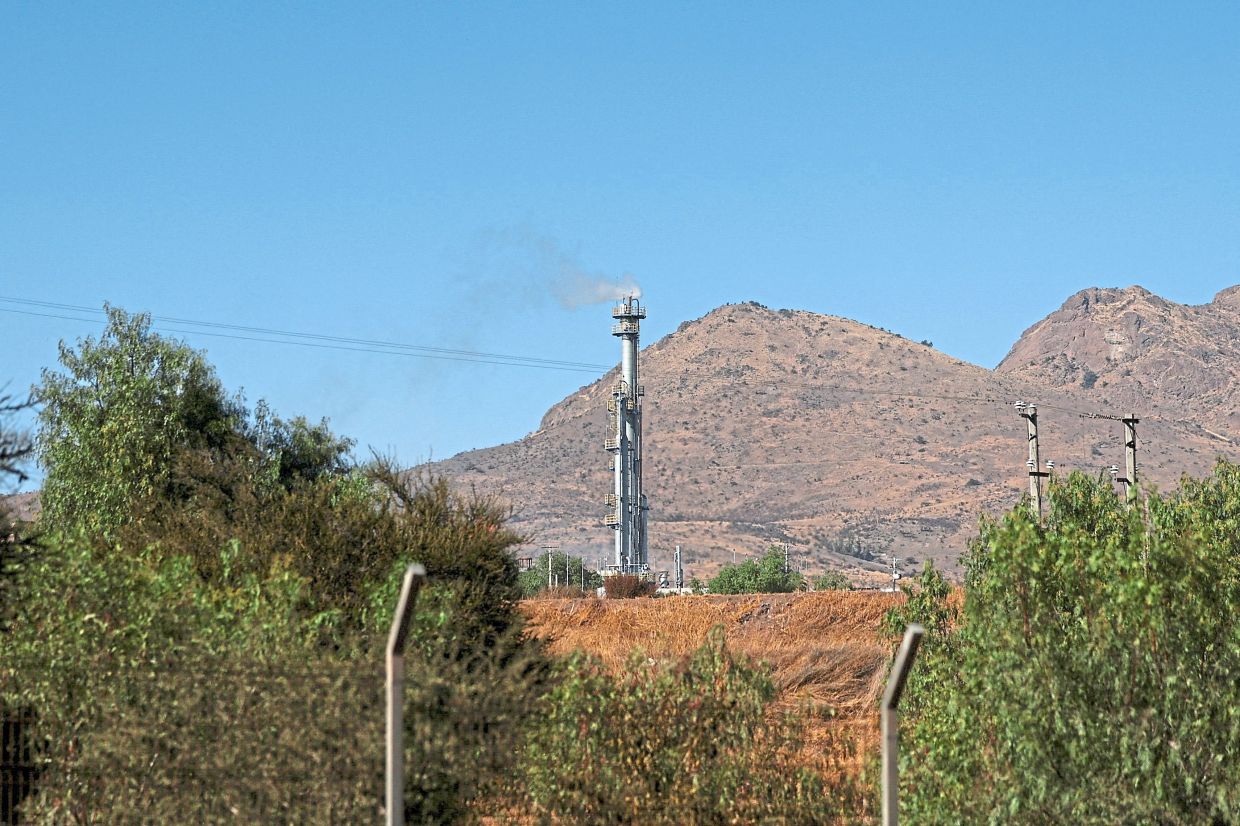
"These are significant emitters across the oil and gas, coal, and waste sectors that emit either continuously or frequently," UNEP said of the findings published in April.
The waste attracts flies and stir up foul odours, often making neighbours feel helpless, said Patricio Salgado, 70, who lives near the landfill.
"They're making our lives more difficult 24 hours a day," he said. "It's not pleasant."
KDM Empresas, part of US-Spanish group Urbaser Danner, faulted the UNEP analysis as being based on a single measurement in early 2026 that did not reflect fluctuating weather and daily operations over time.
From 2007 to 2025, the project for biogas capture and energy recovery blocked emission of more than 700 million cubic metres of methane and 11 million of tonnes of carbon dioxide, the company added in its statement.
The resulting energy, which can reach up to 100,000 megawatt-hours (MWh), supplies the Loma Los Colorados power station, KDM said.
Marcelo Mena, a professor of the chemistry and engineering school at the Catholic University of Valparaiso, called for greater efforts to separate out organic waste, such as food scraps.
"If we are able to remove what causes the bad smells from organic waste and treat it through anaerobic digestion or composting, that is what should start accelerating," he said. – Reuters