In the past few years, K-culture has spread like wildfire around the world, igniting a global craze for all things Korean, buoyed by the rise of K-pop groups like Blackpink and BTS, and feature films like Paradise and K-Pop Demon Hunters.
Even the culinary scene isn't immune to this Korean charm, and if the string of restaurants penetrating the Kuala Lumpur dining scene are any indication, this is only about to get bigger.
Like South Korea itself, Korean food offers a diverse range of selections to whet every appetite – from Korean fried chicken to samgyetang (traditional royal chicken soup), bibimbap (Korean rice bowls) and Korean barbecue, to name a few.
The introduction of newbie eatery Junghee at The Campus Ampang in Selangor marks the introduction of Korean fusion fare into the local dining landscape.
In South Korea, Junghee is something of a culinary institution among people in their 20s and 30s. The brand currently has 22 outlets in South Korea and is famed for both its food as well as the long, serpentine queues and waiting times – even on weekdays.
The Malaysian outlet is Junghee’s first international outpost and was launched after careful, deliberate planning by the brand’s founder, Lee Jung Yoon.
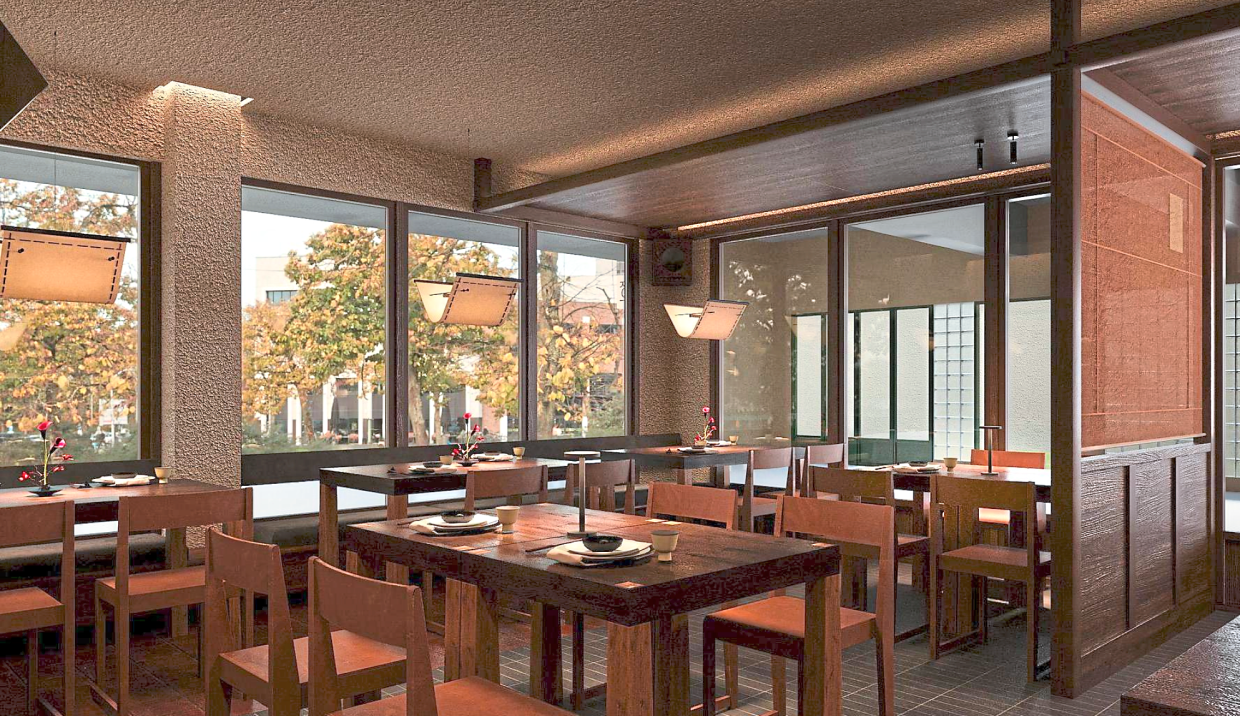
Lee says the team of Korean chefs behind the brand designed the recipes in the Klang Valley outlet to suit the Malaysian palate, with the idea being to retain the Korean essence of the brand while also paying attention to what Malaysian diners are more geared towards.
"Malaysia has been an important market we have been paying close attention to for a long time. Every time our team visited, we noticed something very clear: Malaysians do not just enjoy Korean food, they are genuinely curious about it and want to understand it more deeply.
"We felt that having grown up with K-dramas, K-pop, and Korean cafe culture, they are now ready for the next chapter of Korean dining, something more creative, more modern, and more shareable."
“At the same time, we saw a clear gap in the market. While Korean BBQ, fried chicken, and stews are widely available, there were fewer concepts focused on modern Korean fusion restaurant experiences. We wanted to bring that next-generation Korean dining experience to the Klang Valley," says Lee.
According to him, the big difference between Junghee and many other Korean restaurants that it positions traditional Korean fare as a vessel for modern reinterpretation.
The menu at the restaurant is also wound around a small, curated selection of dishes that can’t be found elsewhere.
Each dish is crafted to have a focus on both taste as well as aesthetic appeal – two things that tend to draw in trendy young urbanites.
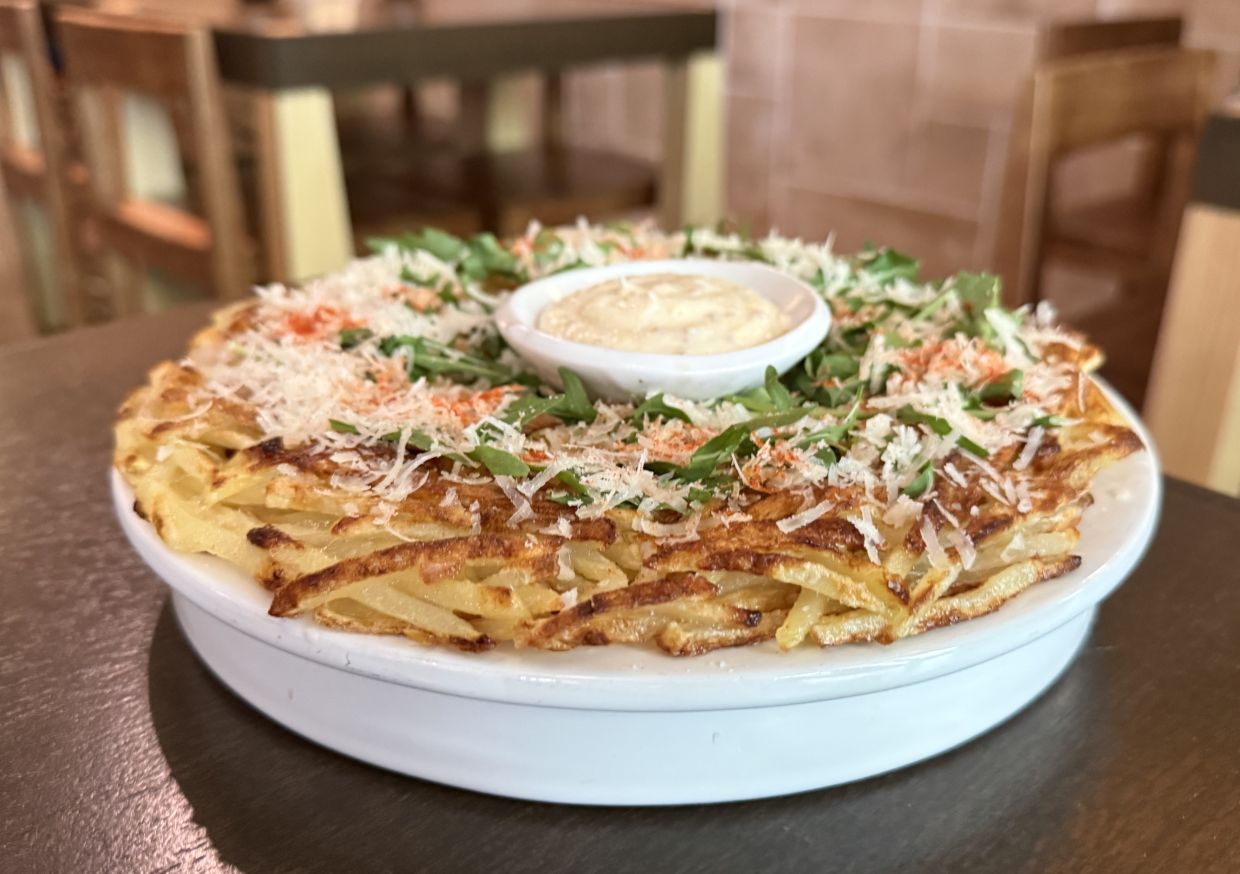
From what’s available on the menu, try the Shrimp & Potato Pancake (RM33).
As its name implies, this crispy latticed potato pancake features spuds that have been fried to perfection and are interlocked with fat, fluffy shrimp and grated cheese in what proves to be a simple yet satisfying ensemble that relies on a classic hook: crunchy fried food.
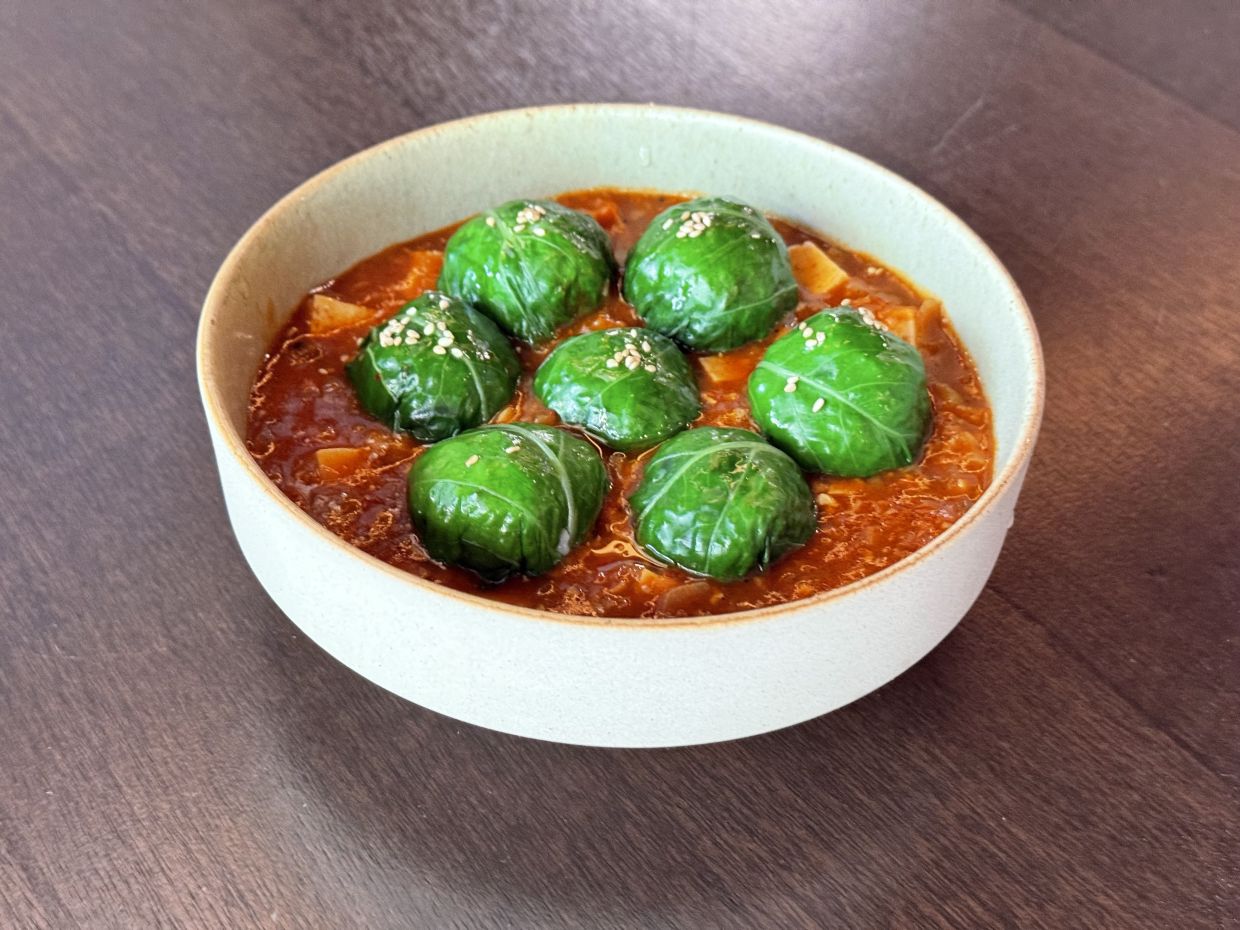
Then there is the Soybean Sauce, Kale Rice Wraps (RM26).
The tofu in this configuration adds a velvety quality to the meal but the kale rice wraps are perhaps a tad too full of themselves – literally fat, turgid balls that are so dense that you won’t be able to eat more than two before holding up the white flag and admitting you’re far too full to try anything else.
Thankfully, the cavalry (and redemption) arrives in the form of the Wagyu Beef Kimchi Fried Hot Pot Rice (RM37) which features slices of wagyu, spring onions and rice tossed together to form a mellifluous, harmonious symphony of flavours.
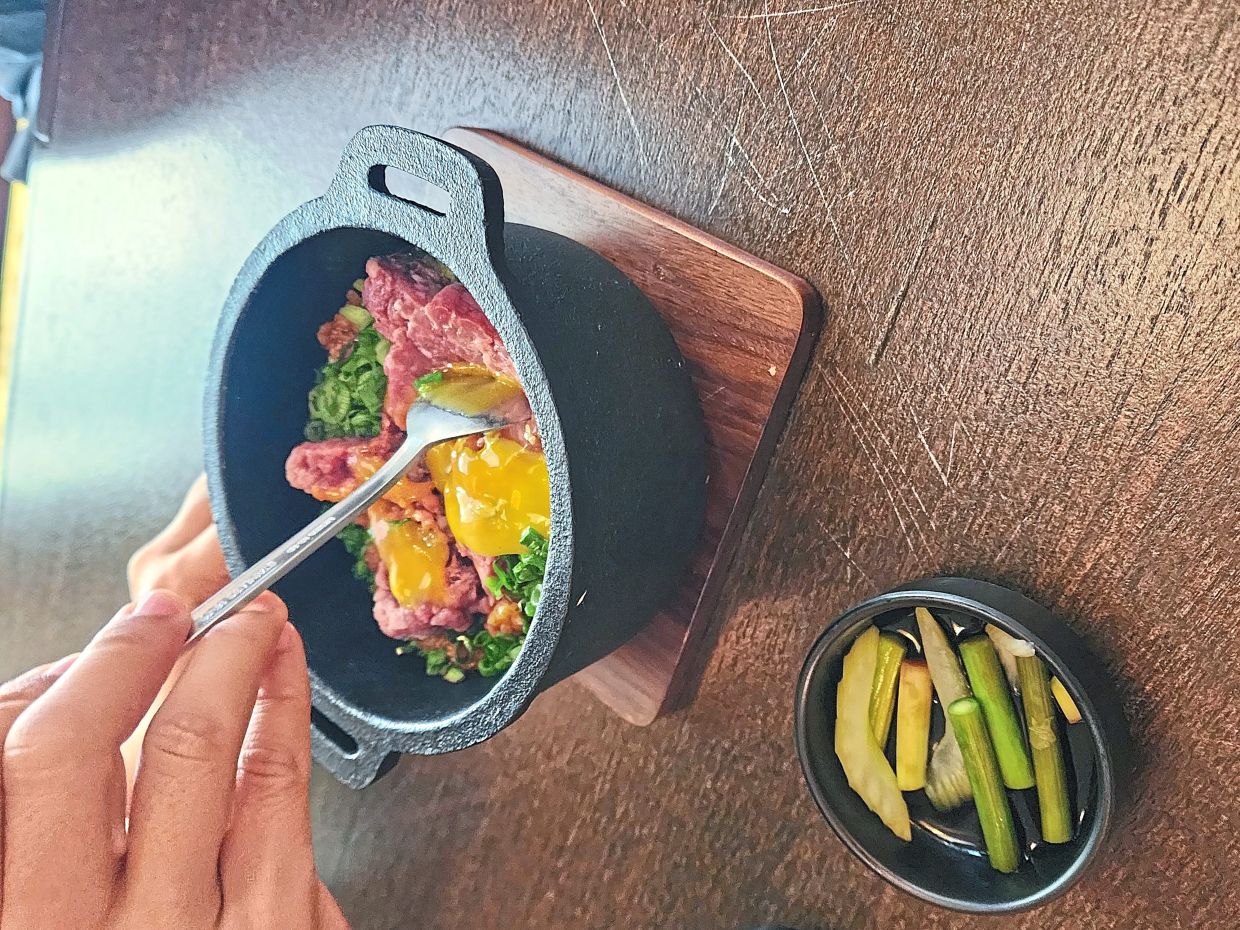
The rice absorbs all the flavours of the kimchi while the egg paints a glossy overcoat around the configuration, which is buoyed by the tender, unctuous slices of beef.
It’s a meal whose virtues are in how well every ingredient synchronises with each other, like a multi-generational family where both the young and the old get along well.
Up next, try one of the clearest examples of the Korean fusion fare that Junghee espouses: Kimchi Cheese Tteokbokki Chicken Fries (RM35).
This is an ooey-gooey slurry mixture that makes use of a number of addictive elements – fried chicken, melted mozzarella cheese and bouncy, chewy tteokbokki (rice cakes).
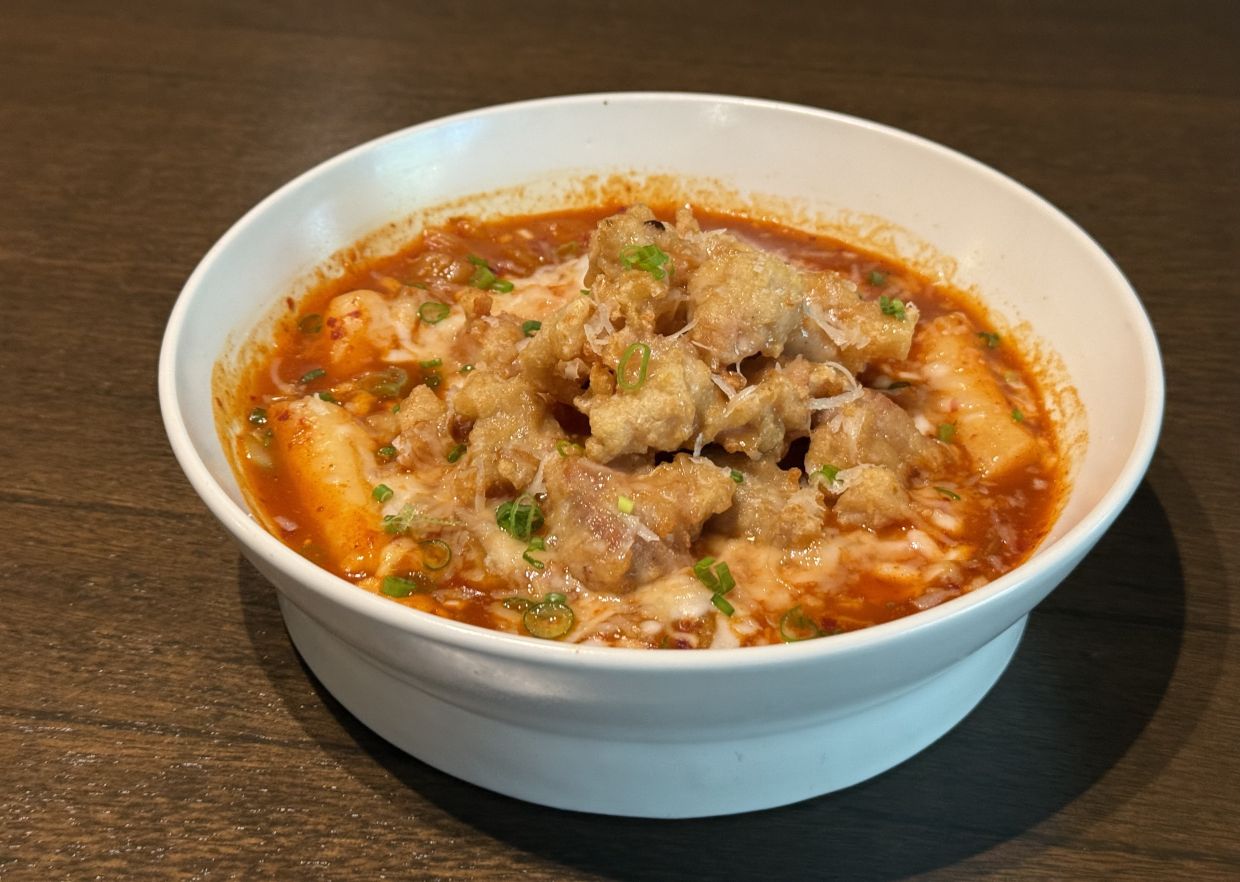
The three are piled on top of each other in a riotously red special sauce that adds a hearty, robust quality to the meal. This is a textbook case of more is more – one that ends up working successfully well.
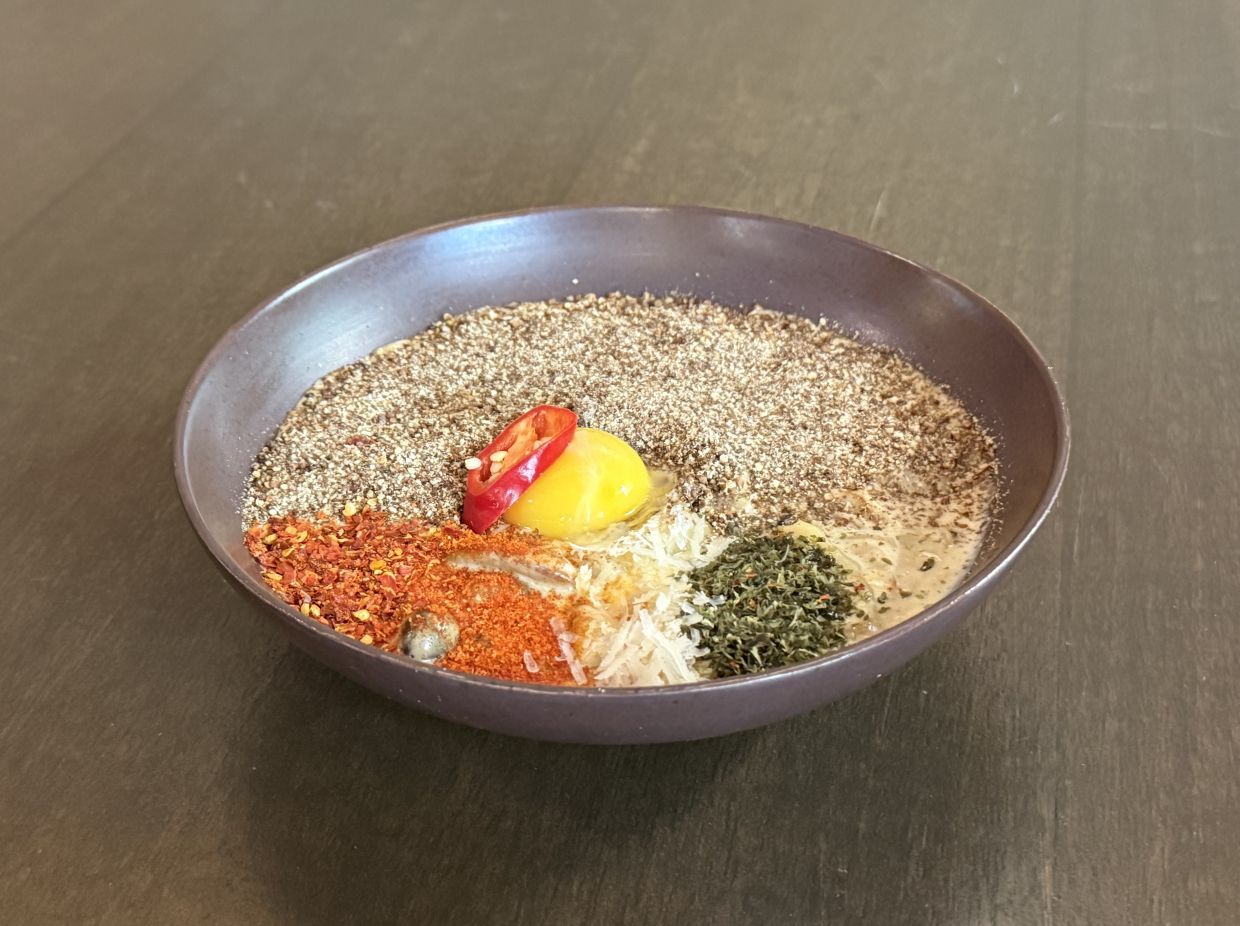
Perhaps one of the most triumphant items on the menu is the Bracken Fern Cream Noodles (RM40) which makes use of gosari, a traditional mountain vegetable in Korea.
The hand-torn sujebi noodles are plump and dappled with a perky bounce and pep in their step – part of what makes this dish so alluring.
The dish is also packed with mushrooms, an egg, minced meat and perilla, tossed in a rich, creamy sauce that is essentially a Korean take on carbonara.
Here, the perilla adds contrast and potency to the meal and gives it a quiet, yet discerning point of differentiation.
Moving forward, Lee says the goal is to obtain halal certification for Junghee as well as to expand the brand’s presence on the local front.
“We want Junghee to be a dining space that is open to everyone who enjoys Korean cuisine, regardless of background or faith. We are committed to ensuring that all communities in Malaysia can dine with us comfortably and confidently. For us, this is not just a business decision, but a sincere commitment to this market.
"We also have a long-term expansion plan. However, at this stage, our focus is to take a careful and considered approach. Once we have a deeper understanding of customer feedback in Malaysia, we will consider expansion more carefully.
"In the long term, we hope to expand Junghee across South-East Asia, with Malaysia as a regional base. We believe growth should always follow quality,” says Lee.