Hong Kong's beloved kapok trees are not blooming the way they used to, drawing concern from conservationists who see it as a sign that nature is falling out of sync as the climate warms.
Locally known as "hero trees" for their majestic appearance, kapoks attract large numbers of photographers every spring when their bright red flowers bloom on otherwise bare branches.
But that contrast has been fading in recent years as leaves that should have been shed during winter stay put as the seasons change, worrying researchers.
"The kapok trees we see now very often have both flowers and leaves at the same time," said Lam Chiu-ying, former director of the Hong Kong Observatory.
"In some places, half the tree is covered in green leaves and the other half in red flowers."
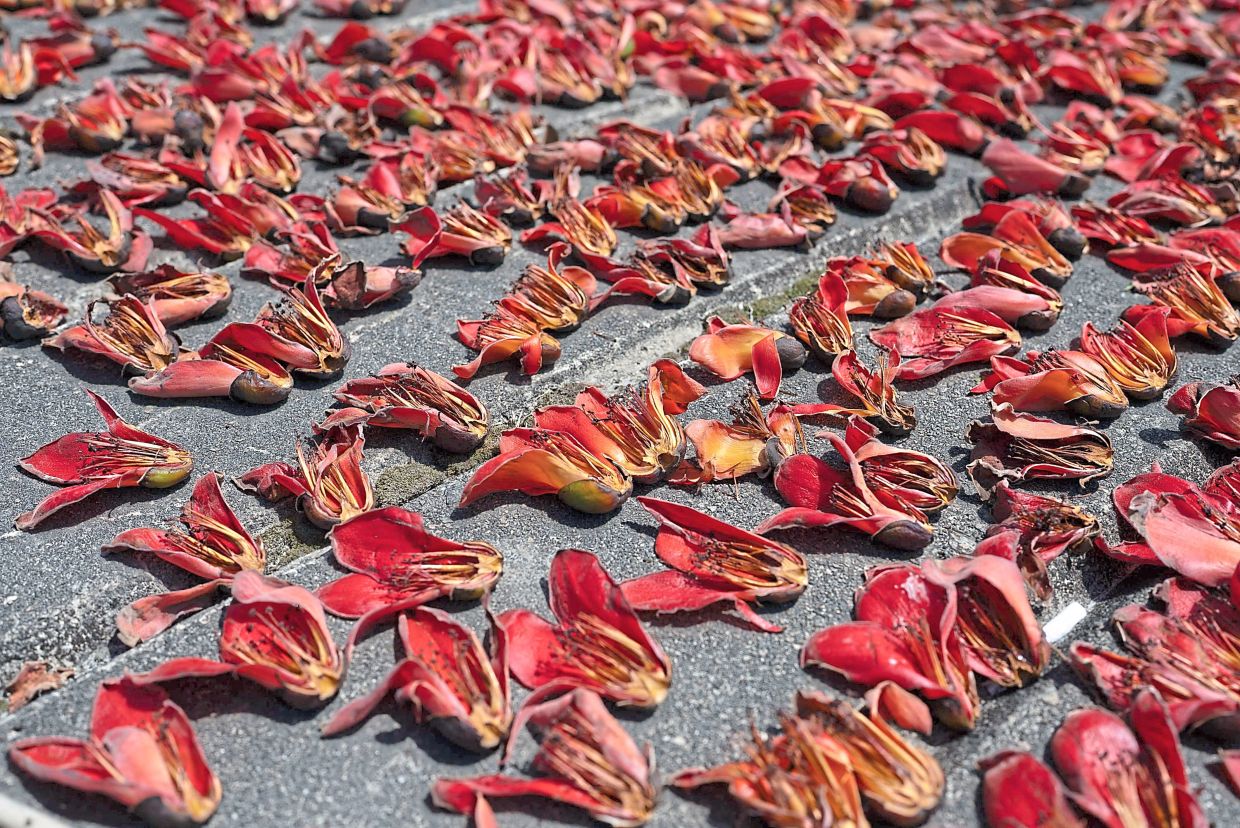
The kapok, also known as the red silk-cotton tree, is native to tropical and subtropical Asia, including southern China.
The shift in their springtime appearance has "become increasingly common" over the past decade due to warming winters caused by climate change, Lam told AFP.
Hong Kong has just recorded its warmest winter on record, with the mean temperature from December to February hitting 19.3°C, two degrees higher than normal, according to the observatory.
Angie Ng, an ecologist and conservation manager at local NGO The Conservancy Association, said the trees seemed to be blooming about two weeks earlier than usual this year, likely due to climate factors like temperature and moisture.
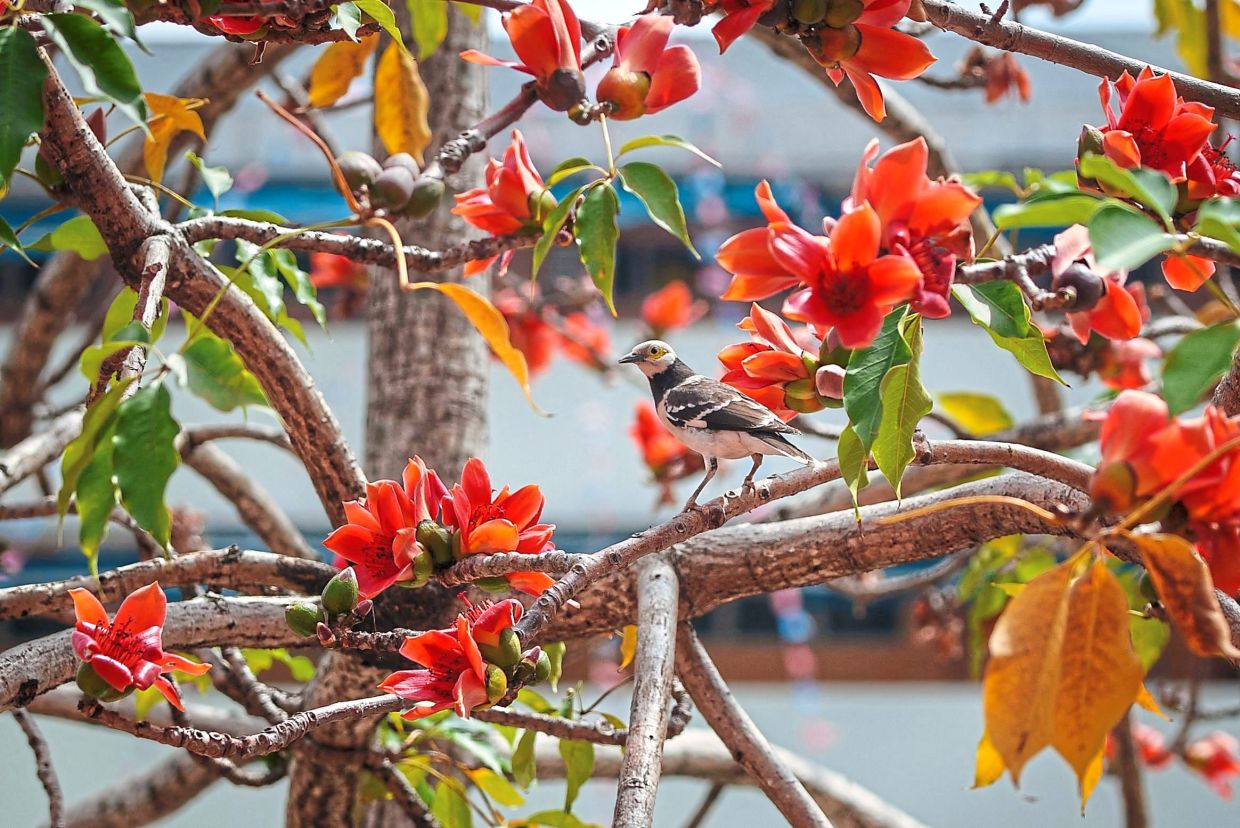
The trees have to divert resources to maintain both old leaves and new flowers, which may result in fewer blooms, she said.
The disruption could have knock-on effects on wildlife, as flowers provide nectar for birds and pollen for bees.
"Ecological processes function like an intricate web," Ng says.
"When the timing of animals and plants does not align properly, it can trigger ripple effects that impact not only animals dependent on those plants but also the broader ecological chains." – AFP