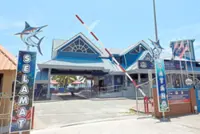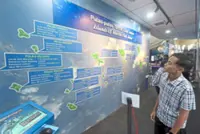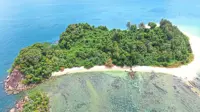
The newly opened Mersing Marine Park Gallery is poised to become a cornerstone for conservation and environmental stewardship for Johor islands.
The gallery, a Fisheries Department (DOF) initiative, is part of ongoing efforts to promote better understanding and appreciation of the state’s marine ecosystem, particularly Sultan Iskandar Marine Park.
DOF Mersing Marine Park Unit chief Muhammad Irfan Ahmad said the gallery was set up to ensure visitors had access to accurate and comprehensive information on its conservation activities.
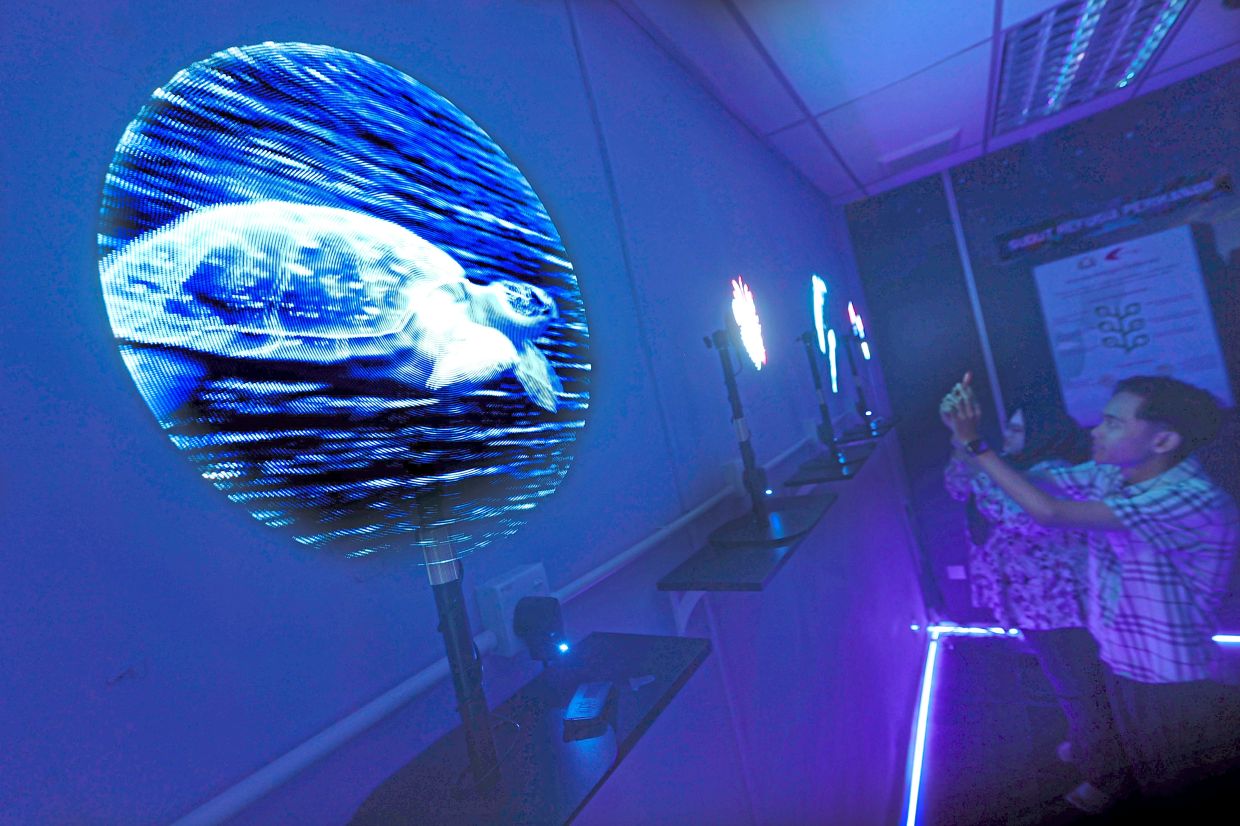
“The department aims to raise awareness on protecting Sultan Iskandar Marine Park while enhancing visitor experience.”
He said the gallery’s opening came at an opportune time, ahead of increased tourist arrivals expected for Visit Johor 2026.
“We expect the gallery to become one of the attractions, especially through various activities that will be carried out with Mersing Tourism Association (MTA),” he added.
Backed by the Johor and Federal governments, the gallery project grew out of discussions with MTA – a strategic DOF partner in Mersing’s sustainable tourism and marine preservation efforts.
“Upgrading works for the gallery started in 2025.
“It took about a year to complete before it began operations in early April,” said Muhammad Irfan.
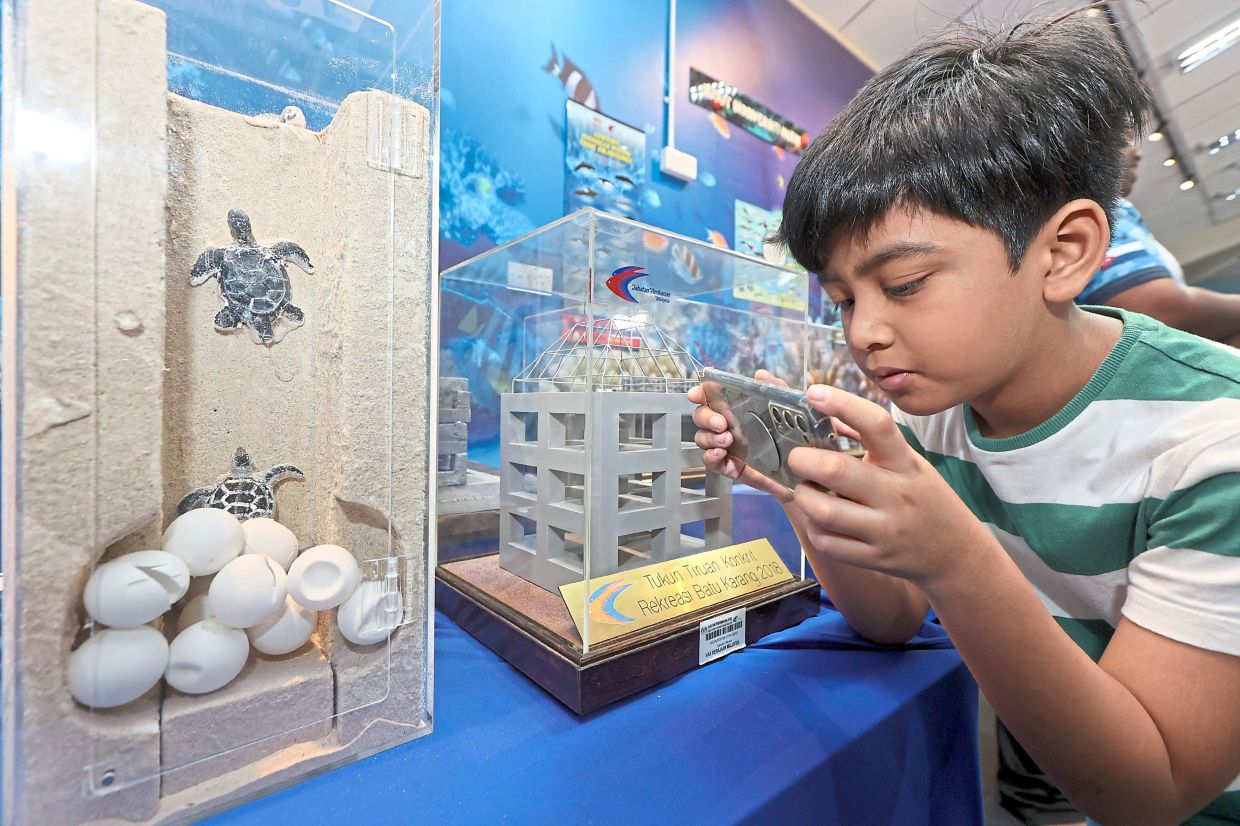
Ecosystem education
The gallery’s accessibility is designed to help visitors − students and tourists alike − learn about marine conservation.
It features five main sections –information, multimedia screening, conservation, biodiversity and interactive displays.
Each section is curated to provide a different perspective on the marine environment, from scientific knowledge to practical conservation awareness.
The protected Sultan Iskandar Marine Park in South China Sea is located off the southeastern coast of peninsular Malaysia, near Mersing.
Comprising 41 islands, it is grouped into six main clusters – Pulau Tinggi, Pulau Sibu, Pulau Besar, Pulau Rawa, Pulau Aur and Pulau Pemanggil.
The park spans 154,000ha (1,540sq km), making it the largest marine protected area in peninsular Malaysia.
It was first gazetted in 1993 with 13 islands, before another seven islands were added to the protected area in 2024.
Muhammad Irfan said the marine park was established for the protection of the islands and surrounding marine ecosystems, including coral reefs, seagrass beds and the breeding grounds for marine life.
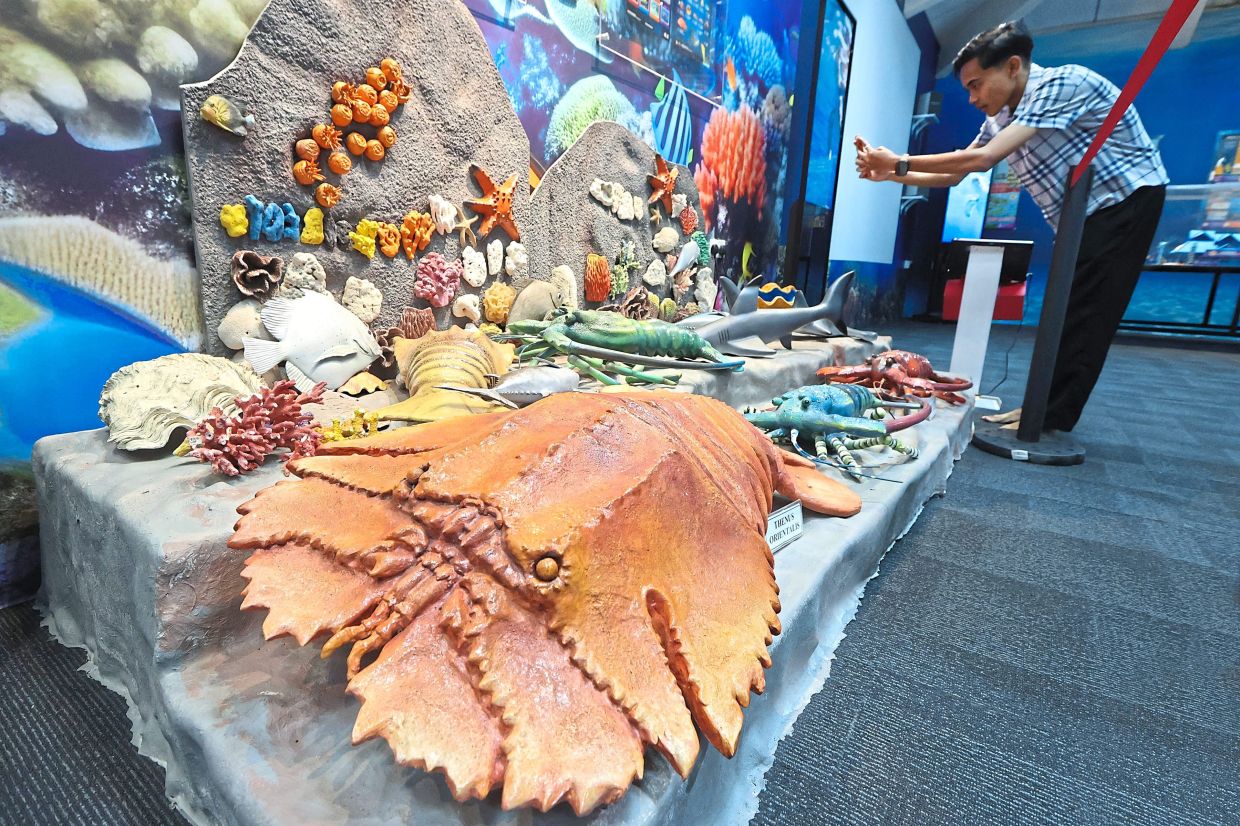
Growing awareness
The gallery is expected to help visitors understand that the marine park’s fragile ecosystem is a national treasure.
“Its conservation is a shared responsibility between authorities, locals and tourists,” said Muhammad Irfan.
He stressed that without proper awareness, human activities could unintentionally harm the very environment attracting tourists to the islands.
“Coral reef protection is one of the key messages promoted, as many tourists snorkelling and diving in the area are unaware of the damage caused by careless behaviour.
“Visitors may not realise that touching corals can kill living polyps, stepping on reefs causes permanent damage and sunscreen chemicals can harm marine life.”
He said that even small actions could have long-term impact on reef ecosystems, which could take decades to recover.
The gallery, he said, promoted the “look, don’t touch” principle alongside proper snorkelling etiquette and reef-safe tourism practices.
These include maintaining safe distances from coral reefs and avoiding physical contact with marine life.
Another focus is marine wildlife awareness.
Muhammad Irfan said many visitors were unaware that the marine park was home to endangered species such as sea turtles, dugong, reef fish nurseries and giant clams.
“These species play a crucial role in maintaining ecological balance within the marine ecosystem.
“By seeing the exhibits before heading out to the islands, visitors can better appreciate why certain behaviours are prohibited within the marine park,” he said.
The behaviours include
littering, feeding fish or turtles and collecting marine species, all of which can disrupt fragile ecosystems and harm biodiversity.
Muhammad Irfan said feeding marine animals, for example, altered natural behaviour patterns and could negatively impact their survival in the wild.
“Such actions can create dependency on humans, which is harmful in the long term.”
He said illegal collection of marine life also posed a serious threat to conservation efforts.
The removal of coral or marine species could damage entire ecosystems and reduce biodiversity in the area, he added.
The gallery also aimed to influence visitor behaviour by promoting responsible tourism practices, Muhammad Irfan said.
These include avoiding single-use plastics, refraining from purchasing coral souvenirs, not anchoring on reefs and practising responsible boating activities, he cited as examples.
He said anchoring on reefs, in particular, could cause direct physical destruction to coral structures.
Simple behavioural changes by tourists could significantly reduce environmental damage, he emphasised.
The ultimate goal, he said, was to ensure that Mersing’s tourism growth did not lead to environmental degradation.
“With greater awareness, we hope visitors will leave not just with memories of these beautiful islands, but also with a sense of responsibility to protect them.”
He added that conservation education was key to safeguarding the long-term sustainability of Sultan Iskandar Marine Park for future generations.
The gallery also serves as a platform to bridge the gap between scientific knowledge and public understanding.
He said by making conservation information accessible, the DOF hoped to build a more environmentally-conscious society.
With Visit Johor 2026 underway, the gallery is expected to serve as both an educational hub and a gateway to more sustainable tourism practices in the state’s island destinations.
The gallery, located within the DOF Mersing office, has been open to the public since April 4.
Admission is free.