The colour in my drink is a rich golden yellow. I raise the glass and breathe in the scent of ripe apple. My first sip tastes surprisingly dry, with a pronounced, stimulating acidity, followed by subtle tannins.
That may sound like a wine description, though there is no wine in this glass - and above all, no alcohol.
Range of high-quality non-alcoholic drinks growing
Such scenes play out frequently for Christoph Raffelt and Anne Tenschert, a wine journalist and a sommelière who run a podcast on alcohol-free drinks. In sensory terms, such beverages are part of the world of fine wines but contain no alcohol.
“You have to let go of the expectation that it will taste like wine,” says Raffelt. Instead, it’s about discovering new worlds of flavour, he says.
Whilst the traditional wine industry is undergoing change, the range of non-alcoholic alternatives is growing. Jennifer Kießling, founder of the Mindful Drinking Club in Berlin, is also a specialist retailer of non-alcoholic drinks for adults.
She sees a cultural shift unfolding, she says. “It’s not about abstinence or a defensive stance against alcohol, nor is it about a copy, but rather a counterpart with a similar purpose – for toasting or as an accompaniment to food.”
But what are those, anyway? What is a proxy, what is a shrub, and why does non-alcoholic sparkling wine cost more than one containing alcohol?
Here is what is on the menus of today, and how the new kind of drinks are being made:
The classic among the alternatives, in which alcohol is removed from wine or beer after production, usually through vacuum distillation. This method incurs additional costs but now works well with beer. With wine, it is more complicated, partly because it contains more alcohol.
“Alcohol is a flavour carrier. If it’s missing, the aromas and body are often lost too,” says Simon Schlachter, a Michelin-starred chef at the Allgäu restaurant Pavo in Germany. He increasingly relies on his own creations and sparkling wines to accompany his menus without alcohol. “There are already good products in the latter category, because the carbon dioxide provides a lively fizz and balances the acidity,” he says.
Proxies are a new category of distinctive, complex drinks that have their origins in fine dining. Their mouthfeel is reminiscent of wine. That is why the name proxy is no coincidence, it comes from IT, where it refers to an interface or a substitute.
Instead of alcohol, fermented drinks such as kefir, as well as tea, herbs, roots and vinegar, are used as substitutes. They produce a kind of tannin, acidity and structure – usually without sugar.
“Proxies break new ground in terms of flavour and are fun, without trying to be something they’re not,” says Kießling. “It’s not about imitating or replacing the taste of wine, but about having an alternative for all those moments when we often drink wine out of habit.” That might be to mark a special occasion or with a meal, in the bath in the evening after a busy day, or at a film premiere, exhibition opening or work do.
In China, tea has been served alongside meals on a par with wine for centuries and the trend is now coming to Europe, particularly in the form of "sparkling teas." The drinks are made by brewing high-quality tea varieties, cold or hot and then carbonating them.
Often, the infusions are refined with natural flavours from herbs, flowers or fruit essences. “Tea naturally contains tannins,” says Raffelt. The tannins create a slightly textural sensation in the mouth that resembles that of red wine, making tea an excellent match for savoury dishes.
Whilst in wine, the sugar is fermented into alcohol, different cultures are at work during fermentation. In kombucha, for example, yeasts and bacteria transform sweetened tea into a tangy, sparkling drink. “It’s alive; something is happening in the glass,” says Kießling. Often funky, tangy, complex. Fermentation produces flavours that cannot be created artificially, but the process requires time and craftsmanship.
Verjus is the name given to the juice of unripe green grapes. The taste is less sharp than vinegar, but more delicate than lemon. “An old condiment that is currently enjoying a revival,” says Kießling. A shrub, drinking vinegar or oxymel is a type of vinegar-based syrup and in the past, people drank them for medicinal purposes. Mixed with soda or tonic, they instantly become astonishingly complex drinks.
These days, you can also find gin, rum or whisky without alcohol. They are still made by distilling herbs and spices but on a water base.
They really come into their own in cocktails when combined with homemade extracts or syrups. You can also make these at home, as Schlachter and his head barman Martin Masch show in their latest recipe book. They have dreamed up drinks mixing mango, fennel and honey, and a cocktail with blood orange, almond and tonka bean.
In fine dining, home-made non-alcoholic accompaniments have long been standard and they are an integral part of the menu structure at Pavo. “The drinks are often more interesting because we’ve put even more thought into them than we do with the wine selection,” says Schlachter.
To achieve an intense and complex flavour, they make their own syrups and essences, through processes from infusions to the Dripster method, fat washing or the milk punch technique.
The legal situation varies by country but in many places, the term "alcohol-free" allows for up to 0.5% alcohol by volume – a quantity that even a ripe banana can contain. Only the label "non-alcoholic" means 0.0%, or absolutely no alcohol.
When it comes to the price, complex non-alcoholic drinks often cost as much as wine or mixed drinks, sometimes between €12 (US$14) and €28. “Anyone who uses high-quality, natural ingredients and crafts the drinks by hand has high production costs,” says Kießling.
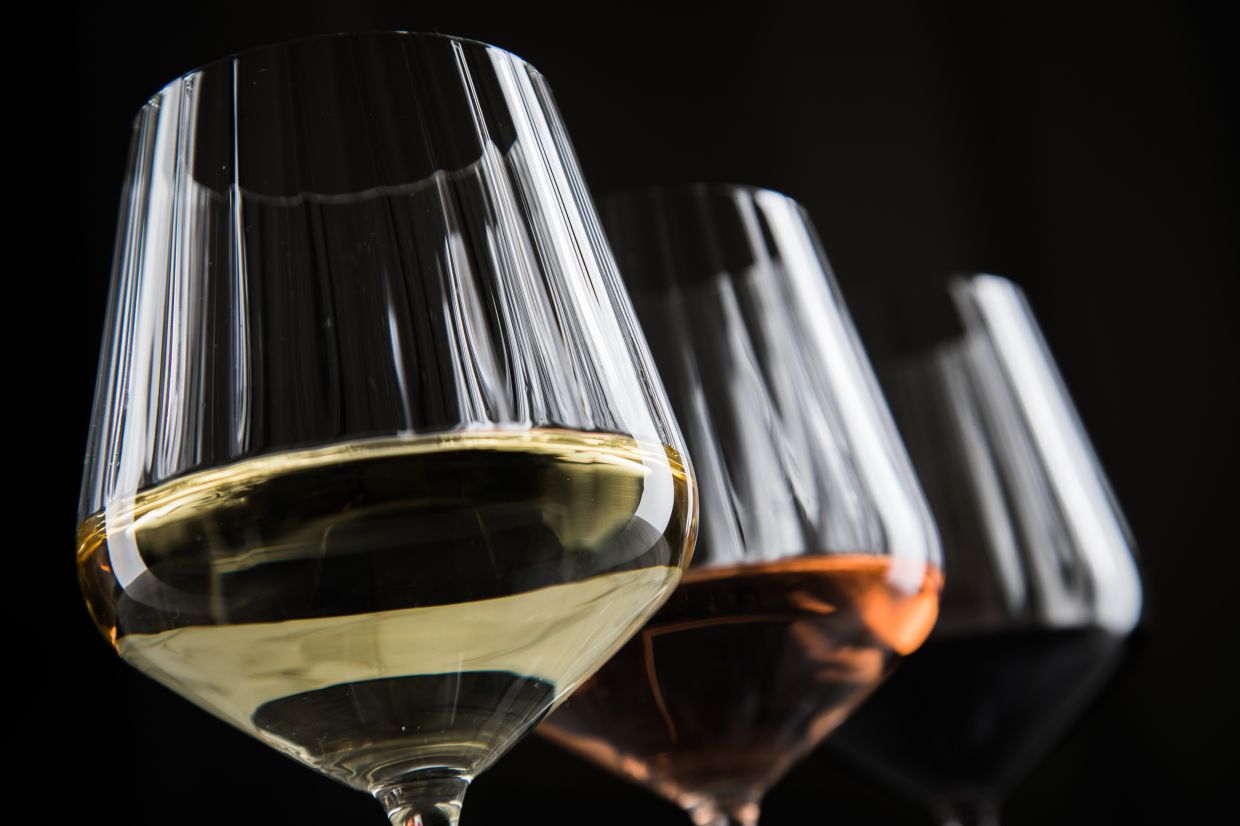
And once you reach the table, as presentation matters, Raffelt recommends you serve the drinks in wine glasses even when providing alternative drinks. “These are highly complex drinks; they need air to allow the flavours to develop,” he says. Furthermore, the feel of a thin-walled glass plays a decisive role in the sense of quality when drinking. – dpa