A few months ago, David Chin did something many of his contemporaries wouldn’t even contemplate: he opened another restaurant.
While opening a restaurant isn’t something out of Chin’s wheelhouse, what is extraordinary is that the celebrated Chin – also the chef-owner of Cafe Bistrot David and the founder of the famed Dave’s Deli – is now 74 years old.
And yet, Chin’s latest venture Ramen David illustrates how dreams have no expiration dates, or as Chin likes to put it, “Ramen David is my enso." "Enso" in Japanese means "circle" and the completion of a journey.
For Chin, this completion traces its roots to his childhood love of noodles and his subsequent love for ramen, which he discovered on a trip to Japan 15 years ago.
“From very young, I had a thing for noodles. Whether it is wantan mee, Hokkien noodles or char kway teow – I always loved noodles over rice.
“But about 15 years ago, I encountered ramen. And I was totally overwhelmed by it. I thought ‘Wow, this is so different.’ So I told myself ‘One day, I want to open a ramen shop – for the love of it,’” he says.
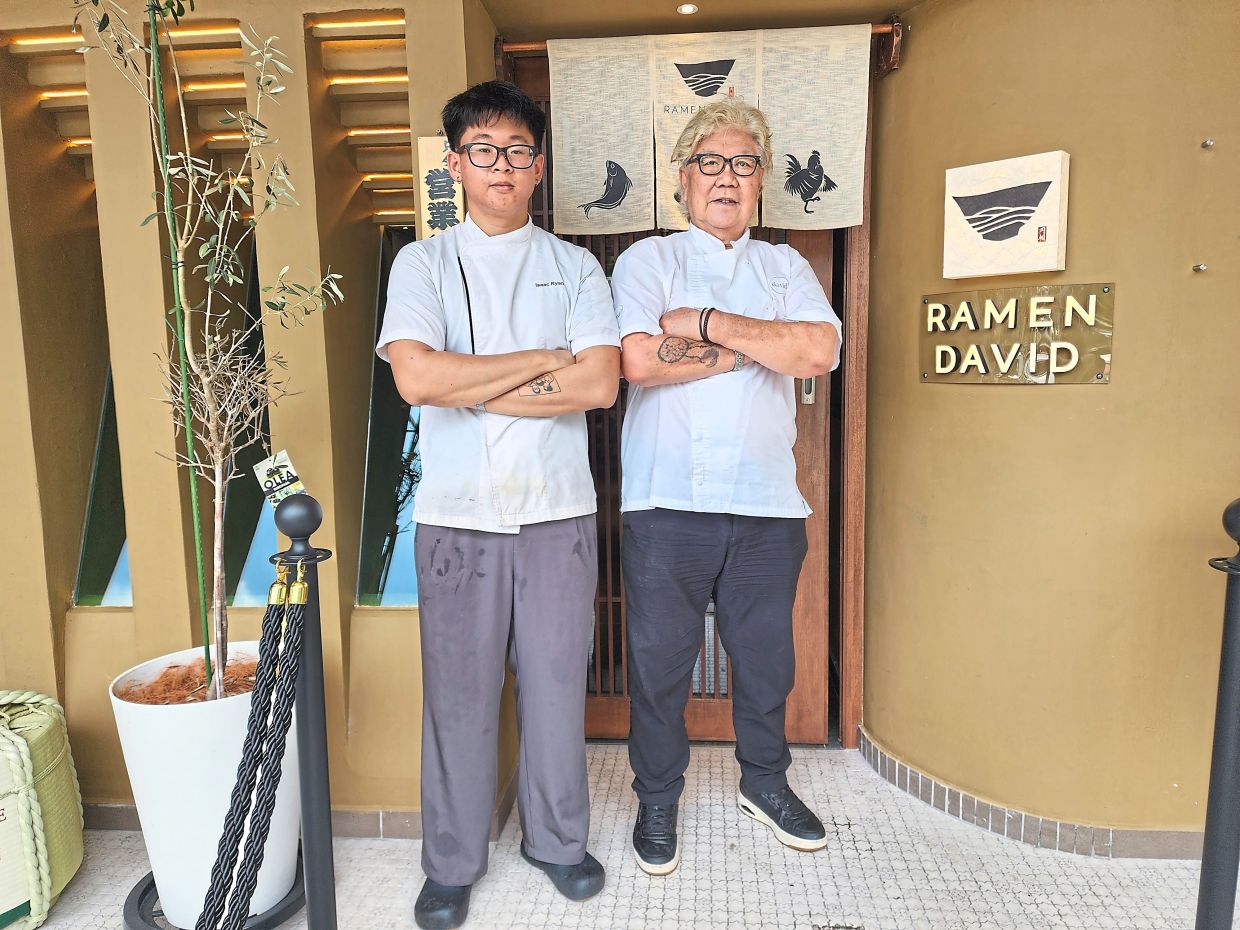
Before opening Ramen David, Chin and his son Brian went all the way to Osaka, Japan to learn how to make ramen from the famed sensei Miyajima. From Miyajima, Chin learnt the art of extracting umami from natural ingredients and the greater culture surrounding ramen.
With those Japanese foundational roots, he started looking at how he could apply those skills to making ramen in Malaysia. Chin was clear that he didn’t want to do a pork-based tonkotsu broth so he did a lot of experimentation to come up with a chicken-based broth.
To make the various base broths for his ramen, Chin now cooks 30kg of various chicken parts for up to 12 hours in pots that also contain 40l of water. This forms the basis for all his broths, but some broths are then cooked further to elicit a creamy emulsification while for his other ramen iterations, a seafood broth made using fish bones, Japanese dried fish, clams and crabs is incorporated as well.
The ramen noodles are made in-house and were devised in consultation with Malayan Flour Mills Berhad, which helped Chin design the flours he was looking for locally. The only facet of the noodles that is imported from Japan is the alkaline solution (kansui) that gives ramen its distinctive chewy, springy constitution.
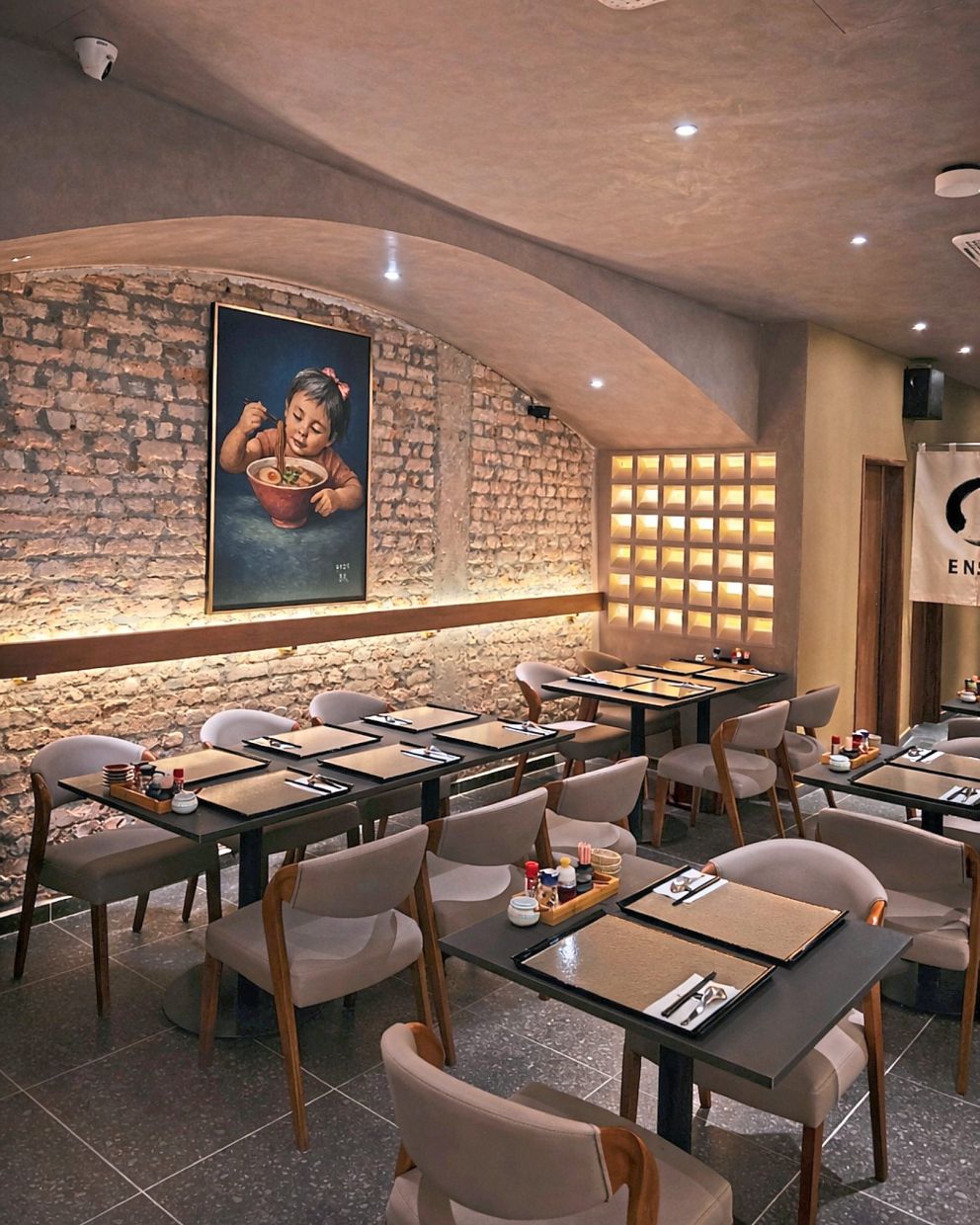
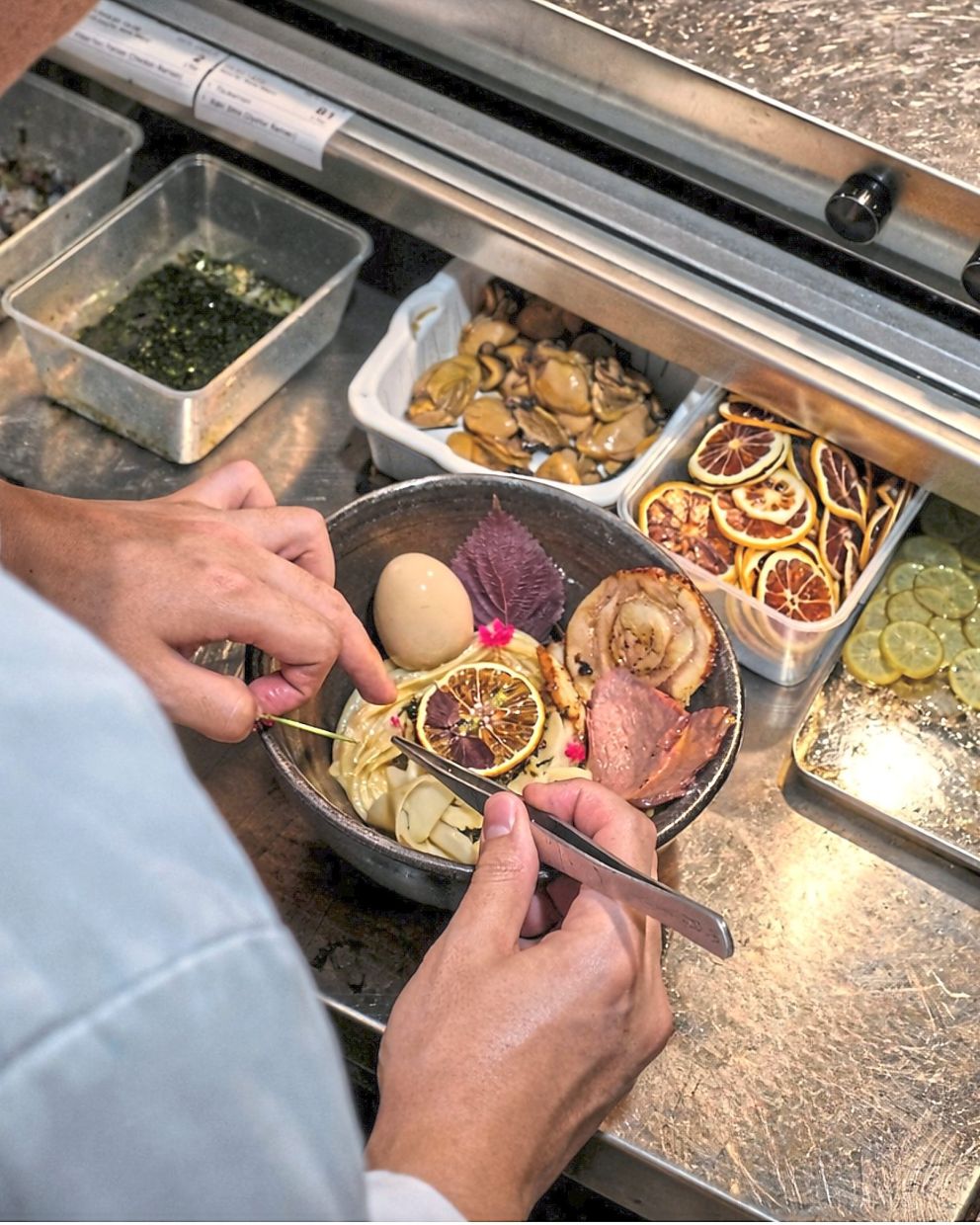
Aside from the noodles and the broth, three other components complete a ramen meal – the tare (seasoning), toppings and fragrant oil – all of which Chin worked relentlessly to figure out, especially the tare which required a lot of experimentation to substitute the alcoholic components.
“It was a huge challenge to maintain the taste and the flavour. I won’t say we have been very successful at doing it, but I think we have achieved about 80%,” he says.
When Ramen David first opened, it commanded long, snaking queues (these queues are still omnipresent on weekends). But equally, Chin says the brickbats flew fast and furious and he received comments about everything from the pricing to the authenticity.
“So my whole idea is that whatever we do, there is a Japanese methodology, there is a Japanese understanding, and most importantly, there is a Japanese foundation. Because from the foundation, you have the roots, and then from there you build what you want to do,” he says.
While he has continued to stick to his guns about what he is doing – essentially using Japanese fundamental techniques to create his own version of ramen – he has also created three different pricing structures to cater to various budgets. As a consequence, you could opt to have standard, superior or "d’luxe" editions of each dish.
Start your culinary odyssey here with the Gyokai Tori Cintan D’Luxe (RM48), a light, classic ramen dish that is fashioned out of a clear chicken broth and gyokai seafood broth, which is finished with shoyu tare (soy-based seasoning) and chicken niboshi fragrant oil (which combines chicken fat and dried sardines).
The d’luxe edition comes with smoked chicken chashu (which takes two days to make), chicken breast, menma (bamboo shoot) and kamboko fish cake as well as premium toppings like Hokkaido scallop and ajitama egg (Japanese marinated soft-boiled eggs).
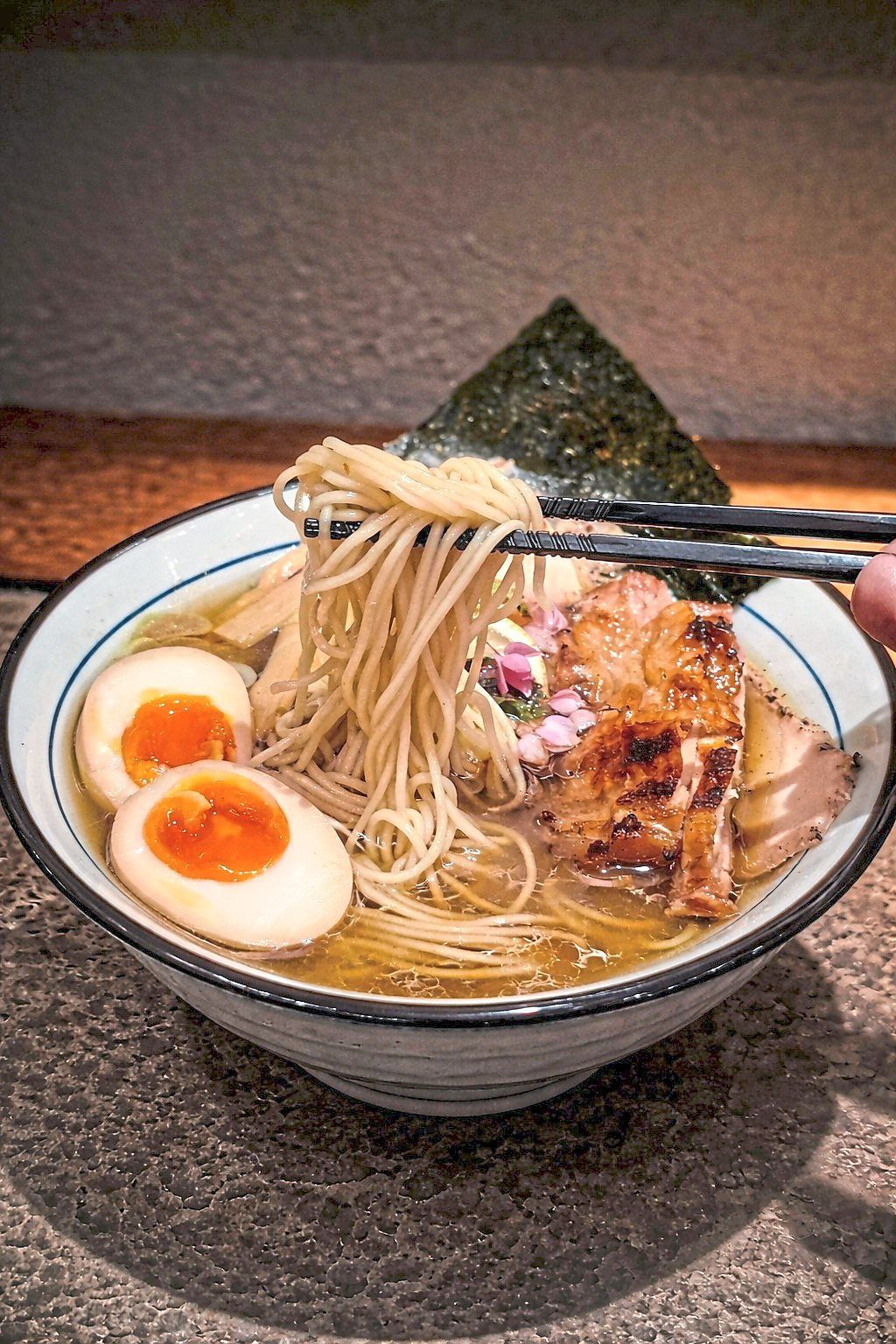
This is a light, clear-headed ramen that highlights the purity of the broth, drawing out hearty avian nuances amidst an undulating seafood presence. This is buoyed by the ramen itself, which is incredibly good – supple and lean, with a good chew and bite and a push-pull dynamic that allows for both spring as well as a bounce in its step.
Up next, have a go at the Tori Paitan D’Luxe (RM48), a rich, creamier broth that is attained through a 12-hour slow boiled chicken paitan broth infused with rishiri kombu (high-grade kelp) and shiitake.
The dish is seasoned with shio tare (dashi-based seasoning) and chicken niboshi fragrant oil, with toppings like extra smoked chicken chashu, extra chicken breast, menma, kamboko fish cake and ajitama egg.
The stand-out in this amalgamation is the broth itself which is creamy but not cloying with a richness pulsating through its core. It’s the sort of chicken soup you’ll long for on cold days and bad days – because it will instantly worm its way into your heart and become a panacea for whatever ails you.
Another break-out star in this configuration is the chicken chashu, which has been smoked and grilled to perfection and retains a smoky underbelly and tender, yielding flesh.
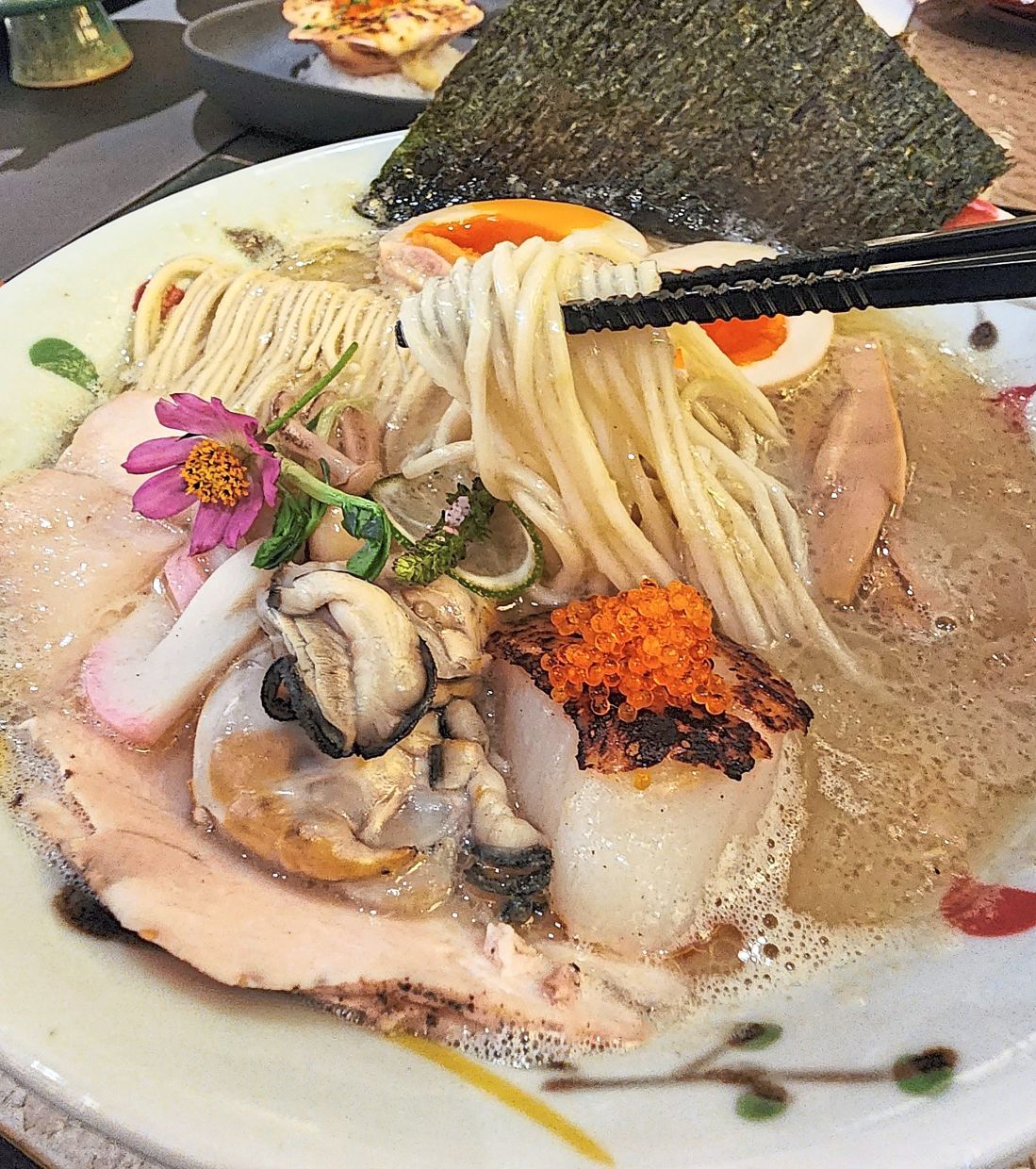
Perhaps the most opulent and unusual of all the ramen dishes at Ramen David is the Kaki Shio D’Luxe (RM58) which is an oyster ramen made with a combination of chicken paitan and gyokai seafood broth enriched with oyster puree. This is then topped with shio tare and chicken niboshi fragrant oil.
The toppings that come with it include sous vide chicken breast, oysters, memma, kamboko fish cake, Hokkaido scallop and ajitama egg.
The broth here is more intensely creamy with briny undertones and a nuanced sea-faring slant. The oyster puree added to the broth has given it distinct mollusc features that highlight the flavours of this sea creature to full effect. It’s a rugged yet sophisticated ramen that promises to bewitch and entice – especially if you’re a fan of oysters.
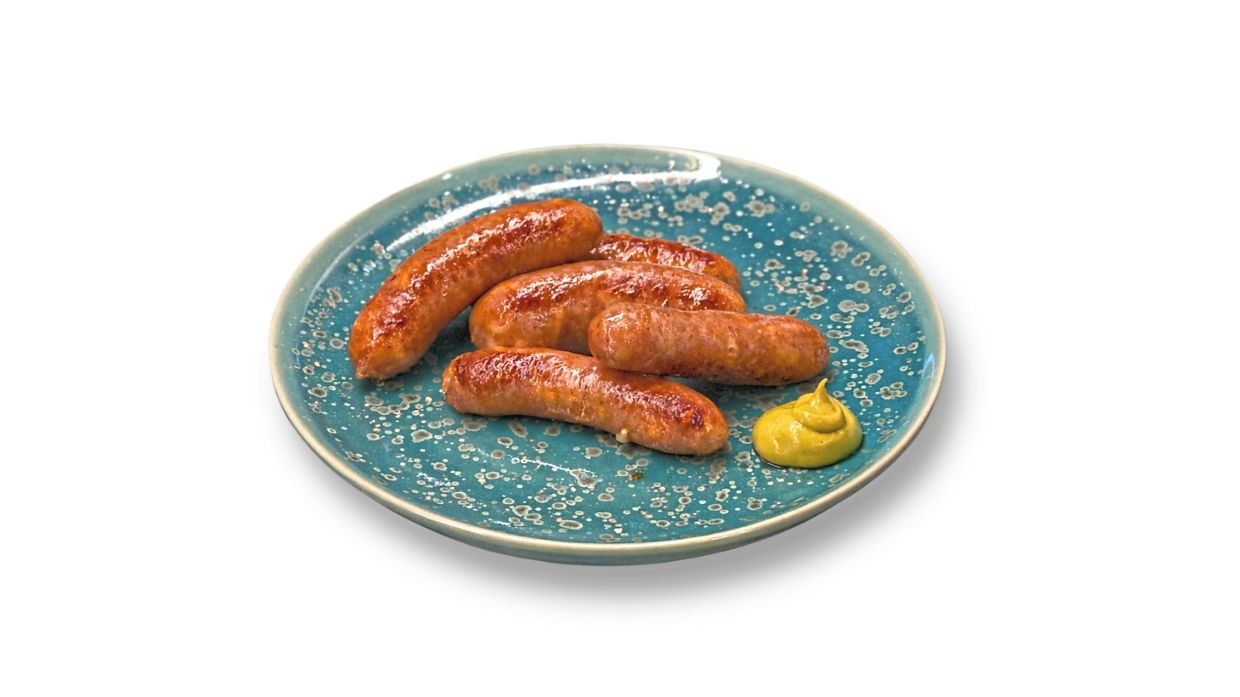
The restaurant also has a small, curated range of side dishes to complement the main stars. Of what’s on offer, definitely try the Arabiki Cheese Sausage (RM18) which as its name implies, are little chicken sausages packed with ooey gooey cheese. It’s a hedonistic treat that Chin initially introduced for kids, but to his surprise – has also caught on with adults.
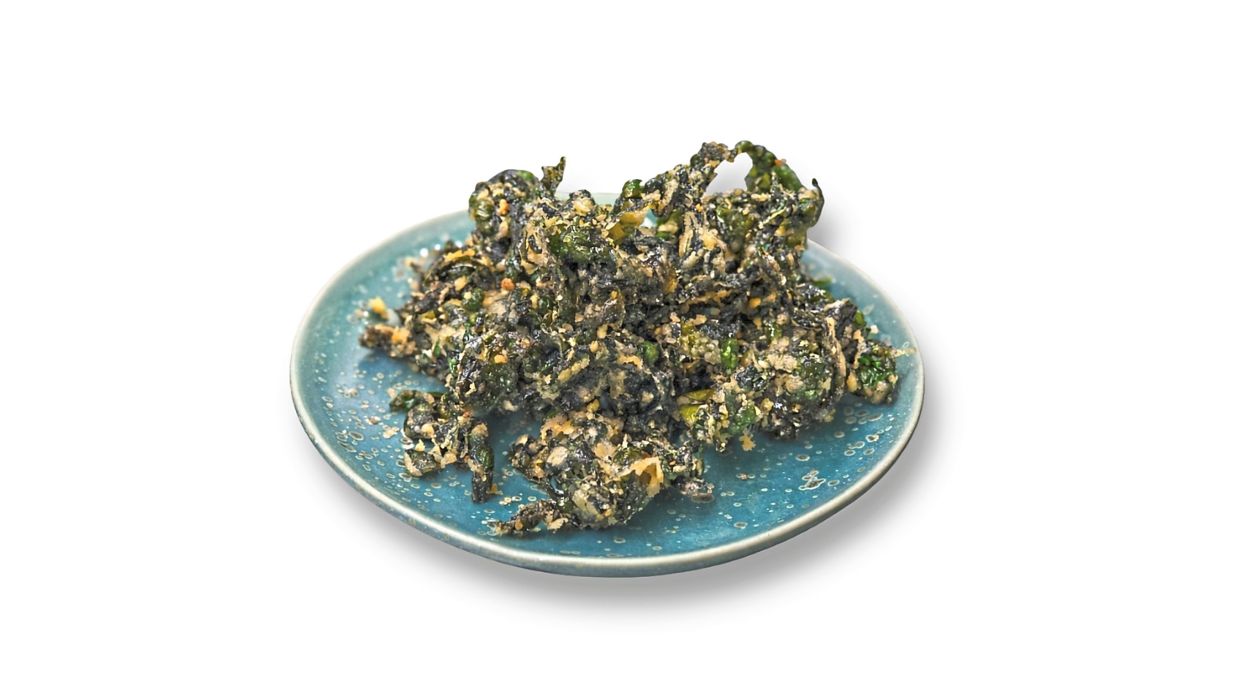
Then there is the Wakame Karaage (RM10) or deep-fried seaweed which offers bursts of the sea astride each crispy piece.
End your meal with some fabulous daifuku, a Japanese mochi dessert. You could try variants like the Black Sesame (RM12) which has a robust, nutty heart that will endear itself instantly to diners or the Mango Sago (RM7) a sweet treat with a luscious, fruity underbelly.
Having finally opened his ramen shop and put his heart and soul into it, Chin says this will definitely be his swansong F&B venture.
“This is – for lack of a better word – my final legacy. After this, I’m stopping,” he says, smiling.