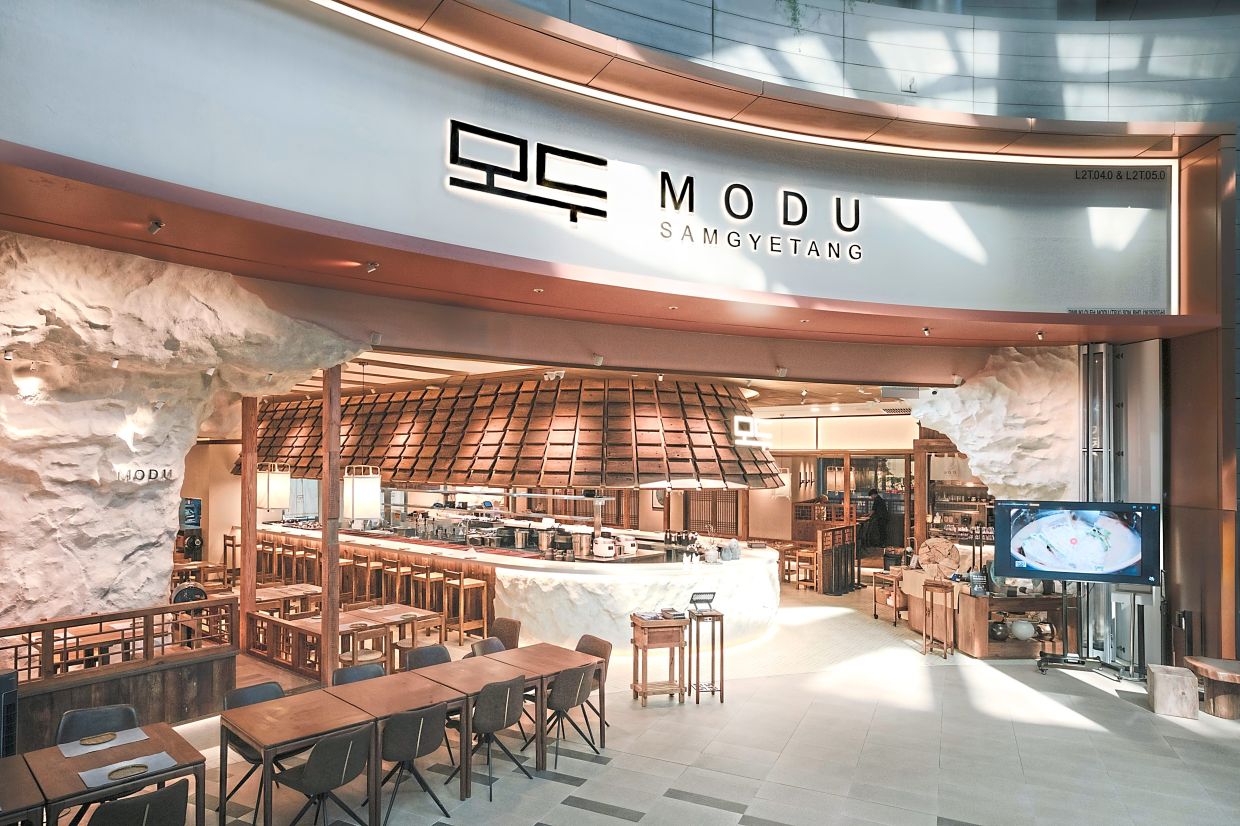
It is noon on a random Monday and already the expansive 280sq m Modu is packed to the rafters. Nearly every single conceivable table is filled with diners of all ages – with some dressed casually, while others dressed up – and all have the same look of anticipation on their faces.
Modu opened in late November last year in Kuala Lumpur's behemoth The Exchange TRX and quickly became one of the hottest restaurants in the city, commanding long, snaking queues and overwhelming demand.
The reason behind this mania? A simple Korean dish called "samgyetang".
Samgyetang is a relatively new addition to Korea’s culinary arsenal, having first emerged in a 1917 Korean cookbook called Joseon Yorijaebeop in a recipe that called for chicken soup and ginseng powder.
Originally, the dish was cooked as a restorative tonic in the homes of royal families and the upper echelons of Korean society that could afford expensive ingredients like ginseng.
Eventually, the dish filtered down to mainstream diners when it was introduced in restaurants in Korea in the 1950s.
Until then, it had been called "gyesamtang" (chicken-ginseng soup), but in the 1960s, it had a bit of an identity reshuffle when people realised it was the ginseng that was actually the valuable component in this meal. Hence, the switch to "samgyetang".
A traditional samgyetang features a whole chicken stuffed with glutinous rice, garlic, jujubes and ginseng, cooked in a flavoursome broth.
Samgyetang falls under Korean "boyang-sik" foods, which is essentially foods that are thought to have health properties and can aid in recovery.
In South Korea, there is also a tradition of fighting heat with heat, which is why traditionally, samgyetang is eaten during the three hottest days of summer, called Chobok, Jungbok and Malbok.
At Modu, which bills itself as Malaysia’s first "samgyetang speciality restaurant", samgyetang is naturally the star of the menu, and you can opt to order it in its natural state or explore variations of the theme.
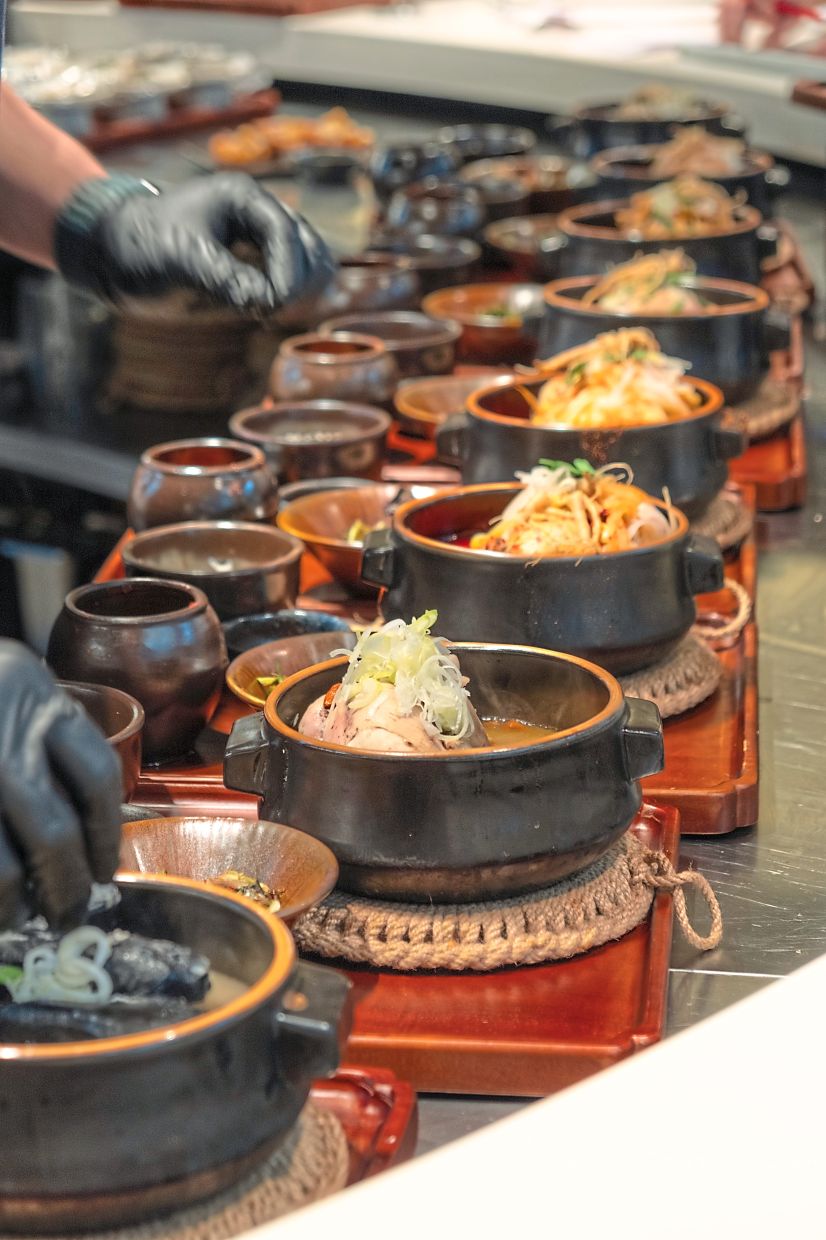
Modu’s samgyetang is made using a 12-hour slow-cooked broth extracted from chicken bones and buoyed by ginseng and jujube.
This is then enhanced with premium halal-sourced spring chicken slow-cooked for two hours to elicit pull-apart tenderness.
The restaurant doesn’t use pork, lard or alcohol and according to its website, it has plans to gain halal certification in the future.
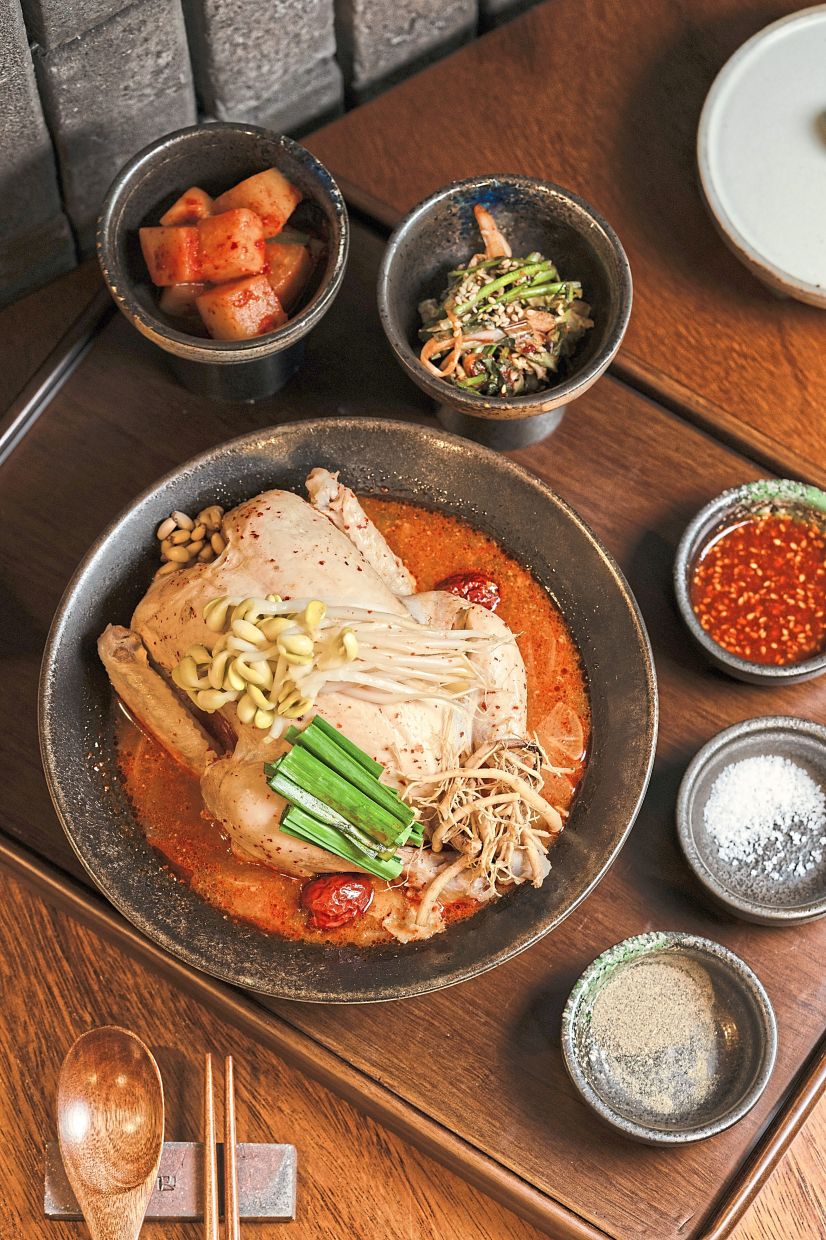
For a taste of the original samgyetang, indulge in Hanbang (RM52) which features a whole spring chicken stuffed with ginseng, glutinous rice and jujubes and embellished with leeks, pine nuts and chives.
The soup is redolent of home and hearth – its medicinal quality is evident in the ginseng which forms the bedrock of this meal. This simplicity is boosted by the rich avian qualities swimming through the veins of the broth.
The chicken itself is pull-apart tender, yielding pliable flesh whose entrails contain a treasure trove of glutinous rice, ginseng and jujubes.
For something with a little heat in its structural configuration, opt for the Spicy Herbal (RM56) which has all the usual suspects in samgyetang, but with the addition of a secret spicy sauce.
This is a soup that has hints of fire lurking in its veins, ready to pounce at punctuated intervals and inject your meal with a lethal surprise. If you’re a fan of broths with a little bit of a punch, you’ll really enjoy this.
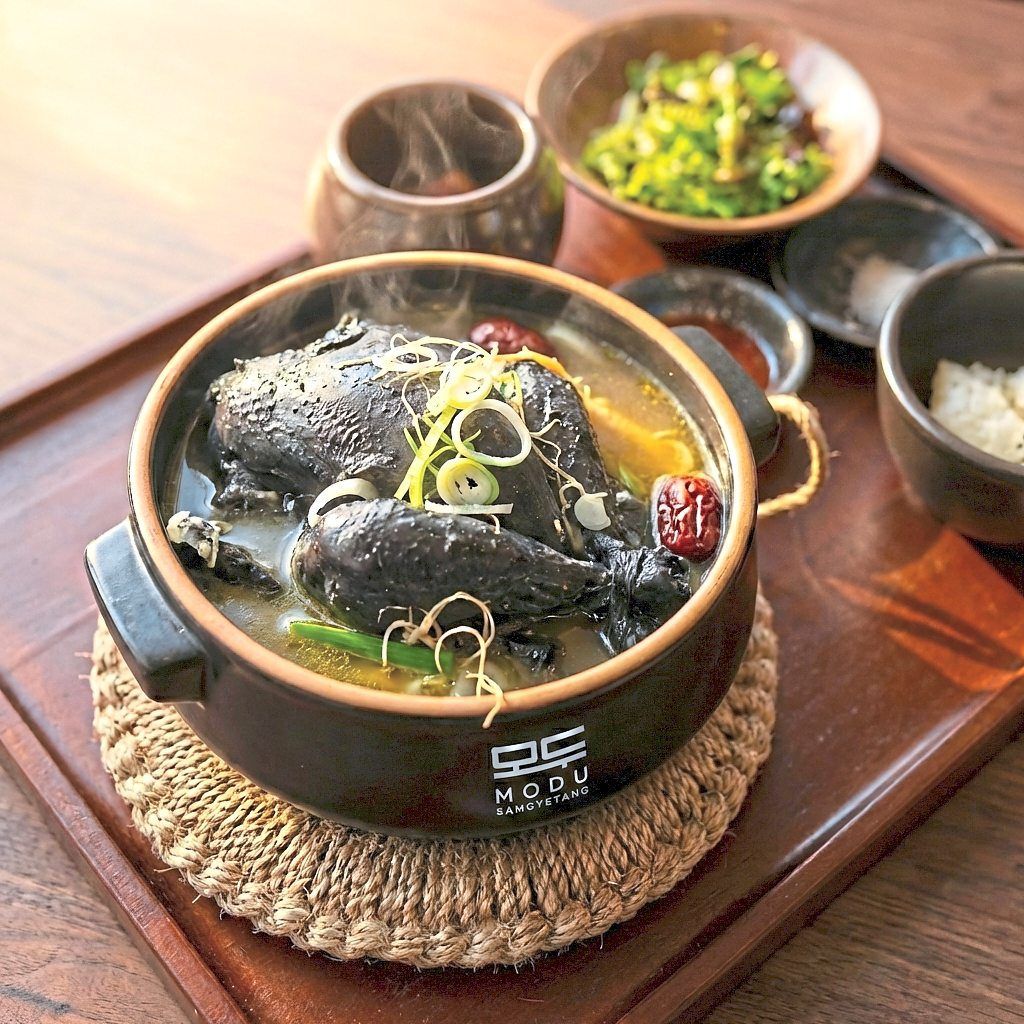
The Black Chicken (RM64) is filled with – as its name implies – black chicken.
Black chicken often refers to the Silkie breed of chook and is a prominent ingredient in east Asian restorative broths and brews as it is thought to improve health and vitality, especially in terms of post-natal recovery.
This incarnation of samgyetang is rooted in rusticity and a homey quality.
The chicken itself is still very tender but its avian profile is more pronounced, rendering a more earthy meal that has a home-spun quality stitched into its structural DNA.
The eatery also has a range of handmade chewy noodles that make use of the same samgyetang base broth. Of what’s on offer, look at trying the Perilla Seed Kalguksu (RM36) which features perilla seed in a starring role. Here, the soup is filled with tender chicken slices in a creamy broth that is laced with the minty, slightly acerbic notes of perilla.
The broth itself is rich and thick and undulates with a silken mouthfeel but how you feel about this dish ultimately depends on how much you like perilla. If you’re not a fan, this is not the dish that is likely to convert you.
The restaurant also has a curated selection of shareable dishes to add to the table. Of what’s available, try the Minari Pancake (RM22 for three pieces). Minari is a leafy vegetable, also known as water celery. It is a common, recurring character in Korean cuisine.
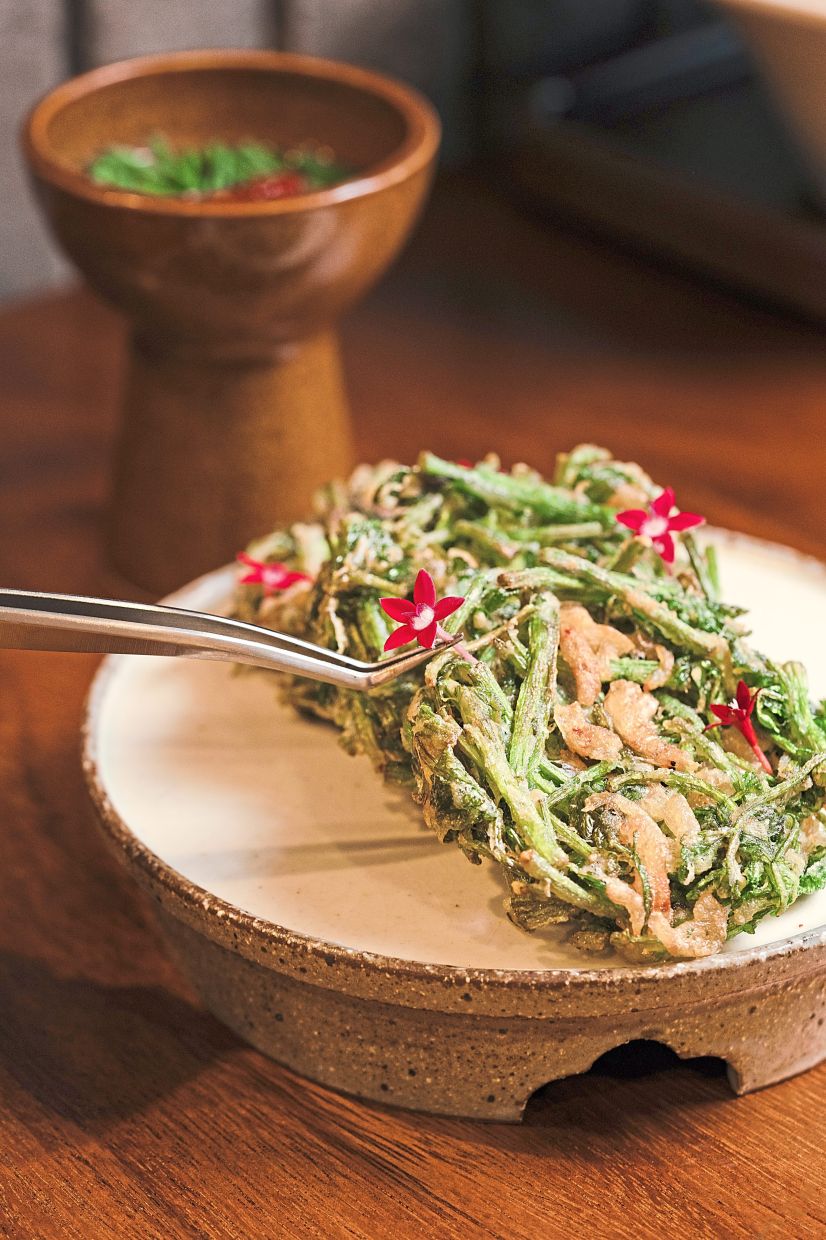
Here, the slightly bitter green vegetable is a dominant force, lending both colour and flavour to this fried pancake, which is crisp, fairy light and brittle.
The Potato Pancake (RM22) meanwhile is a spud-filled pancake that has a crisp shield that yields easily to a tender, satiating interior. The parmesan cheese dusted atop adds a layer of cheesy goodness to this meal, which is taken to a hedonistic new level when it is dipped into the truffle-infused mayonnaise provided on the side.
End your meal with an array of tofu-based gelato from Tofu G, a little stall outside Modu, which belongs to the same parent company and was a huge success when it was launched in Singapore.
The TRX outlet is the brand’s first foray in Malaysia, and to mark this occasion, two Malaysia-exclusive tofu gelato flavours – pomegranate and matcha – were introduced.
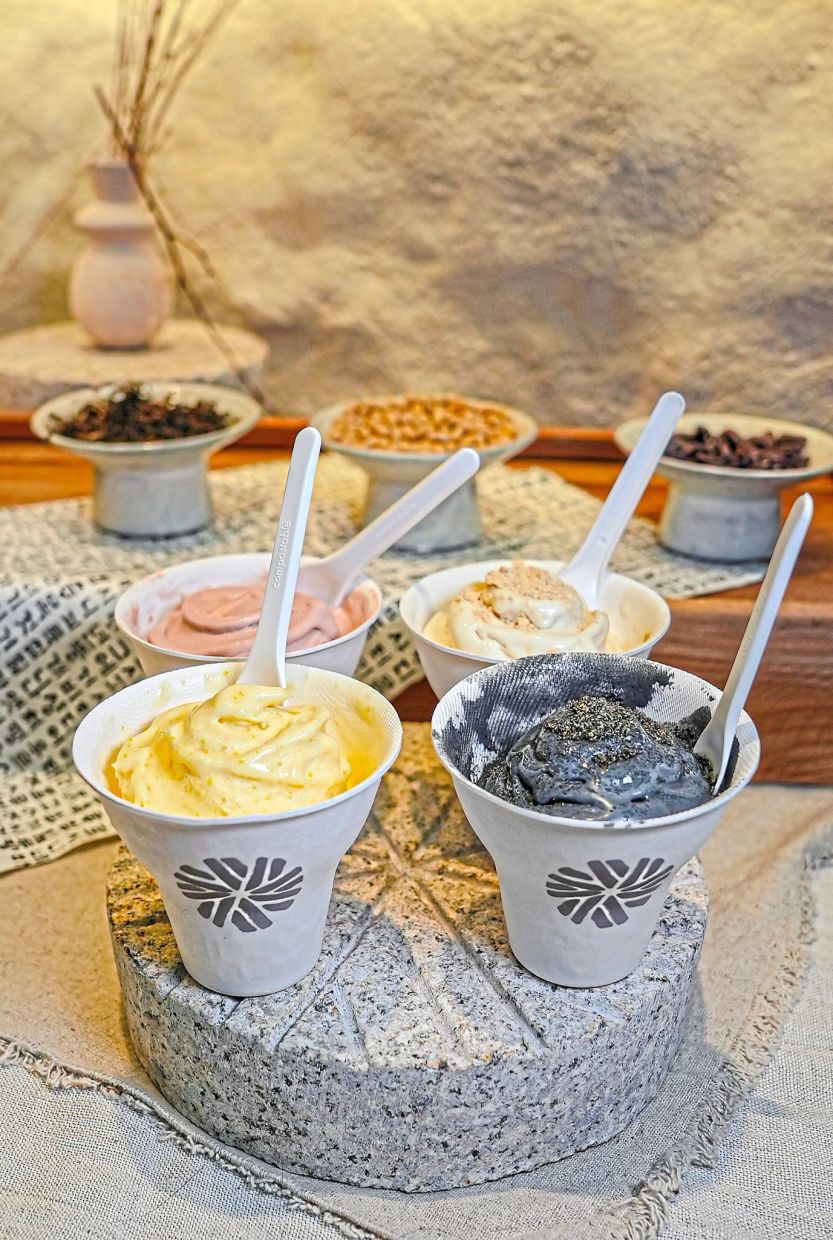
Tofu G is built off the back of traditional Korean tofu-making techniques. Try the Original Tofu Gelato (RM18), a clean, lean, soybean-enhanced offering that is comparable to tofu fah except that this iteration has significantly less sugar attached to its composition.
The Malaysian-exclusive Pomegranate Gelato (RM18) is made with tofu, pomegranate jam and concentrate and is a fruity offering that is also the most saccharine of Tofu G’s gelato line-up, so it’s ideally best suited for those with a very sweet tooth.
Perhaps the most satisfying offering on the menu is the Pistachio Gelato (RM18) which highlights the luscious, nutty hedonism of pistachio against the more neutral canvas of tofu in what proves to be successful marriage of flavours and textures.
Ultimately, a meal at Modu offers a journey through one of Korea’s most popular chicken soups with the added bonus of additional side dishes and desserts – one that lives up to expectation and shows exactly why the restaurant has earned those trailing queues.