The true measure of a man is not how he reacts in good times, but how he responds to bad times. In Yeoh Zong Xian’s case, he overcame some very difficult times and from the ashes of those hurdles, arose a renewed desire to rebuild.
“When I opened my new restaurant En Yeoh’s Bak Kut Teh in Kuala Lumpur, my son told my wife, ‘I am so proud of Papa’. That was a very big moment for me,” says the affable Yeoh, tearing slightly at the recollection.
Yeoh is a second-generation restaurant owner whose father established the famed Yeoh’s Bak Kut Teh restaurant 35 years ago in Klang, Selangor.
“I was three years old when my father started the shop, so I literally grew up there. From that point on, I saw my father working hard from early in the morning until midnight. I also used to help out after school every day,” says Yeoh.
After graduating with a marketing degree, Yeoh decided to expand the family business and ended up opening a few outlets in Johor Baru. He also successfully opened two outlets in Hong Kong with an overseas franchisee.
But then came the Covid-19 pandemic and as Yeoh says, “You know lah what happened next.”
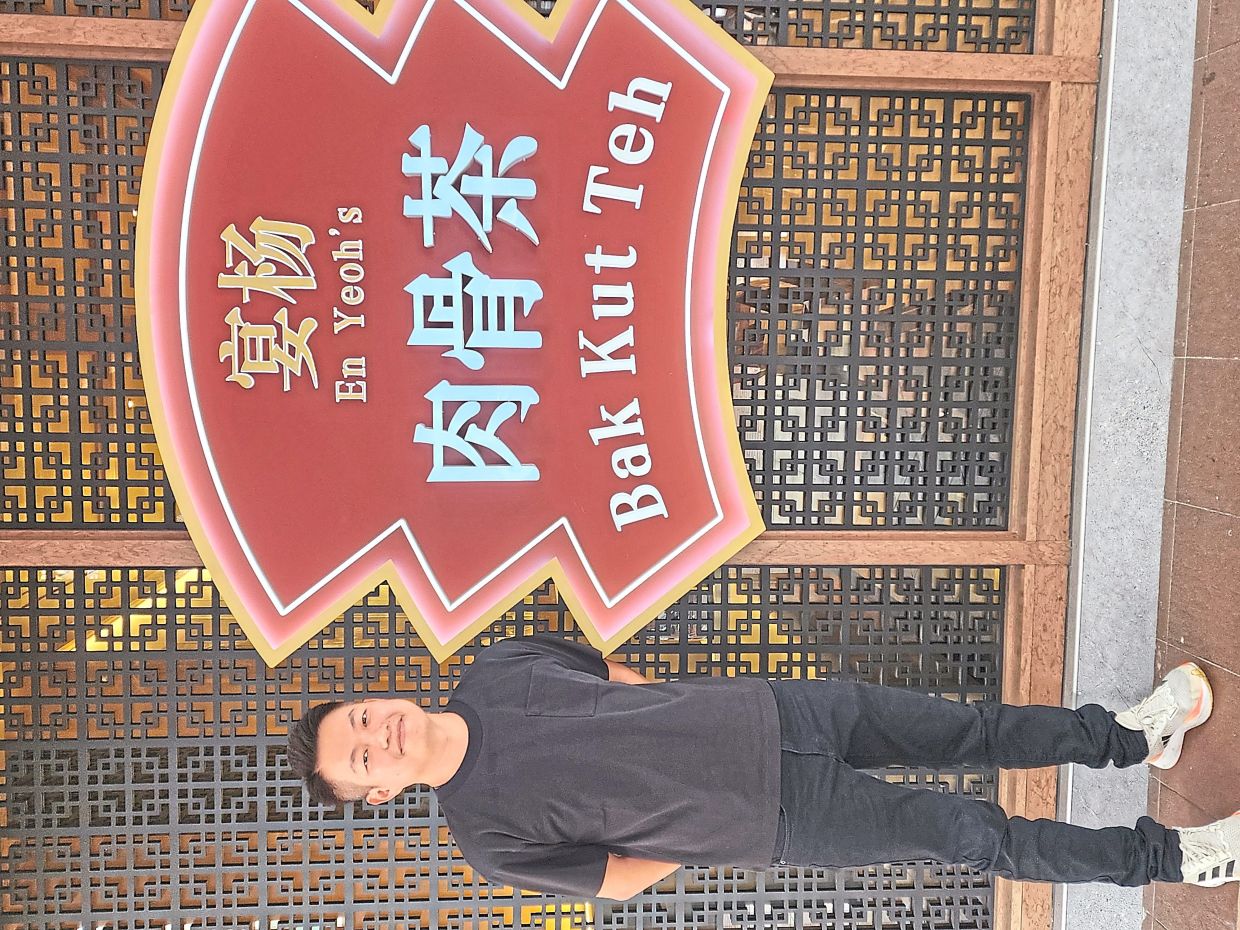
Inevitably, Yeoh bore the brunt of the pandemic’s repercussions and ended up having to shutter all his restaurants, except the Klang stalwart.
He shouldered tremendous financial setbacks and admits those were some of his darkest days but he soldiered on, determined to move onwards and upwards and continue the family dynasty.
That positive can-do attitude paid off because a few years ago, opportunity came a-calling when Yeoh was offered the opportunity to partner with large Singapore restaurant chain En Group to open an offshoot of his family business. Called En Yeoh’s Bak Kut Teh, the brand now has three outlets in Singapore.
“They collaborated with us to bring this 35-year-old Klang bak kut teh brand to Singapore. So this new brand originated in Singapore but now we are bringing it home,” says Yeoh.
Just a few weeks ago, Yeoh opened En Yeoh’s Bak Kut Teh in Solaris Mont Kiara, Kuala Lumpur. The restaurant operates as a bak kut teh tea house in the daytime and morphs into a cocktail hub in the night.
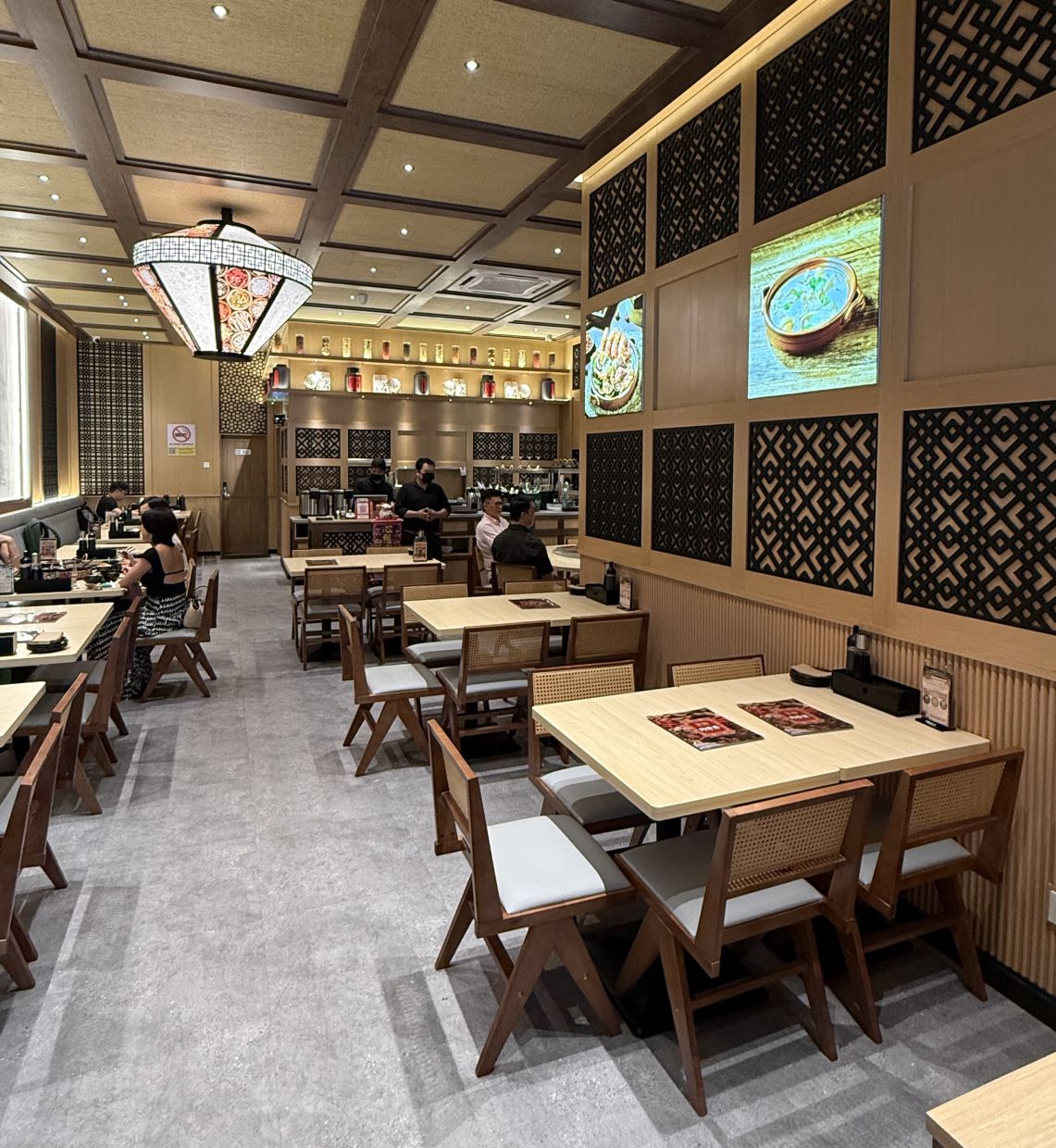
It’s a marriage of two equals, bound by the drinking proclivities often associated with bak kut teh consumption.
It’s also the convergence of tradition and modernity, the precipice upon which many conventional restaurants struggle to charge forward, but which Yeoh has clearly embraced.
At En Yeoh’s Bak Kut Teh – Yeoh’s traditional family bak kut teh recipe is celebrated alongside a wealth of Japanese ingredients and cocktail recipes that his co-collaborator is well known for in Singapore.
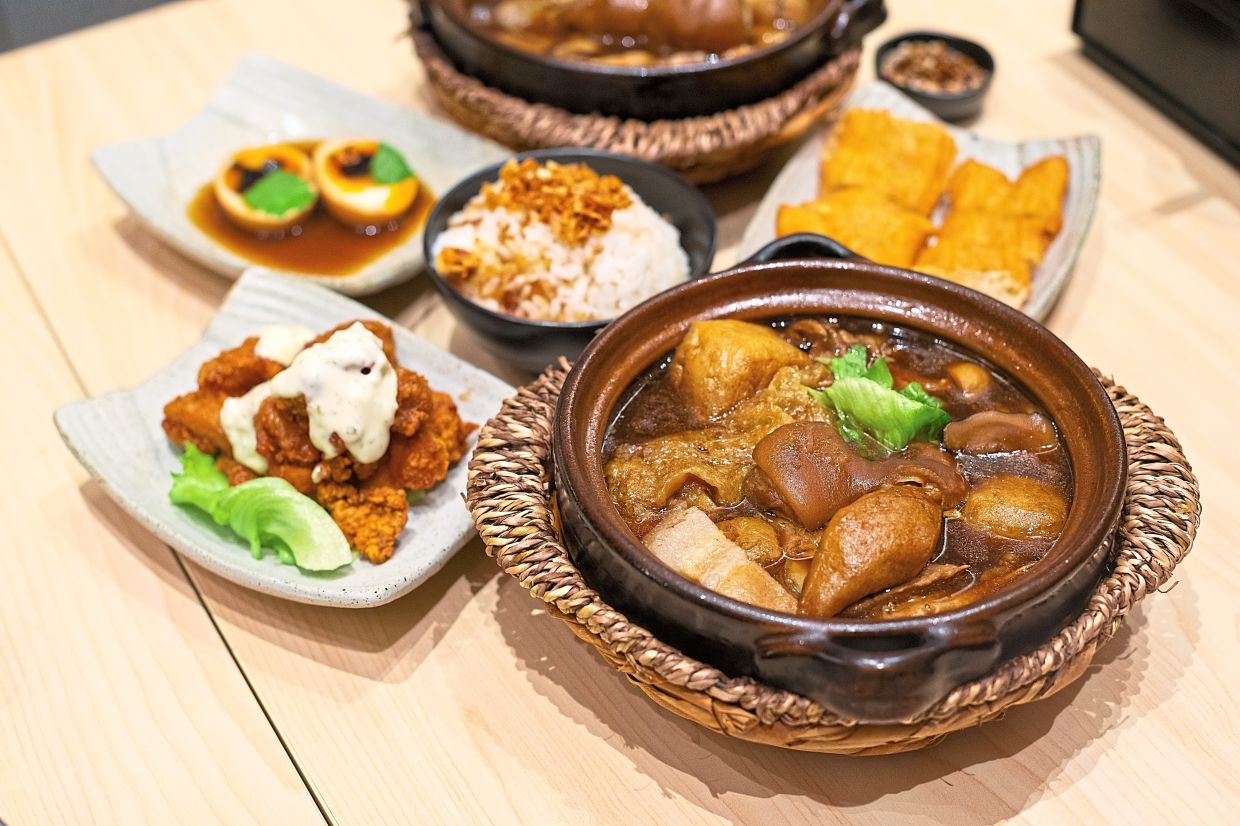
From what’s on offer, look to history and tradition in the form of the traditional Herbal Soup Bak Kut Teh (RM25 for one person).
Bak kut teh is thought to have originated in the 19th century in Klang, and is said to have been concocted by poor migrants from China’s Fujian province who worked in the docks.
According to legend, these workers would collect scraps of herbs from storerooms and combine this with pork bones they obtained from local butchers for free, eventually crafting a soothing herbal tonic.
Over time, bak kut teh evolved from its humble origins to include more prized porcine parts like pork belly.
In 2024, bak kut teh was designated a Malaysian heritage dish by the Malaysian Department of National Heritage.
En Yeoh’s decades-old bak kut teh was devised by Yeoh’s father who was originally a hawker selling noodles.
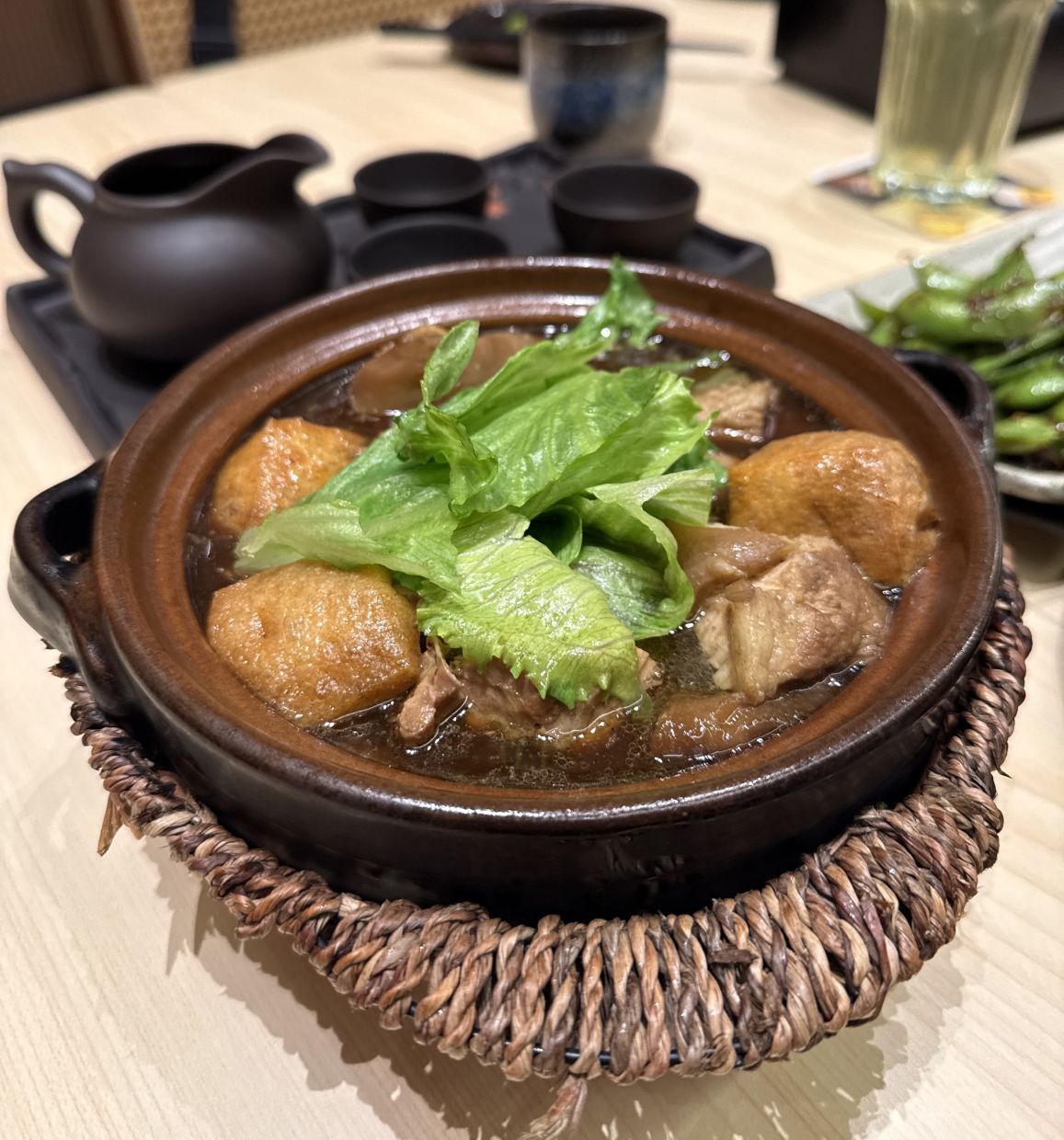
In En Yeoh’s version (which uses the same family recipe), the broth is packed with 15 different herbs and spices like angelica root, dates, goji berries and cinnamon.
This imbues it with a rich, spice-laden underbelly that is enhanced with a soothing medicinal finish that has a nourishing effect.
The brew is also packed with assorted pork parts like pork belly, as well as dried shiitake mushrooms, button mushrooms and tofu puffs.
Portions are hearty and incredibly generous so come hungry because this is a very good rendition of bak kut teh and you’ll want to finish it all by yourself.
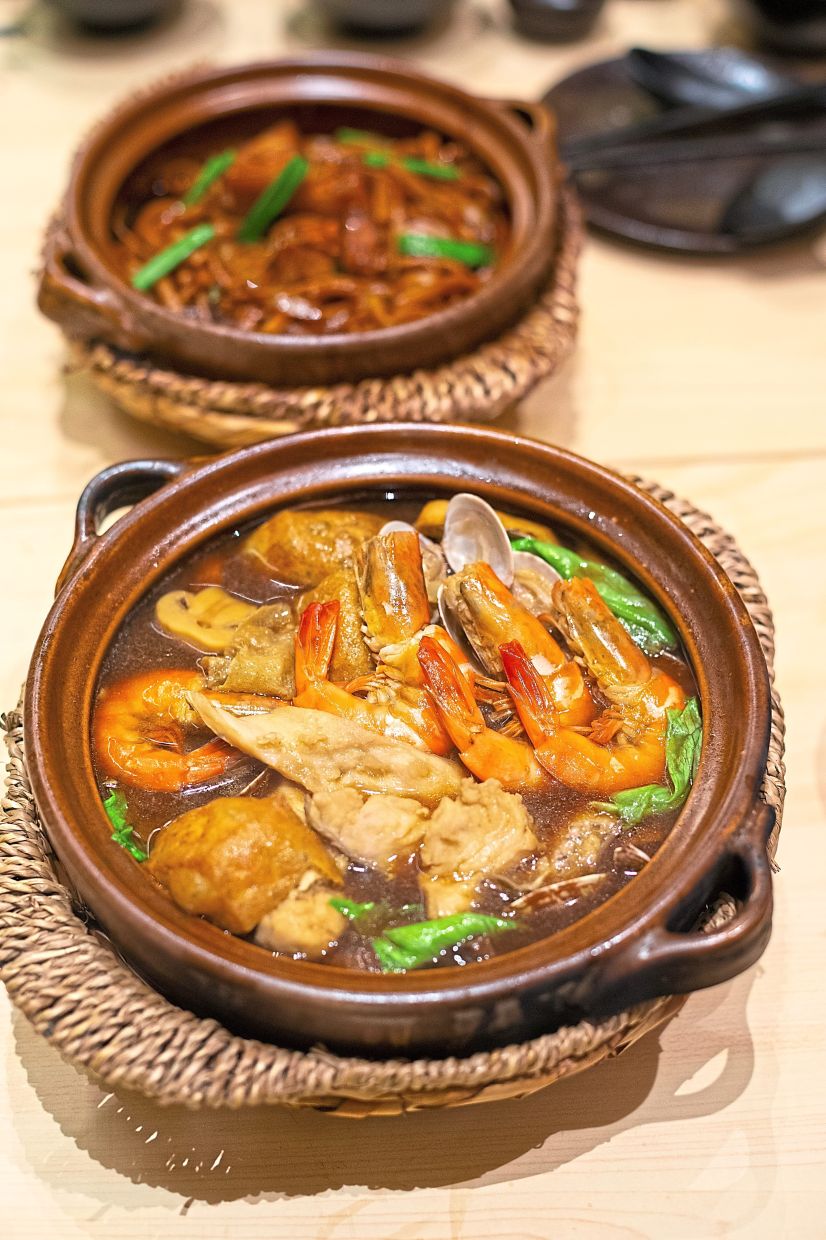
The Claypot Seafood Bak Kut The (RM68 for two people) is a special-order dish at the Klang outlet that Yeoh decided to make a permanent feature in his Mont Kiara space.
The dish’s herbal broth origins remain the same but the porcine element is replaced with a bounty of aquatic creatures like tiger prawns, clams and grouper. This gives it a more buoyant sea-faring profile that is cleaner yet no less nurturing.
Japanese infusions also abound in the form of the Claypot Japanese Paitan Pepper with Pork Collar, Pork Ribs and Pork Stomach Soup (RM25 for one person).
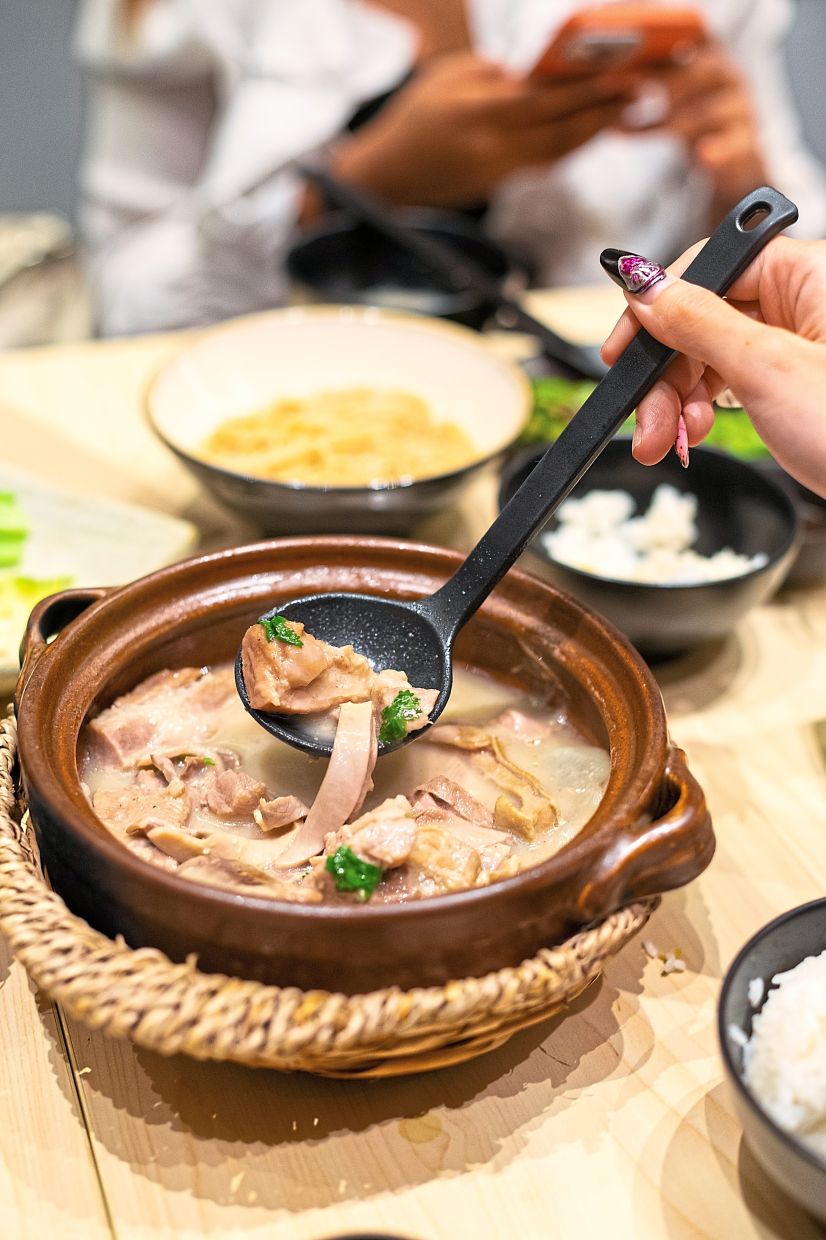
This is a take on the Chinese pork and pepper soup, except that it makes use of Japanese paitan broth (milky-white broth often associated with tonkotsu ramen) and white pepper.
The broth is a cloudy, creamy affair laced with lashings of white pepper that give it a fiery kick in the butt (your tongue will feel this heat-laden jolt too). It’s a great perk-me-up that marries comfort with a piquant bohemian rhapsody.
Japanese interpretations continue through offerings like the Dry Pork Belly Bak Kut Teh Sanuki Udon (RM25).
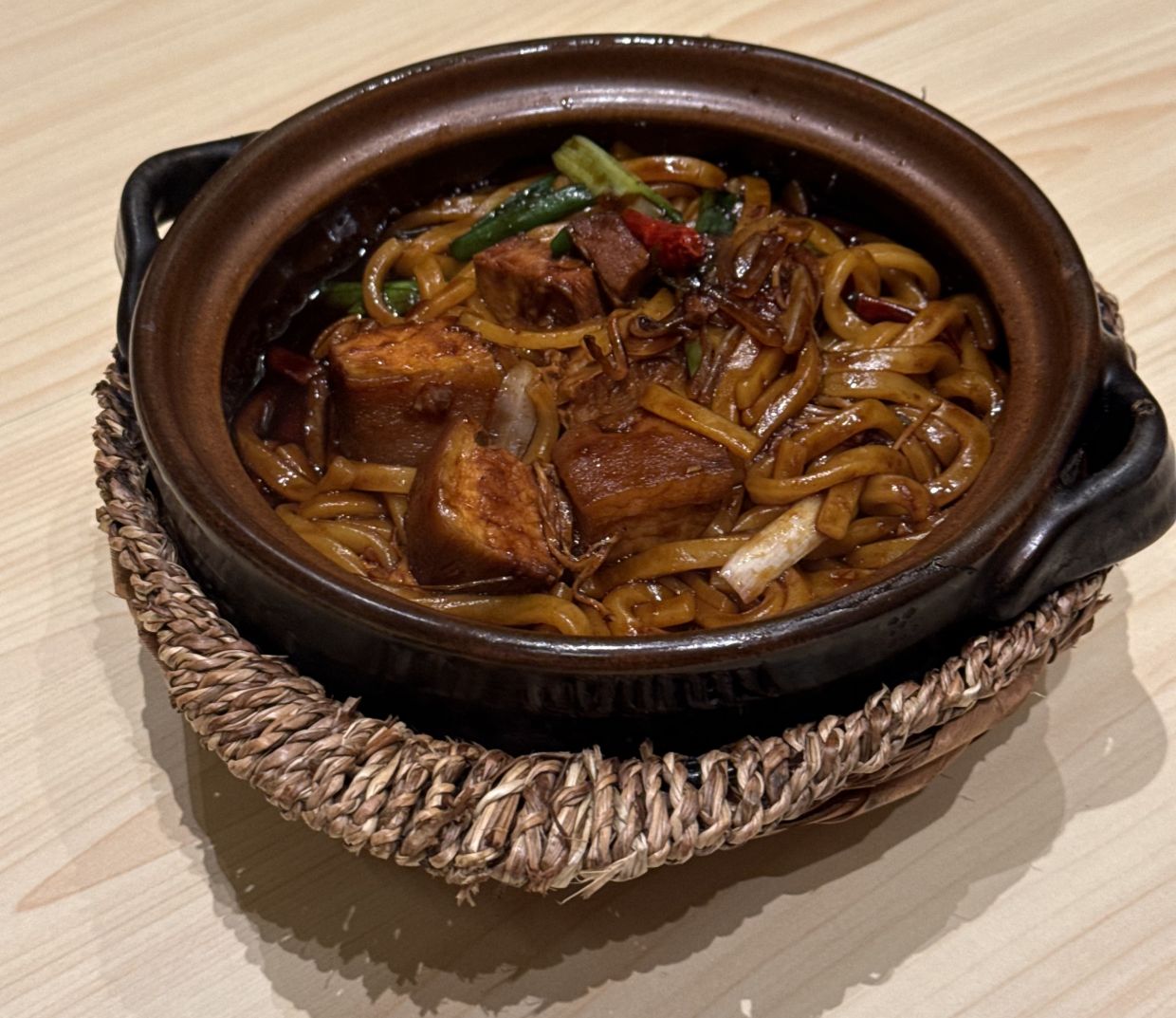
Here, udon noodles are coated in dried chillies, onions and a spicy dark sauce with savoury dried cuttlefish underpinnings.
It’s such an ingenious idea – taking dry bak kut teh and turning it into a delicious new noodle dish that really stands out on its own instead of lurking in the shadows of its well-known progenitor.
The restaurant also has a range of smaller dishes like Nanban Tori Karaage (RM20) and Bak Kut Teh Lava Egg (RM5).
The former is Japanese-style fried chicken topped with a creamy tartar sauce. Here, the chicken has a crackly crust and juicy flesh while the tartar sauce lends an astringent, creamy layer to this avian affair.
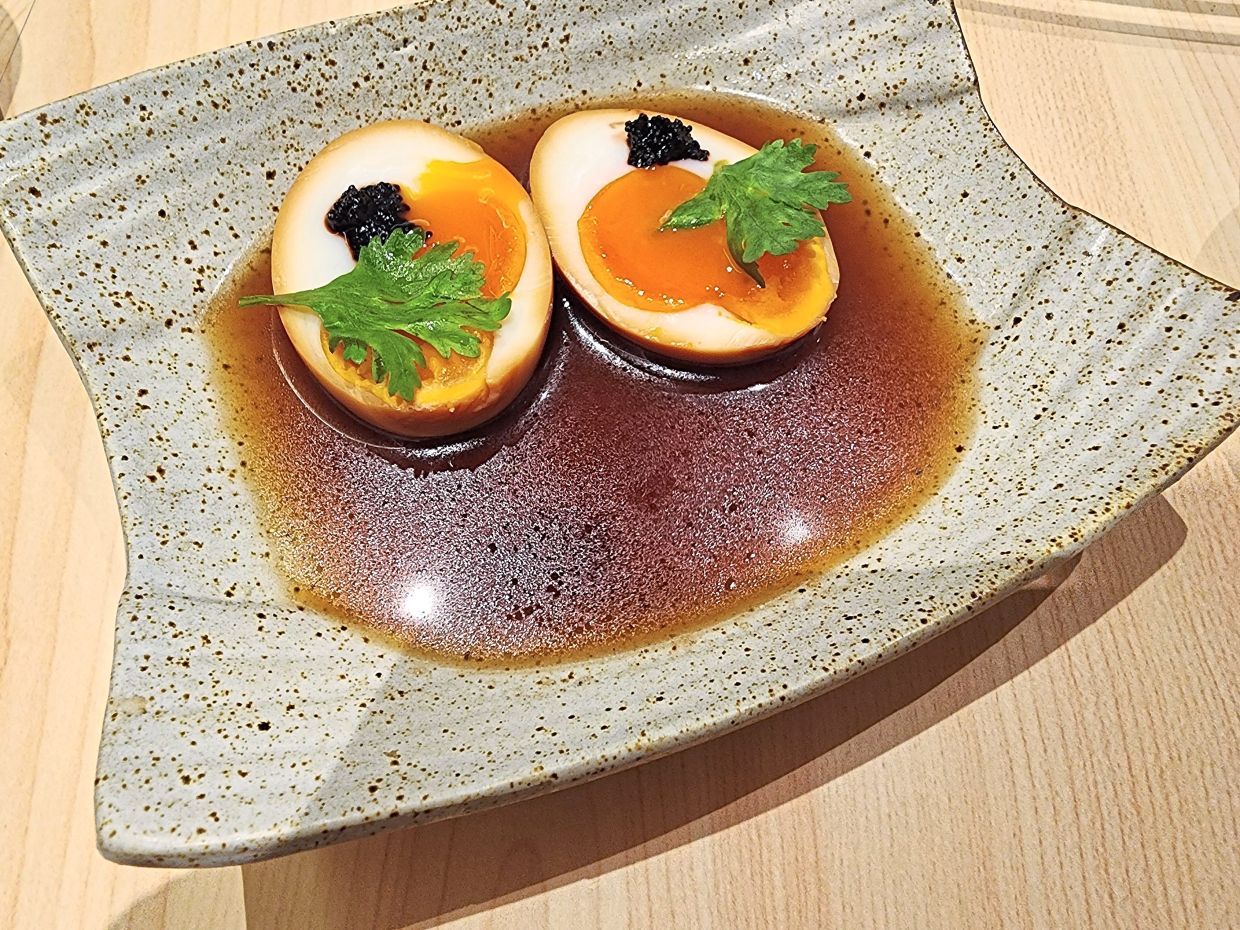
The lava egg meanwhile features jammy eggs coated in a richly herbal bak kut teh sauce and topped with tobiko roe. It’s a simple yet charming dish that takes something basic and turns it into something both comforting and elegant.
The restaurant’s night transformation is evidenced in its line-up of cocktails. Try the rather unusual Warm Your Heart and Stomach (RM25 for two to four).
Brewed with bak kut teh broth, baijiu and glutinous rice wine, this is an odd ball concoction that is hot and hearty like bak kut teh yet has a rich, funky, alcoholic underbelly.
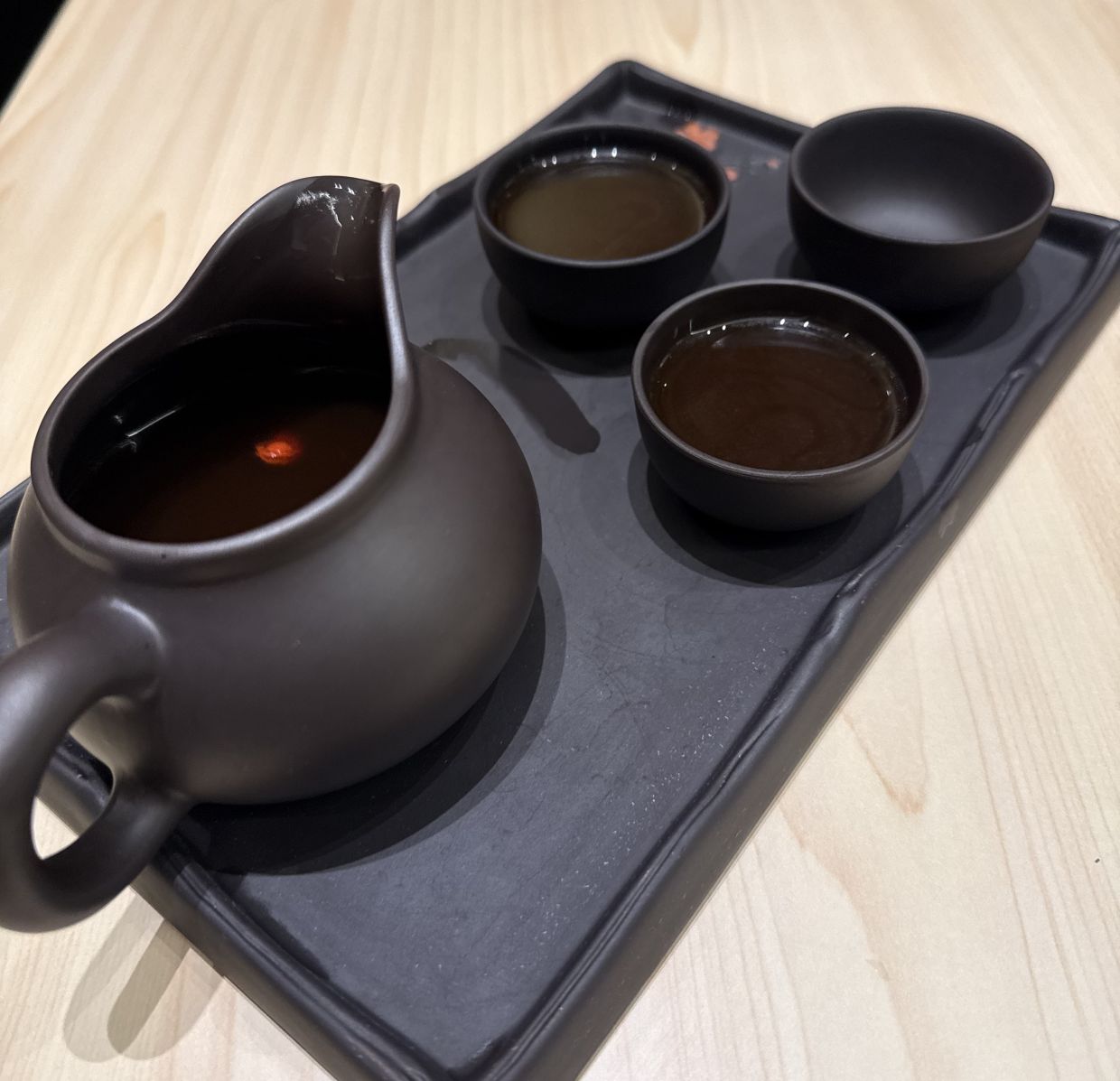
It’s strange and seemingly quixotic yet it’ll probably find a place among people looking for one-part bak kut teh and one-part spirit in the form of a startling new creation.
Moving forward, Yeoh says plans are already in the works to hopefully expand En Yeoh’s footprint locally as well as internationally.
“We hope to open more outlets in KL and we’re discussing opening in Vietnam as well,” says Yeoh with evident pride.