
Inlife, change is the only constant. It’s the thing we can count on year in, year out. So it is only natural that with each passing year, the restaurant scene also undergoes transformative evolutions.
Here is a look at some of the consumption trends that are likely to dominate the dining landscape in Malaysia this year.
Rise of modern Malay restaurants
For the longest time, Malay food was confined to traditional ‘gerais’ and ‘warungs’ – serviceable, no-frills establishments that served top-notch food at incredibly affordable prices.
And yet parallel to this, in the past five years, there has emerged a slow, stealthily growing mid-tier Malay restaurant market, epitomised by restaurants like Cili Kampung, De.Wan 1958 by Chef Wan, Hidang and The Roomah, to name a few. Their numbers are small, but with the emergence of these restaurants, the higher-end Malay restaurant model had already quietly started to bloom.
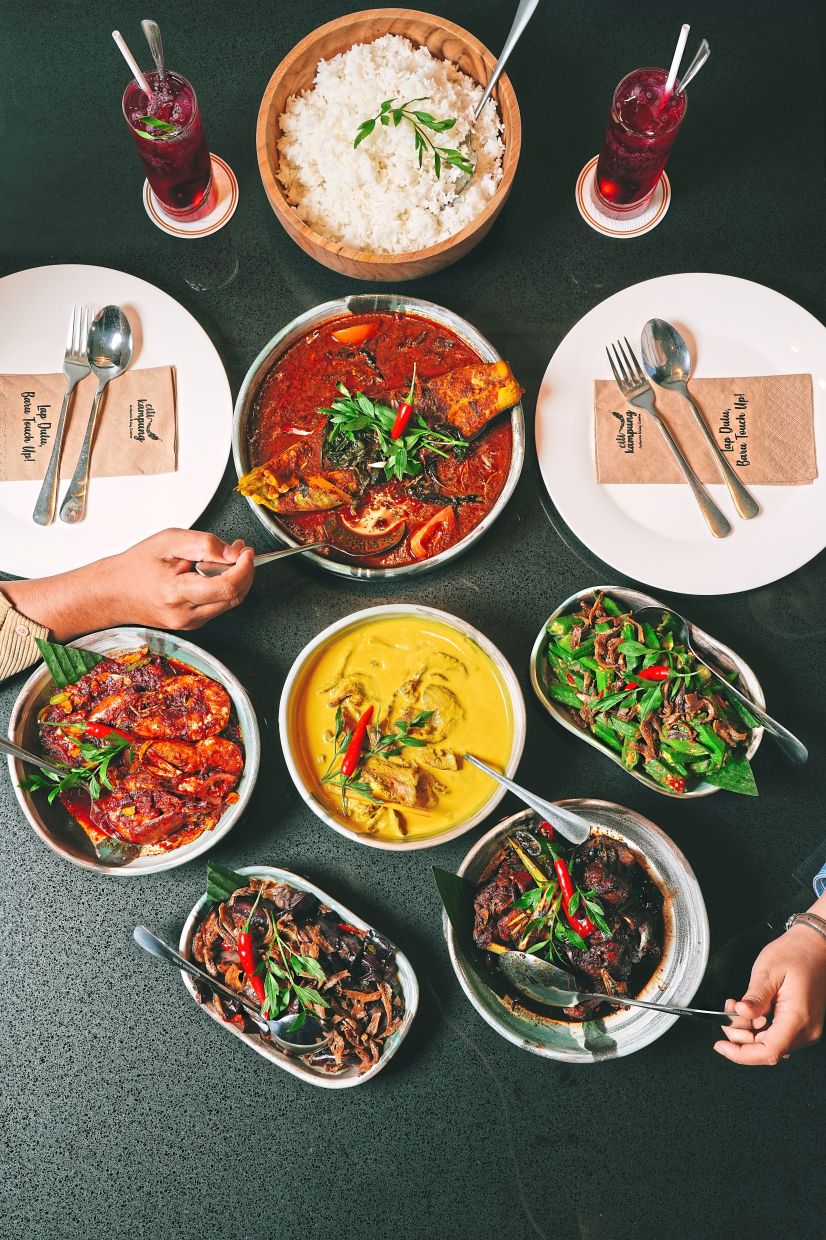
“I take a lot of pride in this because I think we were the first group to bring Malay kampung food into a commercial space and elevate it into a premium category. Our founder is from Langkawi and when I ate their food, I thought it was the best thing I had eaten.
“I said, ‘We have to bring this to the mass market and to tourists too.’ And what I realised is if you serve Malay food like masak lemak or terung goreng with nice plating in a nice setting – people will actually pay for it. I mean, can you imagine that in a mall like Suria KLCC, Cili Kampung has the third highest revenue for restaurants? What does that show you?
“We see the potential, which is why we are now opening our seventh outlet,” says Kesavan Purusotman, who owns Continuum Hospitality Group, which operates Cili Kampung, a string of salubrious Malay restaurants with a strong presence in malls.
And yet, the domino effect of all these eateries put together pales in comparison to the Khairul Aming effect.
In January this year, mega- influencer Khairul (who has 6.3 million followers on TikTok alone) opened his gorgeous RM4mil Malay restaurant Rembayung in Kuala Lumpur’s Kampung Baru to much fanfare and hype.
While there has been a lot of online discussion and pushback on everything from the aesthetics of the space to the prices of dishes, what Khairul has done is shown what a Malay restaurant can look like in 2026 – beautiful, rooted in tradition, and bursting with charm and soul.
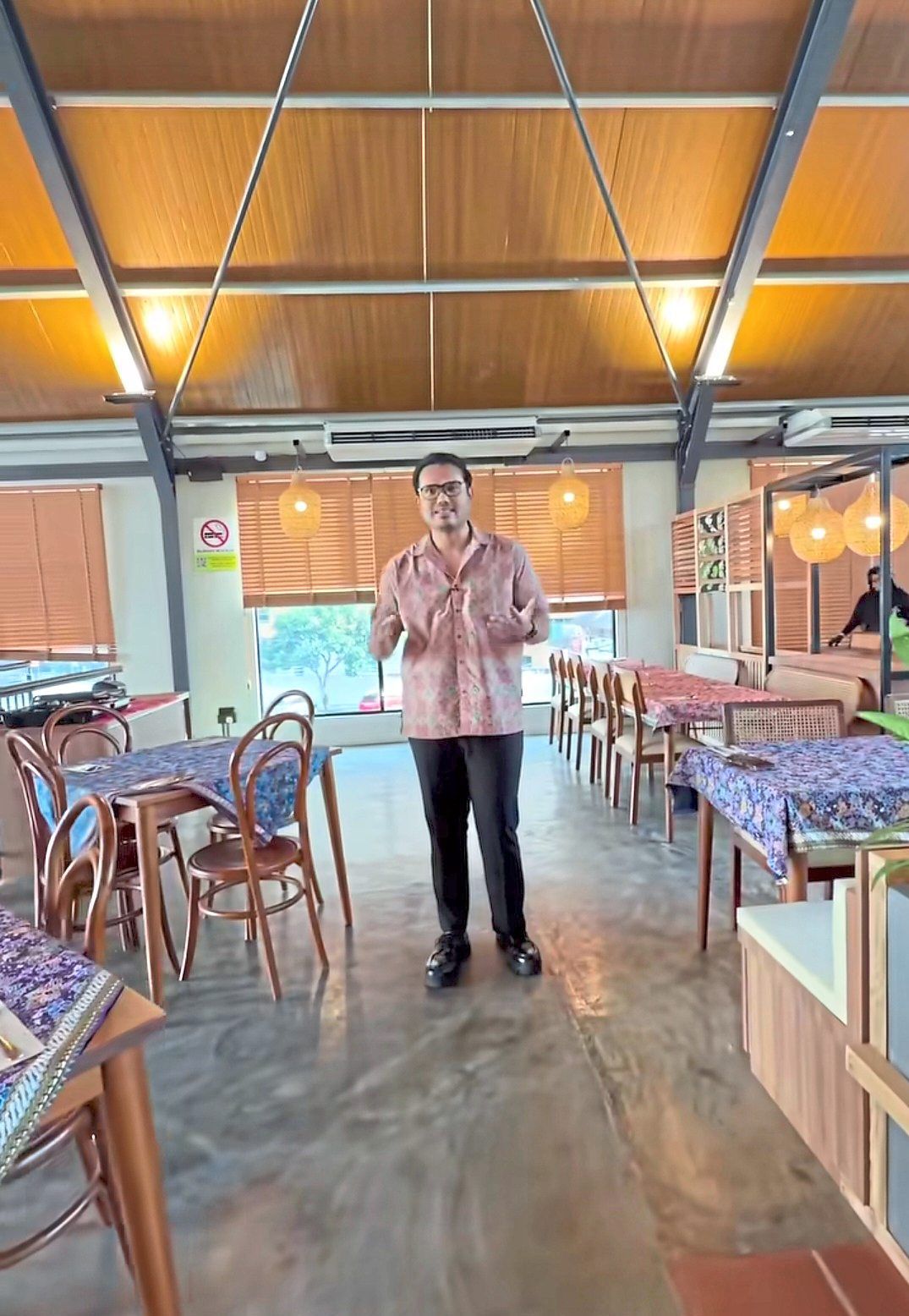
Given the heft and weight of Khairul’s influence, the trickle- down effect of this is likely to be the opening of many more mid-to-high-end Malay restaurants by ambitious entrepreneurs, inspired by Rembayung.
“Khairul Aming has realised how Malay food at the end of the day can hit much bigger audiences and even T20 audiences because at the end of the day, flavours are flavours and you cannot deny great flavours and if anything, he is only going to bring more eyeballs to kampung food. And yes, I think it’s going to open the floodgates for others to follow suit,” says Kesavan.
The rise of modern Malay restaurants will likely also impact how people view the pricing structure of Malay food, which has conventionally always been thought of as affordable. With the increase in mid-tier Malay restaurants, Malay food might perhaps become more expensive, but conversely, the labour and skill that goes into making it will finally also be given due attention and value.
Ultimately, 2026 might just be the defining year for the growth, proliferation and evolution of Malay restaurants in Malaysia.
Mushrooming of sophisticated kopitiams
There is a certain evergreen charm to a kopitiam – it’s the great equaliser for most Malaysians, a space where everyone is welcome and where prices aren’t cause for too much consternation.
Kopitiams are also hugely popular. In the past few years, more refined versions of kopitiams have sprouted throughout the Klang Valley and beyond. If you’ve ever stepped into a major mall, for instance, you would have instantly noticed the perennial queues at kopitiam joint Oriental Kopi, which was only established in 2020 and yet has been blessed with an indiscernible Midas touch.
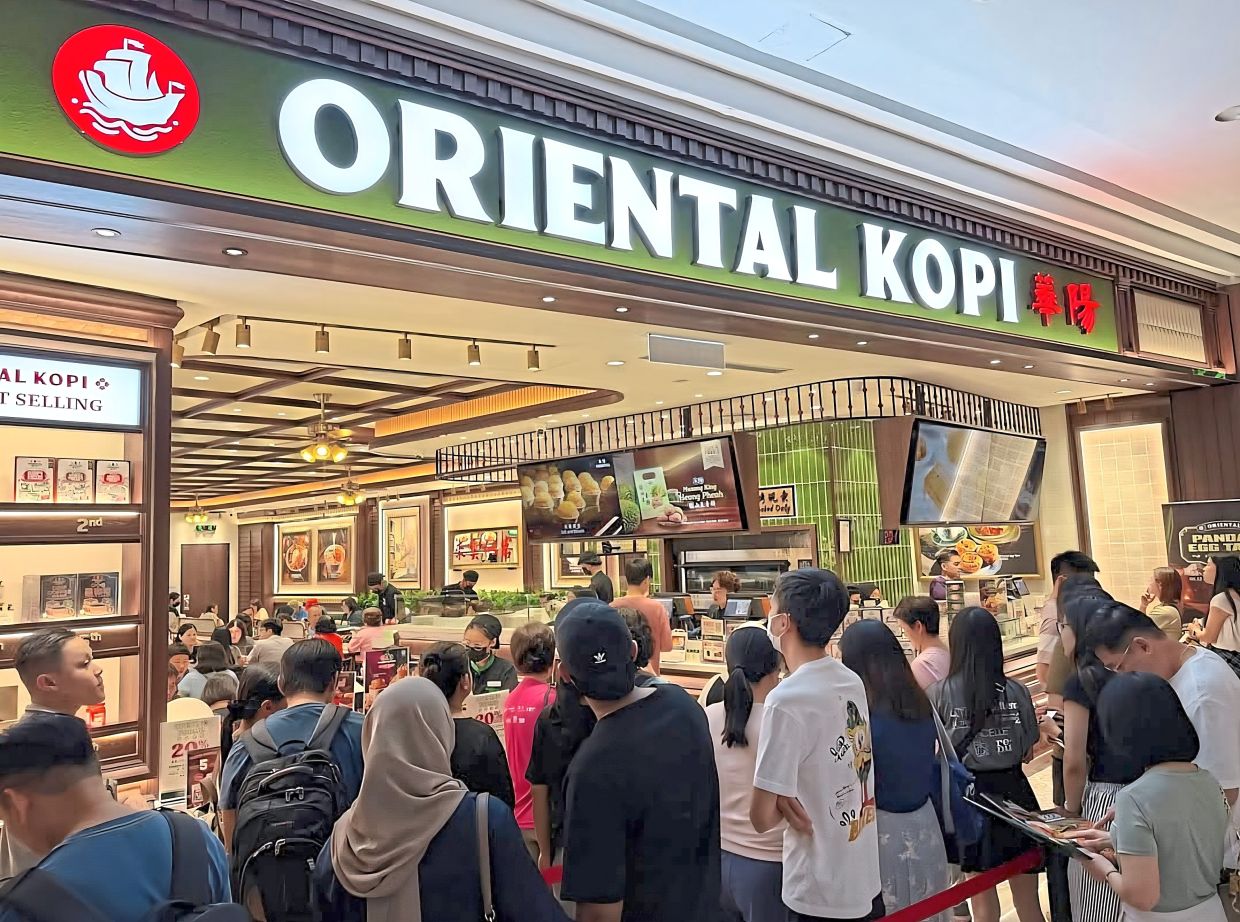
Since Oriental Kopi’s rousing success, other contenders like Hock Kee Kopitiam have also taken root and are gaining traction in the market.
“I think people should watch out for Hock Kee – their food is good, so they are a strong contender for Oriental Kopi’s popularity,” says Renyi Chin, the co-founder of local burger brand MyBurgerLab.
But the demand for kopitiams is so great that it allows for newcomers aplenty, which is why, given the success of existing outlets, more restaurateurs will look at emulating and replicating the modern kopitiam model, which can be more easily scaled and guarantees foot traffic if the food quality remains consistent.
Wong Yin How, for example, helms the Tinkerman Collective which owns and operates restaurants like Proof, Vintry and Stoked. Most of his restaurants are relatively upscale and yet Wong has recently dipped his toes into the kopitiam market segment, simply on the basis of the unlimited potential he sees in it.
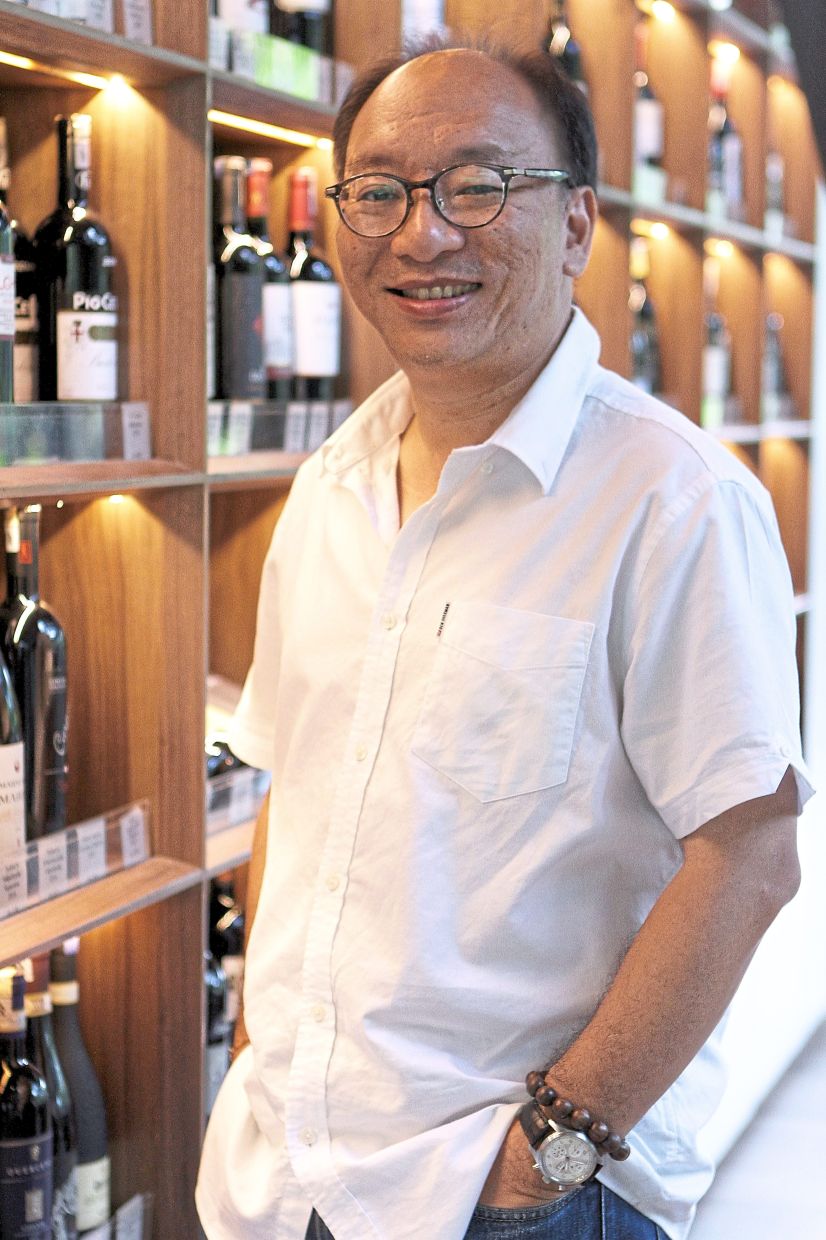
“There is a lot more demand for entry- and mid-level comfort dining. So when the tenancy ended in the middle of last year for another restaurant of ours called Quin, we pivoted and opened a kopitiam concept called Chope Chope in Damansara Heights because we could see that the trend for kopitiams is going to endure for the foreseeable future,” says Wong.
While Wong initially opened Chope Chope Kopitiam as a six-month pop-up to test the market, he says it has proven very, very viable.
“It’s a project that we feel confident pushing forward. Of course, we also have some unique factors that set our kopitiam apart – we do sourdough Hainanese loaves and offer dishes like fried assam laksa and Singapore laksa katong,” says Wong.

Wong is now so confident in his new kopitiam outlet that he already has a vision to replicate it and make it scalable, which means his restaurant group will be contributing to the growing number of modern kopitiams in Malaysia in 2026.
Interesting chef collaborations and openings
Collaboration dinners are becoming increasingly popular in the local restaurant scene and 2026 will probably see even bigger kitchen takeovers and guest chef stints throughout Kuala Lumpur and bigger cities like Penang.
Last year saw celebrity chef appearances in the ilk of Bo Songvisava and Dylan Jones of the Michelin-starred Thai outfit Err by Bo.lan. The duo staged a kitchen residency at the Grand Hyatt KL, which was meant to be three months but was so well received that it has now continued till the end of February 2026.
Other celebrity chefs that made it to our shores in 2025 include the likes of Ivan Brehm of Michelin-starred Nouri in Singapore and Spanish Michelin-starred chef Xabier Goikoetxea, who had a 10-day residency at EQ KL.
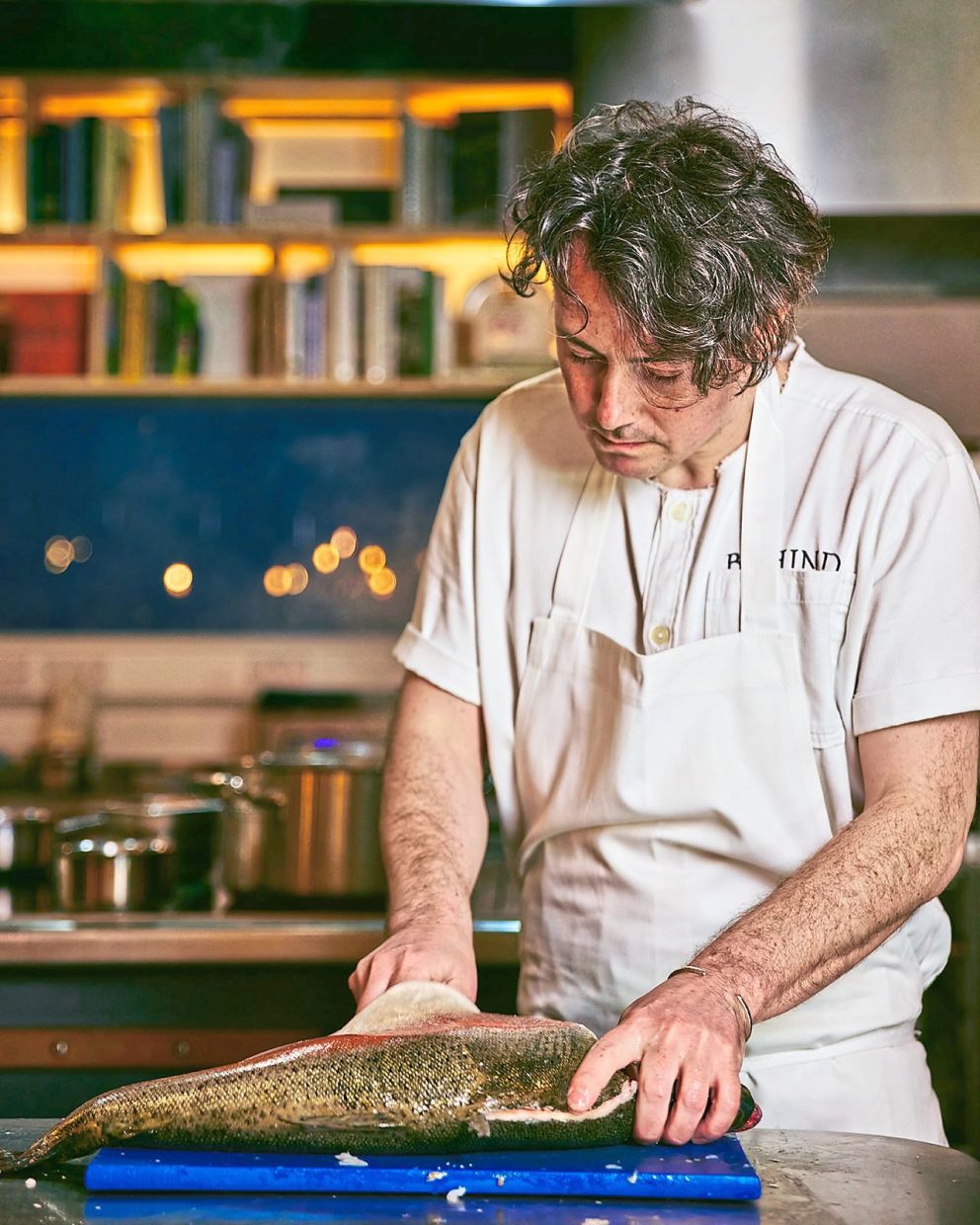
2026 also opened with a bang as Kota Damansara restaurant Carbon just ran a two-night collaboration dinner with famed British chef Andy Beynon, who earned a Michelin star for his London restaurant Behind after only 20 days in operation.
“I do absolutely think that the frequency of collaborations will increase because as time goes on, restaurants and businesses are all hungry for attention because that seems to be the driving force right now that brings in people, so all the businesses are actively looking to collaborate because it increases our social footprint and it keeps us in people’s minds,” says David Tay, the chef-owner of Carbon.
In tandem with collaborations is the growing emergence of celebrity chef-led restaurants.
Last year, celebrated Sri Lankan chef Dharshan Munidasa opened Ministry of Crabs in Kuala Lumpur, while famed Thai culinary mogul Thitid Tassanakajohn opened Sood in Penang. This year, Thitid’s KL restaurant As I Am has just opened in Tuah 1895.
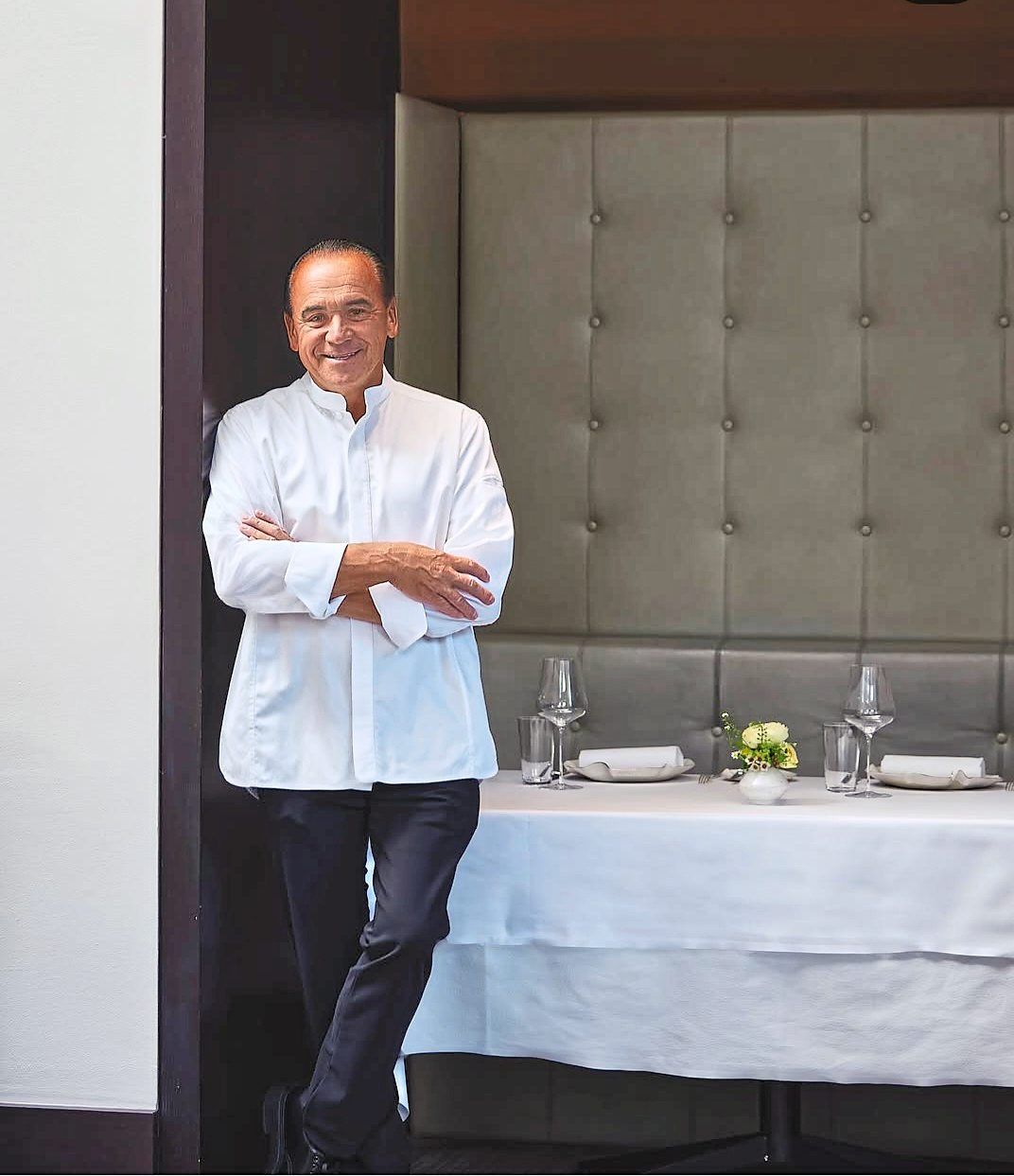
Equally big names are in the works with the opening of the Waldorf Astoria Kuala Lumpur in the latter part of 2026. French-American chef Jean-Georges Vongerichten, for example, will be opening a restaurant called Jean Georges Restaurant & Bar in the hotel. Vongerichten helms an iconic eponymous restaurant in New York, the United States, that has two Michelin stars.
The Waldorf Astoria KL will also feature chef Garima Arora’s new restaurant, Yaari by Garima Arora. Garima is the recipient of the Asia’s Best Female Chef 2018 title and her flagship restaurant, Gaa, in Bangkok, Thailand, has two Michelin stars to its name.
Alternative supper options will flourish
There is nothing quite like the quintessential Malaysian late-night meal. For most Malaysians, midnight hunger pangs are traditionally satiated by a visit to the ubiquitous neighbourhood mamak, an all-time favourite.
Yet in the past few years, other contenders have emerged in the supper segment. Mee Tarik Jalan Sultan, for instance, is a Chinese Muslim outlet that was once a mainstay only along KL’s popular Jalan Sultan stretch, yet in the past year, it has quietly expanded its tentacles throughout the Klang Valley.
The eatery’s popularity is partly to do with the craze for China-based offerings like mala hotpot and regional Chinese cuisine, but equally, much of its appeal is to do with how late its outlets are open.
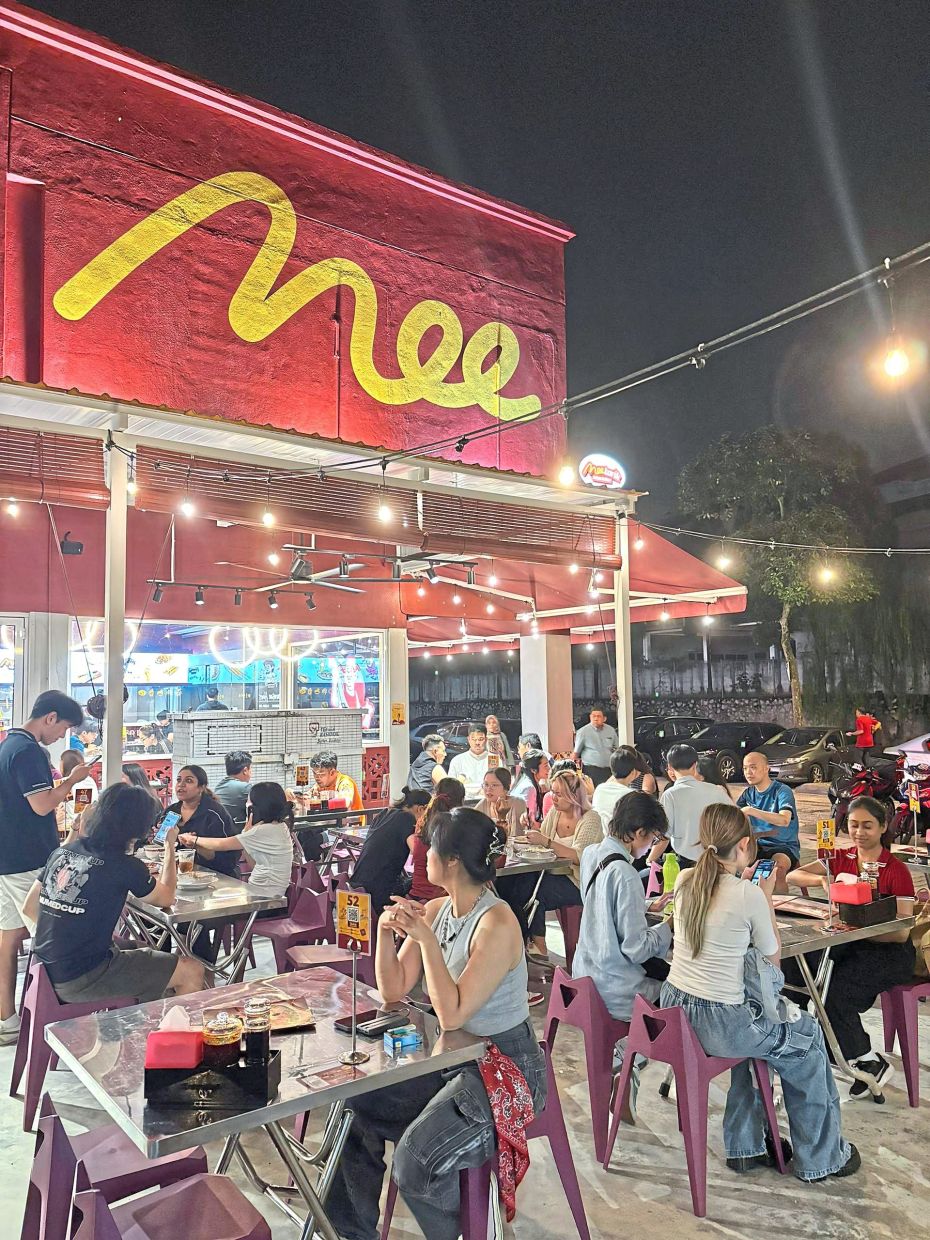
Most of the brand’s outlets are open until 2am (the Jalan Sultan one is open until 6am), which means it is the ideal place for moonlight meals. This is precisely what has spurred its growth as an alternative supper hang-out.
“Our supper dining is definitely very popular because our food is freshly made on-site from the hand-pulled noodles to the broth, so it’s a healthier option, especially for students who like having late-night suppers. So we have a lot more students coming in, maybe also because we play trendy music and we have student discounts as well,” says Ili Sulaiman, the brand manager of Mee Tarik Jalan Sultan.
The brand now has seven outlets throughout the Klang Valley but will be adding at least three more this year with the hopes of going nationwide in the coming years.
“The reason we are not in shopping malls is because we want to have that late-night dining option and not everyone wants to go to the original outlet in KL at midnight. That’s why we have targeted neighbourhood communities, so we are casting our net a bit further,” explains Ili.
Protein consumption will continue to grow
Malaysians are now the biggest consumers of beef and chicken in South-East Asia, totalling 9.5kg per capita per year for the former and 50kg per capita per year for the latter.
This demand for protein continues to grow year-on-year. Meat & Livestock Australia, for instance, projects that demand for beef in Malaysia will grow 5% this year.
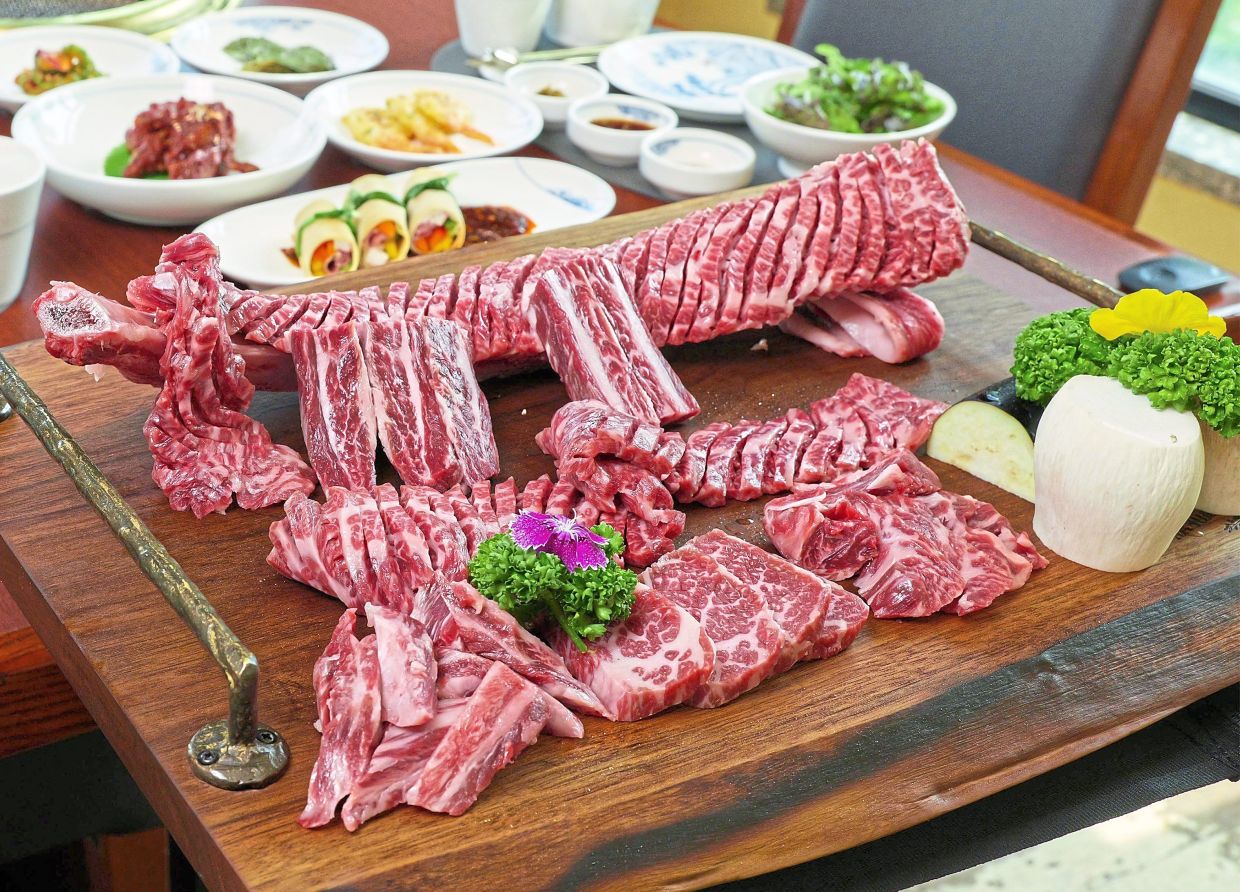
Restaurants are quite literally feeding into this demand, with Chinese Muslim hotpot eateries, Korean barbecue joints and steakhouses predicted to increase to cater to the growing number of meat lovers in Malaysia.
“There appears to be a demand for mainland Chinese cuisine, so I think there will be more halal options as well, especially in the mala hotpot category.
“Also I have a feeling this year there will be more barbecue joints like Beard Brothers with localised flavours and sauces,” says Chin.