Beware: Natural cosmetics are not always 100% natural


Consumers are lured by the tons of cosmetic products in the market that claim to be natural.

Natural cosmetics are increasingly gaining popularity among beauty enthusiasts.

This situation is largely due to the abundance of brilliant marketing strategies and convincing advertisements on social media, billboards and live television, as well as online selling, which is convenient for customers.

In general, these natural cosmetics products claim to not have any synthetic chemical substances in them, as they are mainly made from natural substances such as plants and herbs.

But are they really authentic?

Definition and notification requirement

According to the Malaysian Guidelines for Control of Cosmetic Products, cosmetic products are defined as products used on external parts of the human body (e.g., skin, hair, nails, lips and the outside of the genitals), teeth, or membranes of the oral mucosa, with a main purpose.

Among the purposes are cleansing, fragrance to smell good, changing appearance, improving body odour and protecting or maintaining a particular body part in good condition.

Based on the definition, cosmetics do not consist of make-up products only; they also comprise a wide range of categories such as skincare, bathing products, hair and dental care products, body spray, deodorant, hair dye and shaving cream.

The formulation of a cosmetic product could be sourced from synthetic substances, strictly natural ingredients, or a mixture of both.

Some examples of common natural cosmetic products are aloe vera-based ones, as well as products containing jojoba oil, argan oil and tea tree oil.

All cosmetic products need to obtain a notification from the Health Ministry (MOH) before they can be imported, manufactured, distributed, or sold in Malaysia.

Natural cosmetic products are also subject to this notification requirement.

Cosmetic notification is the process of information declaration of cosmetic products by the company that wants to market the product.

Cosmetic products that have been notified by MOH will be given a notification number.

This notification requires the company to take responsibility to ensure that the products to be marketed are safe and of good quality.

Not only that, any claims stated on the cosmetic product label should meet the cosmetic definition and must be supported with relevant and adequate supporting documents.

What consumers should know

One of the most pressing issues pertaining to natural cosmetics is their unverifiable or excessive claims, which could deliver misleading information to consumers.

Among the examples of claims that are not allowed on the label of cosmetic products are statements that lead to the function of treating diseases, have lasting effects and involve physiological functions such as “being able to restore, heal or stop acne” and “effectively stops dandruff production.”

Claims such as “100% natural,” “free from chemicals”, “no side effects”, or “guaranteed safe” are also often stated on the labels of natural cosmetic products.

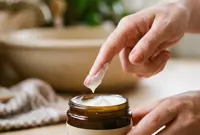
A natural product that works well for one person doesn’t mean it will work well on everyone. — Photos: Pexels

The public should always consider the claims stated by the seller of natural cosmetic products, whether on the product label or its promotional advertisement.

This is because the claim that a product is “100% natural” does not necessarily mean the product contains 100% natural ingredients.

On the contrary, some products might only have a small amount of natural ingredients in them, as opposed to what is stated on the labels or advertisements.

Certain natural cosmetic products are frequently advertised with claims that lack substantial supporting evidence.

Any claims and promotions regarding cosmetic items, especially those with quantitative claims, must be proven with supporting documentation that includes scientific methodologies and analyses.

In addition to claims and advertisements, the possibility of side effects or allergies should also be considered by individuals who want to purchase or use natural cosmetic products.

Remember, the claim that all natural cosmetic products are safe is not necessarily true.

Some natural products could cause side effects or allergic reactions in users, especially those with sensitive skin.

For example, clove, lavender and peppermint essential oil products may cause irritation to the skin.

The safety of natural cosmetic products is closely linked to their stability and shelf life.

Natural cosmetics have to be manufactured in a facility with Good Manufacturing Practice (GMP) certification to minimise the risk of contamination by foreign substances and to ensure the products are safe and of high quality.

Products contaminated with microorganisms, such as bacteria and fungi, are very susceptible to deterioration and can pose health risks to consumers.

Advice for the general public

Sellers frequently employ exaggerated assertions to enhance public trust and generate interest in purchasing the advertised products.

Influenced (and perhaps gullible) people will purchase and use the product without considering the potential for deception and will have a strong belief that the product is free of any harmful effects.

So, exercise caution when choosing and using natural cosmetic products.

It is also important not to be easily influenced by persuasive testimonials and gimmicks about a cosmetic product.

Bear in mind that any product that is suitable for others might not be suitable for you as each individual has different types of skin and reacts differently to the ingredients in the cosmetic products.

To prevent this from happening, consumers must be able to choose the most suitable cosmetic products for themselves.

Consumers are also advised to meticulously read the labels and the list of ingredients before purchasing these products.

They are also encouraged to check the notification status of the cosmetic products on the official website of the National Pharmaceutical Regulatory Agency (NPRA) at www.npra.gov.my before purchasing.

To check the status of the cosmetic product notification, use the “Product Search” feature (or “Carian Produk Berdaftar/Bernotifikasi” for the Bahasa Malaysia version).

The customer should store the natural cosmetics according to the suggested recommendation on the packaging.

Proper storage, such as maintaining the right temperature and protecting them from direct sunlight, may prevent the deterioration of cosmetic products.

Furthermore, it is advisable to use a spatula, spoon or earbuds when scooping or squeezing the creams/gels to minimise the potential for contamination.

Essential oils are very popular, especially among women, but many of the products only have small amounts of natural ingredients in them.

If there is a side effect or allergic reaction, consumers are advised to stop using the product.

If the side effect becomes more serious, the public should immediately seek advise from a medical practitioner and lodge a report to NPRA through the Adverse Cosmetic Event Report Form (Appendix 1), which can be obtained from the Guide Manual for Adverse Event Reporting (available for download at the NPRA website).

Similar to other beauty products, it is vital to thoughtfully assess the choice and use of natural cosmetics.

Fully examine the information on the products prior to purchasing or using them.

This precautionary step is important to ensure that the benefits of cosmetics can be obtained while minimising any harmful side effects.

Siti Sarah Syahirah Kushairi is a pharmacist at Hospital Raja Perempuan Zainab II, Kota Bharu, Kelantan. This column is courtesy of the Health Ministry’s Pharmacy Practice and Development Division. For more information, email starhealth@thestar.com.my. The information provided is for educational and communication purposes only, and should not be considered as medical advice. The Star does not give any warranty on accuracy, completeness, functionality, usefulness or other assurances as to the content appearing in this article. The Star disclaims all responsibility for any losses, damage to property or personal injury suffered directly or indirectly from reliance on such information.

Get 20% OFF The Star Digital Access

Monthly Plan

RM 13.90/month

RM 11.12/month

Billed as RM 11.12 for the 1st month, RM 13.90 thereafter.

Best Value

Annual Plan

RM 12.33/month

RM 9.87/month

Billed as RM 118.40 for the 1st year, RM 148 thereafter.

Follow us on our official WhatsApp channel for breaking news alerts and key updates!

Next In Health

Can our bodies adapt to heatwaves?�
When water takes lives�
What is a head spa?
How elections can affect our emotions
Nutrition during the golden years�
When you're trapped by an earthquake
No, creatine won't make you go bald
Doctors, please treat the woman, not just her cancer
Rabies reemerges in Europe due to disruptions in wildlife vaccinations
Pack these essentials when you're working out outdoors

Others Also Read