When kids pretend to kill


By AGENCY
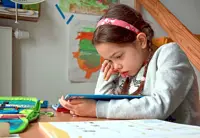
Banning play shoot-outs can be counterproductive, according to psychologists, even if some parents think this behaviour can be dangerous. — Rik Rey/Westend61/dpa

They pull the trigger on a toy gun, or maybe it’s just a stick they pretend is a gun, and shout “Bang, bang!”

Their playmate, and make-believe victim, is then supposed to fall down and play dead.

The game is great fun for young children, giving them a feeling of power.

Many adults take a dim view of pretend gunplay though, worrying it could lead to real armed violence later.

Some even forbid it whenever they can.

And yet, child psychologists and child guidance counsellors mostly dismiss such fears and say kids’ gunplay isn’t dangerous – so long as the guns aren’t real, of course.

”When children play, they process their experiences and what’s occupying their mind,” remarks Kerstin Lueking, a midwife and mother of seven.

She knows from personal experience that at some point, parents will see their child playing shoot-’em-up games.

Family psychologist Annika Roetters is quite familiar with adult disapproval of children’s pretend-shooting games.

But she notes: “Unlike adults, children aren’t able to fully think through the consequences (of hypothetically shooting someone).”

They don’t, in actuality, want anyone to die, she says.

Gun-related play can serve various purposes, according to Roetters.

In extreme cases, the child has had a traumatic experience and is processing it.

“Perhaps the child simply has an uncle who belongs to a gun club or whose mother is a police officer,” she points out.

“Children’s games often have a make-believe element,” says Bettina Meisel, chairwoman of the Association of Analytical Child and Adolescent Psychotherapists in Germany (VAKJP).

When at play, children take on a role or ability that they don’t have in real life.

Or they re-enact something from real life in order to assimilate it.

There are some forms of pretend gunplay that may justifiably disturb parents though, “namely when the child exhibits hatred,” Meisel says.

Parents should then prick up their ears and try to learn where the hatred comes from.

The joyful aspect of play should be at the forefront.

“If the game isn’t grim, emotions aren’t harsh and everything’s free and easy, then there’s nothing fundamentally wrong with pretend- shooting games,” she says.

Does that mean parents shouldn’t forbid them?

“Well,” she replies, “kids usually look for a way out or an alternative when they’re forbidden from doing something that’s fun for them.”

Roetters takes a similar view: “So long as weapons are part of the real world and children are confronted with them in books, stories, radio dramas and movies, I don’t think it’s advisable to declare a blanket ban on gunplay.”

Forbidding children from handling real weapons is different, she adds.

She suggests limiting the amount of playtime or places for pretend-shooting games.

A family rule could be that the living room is off limits to water pistols, for instance.

“I’ve learned it never makes sense to forbid children from doing something simply because it’s not considered good form and fits a certain cliche,” says Lueking.

“I always say that talking about it helps.”

This means listening to children, taking them seriously and hearing them out.

“The best thing that mothers and fathers can do is to give them their head and trust them,” says Lueking, though this doesn’t mean parents should accept everything.

“The attraction of frowned-upon toys fades only when the little ones are allowed to try them out.”

Meisel’s tip for parents who aren’t enamoured of their child’s pretend gunplay is to tell the child, for example, “If you shoot me, I’ll be dead and can’t make your supper.”

“For children to develop a capacity for empathy, you could argue it’s important that they also act out power imbalances while playing, and assume all possible roles,” remarks Roetters.

To temporarily upset the family’s normal power structure, she says everyone could be given a water pistol for a water fight.

Lueking recommends setting clear rules for play with water pistols, such as not squirting anyone in the eye and not shooting at anyone who’s not a participant in the water fight.

Anyone breaking the rules should have their water pistol taken away immediately. – dpa

Get 20% OFF The Star Digital Access

Monthly Plan

RM 13.90/month

RM 11.12/month

Billed as RM 11.12 for the 1st month, RM 13.90 thereafter.

Best Value

Annual Plan

RM 12.33/month

RM 9.87/month

Billed as RM 118.40 for the 1st year, RM 148 thereafter.

Follow us on our official WhatsApp channel for breaking news alerts and key updates!
Parenting

Next In Health

Can our bodies adapt to heatwaves?�
When water takes lives�
What is a head spa?
How elections can affect our emotions
Nutrition during the golden years�
When you're trapped by an earthquake
No, creatine won't make you go bald
Doctors, please treat the woman, not just her cancer
Rabies reemerges in Europe due to disruptions in wildlife vaccinations
Pack these essentials when you're working out outdoors

Others Also Read