More young children seeking help for eye problems


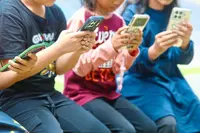
Just under 10% of children aged seven in Malaysia have myopia , but this increases to over one-third of teenagers by the age of 15. — Filepic posed by models

It is estimated that around 80% to 90% of the learning process is based on vision.

A child may pass a visual acuity eye examination and have 20/20 eyesight, but he could still have an undetected vision problem, which can limit the learning process and cause developmental delays.

With the overwhelming mushrooming of online learning and virtual classrooms, children are becoming increasingly exposed to electronic screens for education and leisure.

The extended hours spent glued to these screens – often with inadequate lighting and improper posture – places significant demand on the child’s eyes, and unsurprisingly, is contributing to poor eye health.

If your child has itchy, blurry, teary or red eyes, it could be symptoms of an eye problem, most likely due to digital eye strain.

“Sometimes, they might start blinking more often, sit closer to the television or copy their homework wrongly because they can’t see,” says ophthalmologist Dr Manoharan Shunmugam.

“These could be some of the first signs and symptoms of eye damage and they are usually subtle – parents are the best to pick them up as they know their kids best.

“Look out for very subtle changes in behaviour or performance.

“If in doubt, get it checked. It will save a lot of time and heartache in the long run.”

Children are completely reliant on their parents or carers to look out for them.

He explains, “Unfortunately, having no prior experience or reference, it makes it impossible for a child to tell you that there is something wrong with their senses.

“If a child’s vision has always been blurry, that’s what they think the world is – a blur.

“They will never know to ask for spectacles.

“If they’ve always had difficulty seeing colours, like in some retinal conditions, they will never have seen the full spectrum of colours that most of the population see, and so will sometimes get colours mixed up.”

Potential lifelong consequences

Some children have such poor vision that they can’t read or see the blackboard, causing them to act up.

Myopia is a condition in which the eye cannot focus light properly, so that close objects look clear, but distant ones appear blurry. — AFP

Dr Manoharan says, “This makes them crave stimulation from other senses; they become fidgety and physically active.

“They are then (mis)labelled as attention-deficit or just plain naughty, and are punished at school and at home – and all they really need are glasses!

“Some children have a problem in only one eye, but because the vision in the other eye is good, they unconsciously compensate and carry on, unaware of their problem.”

Despite the fear of going to healthcare facilities during this current Covid-19 pandemic, he notes that there has been an increase in the incidence of children attending eye clinics.

Among the eye issues affecting children are nearsightedness (myopia) and lazy eye (amblyopia).

Nearsightedness is a condition in which people can see close objects clearly, but objects farther away appear blurry.

It occurs if the eyeball is too long or the cornea (the clear front cover of the eye) is too curved.

Lazy eye is reduced vision in one eye caused by abnormal visual development early in life – the weaker or lazy eye often wanders inward or outward.

The ophthalmologist says: “Uncorrected refractive errors are critical to be addressed, as they frequently affect children who do not usually complain of visual symptoms, especially if it only affects one eye.

“Left uncorrected in the first decade of life, it is likely that these children will be left with life-long visual impairment of variable severity in one or both eyes in the form of amblyopia.

“It is, therefore, imperative that children are screened at regular intervals, and that this initiative is adopted nationally and executed by all eyecare providers.”

Can’t see afar

It may be hard to tear a child away from an interesting show or video game, but parents need to ensure that they follow the 20-20-20 rule to help maintain good eye health. — Filepic


Worldwide, it is estimated that 1.4 billion people are myopic, with 163 million categorised as having high myopia.

Published reports on the frequency of myopia in Malaysia show a relatively lower rate at 9.8% in children seven years of age, which increases to 34.4% by the age of 15.

“Overwhelming evidence has shown that sustained, intense near work is significantly linked to the onset of myopia in children, and possibly, the progression of myopia, particularly in young adult-onset myopia.

“With the recent movement control order and extended periods of indoor activity and gadget use, children are especially prone to developing refractive errors,” says Dr Manoharan.

Many studies also show that myopia is not just related to genetics, even though there have been numerous genes found to predispose to myopia.

Environmental factors have been proven to have an effect as well.

“Children are most susceptible until the age of 12, but myopia can still arise until adulthood as many people have experienced.

“Experiments have shown that vision deprivation, prolonged accommodation and a lack of outdoor activity are risk factors,” he says.

He adds that while there is a possible relationship between the amount of time spent outdoors and the risk of myopia – i.e. the more time spent outdoors, the less the risk – once myopia occurs, outdoor activity alone may not halt its progression.

While the Atropine in the Treatment of Myopia (Atom-2) study – carried out over five years and published in 2016 – revealed that atropine 0.01% eye drops could slow down the progression of myopia, it requires lengthy, consistent usage and close monitoring by an ophthalmologist.

Dr Manoharan adds: “In spite of this, if a child continues using electronic gadgets for a prolonged period, then its benefits will likely be negated.

“Most children are born with perfect eyes. All we have to do is look after them.

“Rubbing them too much, for example, if you have allergic eye conditions, can cause astigmatism or even thinning of the corneas.”

Maintaining good vision

Those who like to read in bed lying down with the book in the air seem to be prone to myopia, likely because they are reading with inadequate lighting. — 123rf.com


Before the era of electronic devices, there were already people becoming myopic, with some requiring very high power glasses to correct their vision.

“Many anecdotally say they were avid readers in their childhood.

“Reading, or doing anything at an excessively close range for extended periods of time, especially when you are at a young age (below 12) has been shown to cause myopia.

“And poor lighting exacerbates this.

“Yes, those who read in bed lying down with the book in the air are likely to experience myopia as well,” says Dr Manoharan.

Once a child has been screened and is found to have normal vision, parents just need to ensure that this is maintained.

To prevent vision problems, it is important that good visual hygiene be practised.

He says that the steps are simple and not following them (especially in childhood) can lead to a lifetime of bad habits, which then become much more difficult to unlearn.

This is what Dr Manoharan advises:

> Maintain good posture

This is especially so when reading or writing at the table.

This is to ensure that your child doesn’t get too close to the book or electronic device.

> Ensure adequate lighting

Nowadays, the computer screen effectively becomes a mirror when there is a bright light behind you, such as sunlight through a window.

Position yourself appropriately to reduce the glare or shade your window when it’s too sunny.

> Do not read in low light

This applies particularly to those who like to read in bed.

Get a small angle-poise lamp or other appropriate lights to provide enough illumination.

> Avoid screen time before bed

Ban any electronic devices three to four hours before your child goes to bed.

This is as the blue light they emit, while harmless, can wreak havoc with the sleep-wake cycle due to its effect on melatonin production.

Instead, get them to browse through those good old books or magazines – with the appropriate lighting, of course!

> Set the screen refresh rate to maximum

Most computer monitors allow a maximum screen refresh rate of 50Hz to 60Hz, although more expensive monitors can go much higher.

This will help to reduce eye strain and fatigue.

Also, set the screen contrast a little higher so that the overall brightness can be reduced.

This also helps to reduce fatigue if your child is using the computer for lengthy periods.

> Place the screen at the right height

Ensure that the computer screen is placed at an appropriate height, with the top of the screen at your child’s eye level, so that they are not straining their neck by looking down all the time.

Ensure that your children also have ergonomic chairs so that they will maintain their posture.

Remember that they may need a taller chair as they’re usually much shorter than adults.

Foot rests may also be necessary so that they can rest their feet comfortably and not perch on the edge of their seats.

Keep them comfortable and they’re less likely to fidget during an online class.

> Follow the 20-20-20 rule

Lastly, give the kids breaks and ensure that they follow the 20-20-20 rule of looking away from the electronic device every 20 minutes for at least 20 seconds at an object 20 feet (6m) away.

And that includes while playing video games too!

Practice simple prevention

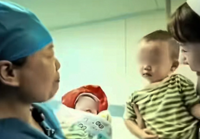
Dr Manoharan, who is examining the vision of a young child here, notes that children who have had vision problems from young will think that that is the world looks, and not realise that they actually have a problem. — Oasiseye Specialists


At present, Dr Manoharan says there is no solid evidence that any accessories can help protect one’s eyes and vision, other than reducing the amount of electronic device usage and ensuring that there is adequate lighting when reading books or magazines.

“As the old adage goes, prevention is better than cure, especially when the latter is unlikely with our current technology.

“With electronic devices being increasingly used for education and in the classrooms, avoiding them may be impossible,” he notes.

A good rule of thumb for prevention is to ditch anything electronic and try to get an equal amount of outdoor exposure to sunlight, which will also help with vitamin D levels.

Playing with real (physical) toys rather than screen-based devices is also preferable, he says, as it helps stimulate a child’s other senses as well.

Plus, there are social benefits of playing team-based or competitive sports with friends.

Generally, a healthy balanced diet with adequate hydration will ensure healthy eyes, for both children and adults.

“Simple eye exercises such as looking in all quadrants are harmless, but unnecessary, unless prescribed by an eyecare professional for certain conditions.

“Harmful exercises, such as massaging the eyes with any amount of pressure, are sometimes encouraged on social media, but can be dangerous to the eyes and vision,” he says, adding that pressing the eye in any way or form is discouraged.

“There have been cases of blindness from various conditions, which have been caused by people vigorously rubbing their eyes for some reason.

“So, if your eyes are itchy, try to get to the root cause and treat it, rather than taking matters into your own hands ... literally!” he cautions.

Get 20% OFF The Star Digital Access

Monthly Plan

RM 13.90/month

RM 11.12/month

Billed as RM 11.12 for the 1st month, RM 13.90 thereafter.

Best Value

Annual Plan

RM 12.33/month

RM 9.87/month

Billed as RM 118.40 for the 1st year, RM 148 thereafter.

Follow us on our official WhatsApp channel for breaking news alerts and key updates!

Next In Health

When water takes lives�
What is a head spa?
How elections can affect our emotions
Nutrition during the golden years�
When you're trapped by an earthquake
No, creatine won't make you go bald
Doctors, please treat the woman, not just her cancer
Rabies reemerges in Europe due to disruptions in wildlife vaccinations
Pack these essentials when you're working out outdoors
Faking an illness to gain sympathy

Others Also Read