You can make a difference with CPR


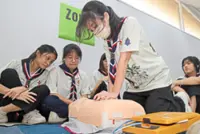
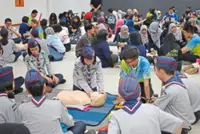
Doing CPR on a cardiac arrest patient can increase their survival by two to three times, compared to not doing CPR. — Filepic

When cardiac arrest occurs, the heart stops pumping blood.

Permanent brain damage begins after four minutes without oxygen, and death can occur four to six minutes later.

Minutes matter when someone collapses from a cardiac arrest.

Knowing what is happening means that you can respond quicker, and maybe save a life.

There is a difference between cardiac arrest and a heart attack.

A heart attack is when one of the coronary arteries that supply the heart becomes blocked.

The heart muscle is robbed of its vital blood supply, and if left untreated, will begin to die as it is not getting enough oxygen.

This increases the risk of the victim going into cardiac arrest.

Cardiac arrest is when a person’s heart stops beating, and they stop breathing normally or are only gasping.

Someone in cardiac arrest will collapse, stop breathing and have no pulse.

That’s the time to begin bystander CPR (cardiopulmonary resuscitation).

Improving survival

The first step is the most important: call 999 from a landline or 112 from a mobile phone.

Once you’ve reported the emergency, you can begin chest compressions.

If you are with someone else, get that person to make the call while you begin CPR.

Kneel beside the victim. Place the heel of one hand on top of the other. Lock your elbows.

Aim for the middle of the chest between the nipples, and push hard and fast at 100 to 120 pushes a minute (Hint: The correct rhythm can be achieved by pushing to the rhythm of the Bee Gee’s song Stayin’ Alive).

Don’t stop CPR until the medical professionals arrive.

Bystander CPR offers many survival advantages: it is associated with a two- to three-fold increase in survival when compared to victims who had no CPR before the arrival of emergency medical services personnel.

Research shows that hands-only CPR (without mouth-to-mouth resuscitation) performed by a bystander is just as effective in the first few minutes of sudden cardiac arrest.

Hands-only CPR helps pump blood throughout the body and sends oxygen to the brain and vital organs, giving the person a better chance at survival until medical help arrives.

You only need your two hands to help someone survive a cardiac arrest.

“For every 60 seconds that pass, chances of surviving drops by 10% without CPR,” explains consultant emergency medicine physician Dr Patrick Cheah.

“After 12 minutes, if CPR is not administered, survival is rare.”

Research also shows that the use of an automated external defibrillator (AED), in addition to bystander CPR, can significantly improve survival and outcomes by up to 75%.

Be ready

Out of Hospital Cardiac Arrests (OHCA) occur at homes/residences (69.5%), public settings (18.8%) and nursing homes (11.7%).

“As the majority of OHCA happen at home, if you are trained to perform CPR, you will be grateful to have the skills and training to help someone you love when their life depends on it,” says Dr Cheah.

Not living with someone who has chronic health conditions at home, therefore, you are less likely to administer CPR?

This is not the case at all.

Says Dr Cheah: “Cardiac arrest doesn’t just happen to people with chronic health conditions.

“Choking, traumatic accidents, drowning and electrical shock can all lead to a person going into cardiac arrest.

“Some health conditions like heart disease, infections, allergic reactions and others can also contribute to a sudden cardiac arrest event.”

Cardiac arrest can happen fast and when you least expect it.

Be ready to help someone in a life-threatening situation by learning CPR, and using your knowledge and skills to assist them until medical personnel arrive.

You don’t need formal training to know how to perform CPR; you just need to sign up for a CPR course.

“You may or may not ever have to use your CPR skills. But at least you have the skills and confidence to help in emergency situations.

“This fact alone could make a difference in somebody’s life,” says Dr Cheah.

Get 20% OFF The Star Digital Access

Monthly Plan

RM 13.90/month

RM 11.12/month

Billed as RM 11.12 for the 1st month, RM 13.90 thereafter.

Best Value

Annual Plan

RM 12.33/month

RM 9.87/month

Billed as RM 118.40 for the 1st year, RM 148 thereafter.

Follow us on our official WhatsApp channel for breaking news alerts and key updates!
CPR , heart attack

Next In Health

Malaysians are not ageing well
Can our bodies adapt to heatwaves?�
When water takes lives�
What is a head spa?
How elections can affect our emotions
Nutrition during the golden years�
When you're trapped by an earthquake
No, creatine won't make you go bald
Doctors, please treat the woman, not just her cancer
Rabies reemerges in Europe due to disruptions in wildlife vaccinations

Others Also Read