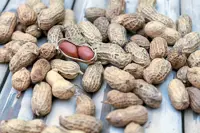
Faecal transplants that adjust the assortment of bacteria in the intestines can ease severe peanut allergies in some patients, a pilot study suggests.
Researchers recruited 10 young adults with severe peanut allergies who reacted to mere traces of peanuts and had them swallow frozen "poop pills” containing faeces – including strains of helpful bacteria – from donors with healthy gut microbiomes.
Three months later, three participants could tolerate eating multiple peanuts, researchers reported in Science Translational Medicine.
In the next round of the study, another five volunteers took antibiotics before the fecal transplant to see if the donor bacteria transferred more successfully when they didn't have to compete with the participants’ own resident gut microbes.
Three of the five improved in peanut tolerance and ingested more than four peanuts before reacting, suggesting the antibiotics did increase the efficiency of the microbiome transfer.
Blood tests showed those who responded to the therapy had increased levels of so-called bile salts, which help the small intestine break down fats for better absorption.
The beneficial bacteria from the faecal transplants seemed to be more adept at processing bile salts than the original bacteria in the allergic participants.
In additional experiments, the team also found that by helping to process the bile salts, the good bacteria increased levels of immune cells that protect from allergic reactions.
"This landmark study was the first to demonstrate that a microbiome-based therapy may improve food allergy in people while also revealing how gut bacteria, their metabolites, and the immune system work together to influence treatment response,” study leader Dr Rima Rachid of Boston Children’s Hospital said in a statement.
"Larger studies of faecal and microbiota transplantation are now essential to confirm these findings, identify the patients most likely to benefit, and discover beneficial bacteria that could be developed into targeted probiotic therapies for food allergy,” she said. – Reuters