



The message arrived at 12.04am. It started with a laugh emoji, followed by a screenshot, then a barrage of cruel comments and a private photo.
Within minutes, the digital wildfire had ripped through three classroom groups, moving faster than any parent could have anticipated. In the next room, her parents slept soundly. They believed their daughter was perfectly safe. After all, her bedroom door was shut, her school uniform neatly ironed for the next morning.
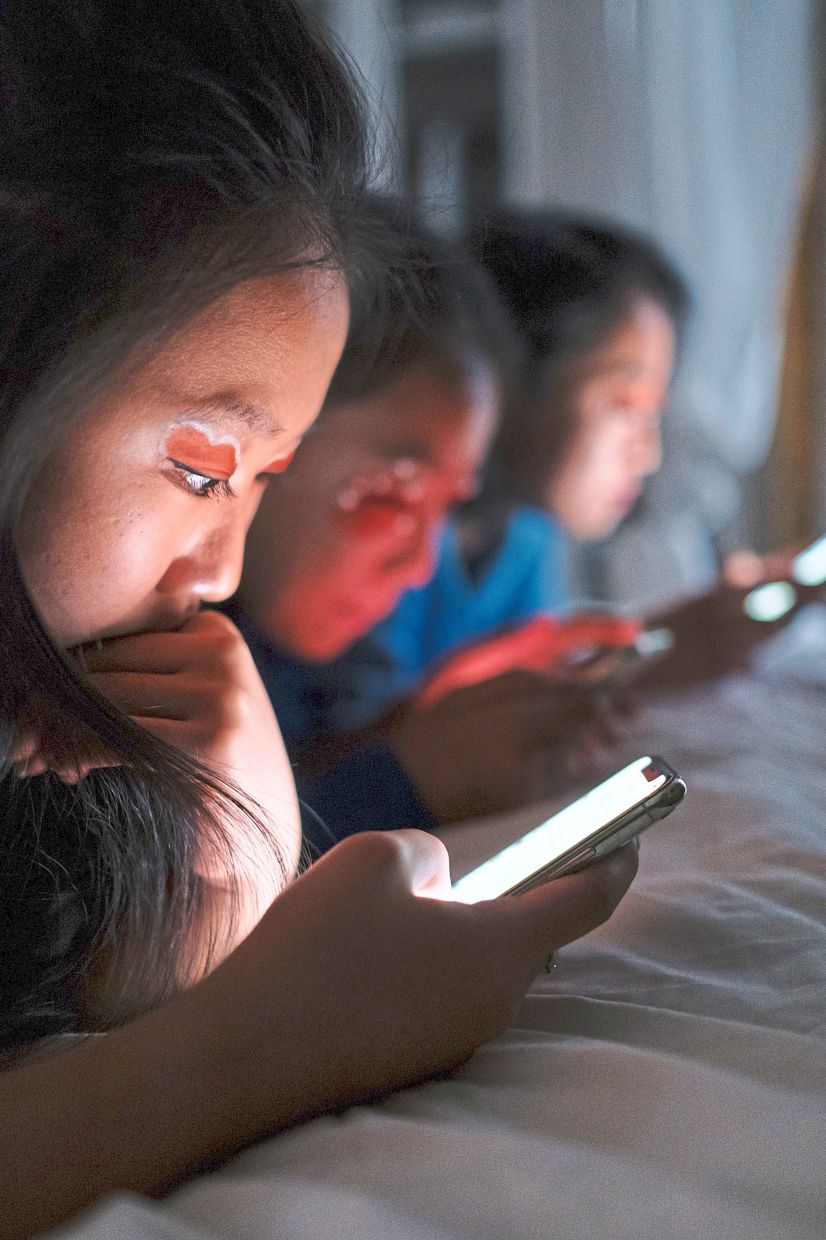
But behind that closed door, the glow of a smartphone illuminated a frozen, terrified face. No intruder had climbed through her window; no one had followed her home.
The threat had entered quietly through the device she held in her hand. By morning, she refused to get out of bed. By afternoon, her lunch remained untouched. By evening, her mother finally realised something was wrong, not because the phone had made a sound, but because her child had gone completely silent.
This is the new face of childhood harm. It does not leave bruises nor happen in dark alleys. Today, harm can enter through a chat group, gaming chat, social media message, comment or a photo shared “just for fun”.
And sometimes, the most dangerous place for a child is not outside the house. It is inside the screen. Technology has become part of childhood. Children use gadgets to learn, play, watch videos, chat with friends and keep up with schoolwork.
The Internet is not the enemy. It connects, educates and entertains. But like any powerful tool, it can harm when children are left to navigate it on their own.
The Women’s Centre for Change (WCC) reminds parents that cyberspace is now where children meet, share and build friendships. It is also where grooming, sextortion, harassment, cyberbullying and doxxing can occur.
The abuse may not involve physical contact, but the emotional damage can be severe. This is why parents must stop thinking of the online world as “just screen time”.
Our children are not merely watching screens; they are living parts of their lives through them.
Hurting in silence
The National Health and Morbidity Survey (NHMS) 2022 reported that among Malaysian adolescents, one in four felt depressed, one in eight had suicidal thoughts, and one in 10 had attempted suicide.
The Internet may not be the cause, but it can magnify existing vulnerability when humiliation, bullying and exploitation happen online. Cyberbullying is not simply teasing. It can include cruel messages, fake profiles, rumours, hacking and sending threats or humiliating photos.
CyberSecurity Malaysia’s guide explains that cyberbullying can distress, humiliate or target a child using digital technology, and warns that parents and teachers may take hurtful online posts too lightly without realising how deeply they can affect a child.
The painful part is that many children do not tell adults. They fear losing their phone, being blamed or scolded. Some feel ashamed. Some think they caused the problem. Some believe no one will understand.
As parents, we must understand this silence. A child who is being harmed online may not walk into the living room and say, “I am being cyberbullied”.
Instead, the signs may be subtle. They may become nervous when notifications arrive. They may suddenly hide their screen when a parent walks past. They may withdraw from family, avoid school, lose interest in activities, sleep poorly, lose appetite, become irritable, or show a sudden drop in school performance.
The WCC guidebook lists these as important red flags for parents and teachers.
We must also recognise that excessive gadget use affects more than emotions. Long hours on screens can disturb sleep, reduce physical activity, worsen posture, contribute to eye strain and reduce real life interaction.
Uploaded evidence on gadget use highlights links with sleep problems, obesity risk, digital eye strain, poor posture, anxiety, depression and attention difficulties.
The newer American Academy of Pediatrics policy statement also reminds us that today’s “digital ecosystem” is shaped by algorithms, endless scrolling, autoplay and engagement-based designs that are built to hold attention, often beyond what is healthy for children.
Proactive steps
So what should parents do?
First, talk before trouble starts. Ask what apps they use, who they speak to, and whether anyone online has made them uncomfortable. Make online safety part of normal family conversation.
Ask: “What apps do you like?” “Who do you talk to online?” “Has anyone ever made you uncomfortable?” “What would you do if someone asked you to keep a secret online?”
Second, set family screen rules. Decide when, where and how devices are used. Keep meals and bedrooms as screen-free as possible.
Third, teach privacy. Names, schools, addresses, passwords, locations and private photos should not be shared. If it does not belong on a school noticeboard, it does not belong online.
Fourth, respect age limits. Do not teach children to lie about their age just to enter online spaces they may not be ready for.
Fifth, check our own habits. Children notice when our phones get more attention than they do.
Sixth, build trust before control. A frightened child may hide the truth. A trusted child is more likely to ask for help.
Seventh, teach the rescue steps. Stop replying. Tell an adult. Take screenshots. Block. Report. Change passwords. Seek help.
Most importantly, let every child know this: “If something goes wrong online, you can come to me. I will not blame you. We will face it together.”
If your child tells you something frightening, pause before reacting. Do not shout and snatch the phone immediately. Avoid, “Why were you so foolish?” Your first words matter. Say: “Thank you for telling me. I am glad you came to me. This is not your fault. We will handle this together.” That sentence may be the bridge between shame and healing.
If there are threats, sexual images, blackmail, grooming, stalking or physical danger, involve the school, police, Social Welfare Department or relevant authorities.
CyberSecurity Malaysia advises parents not to ignore, panic or overreact when a child is cyberbullied. We must also shift our mindset as a society.
Online safety is not only a “parent problem”. Everyone has a role. Malaysia’s new under-16 social media rule is an important step, but no law can replace what happens at home: guidance, supervision and calm conversations. Children need digital literacy, emotional literacy and adults they can safely turn to.
The Internet is not going away. Nor should it. It is where children learn, create, connect and dream. But childhood should not be surrendered to algorithms, strangers and silent suffering.
In the past, parents taught children how to cross the road: stop, look, listen, hold an adult’s hand.
Today, we must teach them how to cross the digital road too.
Dr Naveen Nair Gangadaran is a paediatrician and committee member of Malaysian Paediatric Association(MPA) and Prof Dr Thiyagar Nadarajaw is a consultant paediatrician and AIMST University Faculty of Medicine dean. The views expressed here are the writers’ own.
