



Each morning, 17-year-old Ramati Mangla sets off barefoot with a steel pot in hand, walking several kilometres to fetch water from a distant spring in India’s Maharashtra state.
By the time she returns, school has already started.
“I have kept my books,” she said. “But what if I never get a chance to go back?”
In the drought-hit villages of Maharashtra’s Nashik and Nandurbar districts, wells are drying up and rainfall has become increasingly erratic – forcing families to adapt to harsher living conditions.
As men migrate to nearby cities in search of work, girls like Mangla are left to take on the responsibility of collecting water.
It’s a chore that can take hours each day and leaves little time for school.
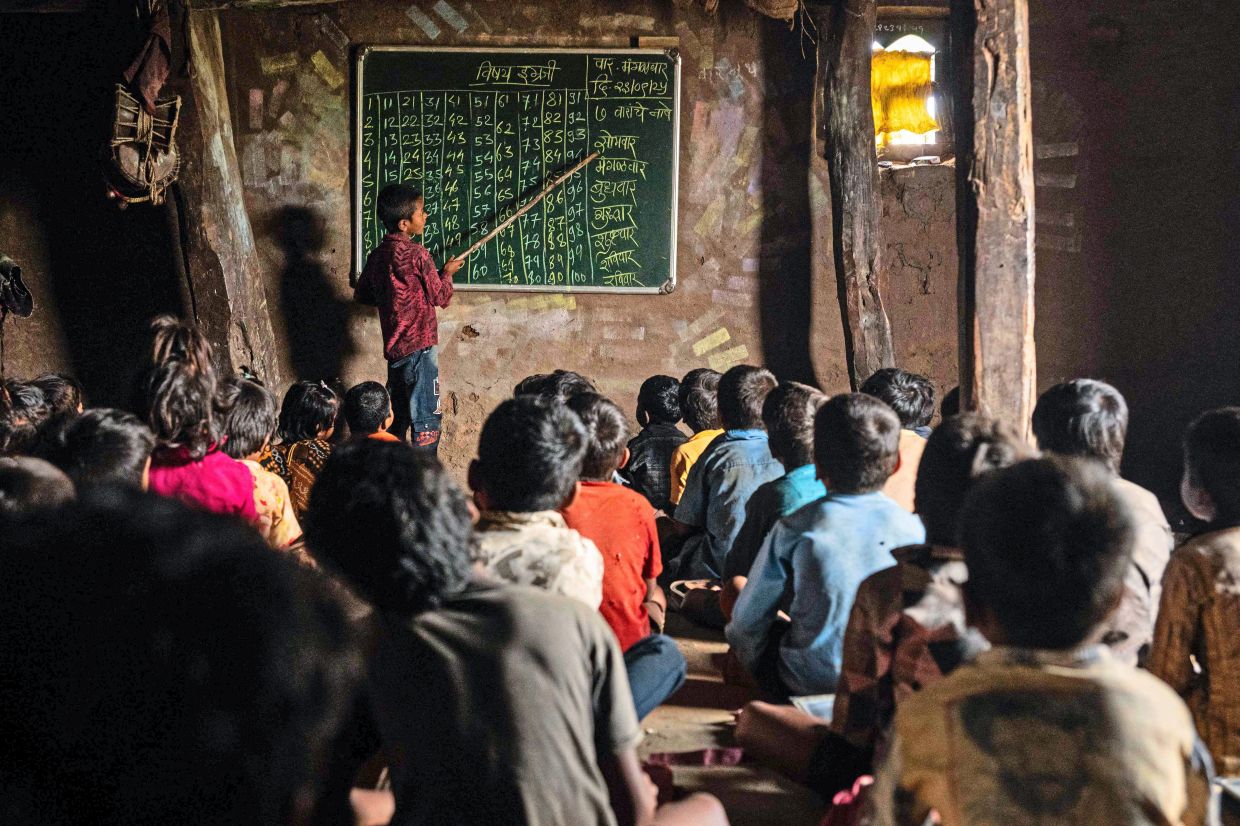
Local officials estimate that nearly two million people in these regions face daily water shortages.
A 2021 Unesco report warned that climate-related disruptions could push millions of girls worldwide out of classrooms.
It is a pattern already visible across India’s rural heartlands.
Teachers say attendance among girls has sharply dropped in recent years, particularly during the dry months.
Many families, struggling to survive, see no option but to keep their daughters home or marry them early.
“Children living in drought prone areas, with family responsibilities for fetching water, struggle with attending school regularly – as collecting water now takes a longer time due to water scarcity and pollution,” the United Nations children’s fund wrote in a report.
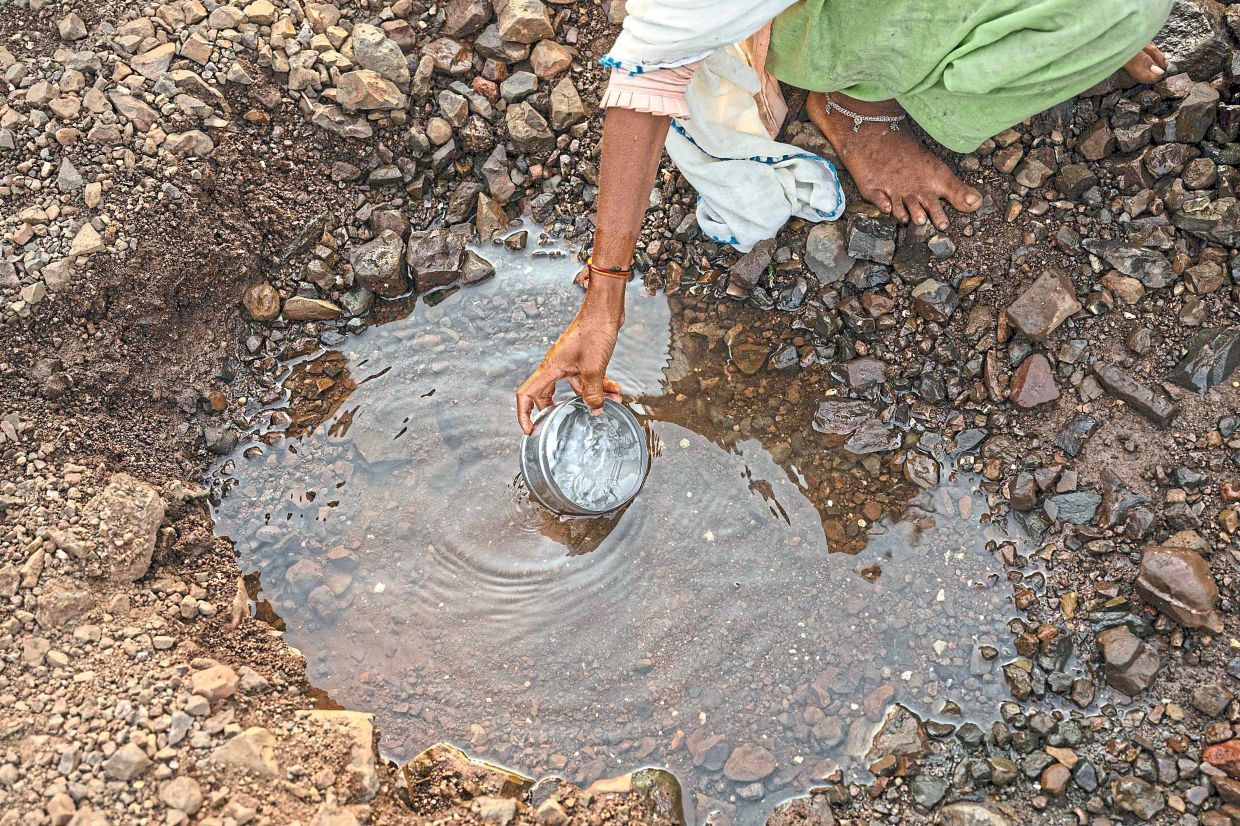
For Mangla, and many other girls across India, climate change is turning the simple act of fetching water into a choice between survival and education.
Mangla’s story has been spotlighted alongside a photography series shot by Shefali Rafiq for the 2025 Marai Photo Grant, an award open to photographers from South Asia aged 25 or under.
The theme for 2025 was “climate change” and its impact on daily life and the community of the photographers who enter. – AFP
