It often starts subtly and goes unnoticed – a snide comment in the school hallway or a cruel joke in a group chat.
But sometimes, those small acts of meanness escalate into something far more devastating.
For 13-year-old Zara Qairina Mahathir, what began as bullying ended in tragedy, shaking the nation and forcing Malaysians to confront a harsh truth: our children are not as safe as we think.
Five teenagers have since been charged with verbal bullying, sparking a national debate and difficult conversations about where it all went wrong.
Experts say the answers lie not only in schools or policies, but in the values children learn at home.
Local NGO Women’s Aid Organisation (WAO) says bullying is more than a disciplinary problem – it’s a reflection of what children see and absorb every day.
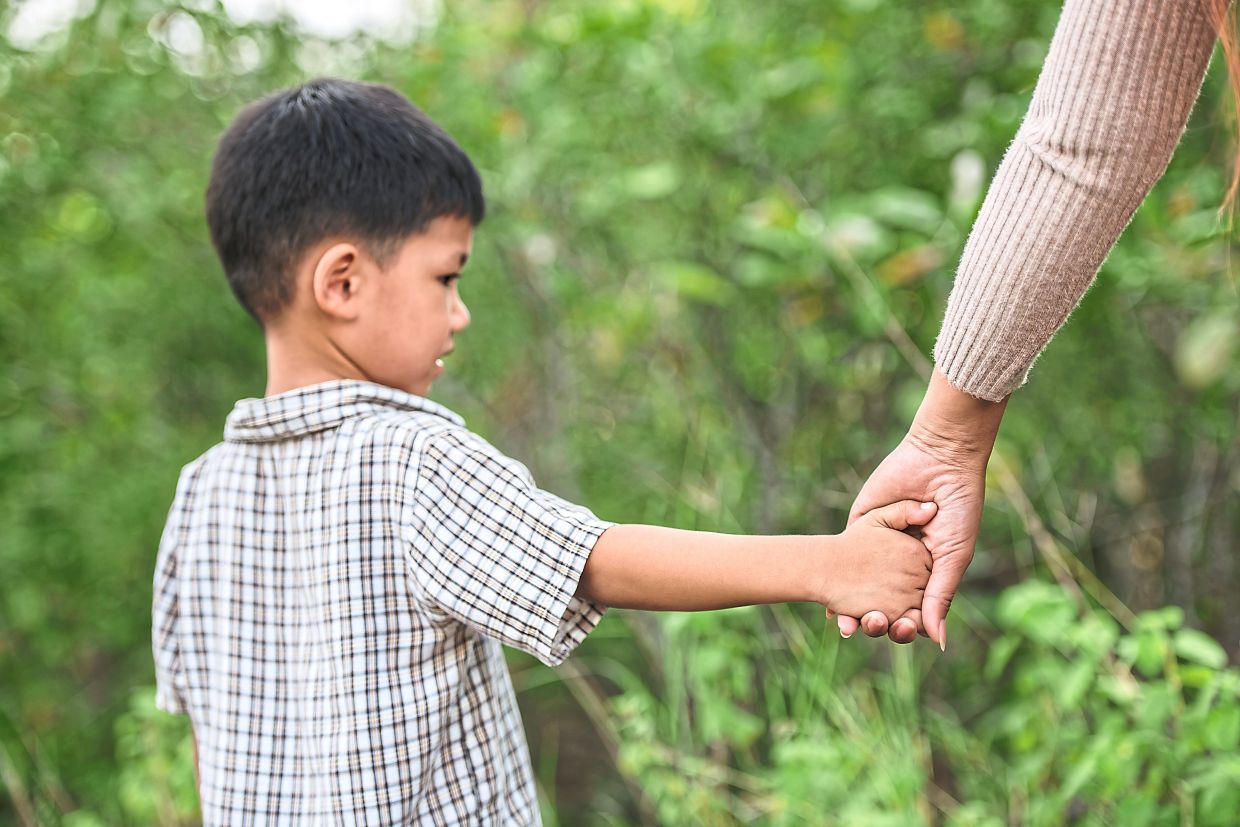
In recent years, schools have installed CCTV and enforced stricter rules.
But as WAO points out in its recent statement, surveillance, while necessary, only records incidents. It doesn’t prevent them. Nor does punishment alone address the root of aggression.
“Bullying is not just a disciplinary issue – it is inherently a sociocultural problem,” WAO states.
“It reflects the values and behaviours children learn and observe at home and in society.”
The attitudes that fuel bullying – dominance, lack of empathy and intolerance – are learned behaviours, often modelled by adults and reinforced by peers.
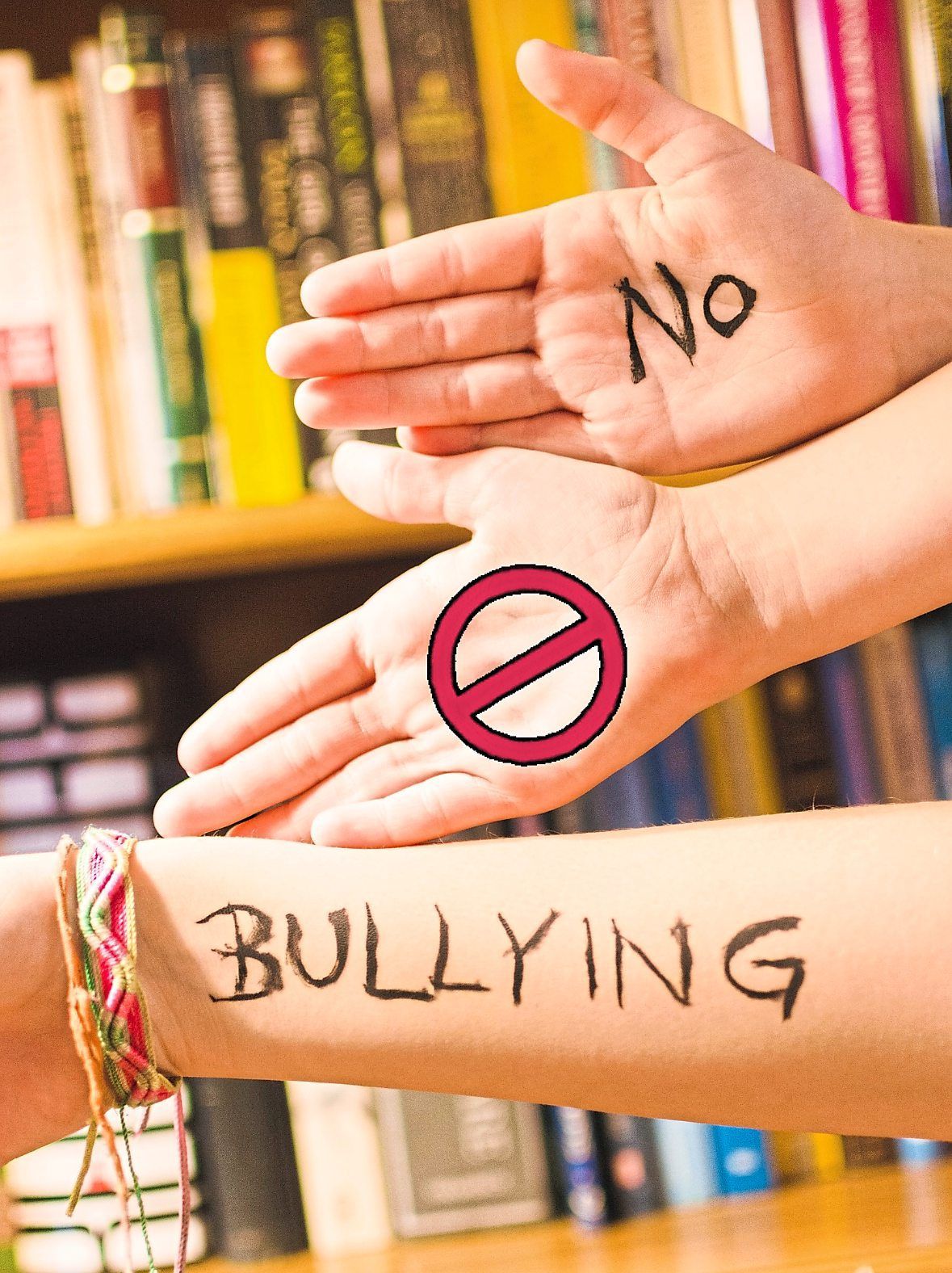
Children should not only be taught these values but also see them in action every day.
Here are some strategies WAO recommends:
> Teach empathy: Help children understand and consider how their actions affect others, and learn to validate others’ feelings.
> Model healthy conflict resolution: Show children how disagreements can be managed without aggression or intimidation.
> Create safe spaces at home: Ensure children feel heard, supported and respected, reducing the need to seek control and dominance over others.
> Build responsibility and accountability: Teach children that harmful behaviours have consequences, while also guiding them towards making amends. If parents see signs that their child might be a bully, they should not be afraid to self-reflect.
> Engage with schools: Collaborate and maintain open communication with teachers and school management to reinforce anti-bullying messages and a consistent approach.
> Be mindful of online content: Guide children in what they consume on social media, and encourage positive role models and programmes that promote empathy and kindness.
> Support digital ethics education: Advocate for schools to include digital ethics and cyber-safety classes that address cyberbullying and online abuse.
Done together, these steps can foster a culture of empathy and accountability that follows children beyond the classroom.

Globally, Unicef’s 30-country poll reports one in three young people experience cyberbullying, with one in five skipping school because of it. In Malaysia, studies suggest that the prevalence of cyberbullying ranges from 13.7% to as high as 52% among adolescents.
With smartphones and social media deeply woven into teenage life, the line between physical and digital bullying has blurred – making parental vigilance more crucial than ever.
Experts agree that tackling bullying requires a whole-of-society approach.
Schools must adopt evidence-based programmes, and the government should continue strengthening protections and victim support. But WAO stresses that all this would only work if parents first reinforce positive values at home.
The tragedy of Zara Qairina underscores what’s at stake. Behind the headlines is a grieving family – and a society confronting urgent questions about how we are raising our children.
“By teaching empathy and compassion, modelling respect in our daily lives and raising mindful digital citizens, we can raise a generation that says no to bullying and embraces kindness,” says WAO.
If you suspect your child is involved in bullying – as victim or perpetrator – support is available; WAO offers counselling, shelter and crisis assistance. Talian Kasih (15999) operates 24/7 for anyone facing abuse.