Nothing beats a day at the lake, river, beach or pool for fun, fitness, fishing and relaxation.
While spending time on and around the water, these tips can ensure that everyone is safe, has fun and enjoys the time together.
Learn to swim
Every year in the United States, about 4,000 people die by drowning. Children, men and nonwhite people are at the highest risk.
Learning to swim is one of the most important ways to stay safe on the water.
The American Academy of Pediatrics supports swimming lessons for most children ages four and older.
Lessons for children ages one to four could be appropriate, depending on how often they’re exposed to water.
Even infants can be introduced to the water.
Swimmers of all ages may be more familiar with pools than rivers and may not know what to do if caught in a current.
Stay calm, float on your back and when you come to a calmer area, flip over and swim diagonally toward shore with the flow of the current.
Keep these safety tips in mind too:
> Don’t swim alone.
> Supervise children when they’re swimming and stay close enough to reach out to a child at any time.
> Before diving into a body of water, know the water depth and if there are any underwater obstacles.
> Keep pool gates closed at all times, and consider an alarm to alert you if the gate is opened.
Personal floatation device
Even expert swimmers can get into trouble during an emergency.
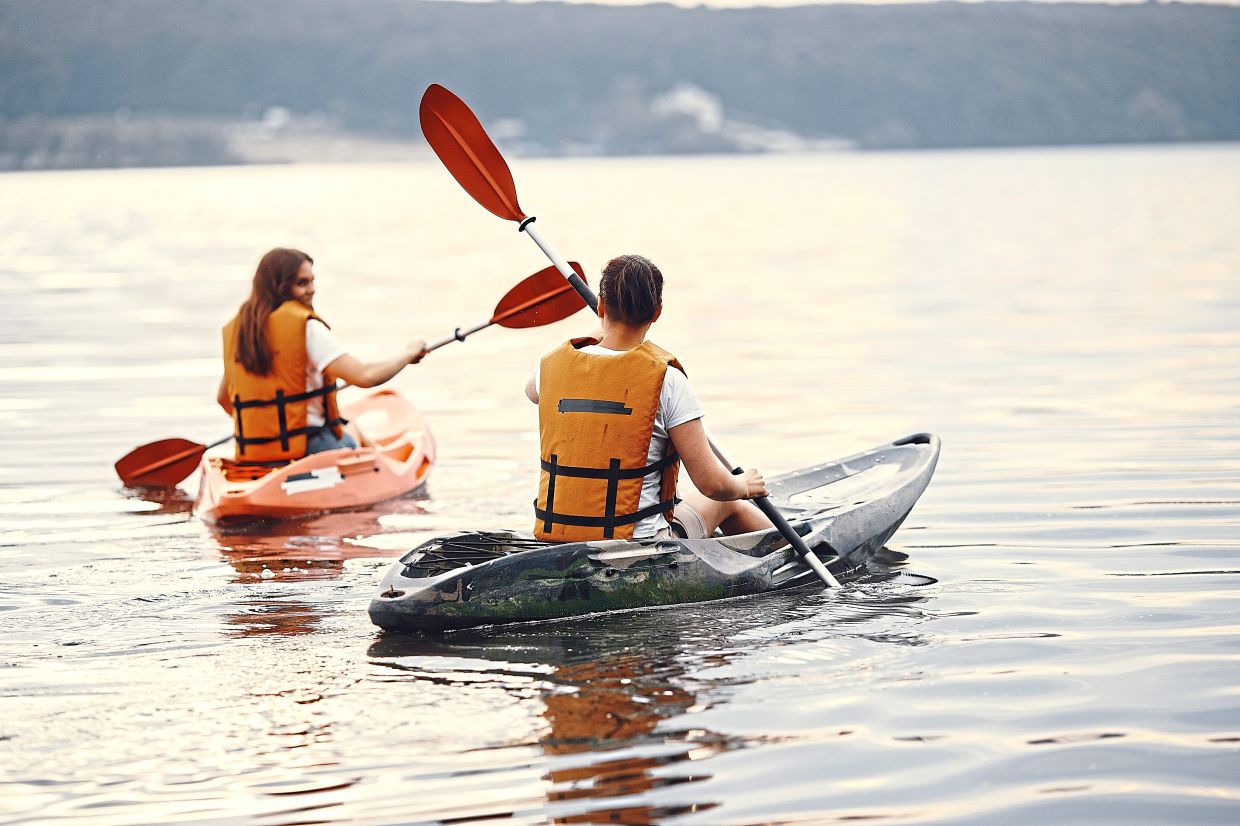
It’s important to be sure everyone in a watercraft wears a US Coast Guard-approved personal flotation device.
While boating or swimming, remember that arm floaties and inflatable toys aren’t a substitute and tend to give kids and families a false sense of security.
Excellent, comfortable, easy-to-put-on models of personal flotation devices are available, so there’s really no excuse not to wear one.
Boating tips
One of the most popular and fun activities of summer is spending time on the water.
Boating creates lifelong memories and gives us the opportunity to unplug, spend time together, learn new skills and explore new areas.
Whether your craft is a power boat, fishing boat, pontoon, personal watercraft, canoe or kayak, you should remember these basic safety rules as you head out for a day on the water:
> Be a weather watcher. Sometimes, weather can change quickly. Check the forecast before heading out and check again frequently while on the water. If you do get caught in a storm, navigate to the shore as quickly as possible.
> Tell someone the details of your trip. Tell your trip plan to a friend who’s staying ashore. Share details about who’s on the boat, where you’ll be and how long you’ll be gone.
> Always operate your boat at a safe speed. Waterways can become crowded during the summer. Slow down, stay alert and steer clear of larger vessels. Be sure to follow speed limits in “no wake” areas.
> Respect buoys and other navigational aids. They’ve been put in place to ensure your safety and the safety of other boaters and swimmers.
> Leave alcohol on shore. The risk of drowning or injury significantly increases when alcohol or drugs are involved. More than 70% of water recreation deaths are related to alcohol use.
Be sun savvy
> The sun’s rays can be intense on the open water. Protect everyone with hats, sunglasses and sunscreen.
Look for water-resistant, broad-spectrum sunscreen with a sun protection factor (SPF) of at least 30.
Apply sunscreen generously and reapply every two hours, or more often if you’re swimming or sweating.
Drink plenty of water
Even when surrounded by water, it’s possible to become dehydrated.
Sitting in the sun can increase your body’s temperature.
Pack plenty of water for each person, and drink some water every 15 to 20 minutes to remain properly hydrated. – Mayo Clinic News Network/Tribune News Service