Covid-19-related restrictions on social contacts have seriously impacted children and adolescents worldwide, with deleterious effects on their mental health, paediatricians are saying.
Take Germany: Since the start of the pandemic a year ago, nearly one in three children there have displayed psychological problems, according to a recent study by the Hamburg-Eppendorf University Medical Centre. They're mostly worries and fears but include depression symptoms and psychosomatic complaints such as headaches and abdominal pain.
In light of these findings, parents have good reason to ask themselves what is stressing their children most, and what they can do to help. First of all, they should ascertain whether the children are simply going through a difficult phase or something more serious is at work.
"There are a number of symptoms, such as restlessness, abdominal pain, fatigue and difficulty concentrating" that can indicate a child is under psychological stress, says Dr Mirriam Priess, a specialist in psychosomatic medicine, therapist and author.
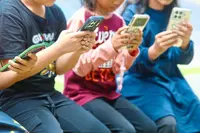
A further warning sign is when children and adolescents compensate for their anxieties and troubles with escapist behaviour. Depending on their age, it could be with increased smartphone use and computer gaming, or excessive consumption of sweets or alcohol.
Parents of troubled children may also experience more quarrels with them at first, before contact gradually diminishes as the children become increasingly withdrawn.
"To be aware of how your child is feeling, you've got to maintain a dialogue. This means more than just talking to each other, though," Priess says.
Conversations should revolve around questions like,"How are you doing? What do you need?" she advises, adding that both sides must feel they're being listened to and understood.
Examine your expectations
Now more than ever, it's important that parents convey to their children they appreciate them the way they are, even if they think their offspring may not be doing enough for school as they should.
"You've got to examine your expectations," Priess says. "It's not realistic at present that children meet all of your expectations as they could before the pandemic."
Children have had to forgo a lot: relationships, social contacts, hobbies, the structured environment provided by school.
"This can be cushioned in the family with empathy, strenuous though it may be for all concerned," remarks Priess, emphasizing the importance of the atmosphere at home.
"It doesn't mean that relations always have to be harmonious, though. You have to accept it when someone says, 'I can't take any more today.' Maintaining a dialogue also means respecting boundaries."
If parents feel they're not getting through to their children with these strategies, or notice a worsening of the children's symptoms, they should turn to a paediatrician for help. Professional therapy is another option.
Priess says it's especially important that parents look out not only for their kids, but for themselves as well, because "if you exhaust yourself, you'll have nothing left to give."
So they should always ask themselves whether the give-and-take is balanced, how they can satisfy their own essential needs in the limited circumstances, and what would do them good now and lighten their load, if only for 10 minutes.
There's no telling how long the psychological effects of coronavirus restrictions will last, Priess says, and adds: "The past year has clearly left a mark on everyone. I've seen so many people go far beyond their limits, which I've never seen to such an extent before." - dpa
Already a subscriber? Log in
Get 20% OFF The Star Digital Access
Cancel anytime. Ad-free. Unlimited access with perks.