Five years ago, the Klang riverside along Jalan Klang Lama in Kuala Lumpur was hardly an obvious setting for arts and cultural programming. Much of the area was overlooked – a mix of spaces beneath the highway, overgrown pathways, abandoned land and disused concrete drains that had become easy to pass by and forget.
The Klang River Festival (KRF) has helped change that. Built around urban rejuvenation, sustainability and a sense of plain old curiosity and fun, the festival has gradually brought attention, activity and a renewed sense of possibility to these overlooked corners.
What was once neglected or inaccessible has, through the efforts of artists, community groups and local residents, become a collection of spaces where people can gather, encounter art and take part in cultural activities.
As the festival prepares to mark its fifth anniversary this weekend, it is worth noting how much its programming has expanded since its early days, when KongsiKL, an arts warehouse, served as its main hub.
The KRF 2026 festivities will run from Sept 25 to Oct 4, with most of the 70-odd community activities and arts events taking place over the weekends. Continuing and building on last year’s festival, KRF returns with a theme "Act!vating Habitat" that highlights one of the three pillars — People, Culture, and Habitat.
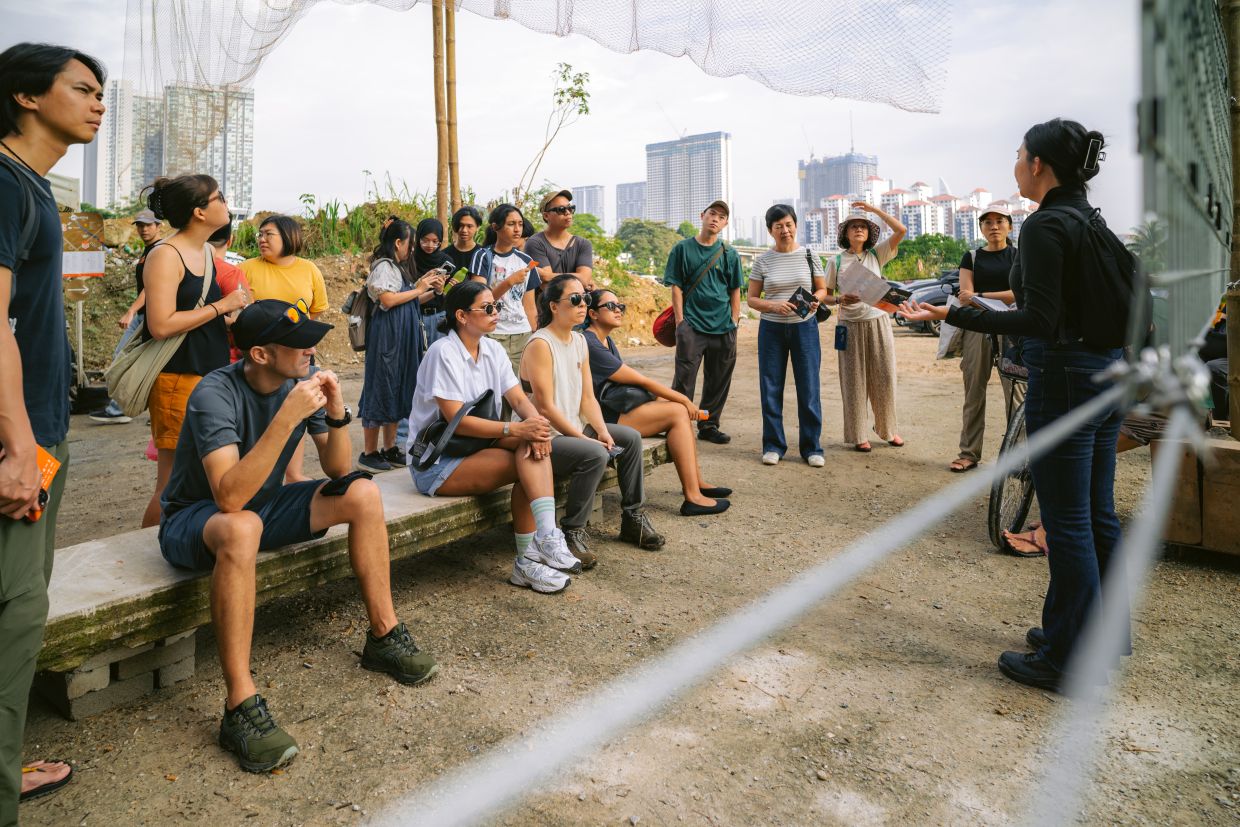
"KRF began as a ground-up initiative by KongsiKL, extending its belief in sharing space, networks, resources and knowledge. Through the festival, that spirit of sharing has also become a way to raise awareness of the river’s health and its importance, using the arts as a bridge," says Wyn Hee, KRF's programming director.
"The connection between arts and environmental issues has since drawn a growing circle of collaborators — from local communities and NGOs to government authorities and the private sector. As the festival finds its own path, the hope is that it will grow into a wider movement, inspiring riverside communities to come together for the river, while the production team serves as a support system for those efforts," she adds.
The celebrations will stretch across venues in the Jalan Klang Lama vicinity, including KongsiKL and the curiously named sites Nada Budaya, The Field, Kebun Kebun Sungai Klang, Keladi Trail and Serambi. All within a 1.5km radius, they offer visitors a mix of performances, activities, public walks and workshops.
“In our fifth year, we are looking back at what we have done, taking stock of our work while thinking about how we can build stronger collaborations and further activate the riverside," says Faith Foo, a KRF co-creator and coordinator, who is part of a new generation helping the festival retain its grassroots character as it grows.
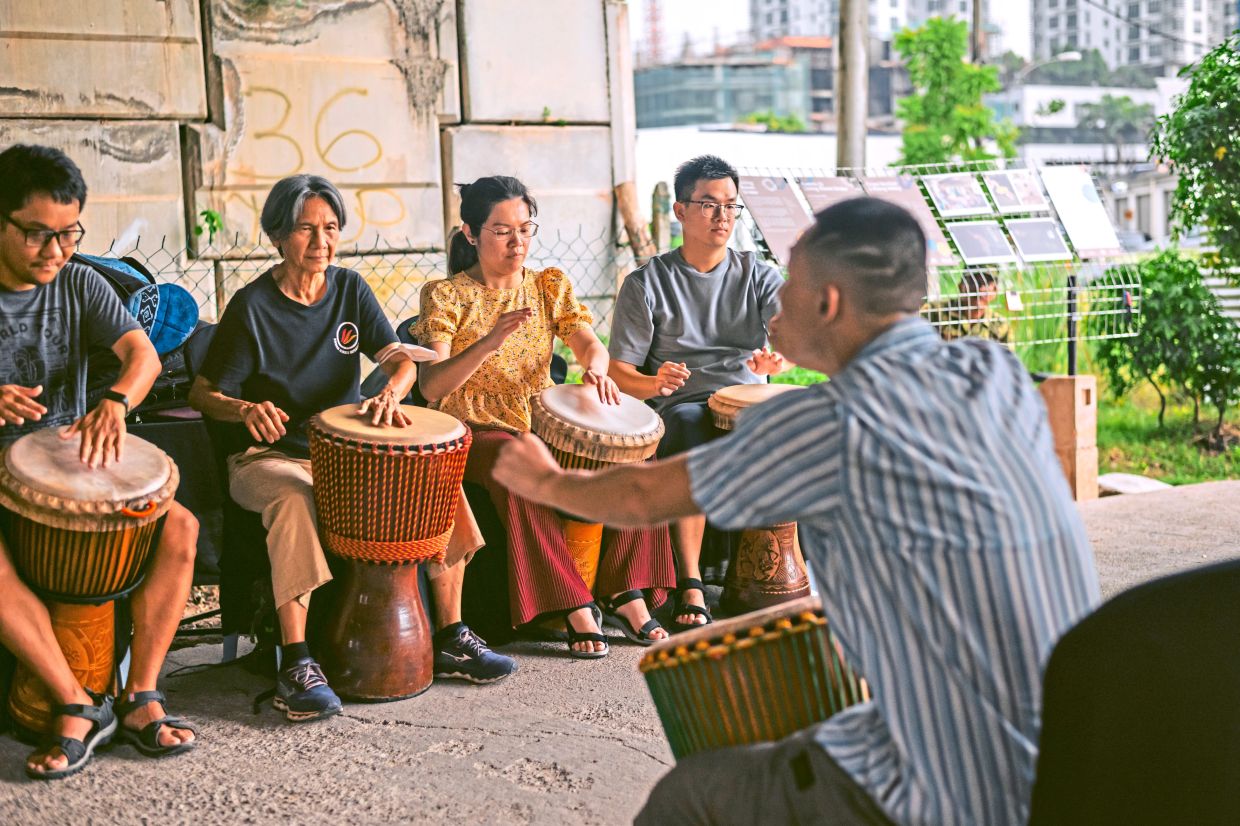
"The festival has grown from a weekend event into a year-round movement, seeking to renew people’s relationship with the river and encourage a deeper sense of care for it,” he adds.
The KRF programmes span ticketed shows, pre-registration activities and free-admission events.
On the music front, homegrown alt-rock band Arvan will perform an unplugged session at KongsiKL tomorrow (Sept 25). The first weekend will also feature exhibitions, contemporary dance, urban camping, guided walks, a barter trade market, community cycling and more, offering visitors different ways to experience the festival and the riverside setting.
Port Baik, a Saturday (Sept 26) music programme, takes on the role of community entertainment, while indie filmmaking also gets a spotlight. "Krik Krik: Film Screening" with House Your Film Collective will run on Saturday and Sunday (Sept 26 and 27) evenings, while "River Polyphonies: Spoken Word and Music" brings together spoken word and music in a Saturday (Sept 26) performance.
As the festival also largely takes place outdoors and involves plenty of walking, visitors are advised to dress comfortably, come prepared for rain and bring a mask in case of haze.
More info here.