It's been a hectic stretch of travel, rehearsals and performances for Dr Norzizi Zulkifli, but that has done little to slow her down.
If anything, the cross-cultural theatre stalwart has only gathered momentum, continuing to innovate traditional theatre while taking it to stages around the world.
After winning eight awards at the 20th Boh Cameronian Arts Awards last year for Randai Macbeth, she has maintained a remarkable run. The production continued with a sold-out restaging at Singapore’s Pesta Raya festival at The Esplanade in April, followed by a re-run performance in Kuala Lumpur in May.
Its most recent international stop was at the 9th International Theatre and Education Festival-Forum in Kazan, Russia last month.
Now, the 50-year-old theatremaker is turning the page to her next theatre project: reimagining another Shakespearean classic through the lens of Mak Yong, the 400-year-old traditional performing arts from the East Coast of Peninsular Malaysia.
“I was overwhelmed by the audience’s response (in Russia),” says Norzizi during a recent interview in KL.
“The festival director in Kazan (Farid Bikchantaev) said Randai Macbeth was selected because they wanted to see how Shakespeare could be interpreted through a cultural lens far removed from European theatre traditions. By weaving together music, dance, storytelling and ritual, we created a theatrical experience that was both fresh and culturally distinctive,” she adds.
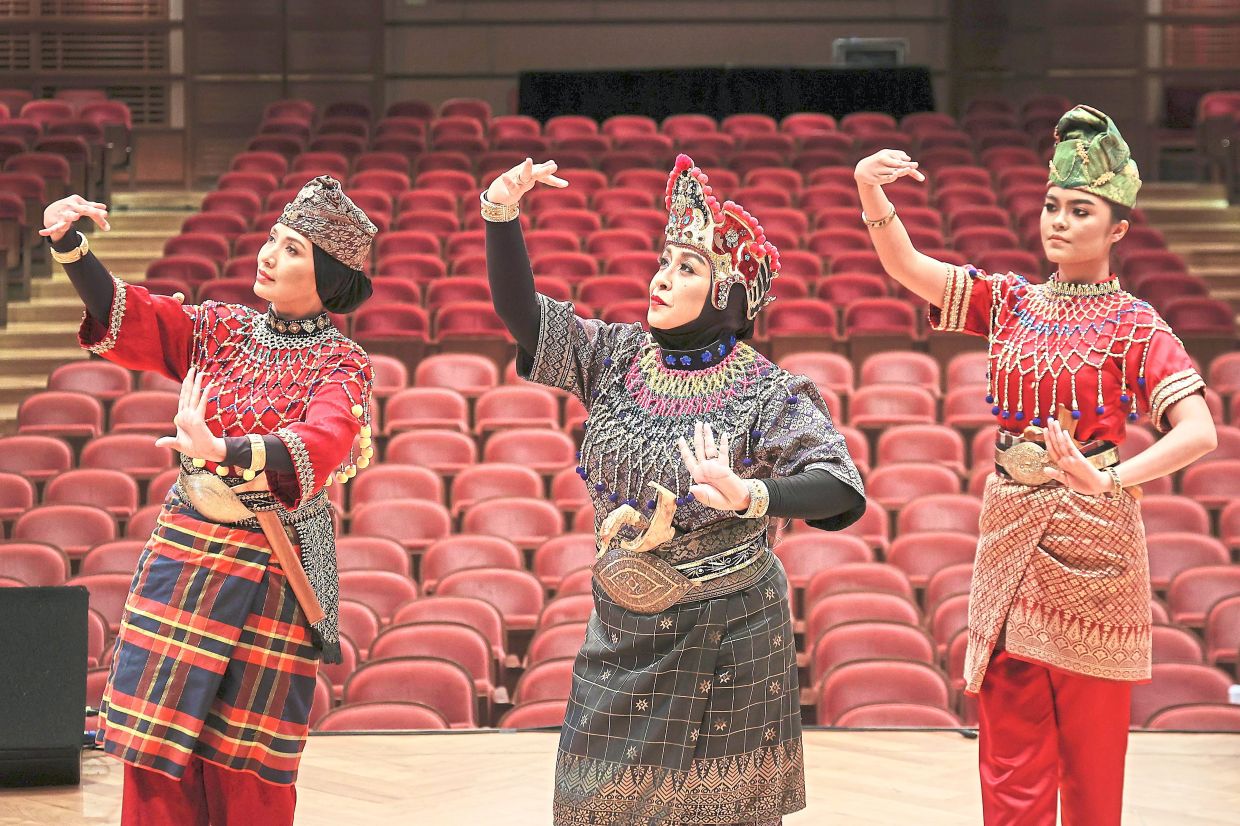
Before Randai Macbeth in 2024, Norzizi – balancing her acting, directing and academic pursuits – had already reimagined Shakespeare through traditional performing arts with Mak Yong Titis Sakti, adapted from A Midsummer Night’s Dream, and Throne Of Thorns (inspired by The Tempest), which was her doctoral thesis production.
Mak Yong Titis Sakti, which premiered in 2009, is also the only Malaysian work accepted as part of the Asian Shakespeare Intercultural Archive, a digital collection of East and South-East Asian Shakespeare performances.
While there has been growing interest in Shakespeare in Bahasa Malaysia in recent years, contextually, the KL Shakespeare Players remains the only company dedicated to Shakespeare, staging works in English, in both its original and simplified forms.
With no dedicated Shakespeare company performing in Bahasa Malaysia, Norzizi’s work stands out, resonating with local audiences and international festivals.
Striking similarities
The Kedah-born Norzizi’s reinterpretation of the Bard’s classics continues later this month.
On July 25, she will present Mak Yong Shakespeare: The Comedy Of Errors, An Adaptation at Dewan Filharmonik PETRONAS (DFP) in KL.
Staged for one night only, the production is performed in English and the Kelantanese dialect, blending the wit and humour of Shakespeare’s comedy with the music, dance and storytelling traditions of the centuries-old Malay performing art of Mak Yong.
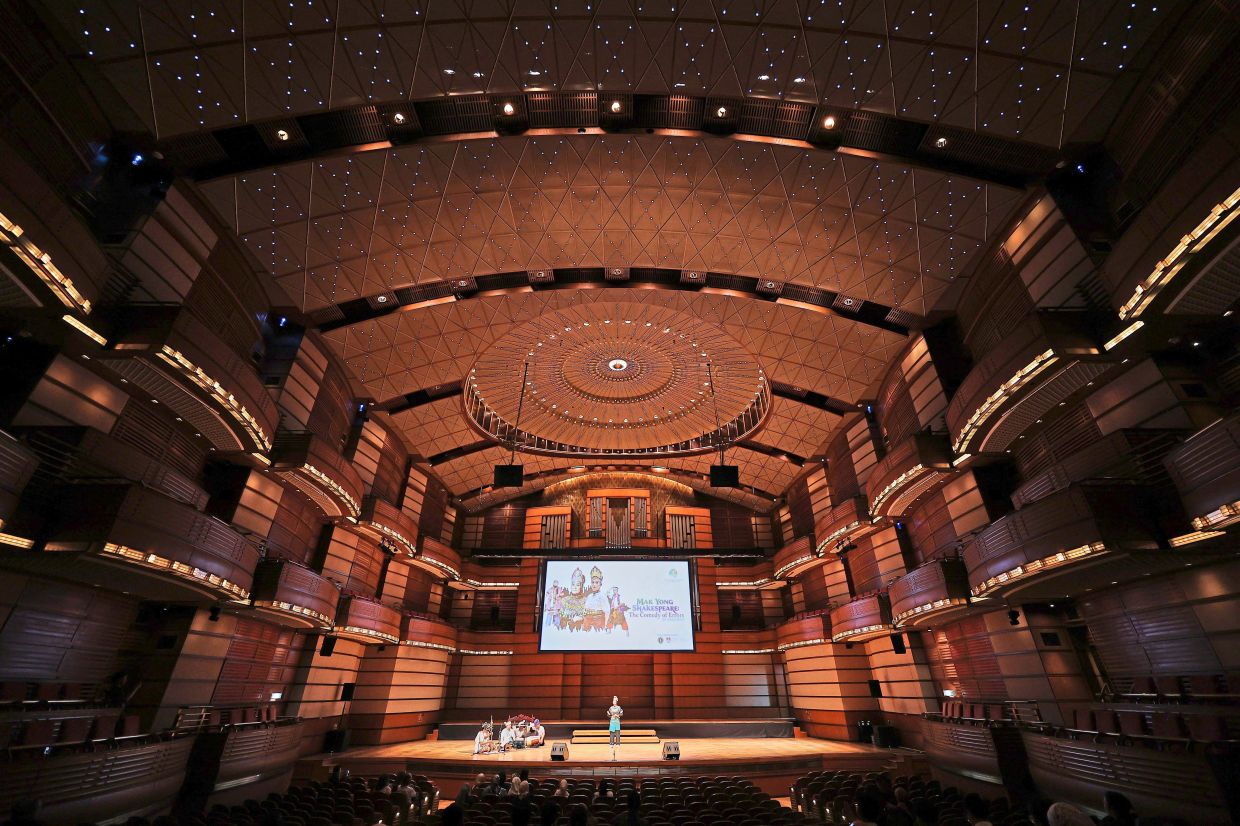
“This year, Mak Yong Shakespeare was the script I worked on late into the night after days spent with Randai Macbeth. It’s been a busy but rewarding six months, and I’m excited to finally make my debut on the DFP stage,” says Norzizi, the eldest daughter of the late actor Datuk Zulkifli Zain.
Before she begins to adapt any particular script, she first identifies the cultural similarities in both art forms.
Impian Malam Di Tengah Musim Panas (or Mimpi), an adaptation of A Midsummer Night’s Dream developed under visiting American professor Jim O’Connor at UiTM in 2009, was a revelation.
“I first noticed the similarities with Shakespeare when I was the assistant director on Mimpi. Performed in Bahasa Malaysia, it felt strikingly close to the mysticism found in Malay traditions,” recalls Norzizi.
“It was as if they had inspired each other. Like The Comedy Of Errors ... Mak Yong has a story called Anak Raja Dua Serupa, which also revolves around mistaken identity involving identical twins,” she adds.
Norzizi’s engagement with Shakespeare required significant perseverance before she gained the confidence to adapt his works.
Beginning as the host of a children’s programme during her diploma years, she progressively advanced her academic career and has been lecturing at UiTM since 2006. She holds an MFA in Theatre Directing from Middle-sex University in England; a PhD in Arts, English and Media from the University of Wollongong in Australia; and is currently an Associate Professor at UiTM’s Faculty of Film, Theatre and Animation.
“During my studies abroad, I was exposed to cross-cultural adaptations of Shakespeare and inspired by playwrights Yukio Ninagawa of Japan and Oh Tae Seok of South Korea. Ninagawa reimagined Twelfth Night in kabuki style, while Oh brought The Tempest into fifth-century Korea, drawing from the Chronicles Of The Three Kingdoms,” she says.
Theatre, perfectly woven
Mak Yong Shakespeare, already an eye-catching theatrical production, is set to gain added impact on the DFP stage, where shows move closer to the mainstream.
“I want audiences to feel the identity of Mak Yong while also experiencing Shakespearean elements. Both traditions should coexist within a single performance, which reflects the essence of cross-cultural theatre,” says Norzizi.
The adaptation, translated by playwright-educator Fasyali Fadzly, retains Mak Yong’s core traditional structure, including improvised dialogue.
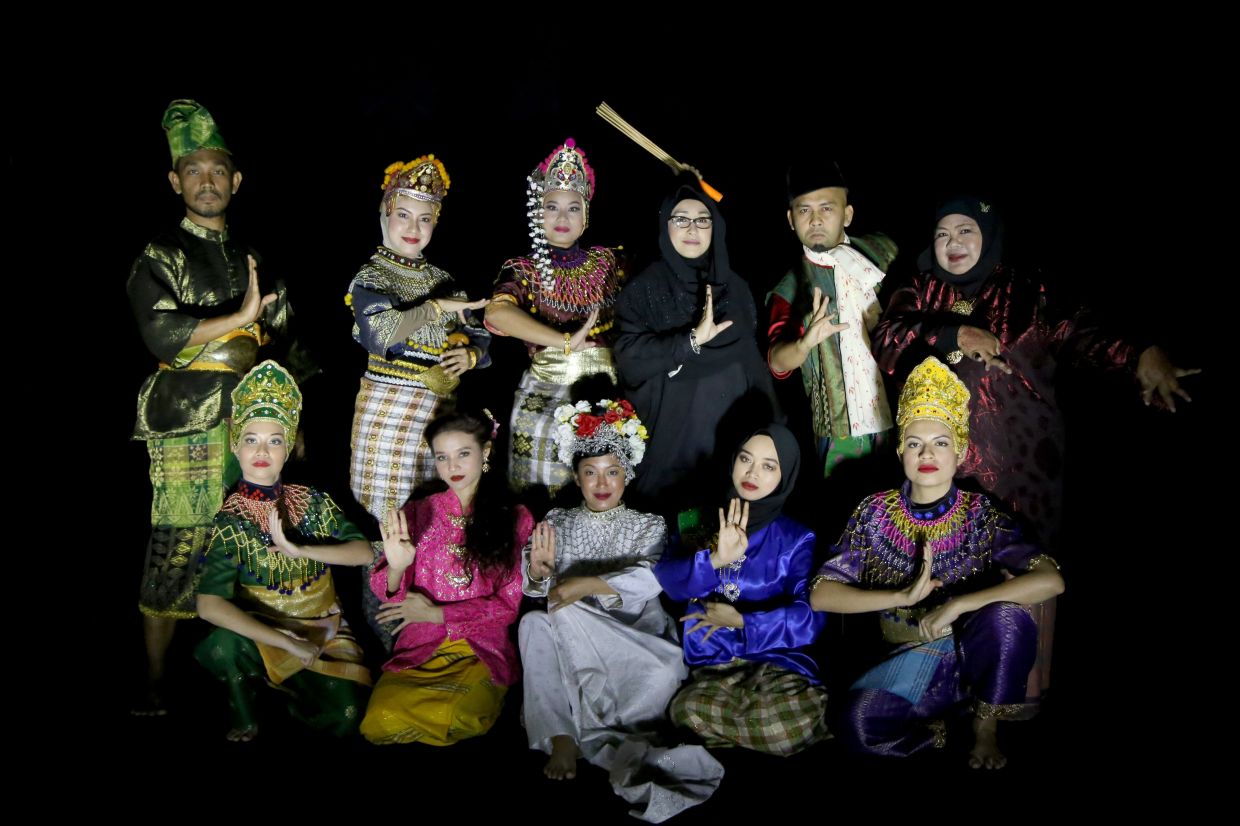
On stage, Norzizi embraces the challenge head-on as Raja Besar Solinus, meeting the physical demands of Mak Yong alongside a cast of young and seasoned performers including Mhia Firdaus, Rosdeen Suboh, Asrulfaizal Kamaruzaman, Salsabila Sofian, Fazlisham Mat Hussin, Mohd Shahrul Hakimi, Nurul Ain Othman, JZ Jasli, Vanidah Imran and Ismadian Ismail.
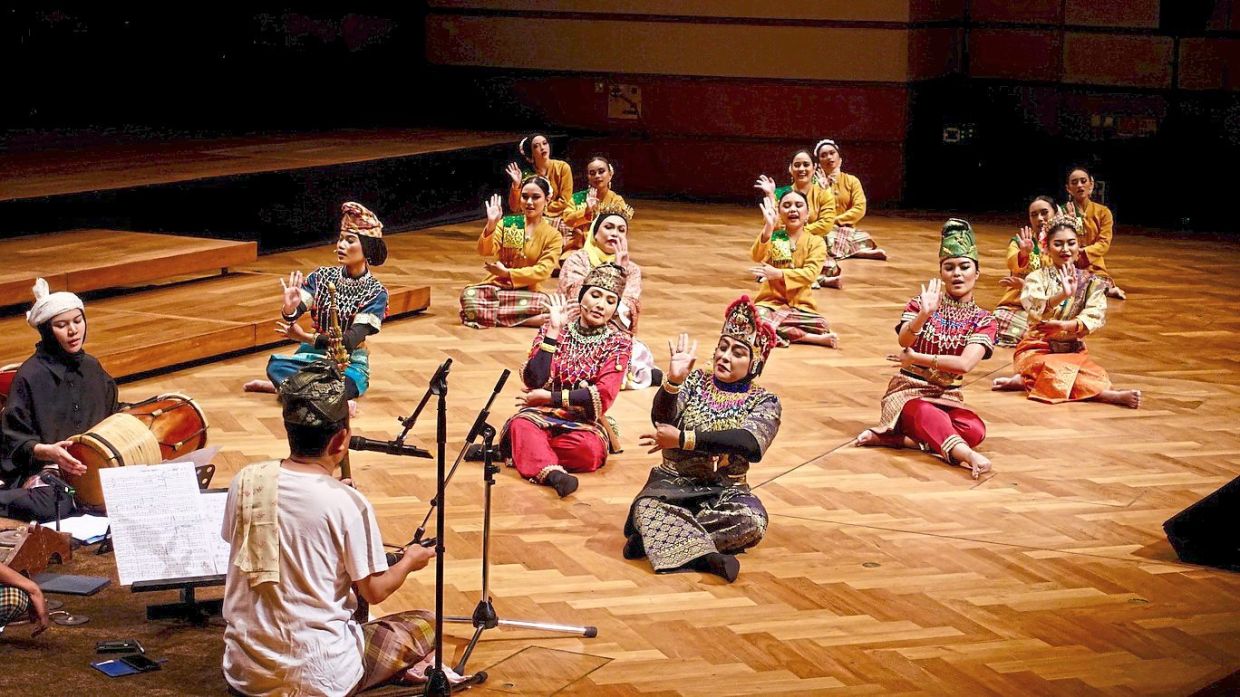
The ensemble is supported by eight dancers and eight musicians who guide audiences through both The Comedy Of Errors and the conventions of a Mak Yong performance.
“Mak Yong traditionally begins with the tarian menghadap rebab, an introductory dance we have retained as a defining feature. It introduces the cast and roles through a circular performance. However, to suit contemporary audiences, we have streamlined the production into a concise, one-hour-and-a-half performance without intermission,” says Norzizi.
“We have also experimented extensively with music and sound, led by long-time collaborator Kamrul Hussin. While we do not have an orchestra, the musicians respond live to the actors’ dialogue, subtly underscoring lines and rhythms to transport audiences into 16th-century Rome,” she adds.
After wowing a crowd in Russia recently, Norzizi notes that the new show, with a multilingual, has the potential to reach a wide audience, with contemporary issues woven into the mix.
“Unlike Shakespeare’s tragedies, this comedy allows greater freedom for improvisation, particularly through the squires of the kings, a key Mak Yong feature used for satire and self-deprecation. Shifting between Shakespeare’s soliloquies and the Kelantanese dialect has been both jarring and rewarding in rehearsals as we seek a balanced middle ground,” she explains.
“Historically, Mak Yong roles were gender-specific, but my studies show that when performed for royalty, women began taking on male roles to enhance the dance aesthetics. Kings and princes were portrayed with softer, more graceful qualities, blending strength with subtle elegance.”
As a firm believer that it is the story that matters most, not grand venues or East-West headlines, she is taking this new show as another step in deepening the dialogue between cultures.
“Traditional theatre has always evolved through modest means. With today’s resources and technology, we can make it more accessible to new audiences,” says Norzizi.
“This approach also helps demystify both Shakespeare and Mak Yong, allowing audiences to simply appreciate the performance.”
Mak Yong Shakespeare: The Comedy Of Errors plays at Dewan Filharmonik PETRONAS in KL on July 25. More info here.